







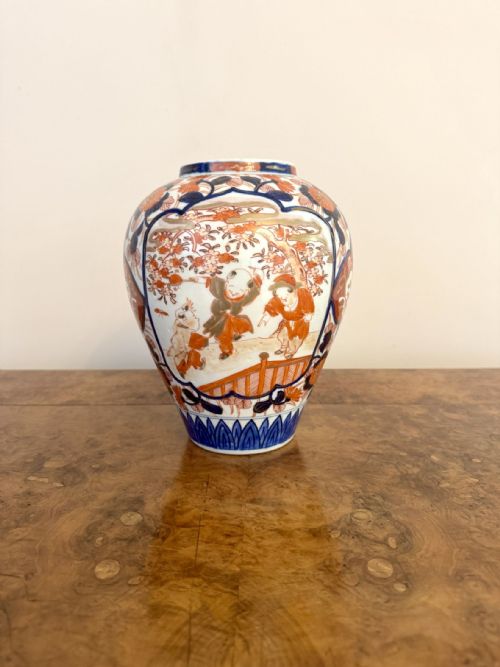


Edo Period Porcelain Urns
These edo period porcelain urns bring centuries of Japanese kiln craft into the room, offering the bold colour and weight collectors seek.
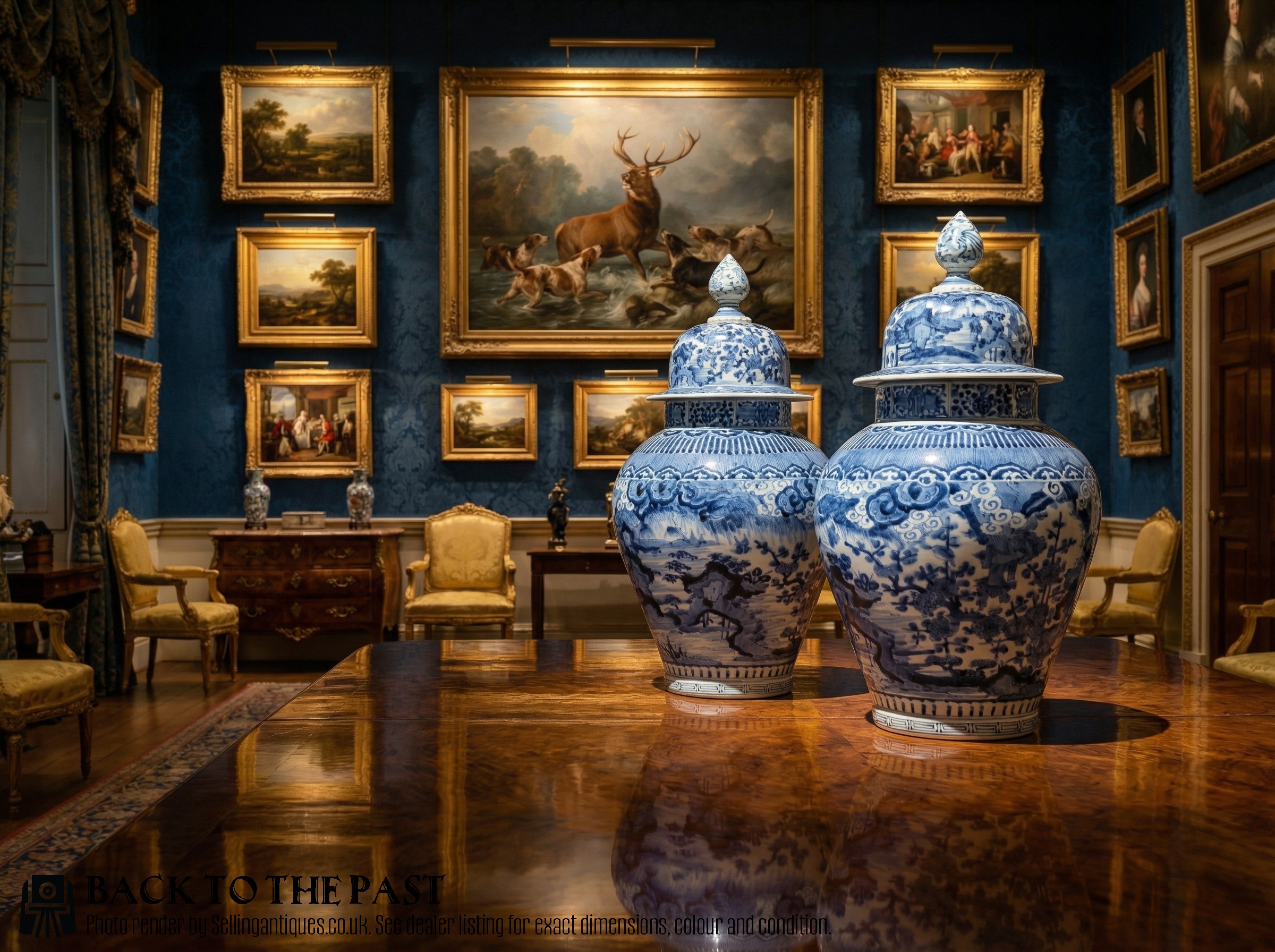
Edo Period Porcelain Urns
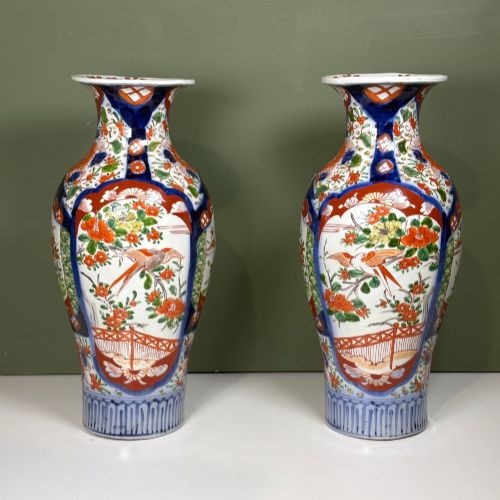
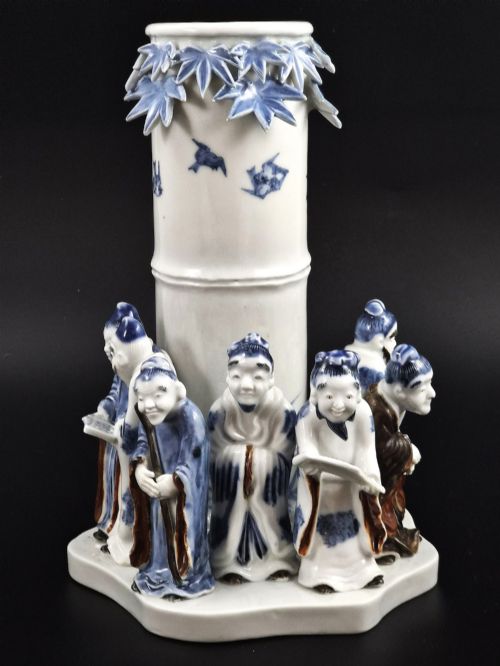
When you search for edo period porcelain urns, you encounter vessels shaped as vases, lidded jars, and garnitures spanning the seventeenth through the nineteenth centuries. These pieces originate from Japanese kilns, frequently decorated in the Imari palette or blue and white designs.
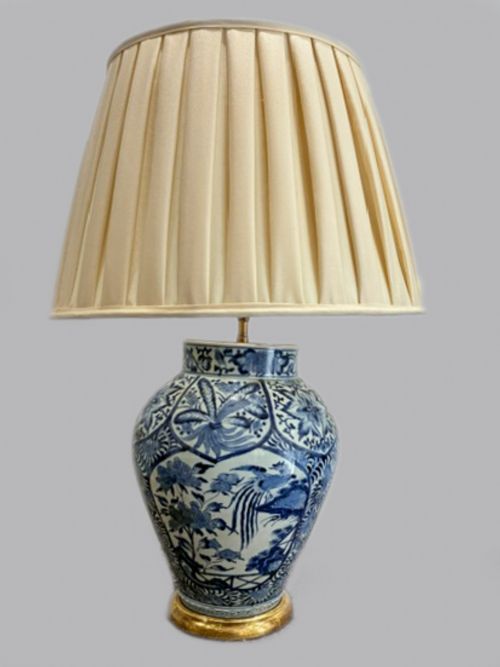
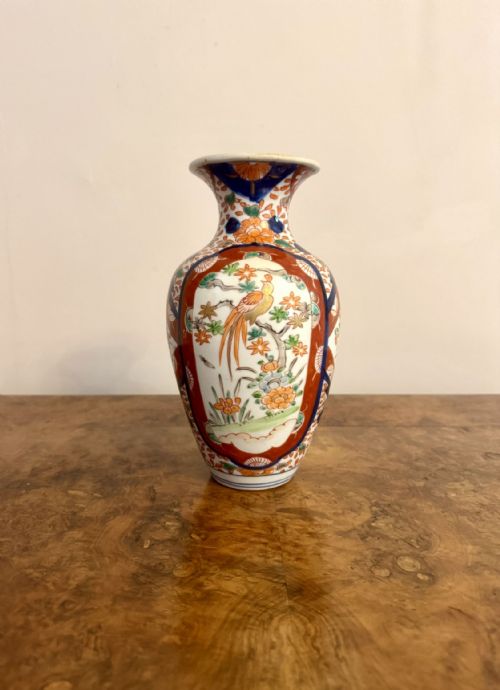
You are most likely to meet Imari ware on this page, often formed as baluster vases or paired lidded jars. Some examples arrive mounted as table lamps, combining porcelain bodies with brass or silk elements from later adaptations.
How They Were Made
The foundation rests on hard-paste porcelain shaped into vessels such as octagonal baluster jars and trumpet-shaped beakers. Potters applied underglaze blue and enamel pigments directly to the surface before firing.
Details often incorporate gold leaf, gilt, and gilding over the glaze to catch the light. Certain pieces also integrate brass mounts or silk components during subsequent conversions.
Edo Period Porcelain Urns Retail Price Guide 2026
Typical asking prices for edo period porcelain urns among the pieces listed under this phrase on Sellingantiques today, from the lower quarter to the upper quarter. They describe what is for sale here now, not the wider market.
Some seventeenth-century jars have spent centuries trading palanquins for mantelpieces and finally ending up wired for modern reading lights.
What Varies in Quality
The standard of painting on the porcelain body separates the finest examples from standard production. Crisp brushwork in the Imari palette and well-defined contours indicate superior kiln control.
Completeness alters the standing of a vessel, particularly when matching covers remain with lidded jars or when garnitures survive as a matched trio or pair.
The Edo Period Porcelain Urns Glossary
- Imari
- A style of Japanese porcelain decorated in underglaze blue, iron red, and gold. This palette creates a rich decorative surface seen across many Edo period vessels.
- Arita
- The Japanese town where porcelain production began in the seventeenth century. Kilns here produced the blue and white and Imari wares exported to Europe.
- Baluster
- A vase form with a rounded body that tapers toward the base and flares at the neck. This silhouette provides stability and generous space for enamel decoration.
- Garniture
- A set of three or more matching vases and lidded jars designed to display together on a mantelpiece or cabinet. These coordinated sets demonstrate the ambition of early kilns.
- Kakiemon
- A style of Japanese enamel decoration known for its refined asymmetrical design and palette. Pieces in this tradition feature restrained motifs on a white porcelain ground.
Edo Period Porcelain Urns: Frequently Asked Questions
How do I spot an Edo period vase?
Look closely at the porcelain body, the weight in the hand, and the characteristic pigments used in the painting. Edo period pieces often display iron red, underglaze blue, and gilt highlights typical of seventeenth to nineteenth-century kilns.
Examine the form of the vessel, whether baluster, trumpet-shaped, or octagonal. The styling matches traditional Japanese shapes recorded across Arita production.
What is an Imari palette?
The Imari palette combines deep underglaze blue with vibrant iron red and supplementary gold leaf or gilding. This distinctive combination creates a layered, rich visual depth across the porcelain surface.
Potters applied these colours over a clear glaze, firing the vessels multiple times to fix the enamel and metallic details securely.
Why are some vases converted to lamps?
Many antique vases received electrical wiring and brass fittings during the nineteenth or twentieth centuries to suit modern interiors. This practice repurposed decorative lidded jars and baluster vases for domestic lighting.
Such conversions leave the original porcelain body intact while adding functional hardware for contemporary living.
What is a garniture set?
A garniture is a matched set of three or more vases or lidded jars created to sit together as a decorative focal point. These groups often feature uniform painting styles across all pieces in the arrangement.
Displaying them together follows historic traditions of mantelpiece and cabinet presentation in European and Japanese interiors.