

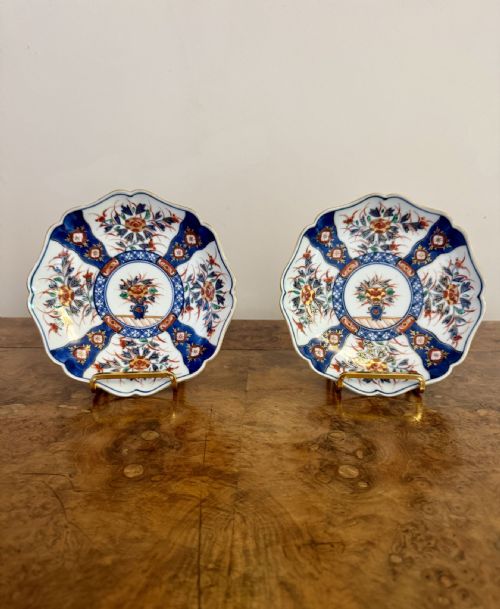
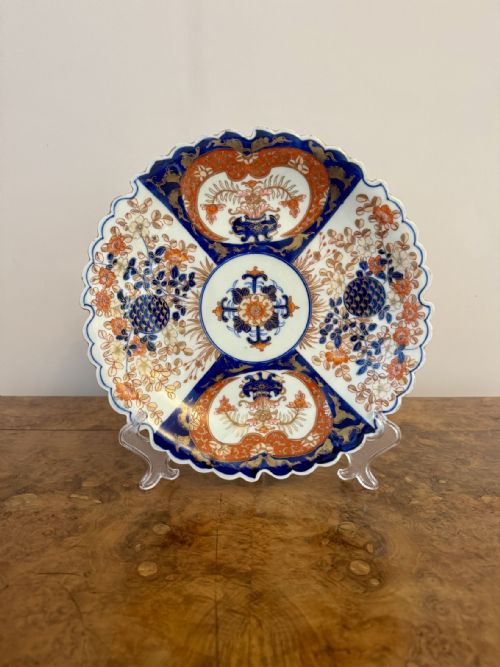
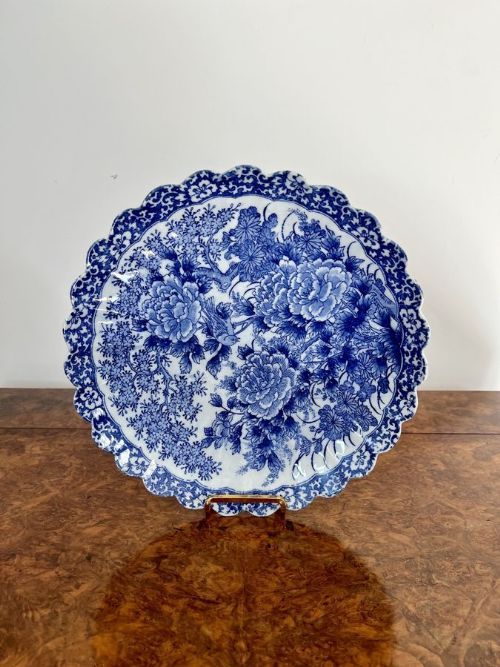


Edo Imari Porcelain Plate
These edo imari porcelain plate items bring vibrant Japanese craftsmanship and rich historical character into your home.
Edo Imari Porcelain Plate
An edo imari porcelain plate represents a tradition of Japanese ceramic artistry spanning centuries, encompassing charger plates, decorative dishes, and smaller tableware forms. When you search for this phrase, you encounter pieces originating from the Edo period and later eras, reflecting stylistic developments in Arita kilns.
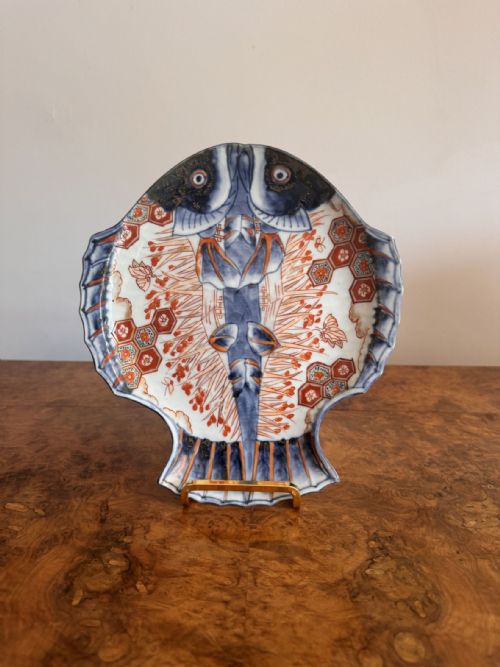
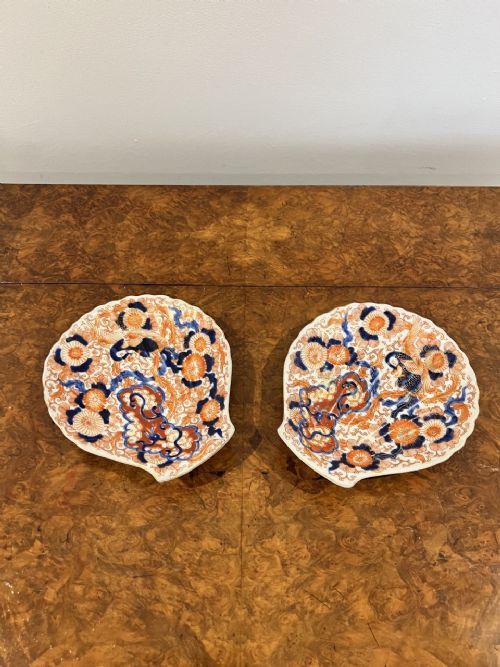
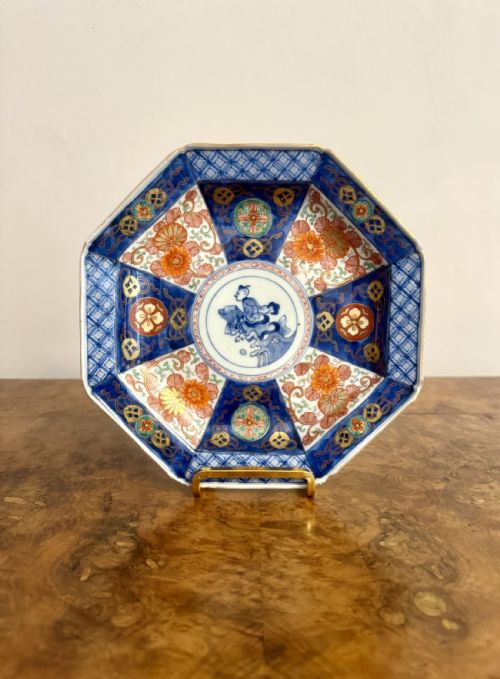
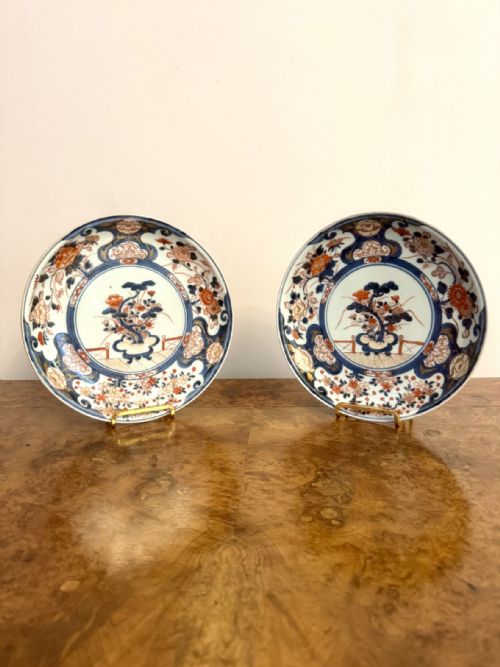
The objects on this page appear in various configurations, from standard round formats to shaped vessels like fish, clam shells, fans, hexagons, and octagons. Scalloped edges and large chargers also feature regularly among the selections, demonstrating the versatility of Japanese potters working in this aesthetic.
How these ceramics were made
Potters shaped these objects from fine ceramic and porcelain clays before applying cobalt underglaze pigments to create the foundational blue designs. Artisans then incorporated enamel colours, gold leaf, and gilt highlights to build the characteristic layered palette associated with Imari ware.
Kiln firing transformed the painted clay bodies into durable porcelain pieces with smooth glazes. Hand painting ensured that individual plates and chargers received distinct decorative brushwork, whether depicting traditional motifs or structural patterns tailored to specific shell and fan forms.
Current listings feature porcelain and ceramic pieces incorporating enamel, gold leaf, and cobalt underglaze across the 17th, 18th, 19th, and 20th centuries.
What varies in quality
The refinement of the hand-painted brushwork distinguishes exceptional pieces from standard examples, with tighter line work and more intricate details commanding attention. The precision of the moulding in shaped plates, such as fish and fan designs, also indicates the level of skill involved in production.
The application of enamel and gold leaf varies across items, influencing the visual depth and richness of the finished surface. Pieces that retain vibrant pigments and careful gilding demonstrate superior preservation and craftsmanship from their period of origin.
The Edo Imari Porcelain Plate Glossary
- Charger
- A large decorative plate intended for display rather than everyday dining use. These substantial vessels often showcase the most elaborate painted compositions.
- Underglaze
- A method of decorating pottery before the glaze is applied and fired. Cobalt underglaze remains stable at high kiln temperatures, producing a deep blue tone.
- Arita
- The Japanese town and surrounding region where the production of porcelain began during the Edo period. Kilns here supplied the domestic and export markets.
Edo Imari Porcelain Plate: Frequently Asked Questions
How do I display an edo imari porcelain plate?
These decorative plates and chargers suit wall mounting using specialised wire hangers or placement on sturdy plate stands within cabinets. Their detailed painted surfaces benefit from stable positioning away from high-traffic areas.
Grouping plates of different shapes, such as octagonal or fan designs, creates a balanced display that highlights the variety of Japanese ceramic forms.
How are Edo period pieces dated?
Dating relies on stylistic markers, potting techniques, and the composition of the glaze and pigments used by the kilns. Comparing the specific blue tones and enamel applications helps narrow down the era of production.
Many items reflect the aesthetic standards of Japanese Arita production traditions that evolved across multiple centuries.
Are these plates meant for daily dining?
These historical ceramics function primarily as decorative objects or chargers rather than everyday tableware. Hand-painted enamel and gold leaf details require careful handling to preserve their condition over time.
Gentle dusting with a soft, dry cloth is usually sufficient for routine maintenance without exposing the glaze to moisture.
What shapes do these plates come in?
The selection includes standard round plates alongside unusual moulded forms such as fish, clam shells, fans, hexagons, and octagons. Scalloped edges also appear frequently among the circular dishes.
Each distinct shape demonstrates the versatility of the potters who shaped the porcelain bodies before painting.