



Arita Ware Porcelain Plate
An arita ware porcelain plate brings centuries of kiln tradition into the home, offering intricate painted details and sturdy display presence.
Arita Ware Porcelain Plate
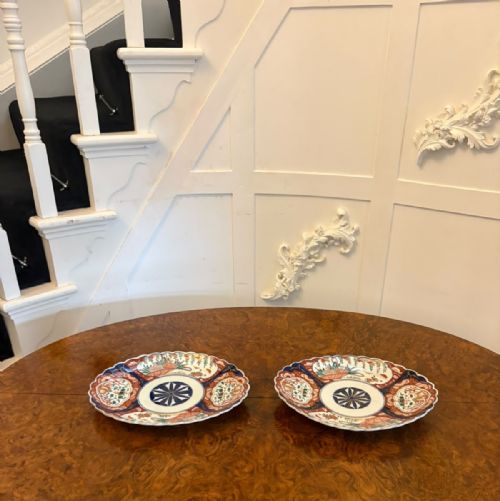
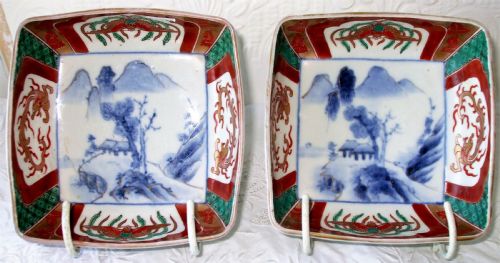
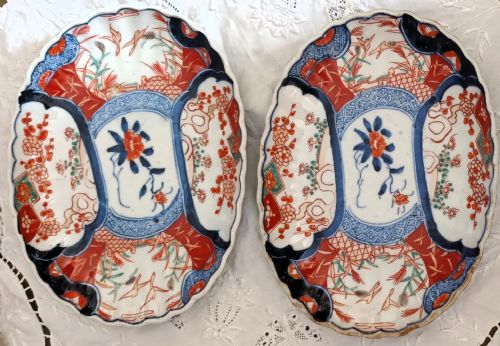
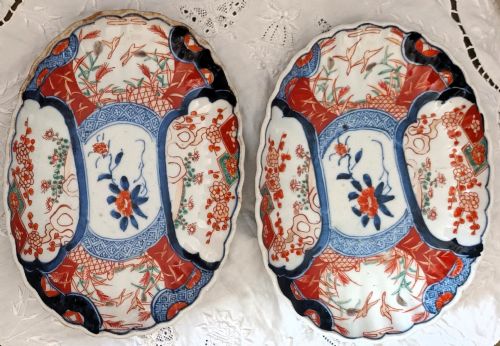
An arita ware porcelain plate takes many shapes across its long history, ranging from standard round dishes to hexagonal, fan-shaped, and oval forms. Buyers encounter pieces spanning several eras, from the 17th Century Edo period through the Meiji period and into the 20th Century.
The selections on this page feature plates, dishes, and chargers alongside specialised shapes like clam shell designs. Many examples originate from the Hizen province, showcasing traditional Japanese aesthetics applied to hard-paste porcelain forms intended for display or dining.
Materials and Technique
Potters shaped fine porcelain clay and applied cobalt underglaze pigments before firing the body at high temperatures to achieve a durable vitreous finish. Artisans then added enamel glazes, gold leaf, and gilding over the initial glaze layer to build rich surface depth.
Hand-painted floral, bird, and scrolling foliate motifs define the visual language of these items. Workshops employed strict brushwork techniques, combining blue and white underglaze with iron-red and gold overglaze details.
Current listings span from the 17th Century to the 20th Century, featuring materials such as porcelain, enamel, gold leaf, and cobalt underglaze.
Judging the Range
The distinction between standard items and superior examples lies in the precision of the hand-painted brushwork and the complexity of the palette. Plates featuring crisp cobalt lines, layered enamels, and integrated gold leaf demonstrate higher technical mastery by the kiln artisans.
Unusual structural forms, such as fan shapes, clamshells, or scalloped edges, demand greater skill from the potter during shaping and drying. Preservation of the surface gilding and enamel crispness further elevates an individual piece within the broader spectrum of available wares.
The Arita Ware Porcelain Plate Glossary
- Arita
- A Japanese town and region renowned as the birthplace of porcelain production in the country. Kilns here supplied domestic and export markets for centuries.
- Imari
- A style of Japanese export porcelain characterised by a palette of cobalt blue, iron red, and gold. Items were shipped from the port of Imari to European and domestic buyers.
- Edo Period
- A historical epoch in Japan spanning from 1603 to 1867. Pieces from this era reflect distinct traditional craftsmanship and regional kiln styles.
- Meiji Period
- The era in Japanese history lasting from 1868 to 1912. Production during this time often catered to international tastes while retaining traditional motifs.
- Charger
- A large decorative plate or dish utilised for display on walls or tables rather than for serving food. These pieces measure significantly larger than standard dining plates.
Arita Ware Porcelain Plate: Frequently Asked Questions
How do I display an arita ware porcelain plate?
Large chargers and decorative plates work well mounted securely on walls using specialist hangers. Smaller dishes suit plate stands placed on sideboards or within cabinets.
Keep pieces away from direct sunlight to protect enamel colours and gold leaf details over time.
Are these plates suitable for daily dining?
Most antique examples serve primarily decorative functions rather than everyday use. Hand-painted enamels and delicate gilding can wear down with frequent washing and cutlery contact.
Gentle hand washing with mild soap preserves the surface integrity if cleaning becomes necessary.
How do I tell Edo period pieces apart from Meiji pieces?
Edo period items often display earthier clay bodies and looser, more expressive brushwork in the cobalt underglaze. Meiji period items typically exhibit sharper detailing and more standardised export forms.
Examining the foot ring and glaze texture helps establish the likely production era.
What is Japanese Imari?
Japanese Imari refers to porcelain decorated in a distinct tripartite colour scheme of underglaze blue, iron red, and supplementary gold. The style originated in Arita and gained immense popularity in Europe.
Designs frequently incorporate floral motifs, birds, and brocade patterns.