

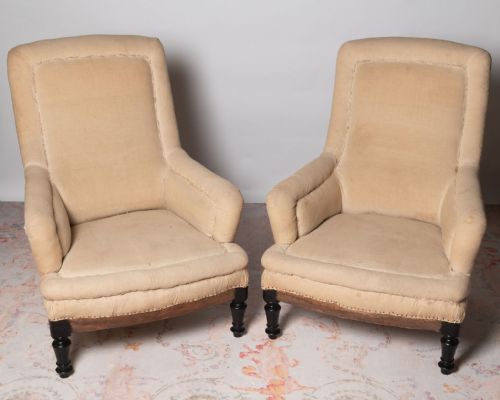
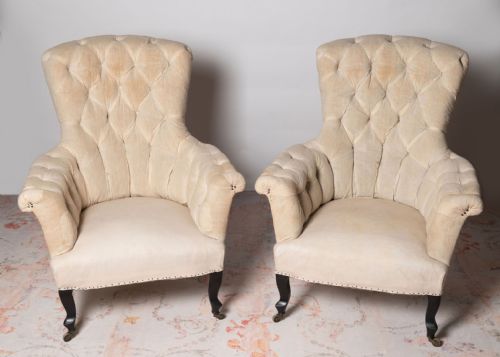
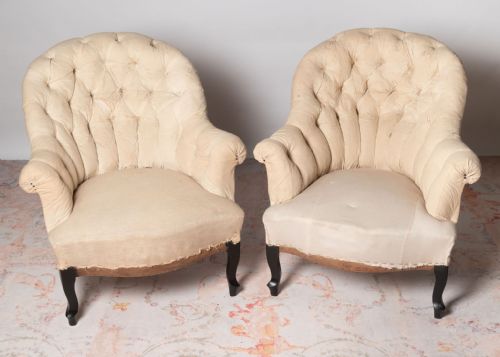
Ebonised Accent Chair
An ebonised accent chair delivers dark, dramatic presence to a room, offering a striking silhouette rooted in nineteenth-century design.
Ebonised Accent Chair
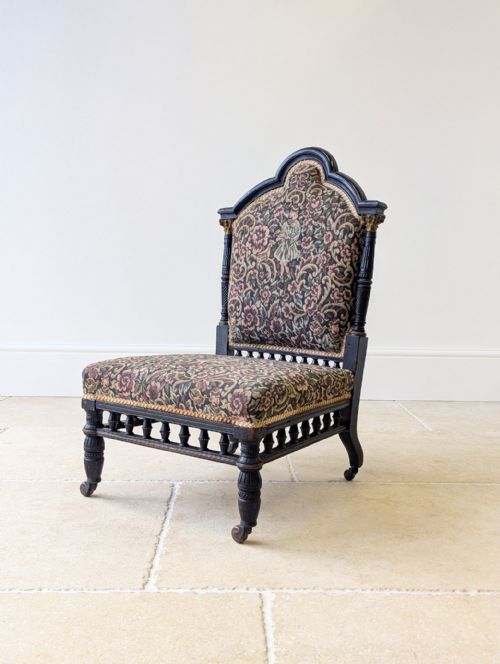
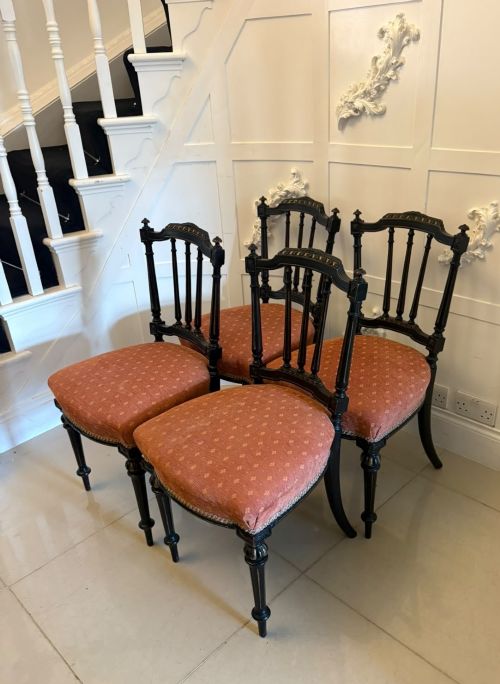
When searching for an ebonised accent chair, collectors encounter a variety of forms designed to command attention in a parlour, drawing room or bedroom. These seating options emerge primarily from the nineteenth century, encompassing Victorian, Regency, Napoleon III and Aesthetic Movement periods.
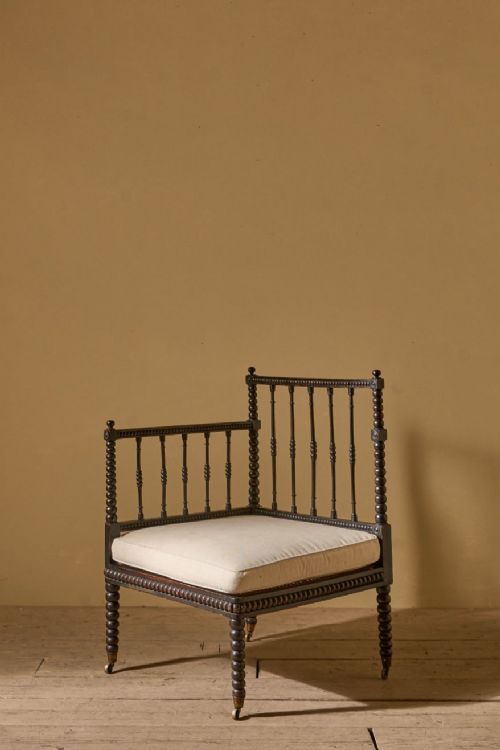
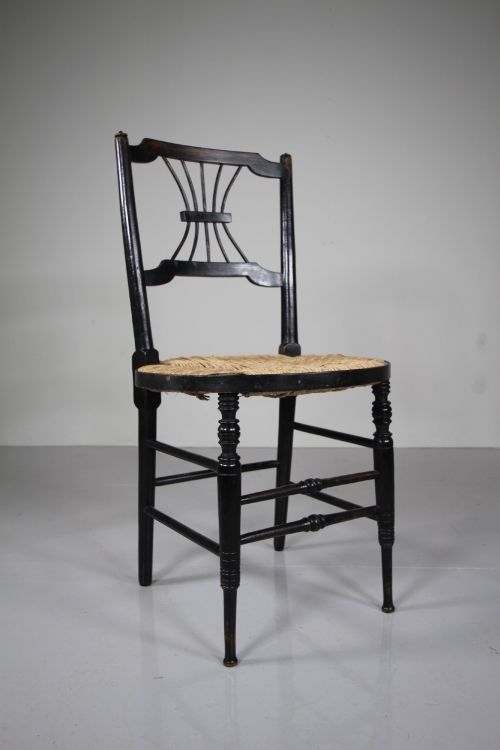
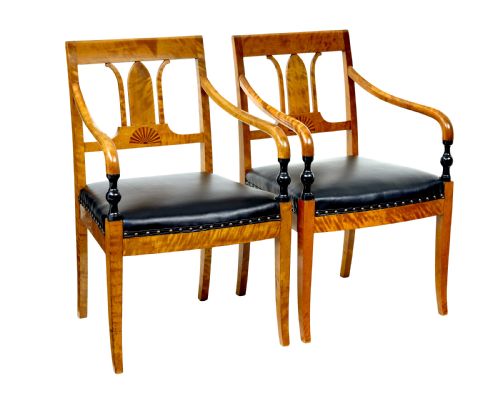
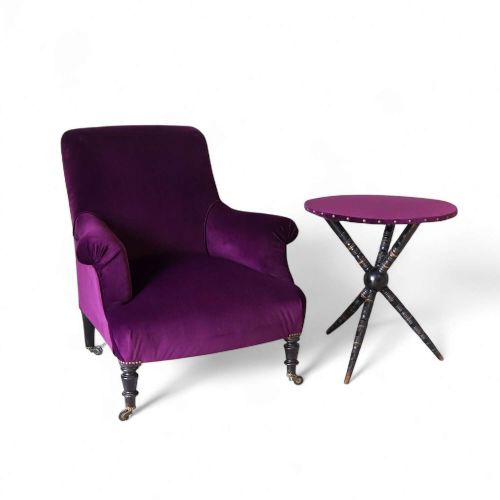
The assortment on this page spans distinct seating types rather than a single uniform shape. Examples range from low salon chairs and corner chairs to dining chairs, library chairs and bedroom chairs.
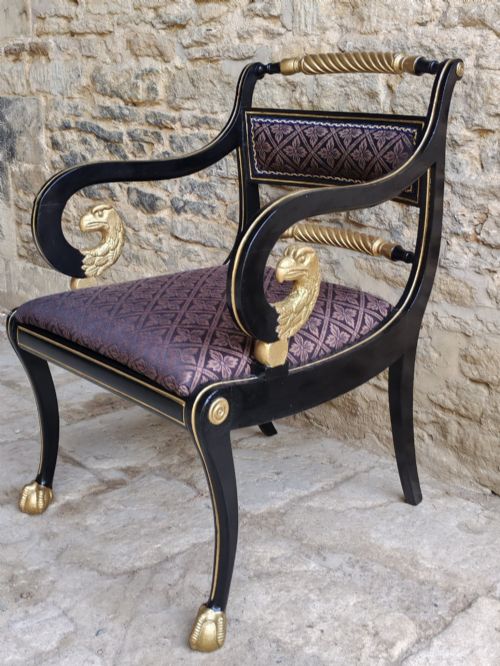
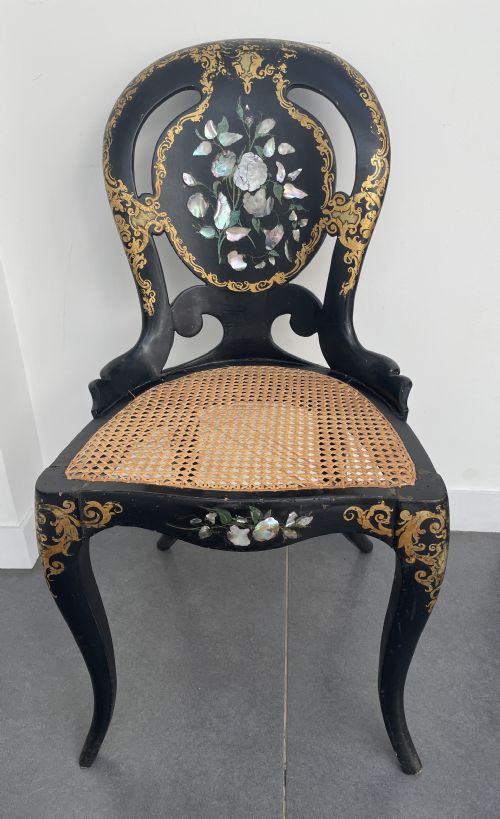
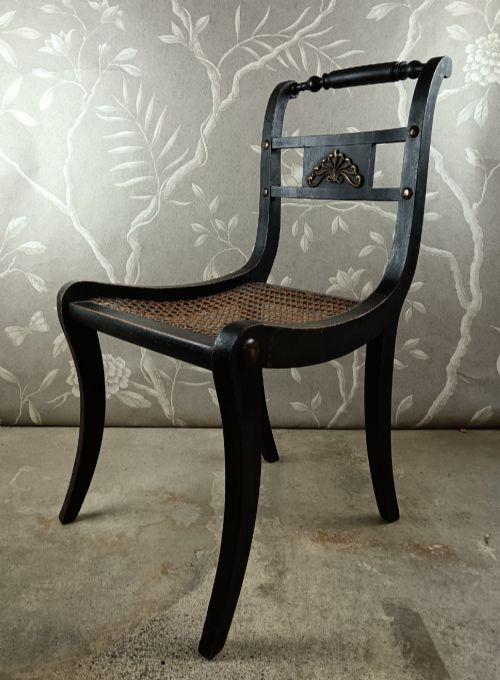
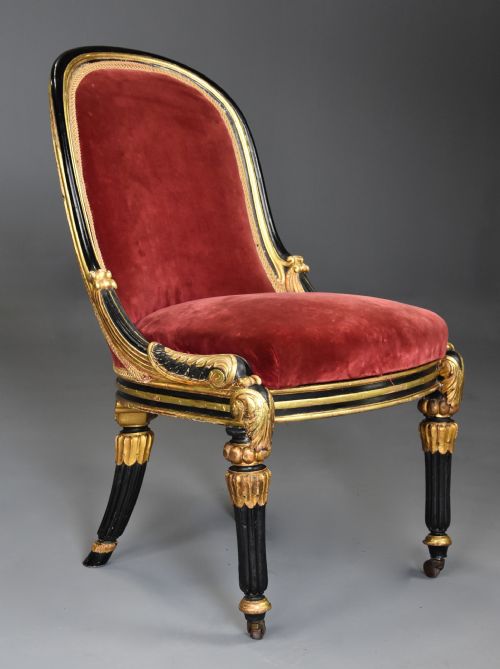
Origin points vary across the listings, showing English workshops, French craftsmanship and Scandinavian design. Pieces frequently incorporate decorative details such as gilding, mother of pearl inlay, cane seats or button upholstery in velvet, calico and fabric.
How they were made
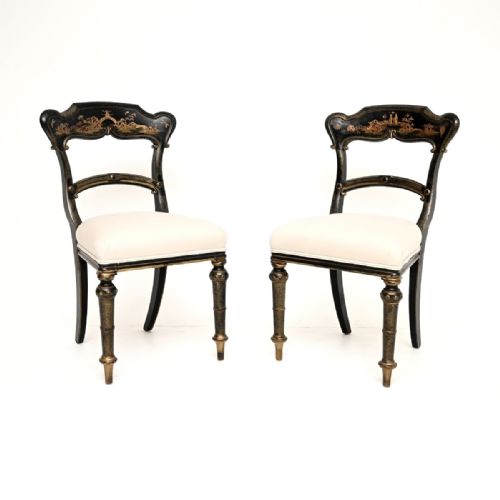
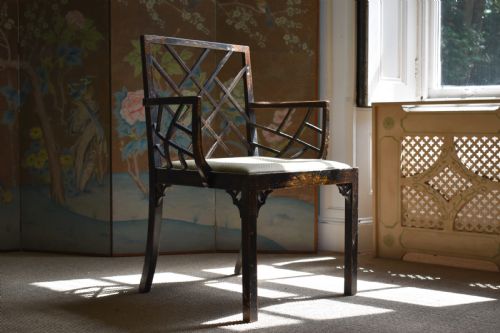
Makers achieved the distinct dark finish of an ebonised accent chair by staining woods such as beech, ash, elm or birch to mimic costly ebony. This dark surface often served as a contrasting background for fine gilt detailing, hand-painted Chinoiserie motifs or mother of pearl inlay.
Construction relied on traditional joinery methods appropriate to the period, supporting varied seating surfaces including woven cane, solid wood and sprung upholstery covered in velvet or calico. Structural elements like sabre legs, turned bobbin framing or carved woodwork defined the specific style, whether Gothic Revival, Regency or Aesthetic Movement.
Ebonised Accent Chair Retail Price Guide 2026
Typical asking prices for ebonised accent chair among the pieces listed under this phrase on Sellingantiques today, from the lower quarter to the upper quarter. They describe what is for sale here now, not the wider market.
The listings on this page span the eighteenth, nineteenth and early twentieth centuries, featuring materials such as ebonised wood, cane, velvet, birch and brass.
What varies in quality
The distinction between ordinary seating and a superior ebonised accent chair lies in the crispness of the carving and the integrity of the surface finish. Fine examples display sharply defined gilding, precise turning on bobbin legs or meticulous inlay work that remains stable within the wood.
Proportion and structural harmony separate the finer pieces from simpler utilitarian items. Original elements such as cane seats, specific upholstery techniques or documented maker attribution elevate a piece beyond standard nineteenth-century production.
William Morris·Collier and Plucknett
The Ebonised Accent Chair Glossary
- Ebonised
- Wood treated with stain or paint to simulate true ebony, producing a dense black finish popular during the nineteenth century.
- Aesthetic Movement
- A late nineteenth-century design style emphasising visual beauty over narrative content, often featuring simplified forms and Japanese-inspired motifs.
- Napoleon III
- A French design period spanning the mid-to-late nineteenth century characterised by eclectic revivals, comfort and lavish ornamentation.
- Bobbin
- Turned furniture legs or stretchers shaped to resemble a string of spools or bobbins, common in vernacular and Victorian seating.
- Cane
- Strips of rattan or plant material woven into open patterns for chair seats and backs.
Ebonised Accent Chair: Frequently Asked Questions
Where should I place an ebonised accent chair?
An ebonised accent chair works effectively in a hallway, drawing room or bedroom where its dark finish can act as a visual anchor against lighter walls. Pairing it with neutral textiles allows the silhouette and any gilt detailing to stand out clearly.
Because these chairs historically served specific domestic functions, such as low salon seating or library reading, matching the scale of the chair to the room ensures it integrates well with modern interiors.
How do I identify a Victorian ebonised chair?
Victorian ebonised chairs typically feature dense dark wood finishes combined with decorative elements like gilding, button upholstery or turned bobbin framing. Examining the secondary woods and construction methods helps confirm nineteenth-century production.
Stylistic cues such as Aesthetic Movement motifs or heavily carved frames further point toward the Victorian era, distinguishing these pieces from later twentieth-century interpretations.
Are these chairs comfortable for daily use?
Comfort varies depending on the specific form, ranging from deeply sprung library armchairs designed for extended sitting to upright salon and hall chairs meant for formal posture. Many examples feature original or restored upholstery in velvet, calico or fabric.
When living with antique seating, assessing the internal padding and frame stability ensures the chair suits your intended daily use without compromising historical integrity.