

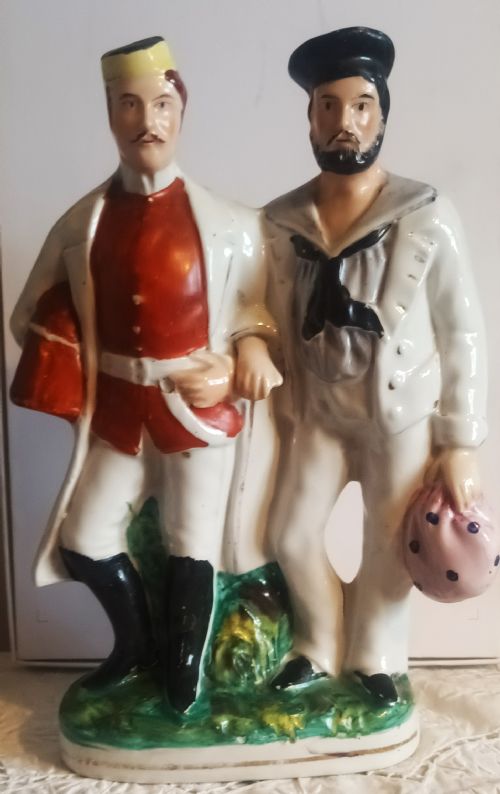
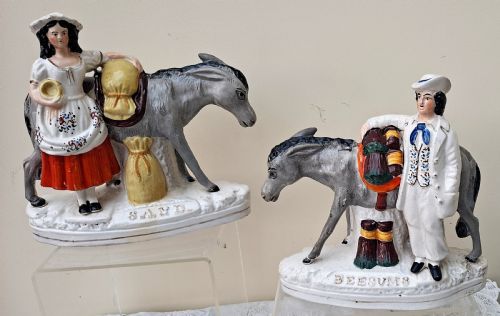

Earthenware Staffordshire Flatback Figure
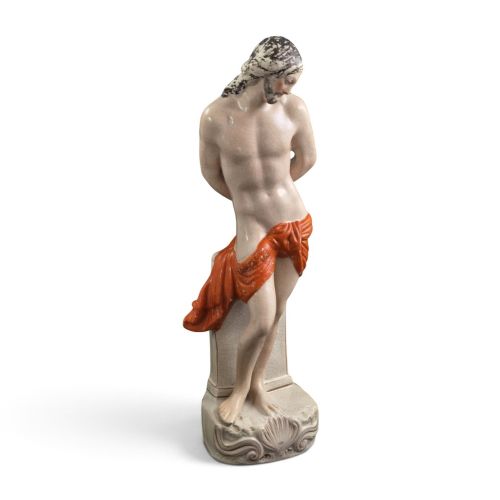
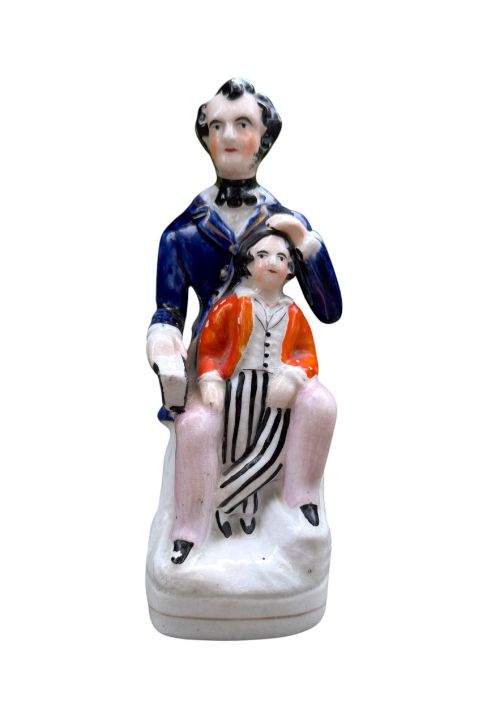
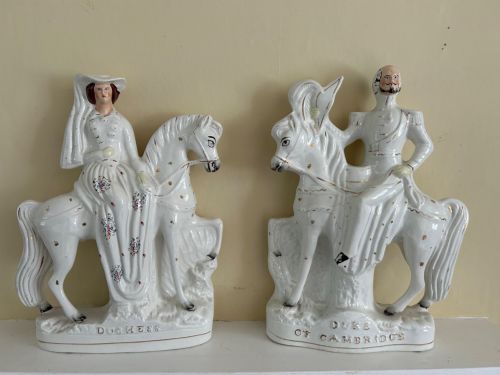
These earthenware staffordshire flatback figure examples capture nineteenth-century public taste through portraiture, animals and architecture designed for mantelpiece display.
Earthenware Staffordshire Flatback Figure
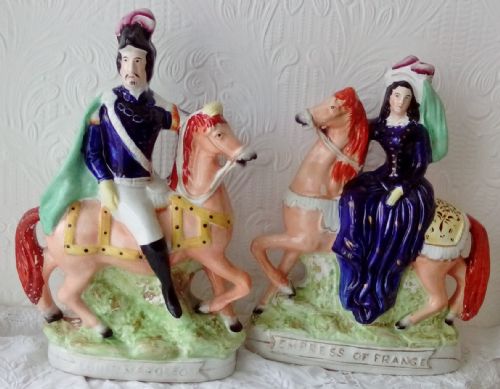
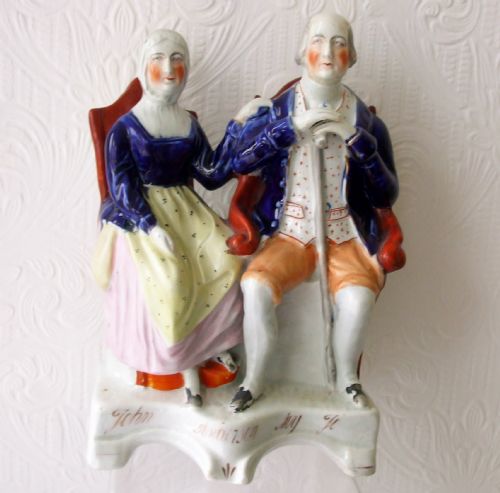
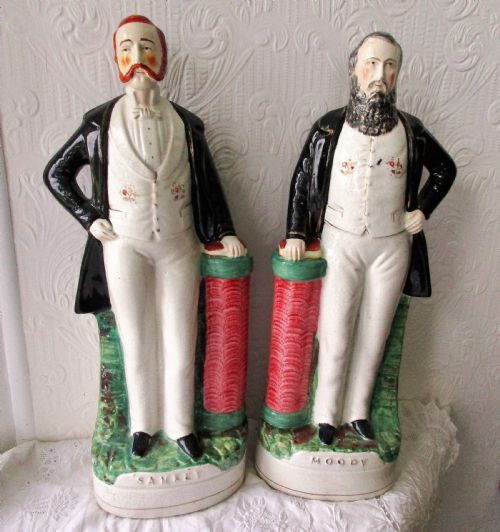
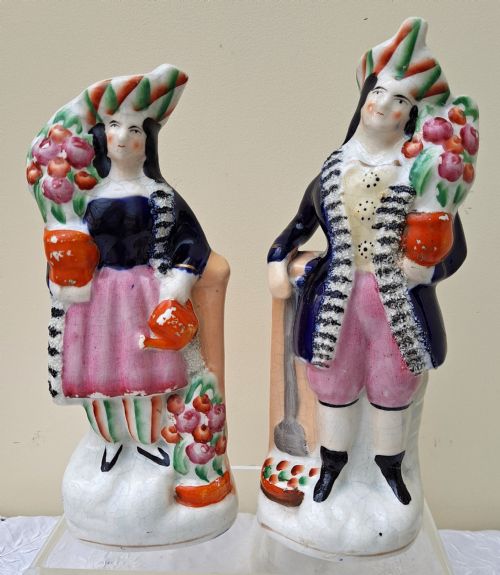
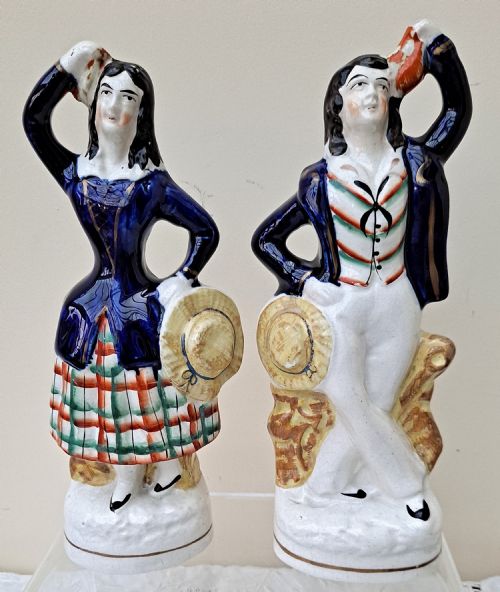
When searching for an earthenware staffordshire flatback figure, collectors encounter nineteenth-century ceramics shaped to be viewed from the front. The backs remain unglazed and flat because these ornaments stood against mantelpiece mirrors or cottage walls.
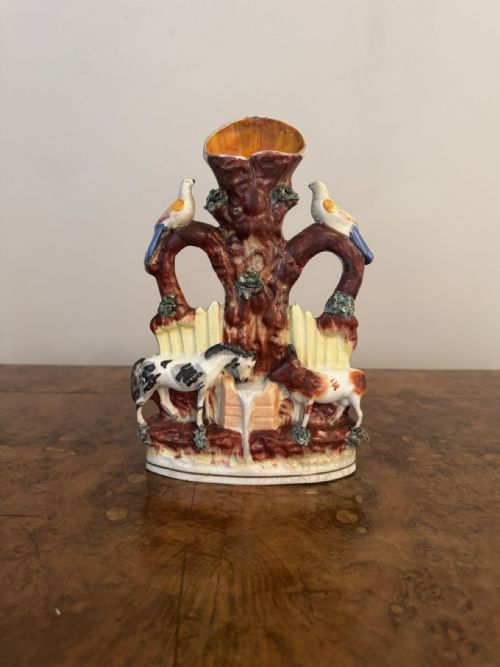
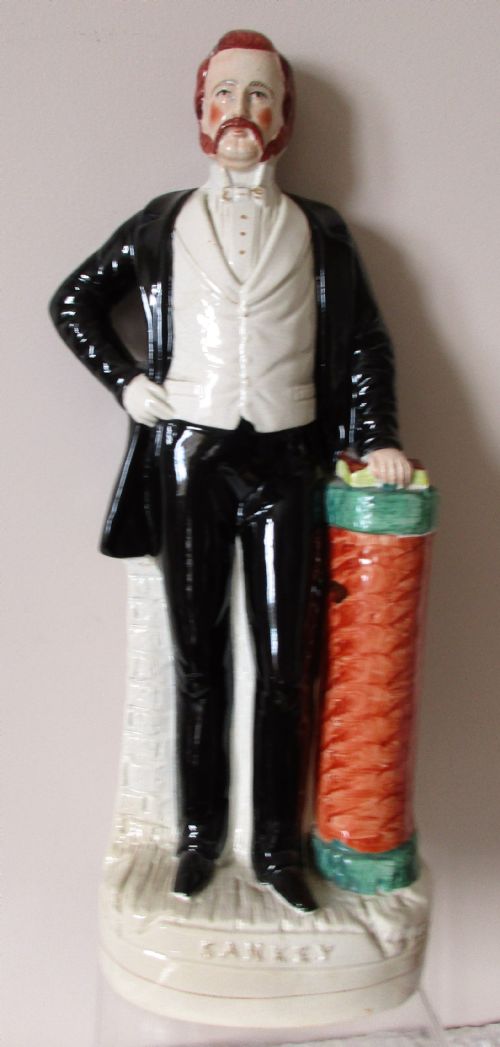
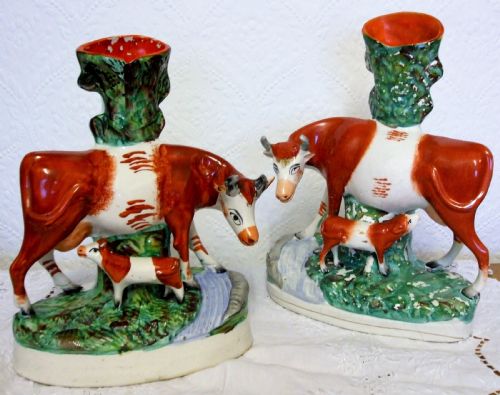
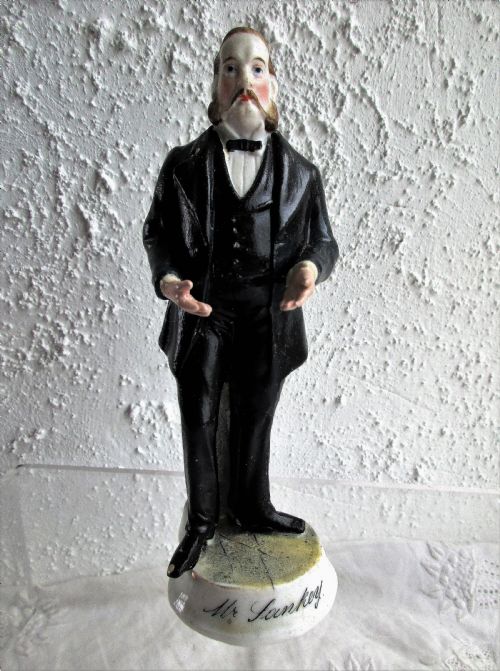
The subjects span royal portraiture, literary heroes, theatrical pairings and architectural forms such as castles and cottages. Animal studies and spill vases also appear frequently across the Victorian era.
Most items on this page originate from the nineteenth century, carrying the distinct aesthetic of Victorian folk art. They portray historical events, religious scenes and everyday rural life with direct charm.
How they were made
Potters shaped these earthenware bodies using press moulds, joining front and back sections before firing the ceramic clay. Artisans then applied lead glaze to seal the surface and provide a smooth sheen.
Workers hand-painted details using enamel paint over the glaze, often adding touches of gilt for royal subjects and military uniforms. This combination of ceramic moulding and painted enamel defined the Staffordshire output.
The inventory spans the nineteenth century, including specific dates from eighteen-forty-five to nineteen-hundred alongside general Victorian attributions.
What varies in quality
Painting skill separates standard output from finer pieces, particularly in the rendering of eyes, lips and military regalia. Crisp enamel work and careful application of cobalt blue and gilt elevate specific portrait figures above mass-produced items.
The Earthenware Staffordshire Flatback Figure Glossary
- Flatback
- A ceramic figure modelled fully on the front while the reverse is flat and largely unglazed. This construction saved materials and allowed the ornament to sit flush against a wall.
- Spill vase
- A hollow cylindrical holder incorporated into a pottery figure designed to store wooden tapers for lighting pipes or candles. These often feature animals or human figures beside the central tube.
- Lead glaze
- A glossy vitreous coating containing lead oxide applied to earthenware before firing. It creates a smooth, reflective surface that protects the painted enamel beneath.
- Enamel paint
- Coloured vitreous pigments fused to the glazed ceramic surface during a secondary low-temperature kiln firing. It provides the bright reds, blues and greens characteristic of Victorian figures.
- Earthenware
- Porous ceramic pottery fired at lower temperatures than stoneware or porcelain. It forms the standard clay body for the vast majority of nineteenth-century Staffordshire ornaments.
Earthenware Staffordshire Flatback Figure: Frequently Asked Questions
What is a flatback figure?
A flatback figure is a moulded ceramic ornament designed with a detailed front and a flat, unglazed reverse. This construction allowed the piece to sit flush against a wall or mantelpiece.
Potters produced these items in vast quantities during the nineteenth century across Staffordshire, depicting royals, animals and literary characters.
Why do some figures have tubes?
Figures featuring vertical cylinders serve as spill vases designed to hold wooden tapers. Households used these tapers to transfer flames from the hearth to candles or pipes.
The vase formed an integrated part of the ceramic composition, often flanked by animals, couples or architectural elements.
How do I date these figures?
Dating relies on historical subjects, costume details and the stylistic conventions of the nineteenth century. Events like the Crimean War or royal weddings provide precise after-dates for commemorative pieces.
The presence of Victorian registration marks or specific ceramic bodies further helps narrow the period of manufacture.
Where were these figures displayed?
Victorian households placed these ceramic ornaments on mantelpieces, sideboard tops and cottage shelves. Their flat backs made them ideal for narrow surfaces where depth was limited.
They brought colour and cultural reference into domestic interiors during the nineteenth century.