
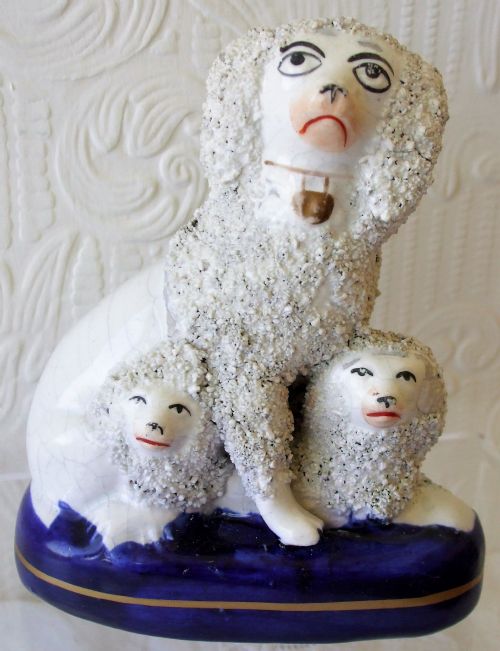

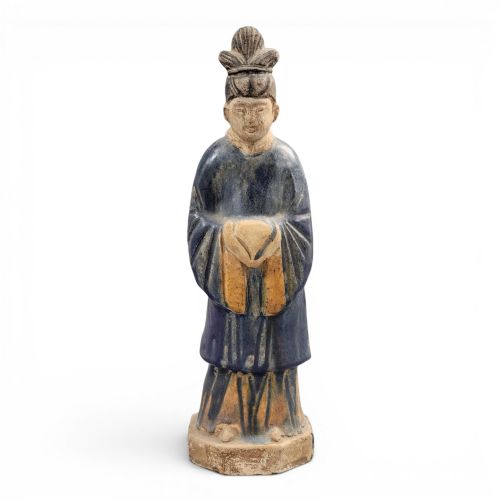


Cobalt Blue Ceramic Figure
These cobalt blue ceramic figure examples bring together Staffordshire potters, continental porcelain makers, and Asian kilns in varied nineteenth-century expressions.
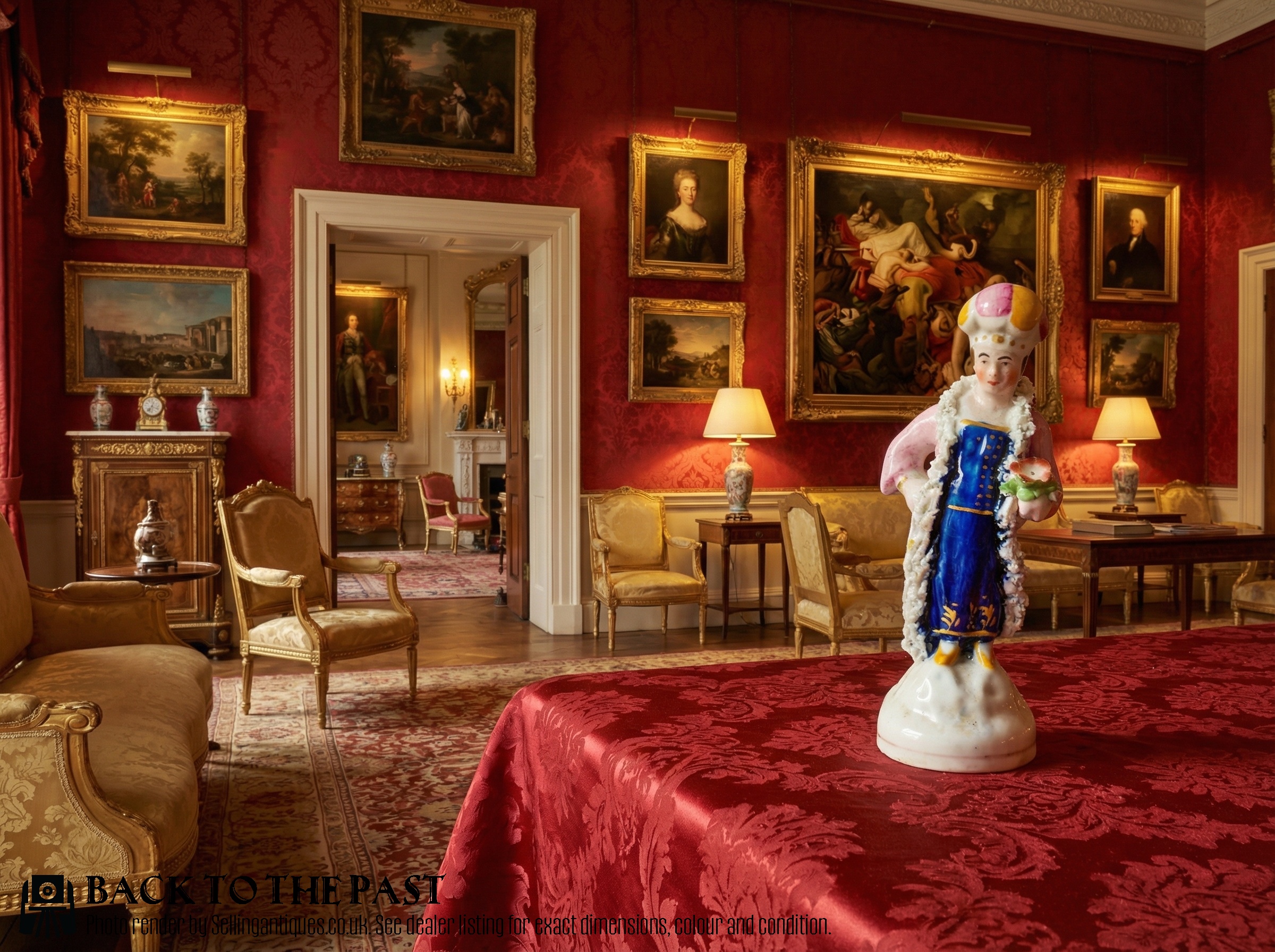
Cobalt Blue Ceramic Figure
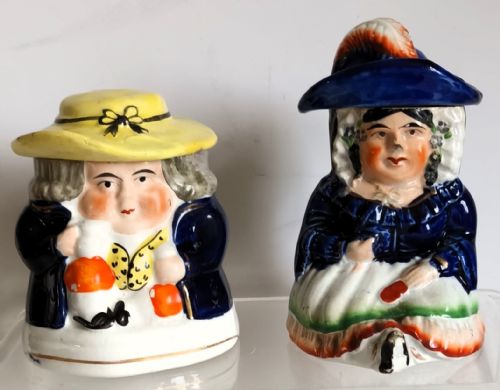
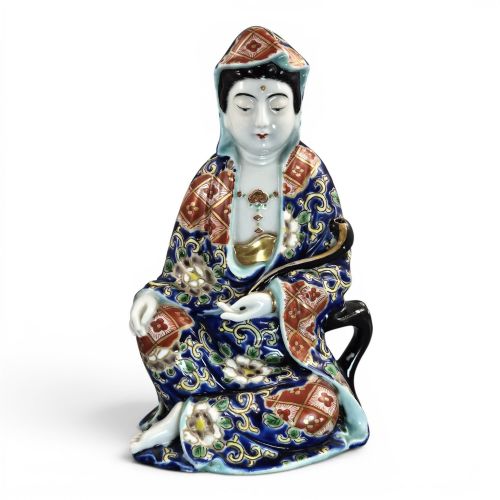
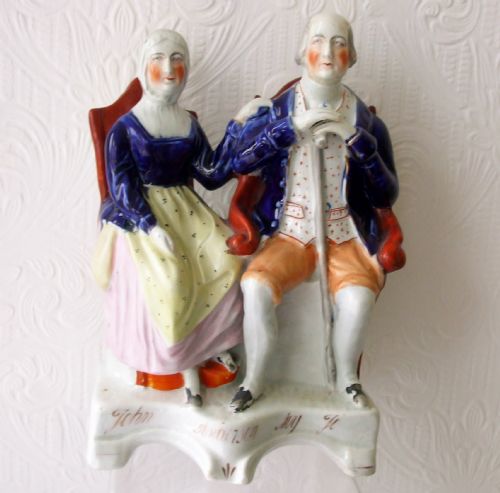
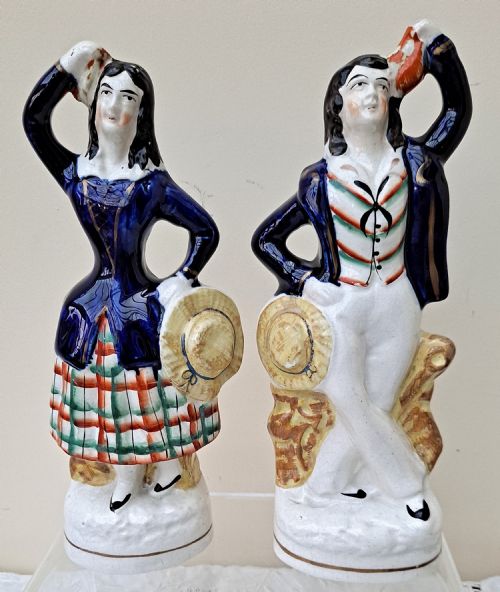
A cobalt blue ceramic figure encompasses Staffordshire earthenware portrait groups, continental porcelain figurines, and Japanese ceramic figures decorated with rich blue pigments and glazes. When searching for a cobalt blue ceramic figure, buyers encounter nineteenth-century Staffordshire pottery depicting royalty, literary characters, and animals alongside Asian and European porcelain works.
The selection ranges from Staffordshire flatbacks and quill holders to Derby-style porcelain figures and Japanese Satsuma or Kutani pieces featuring deep blue grounds. These objects reflect diverse cultural traditions spanning Victorian England, the Meiji period, and the Qing dynasty.
Staffordshire pottery figures of poodles, dogs, and historical figures dominate the domestic earthenware items, while imported porcelain pieces introduce court figures, deities, and classical subjects. Each variation demonstrates how nineteenth-century makers utilised cobalt oxides and enamels to accent modelled clay forms.
Materials and production techniques
Makers shaped these pieces using earthenware, porcelain, and stoneware bodies, applying lead glazes, enamel colours, and cobalt pigments before firing. Many Staffordshire figures received underglaze blue colouration and hand-painted gilt or enamel details over a white slip.
Japanese and Chinese works combined cobalt blue grounds with raised moriage decoration or underglaze blue painting beneath clear gloss finishes. European porcelain equivalents utilised hard-paste porcelain bodies finished with gilding and cobalt enamel highlights.
Object forms include decorative figurines, inkwells, tobacco jars, garniture vases, and quill holders from English and Asian traditions.
Assessing quality in ceramic figures
The preservation of original gold leaf, minimal kiln-graft distortion, and clean application of lead glaze separate superior examples from routine production ware.
Samson Paris·Wedgwood·Kinkozan Kyoto·Arita
The Cobalt Blue Ceramic Figure Glossary
- Cobalt blue
- A deep blue pigment derived from cobalt salts used beneath or within ceramic glazes. It remains stable at high kiln temperatures.
- Flatback
- A Staffordshire figure modelled with a finished front and a flat, unpainted reverse intended for placement against a wall or mantelpiece.
- Moriage
- A Japanese ceramic decorating technique using slip trailed from a pastry bag to create raised ornamental patterns beneath or over glazes.
- Staffordshire pottery
- Earthenware produced by numerous potteries in the English Midlands region during the nineteenth century, known for utilitarian and decorative figures.
- Spill vase
- A hollow ceramic figure incorporating a cylindrical holder designed to store wooden spills used for lighting candles or fires.
Cobalt Blue Ceramic Figure: Frequently Asked Questions
What periods do these figures date from?
The listings span the nineteenth century, encompassing Victorian English production, Edwardian pieces, and earlier Asian periods such as the Qing dynasty and Tang dynasty.
Most pieces cluster around the mid-to-late nineteenth century, reflecting Victorian Staffordshire pottery alongside Meiji period Japanese ceramics.
How were Staffordshire figures displayed?
Staffordshire figures with flat backs sat on mantelpieces or shelves inside nineteenth-century homes, serving as decorative ornaments or practical objects.
Many examples doubled as inkwells, quill holders, or spill vases, combining decorative display with utility on writing desks.
How do you distinguish English pottery from Asian porcelain?
English pieces generally utilise earthenware bodies with hand-painted enamel colours and lead glazes, typical of nineteenth-century Staffordshire works.
Asian ceramics frequently employ porcelain or fine stoneware bodies featuring underglaze blue decoration, cobalt grounds, or intricate moriage relief work.
What subjects do these ceramic figures portray?
The subjects range widely across cultures, depicting British royalty, literary characters, theatrical personalities, and domestic animals like poodles and greyhounds.
Asian figures include court attendants, historical personages, and traditional deities rendered in porcelain, earthenware, or Satsuma pottery.