


Earthenware Ceramic Figure
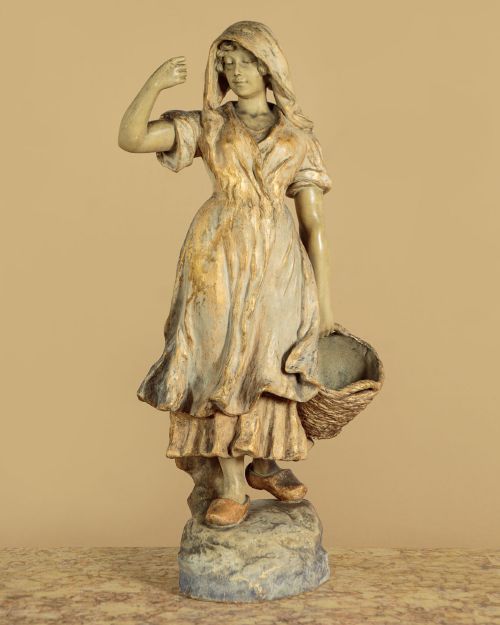
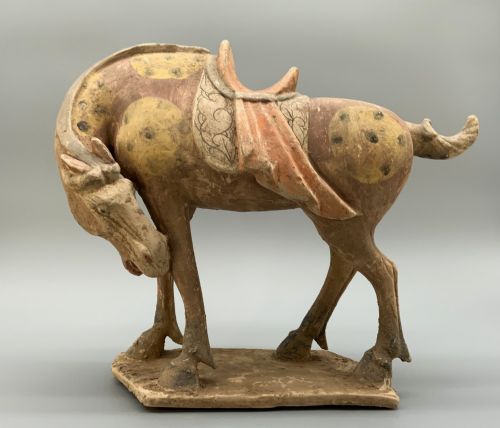
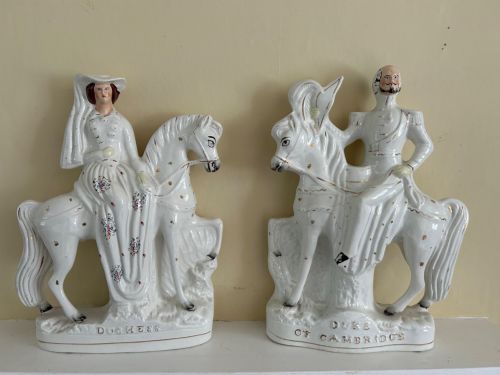
An earthenware ceramic figure brings character and history into a room, spanning Victorian Staffordshire dogs, Tang Dynasty horses and French earthenware figurines.
Earthenware Ceramic Figure
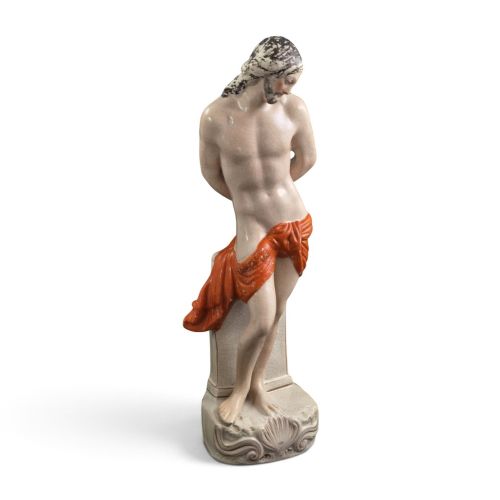
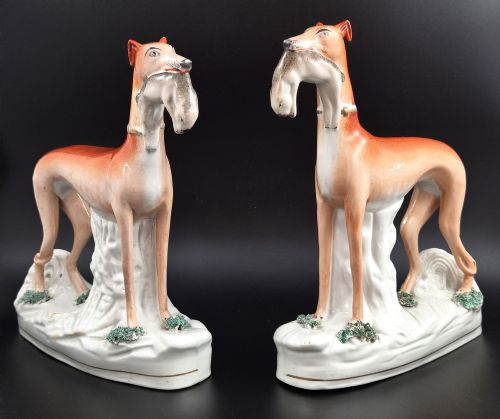
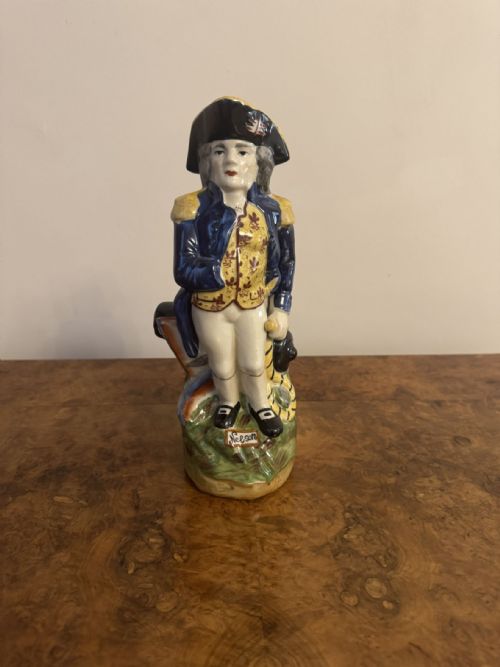
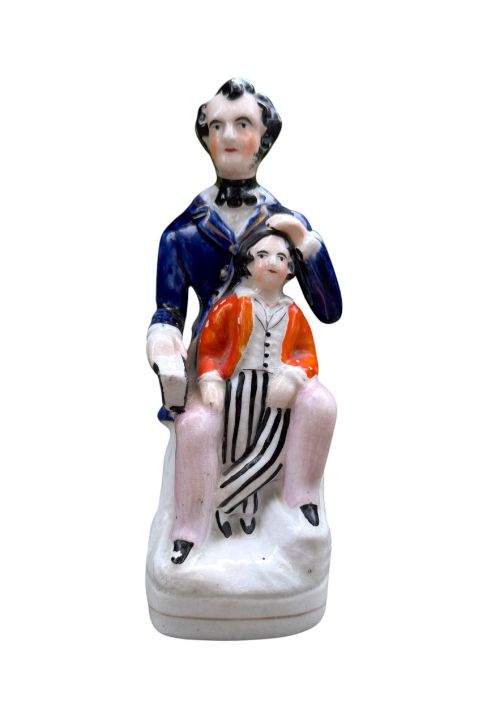
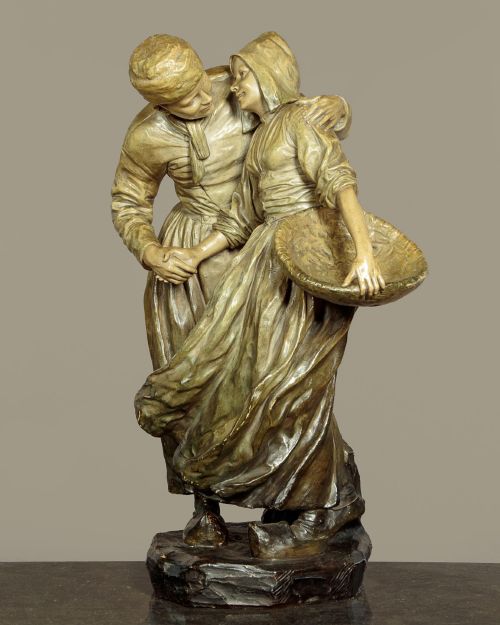
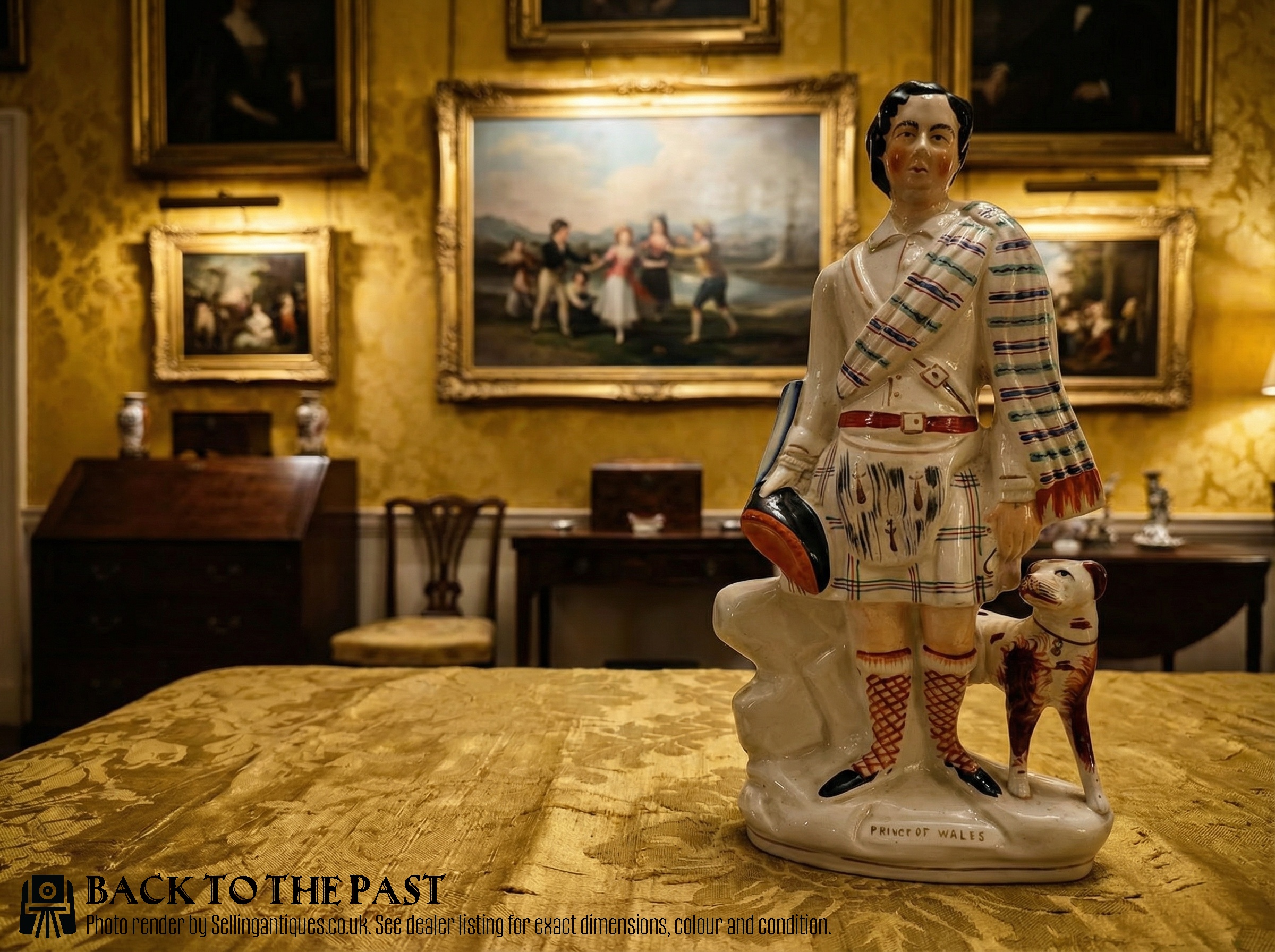
An earthenware ceramic figure encompasses a diverse range of modelled works, including sculptural representations of people, animals, and mythical subjects. Buyers searching for an earthenware ceramic figure frequently encounter Staffordshire flatback portrait figures, Toby jugs, and animal pairs from the nineteenth century alongside continental terracotta and French earthenware pieces.
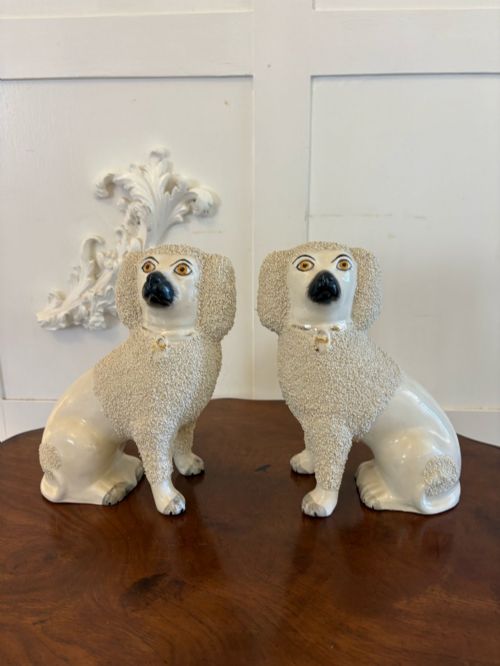
The selection spans periods from pre-sixteenth century Tang Dynasty works to Victorian pieces and twentieth-century studio pottery. Animal pairs such as spaniels, greyhounds, poodles, and leopards appear frequently, as do theatrical subjects, literary characters, and historical figures.
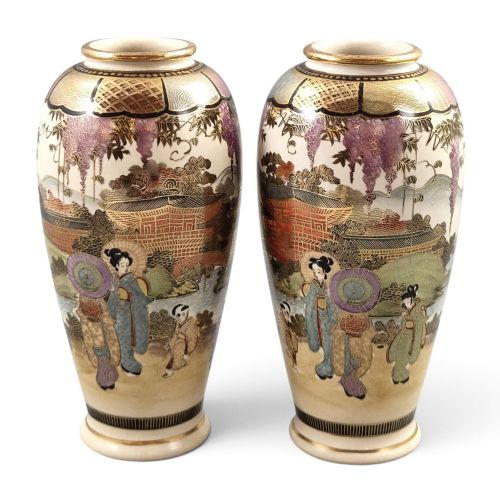
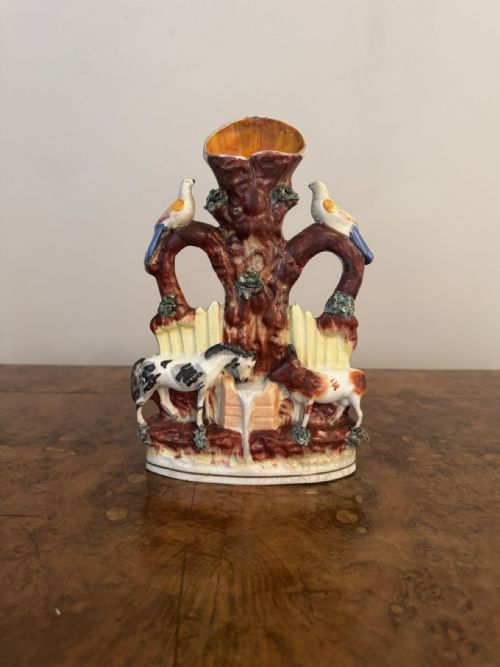
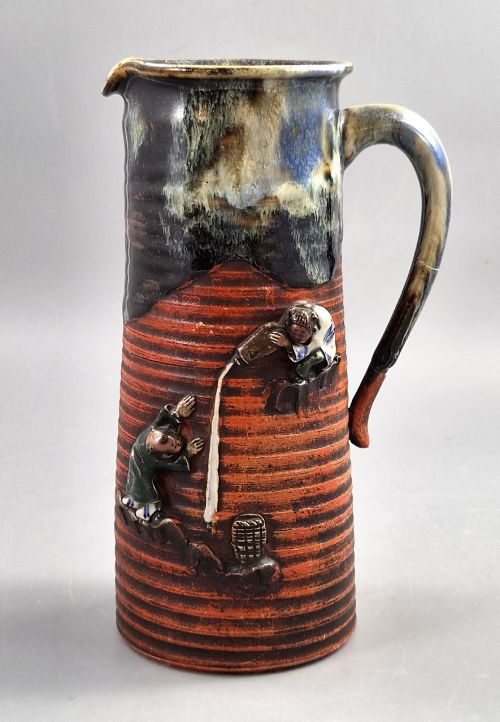
Forms extend beyond standalone figurines to incorporate spill vases, tobacco jars, and pitchers modelled with figural scenes. English Staffordshire and Japanese Satsuma or Sumida Gawa ceramics sit alongside French faience and Dutch Delftware within the available scope.
How they were made
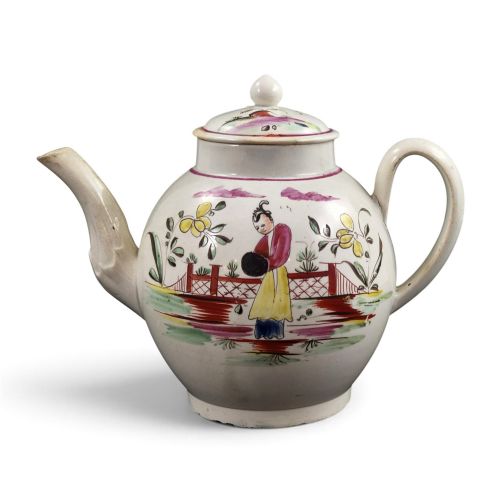
Makers shaped these objects using earthenware, terracotta, pearlware, and creamware as the primary ceramic body. Pieces were formed through moulding, pressing, or hand sculpting before receiving application of lead glazes, enamels, and occasionally gold leaf.
Colour decoration was applied either under the glaze or painted over it in enamels, followed by a secondary kiln firing to fix the pigments. Bases were often left unglazed or finished with ebonised supports, depending on the period and studio origin.
Earthenware Ceramic Figure Retail Price Guide 2026
Typical asking prices for earthenware ceramic figure among the pieces listed under this phrase on Sellingantiques today, from the lower quarter to the upper quarter. They describe what is for sale here now, not the wider market.
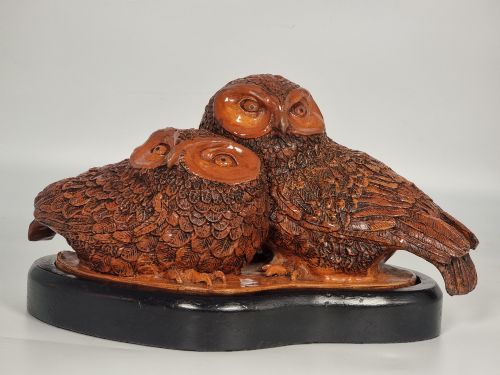
Among the menagerie of earthenware poodles, lions, and cows, a pair of pottery owls holds court from an ebonised base.
What varies in quality
The sophistication of the glaze application and the preservation of the original surface pigments distinguish standard production pieces from more accomplished studio or portrait works.
Goldscheider·Shozan·Sumida Gawa·Inoue Ryōsai·Charles Vyse
The Earthenware Ceramic Figure Glossary
- Earthenware
- A porous pottery body fired at lower temperatures than stoneware or porcelain. It requires a glaze to become impermeable to liquids.
- Pearlware
- A refined earthenware developed in the eighteenth century with a slightly bluish glaze that pooled in recesses to mimic Chinese export porcelain.
- Flatback
- A Staffordshire figure modelled with a finished front and a flat, unpainted reverse designed to stand against a wall on a mantelpiece.
- Spill vase
- A hollow ceramic figure incorporating an attached cylindrical holder intended to contain wooden spills used for lighting pipes and candles.
Earthenware Ceramic Figure: Frequently Asked Questions
What is an earthenware ceramic figure?
An earthenware ceramic figure is a modelled pottery sculpture created from porous clay, fired, and finished with glazes or enamels. These objects range from utilitarian Toby jugs to decorative animals and commemorative portrait figures.
They serve as historical records of popular culture, literature, and domestic life, capturing subjects from Victorian political figures to exotic animals and theatrical characters.
How were nineteenth century Staffordshire figures displayed?
Nineteenth-century Staffordshire figures were primarily designed as mantelpiece ornaments. Their flat backs allowed them to sit flush against the wall on shelves or fireplace surrounds.
Pairs of animals, such as spaniels or greyhounds, were placed symmetrically on either side of a clock or centrepiece to decorate Victorian parlours.
How do you tell periods apart?
Distinguishing periods relies on observing clay bodies, glaze characteristics, and painting styles. Earlier pieces often utilise creamware or pearlware bodies with subtle glaze pooling.
Victorian figures exhibit distinct transfer-printed outlines and vibrant enamel colours, while twentieth-century studio pottery shows individual hand-sculpted textures and matte finishes.
What is the difference between earthenware and porcelain?
Earthenware is made from coarse clay fired at lower temperatures, remaining porous until glazed. Porcelain uses fine kaolin clay fired at extremely high temperatures until vitrified.
Figures made from earthenware tend to have thicker walls, opaque bodies, and softer details compared to the hard, translucent quality of porcelain.
How should I care for ceramic figures?
Ceramic figures require gentle dusting with a soft, dry brush to prevent the accumulation of dirt on painted surfaces and unglazed areas. Avoid using water or cleaning solutions, as historic glazes and enamels can be sensitive to moisture.
Keep pieces away from direct sunlight and areas prone to rapid temperature changes to protect the ceramic body and surface pigments.