
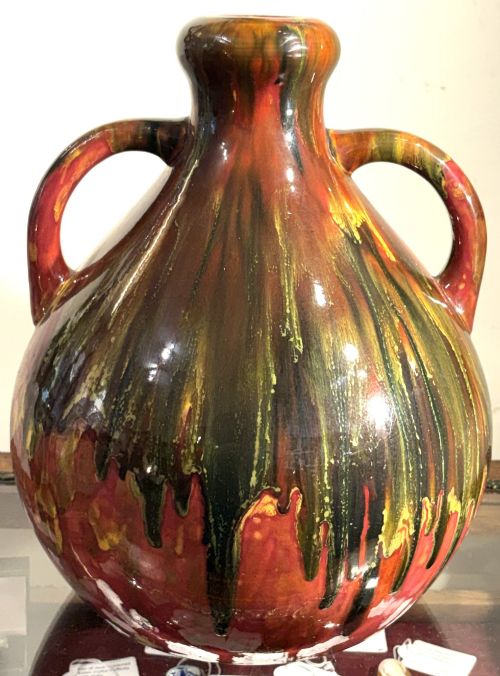
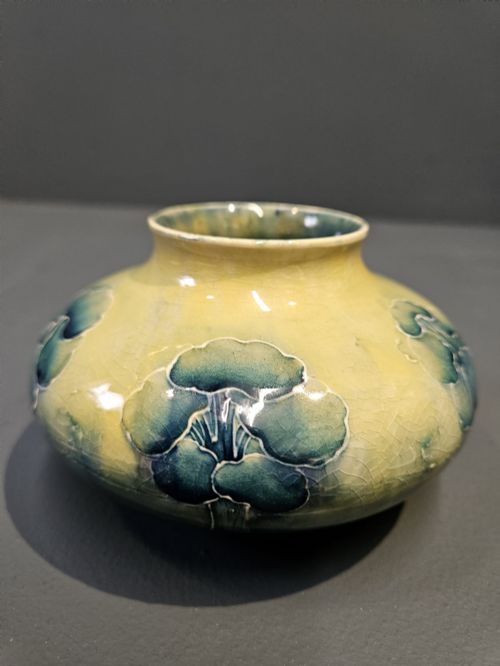
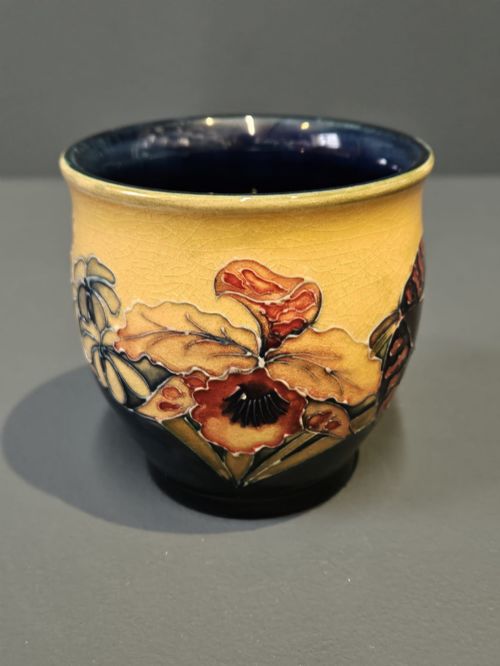
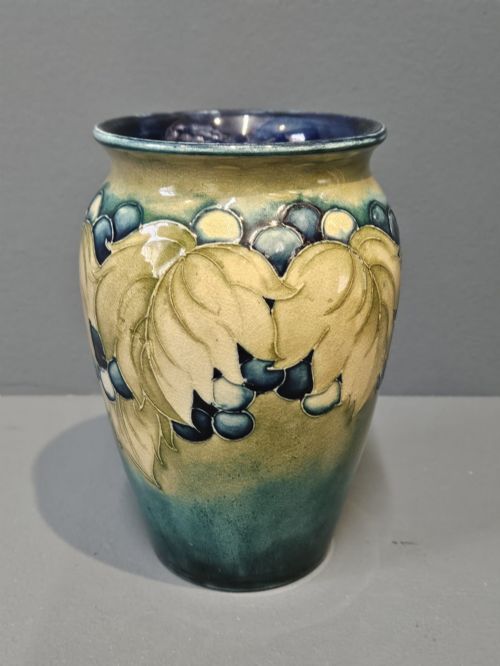


Earthenware Art Pottery Vase
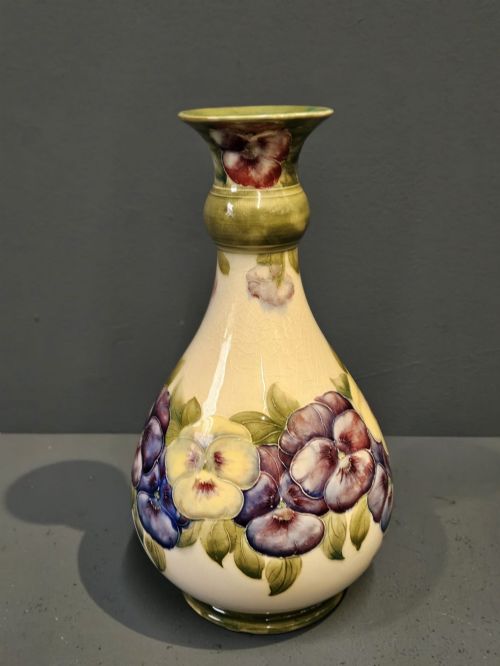
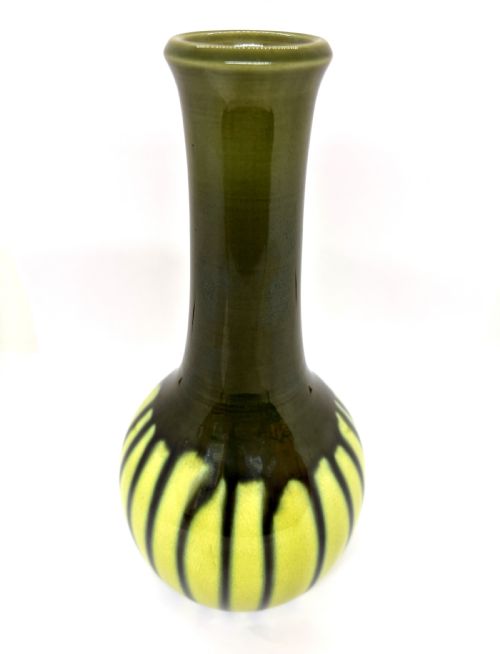
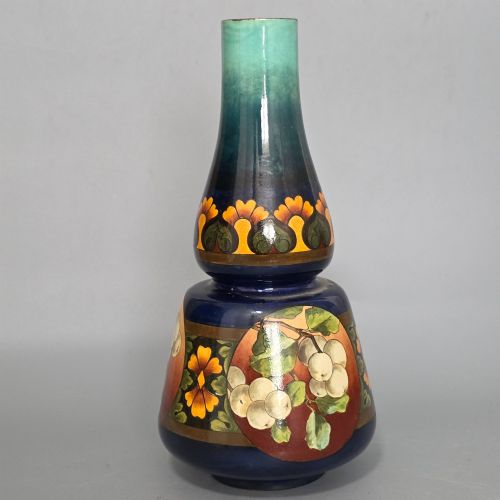
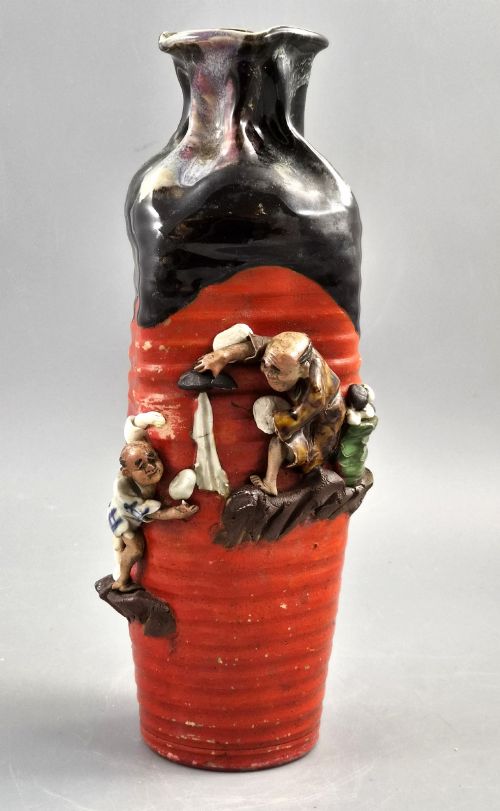
When you search for an earthenware art pottery vase, you are looking at ceramic vessels shaped by hand and wheel across the late nineteenth and early twentieth centuries.
Earthenware Art Pottery Vase
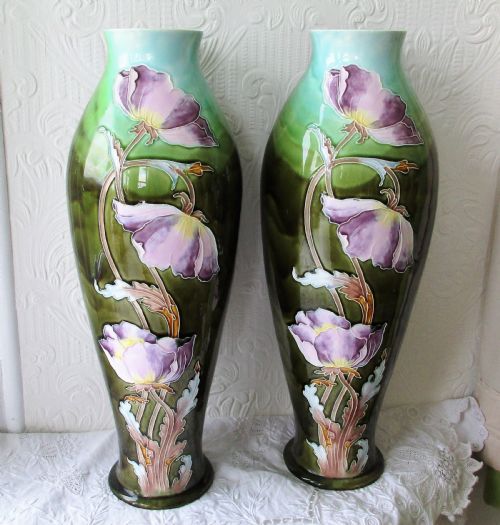
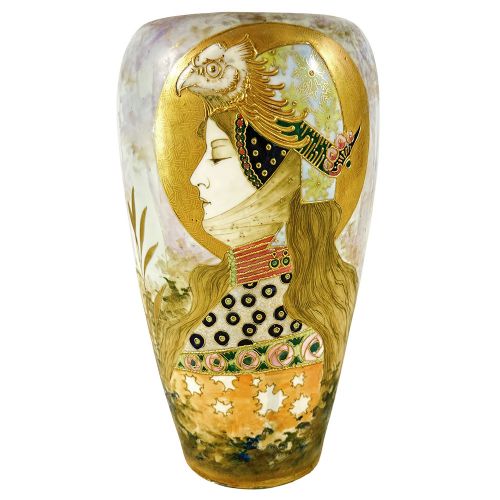
An earthenware art pottery vase represents a major shift from industrial manufacture towards individual studio expression, emerging strongly during the Victorian and Edwardian periods. Pieces range from tall monumental vessels to small cabinet items, often adopting organic silhouettes influenced by the Arts and Crafts movement and Art Nouveau. Examples frequently incorporate stylistic elements from Japanese Meiji period ceramics alongside traditional British and European forms.
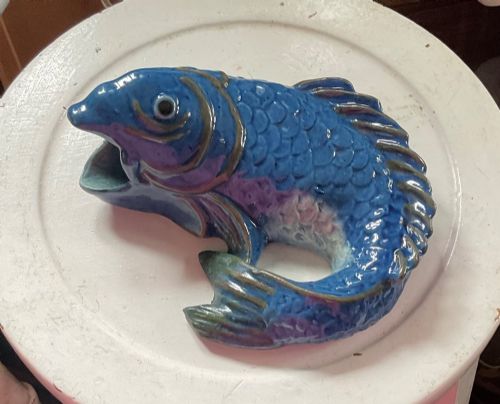
The selection here encompasses diverse regional workshops and prominent commercial potteries spanning from the 1880s into the 1930s. Alongside British makers, the inventory includes French, German, Austrian, and Japanese ceramic art spanning the Art Deco era and earlier. Forms extend beyond standard vessels to include wall pockets, jardinieres, and decorative jugs.
How they were made
Makers shaped these vessels using earthenware and stoneware clays, frequently finishing surfaces with intricate glazed earthenware, enamel, and occasionally gold leaf. Artisans applied hand-painted pigments and slip decoration directly onto the clay body before firing.
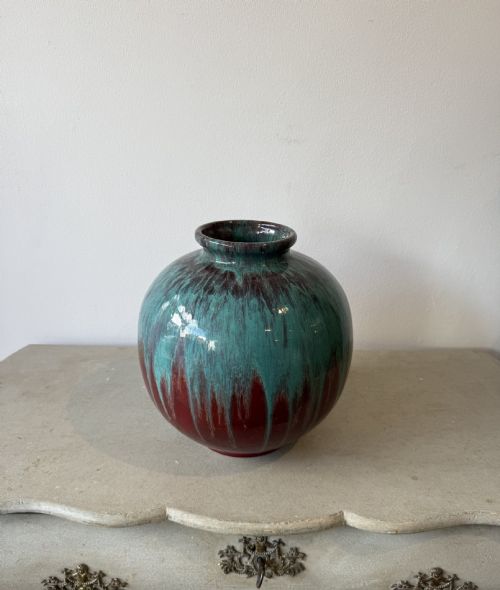
Techniques varied from slip-cast production in larger commercial potteries to thrown studio pieces requiring specialised kiln firing. Glaze formulations such as flowing crystalline or matte surfaces defined the aesthetic output of workshops during the transition from the nineteenth century into the twentieth.
Some Victorian households crammed so many decorative vases onto every available shelf that dusting required the patience of a saint.
What varies in quality
The sophistication of the glaze chemistry and the precision of the hand-painted decoration largely determine the standard of an earthenware art pottery vase. Pieces featuring complex multi-layered glazes or detailed hand-executed motifs by named designers demonstrate greater artistic ambition than standard factory output.
Execution of form and the depth of relief work also separate standard production from exceptional examples. Potteries achieved finer results when throwing taller or more challenging profiles with stable walls and balanced proportions.
Moorcroft·Burmantofts·Doulton Lambeth·Wileman·Minton·Poole Pottery·Pilkingtons Royal Lancastrian
The Earthenware Art Pottery Vase Glossary
- Earthenware
- A porous pottery body fired at lower temperatures than stoneware or porcelain, requiring a glaze to achieve watertightness. It serves as the primary substrate for much late nineteenth and twentieth-century decorative ceramics.
- Faience
- Tin-glazed earthenware, often richly coloured and decorated with opaque pigments. The technique appears across various European pottery traditions represented in the listings.
- Slip
- Liquid clay mixed to the consistency of cream, used for surface decoration, trailing, or casting shapes in moulds. Artisans manipulated slip to create raised patterns and textures on vessel walls.
- Art Nouveau
- An international design style characterised by flowing, asymmetrical lines derived from natural plant and floral forms. It heavily influenced ceramic ornamentation from the 1890s through the Edwardian era.
- Secessionist
- A Central European stylistic movement emphasising geometric abstraction and clean lines in opposition to historicism. It produced bold, stylized floral and abstract patterns on ceramic bodies.
Earthenware Art Pottery Vase: Frequently Asked Questions
How do I clean my art pottery vase?
Dust gently with a dry, soft cloth to preserve delicate painted surfaces and historic glazes. Avoid submerging older earthenware in water, as porous clay bodies can absorb moisture through unglazed areas.
Keep pieces away from direct sunlight and damp environments to protect enamel decoration and prevent crazing in the glaze. Handle vessels by the body rather than narrow rims or applied handles.
Were these vases meant for flowers?
Many examples were produced as purely decorative display objects rather than functional containers for water and stems. Wall pockets and monumental floor vases served strictly to ornament interior spaces.
When historical vessels do hold water, liners are often recommended to protect the interior porous clay from mineral deposits. Examining the interior can reveal whether a piece saw practical use.
How do I date an art pottery piece?
Look for impressed factory marks, painted artist monograms, and registration numbers stamped into the unglazed base. Reference books and manufacturer archives help match these ciphers to specific production years.
Stylistic indicators such as flowing Art Nouveau motifs or geometric Art Deco forms provide broad chronological brackets. Comparing the clay body and glaze type against known workshop timelines narrows the date further.
What is the difference between earthenware and stoneware?
Earthenware is fired at lower temperatures, leaving the ceramic body porous and opaque unless sealed with glaze. Stoneware utilises higher firing temperatures that vitrify the clay, rendering it completely non-porous and exceptionally durable.
Art pottery encompasses both bodies, though earthenware allowed for brighter, more absorbent colour palettes during the nineteenth century. Stoneware pieces often feature heavier, utilitarian origins or dense salt-glazed surfaces.