


Early Georgian Cabinet
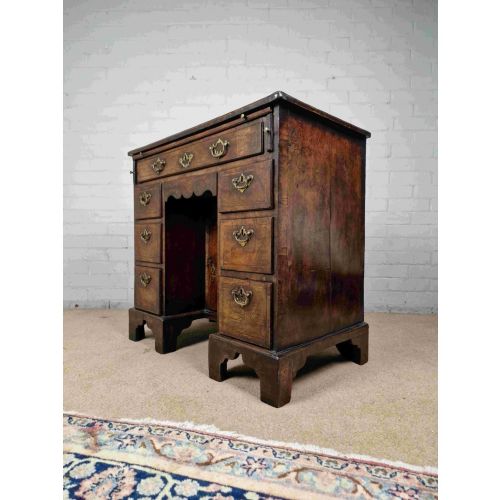
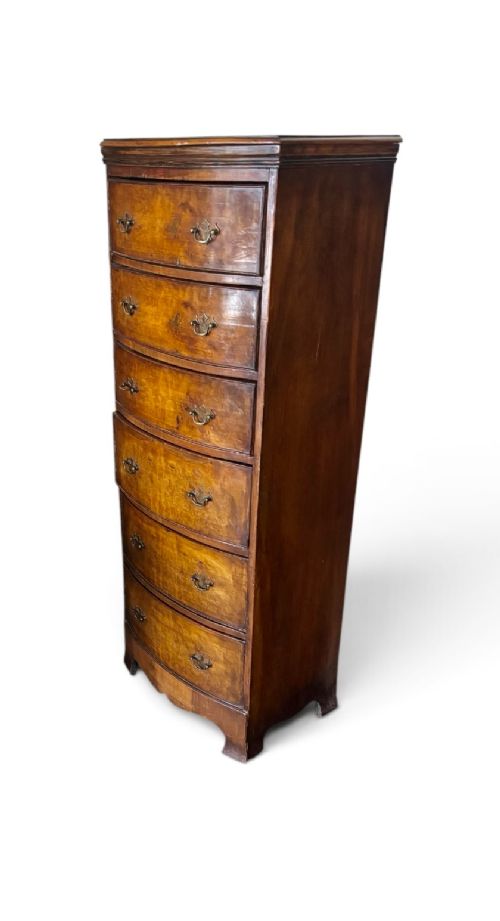
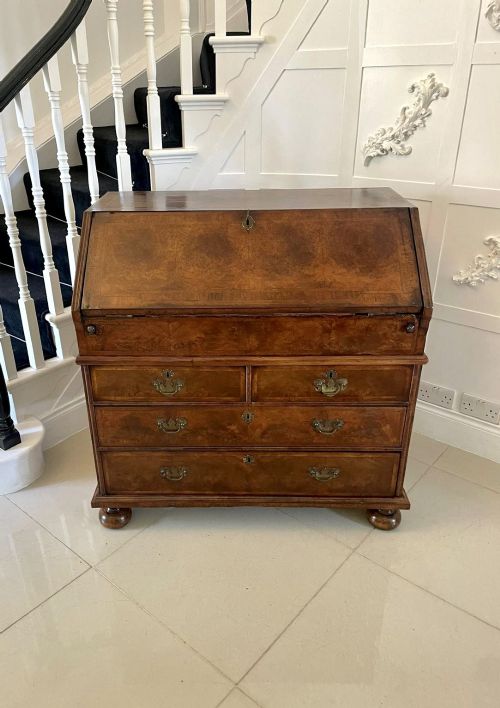
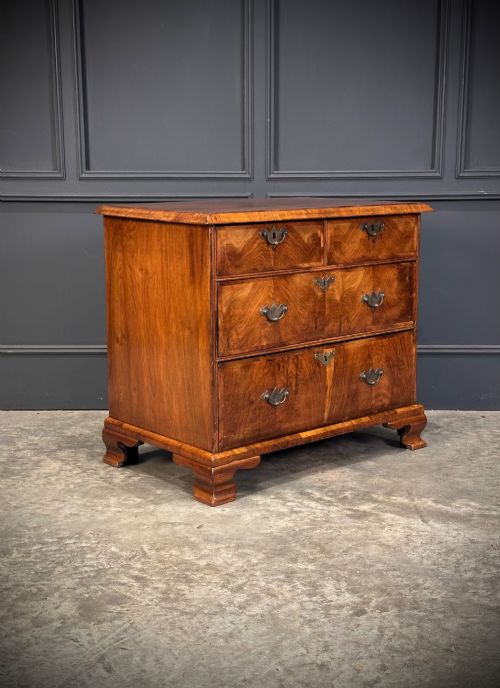
An early georgian cabinet offers architectural walnut and oak surfaces shaped by craftsmen who valued timber grain above all else.
Early Georgian Cabinet
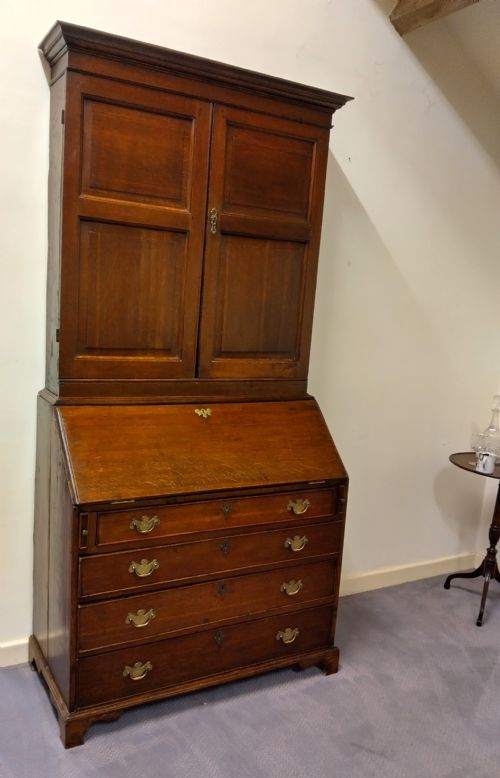
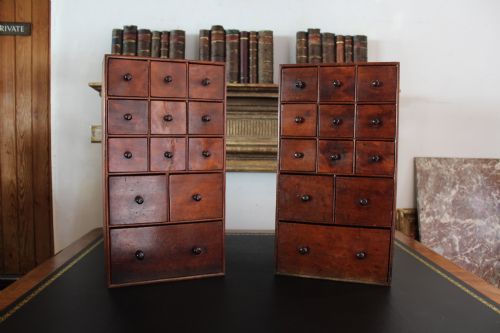
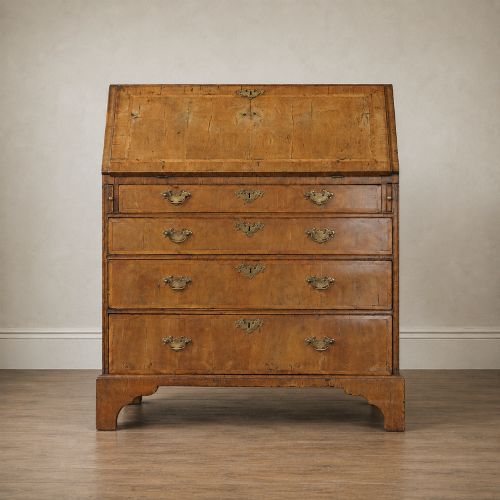
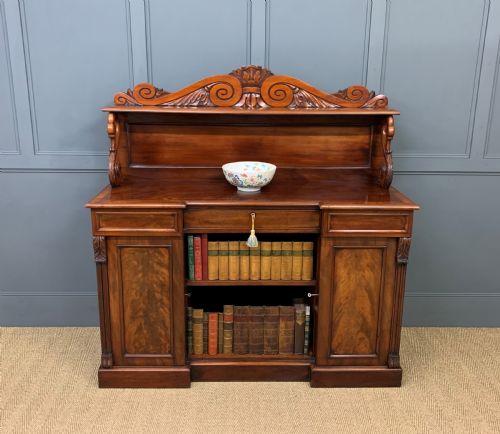
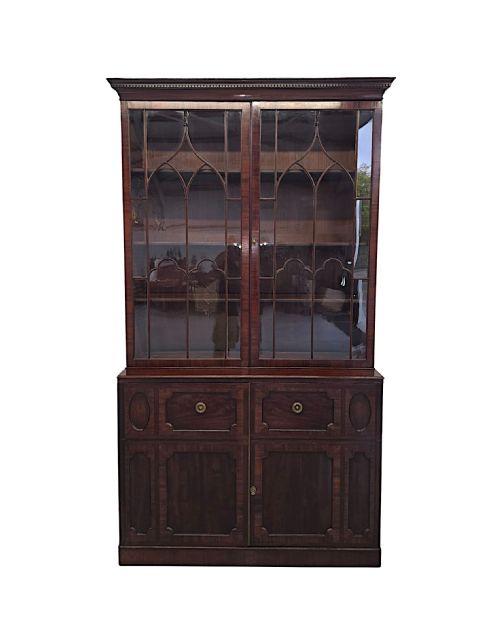
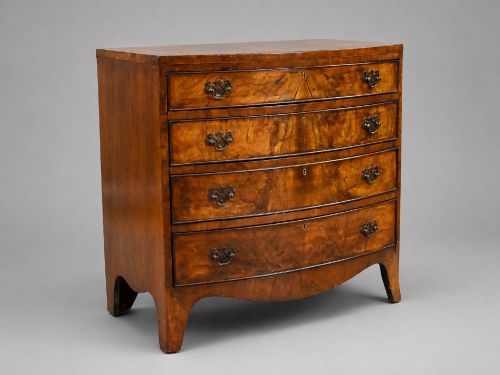
An early georgian cabinet encompasses a range of storage forms, including bureau bookcases, chests on stand, spice cupboards and corner cupboards originating from the 18th century and periods spanning George I and George II.
Buyers seeking an early georgian cabinet will encounter walnut and oak as the predominant woods, often showing figured grain or herringbone inlay.
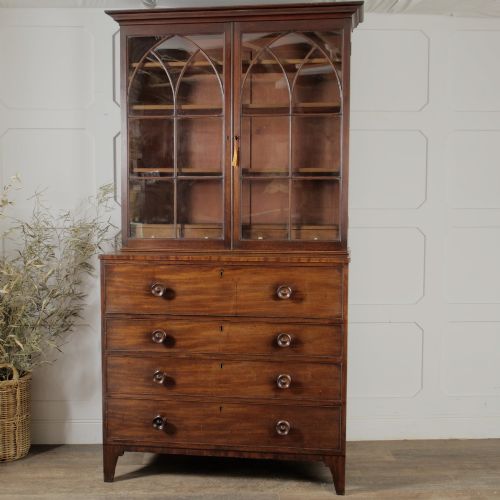
The selection ranges from tall bureau bookcases with glazed upper sections to small spice cupboards and corner cabinets designed for hanging or tabletop use.
How they were made
Joiners and cabinet makers constructed these pieces primarily in solid oak and walnut, frequently applying burr walnut veneers and herringbone banding to prominent surfaces.
Brass hardware such as handles, escutcheons and hinges were cast and fitted by hand, complementing the rich tones of the timber.
Glass panels were incorporated into glazed bookcase doors, while interiors often revealed fitted drawers, pigeonholes and candle slides.
What varies in quality
The standard of an early georgian cabinet rests upon the choice of timber veneer, particularly the symmetry and figuring of burr walnut or the density of the oak.
Refinement in the interior joinery, such as secret compartments within bureau desks and hand-cut dovetails on drawer boxes, distinguishes the work of skilled makers from standard workshop production.
The retention of original brass furniture, glass and polished surfaces strongly influences the integrity of each piece.
The Early Georgian Cabinet Glossary
- Bureau bookcase
- A writing desk with a sloping fall-front combined with a shelved upper bookcase section, often enclosed by glazed doors.
- Chest on stand
- A drawer cabinet raised on a separate frame with legs, typical of early 18th-century design.
- Herringbone inlay
- A decorative wood banding arranged in a V-shaped pattern, commonly seen in walnut furniture of the period.
- Escritoire
- A writing cabinet featuring a drop-down flap that conceals a fitted interior of small drawers and pigeonholes.
- Tridarn
- A traditional Welsh three-section piece of wooden furniture combining cupboards and open display tiers.
Early Georgian Cabinet: Frequently Asked Questions
Where should I place an early georgian cabinet?
These pieces suit living rooms, studies or hallways where their timber tones can complement traditional or contemporary interiors.
Ensure the room avoids excessive humidity or direct sunlight to protect antique wood veneers and polished surfaces.
How do I clean an early georgian cabinet?
Dust the wood regularly with a dry, soft cloth to prevent particulate buildup on the grain and carved details.
Avoid modern liquid polishes containing silicone, applying a traditional beeswax paste sparingly when the timber appears dry.
Did early georgian cabinets have fitted interiors?
Many writing desks and bureau bookcases contained secret compartments, pigeonholes and small drawers behind the main writing flap.
Some larger bookcases also incorporated candle slides beneath the upper doors to illuminate the workspace.
What woods were used for early georgian cabinets?
Walnut and oak form the foundation of most pieces from this era, with burr walnut and mahogany appearing on higher-grade commissions.
Secondary timbers like pine frequently appear on drawer linings and interior framing.
How do I distinguish walnut from oak pieces?
Walnut displays a rich, dark brown tone often enhanced with figured grain patterns and decorative veneer work.
Oak pieces show a heavier, more open grain structure with prominent medullary rays and greater structural weight.