

Early 20th Century Drawers
Early 20th century drawers span practical oak filing units to figured walnut tallboys, bringing period craftsmanship and robust storage into domestic spaces.
Early 20th Century Drawers
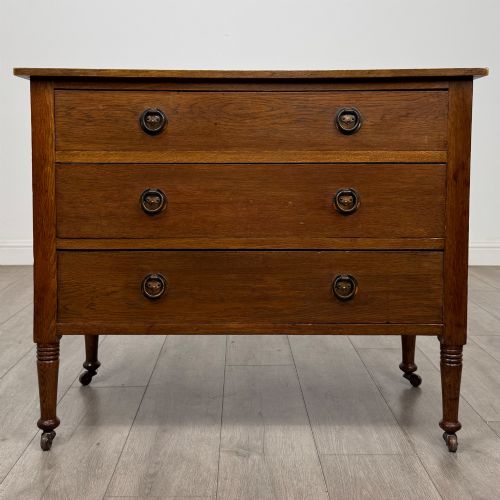
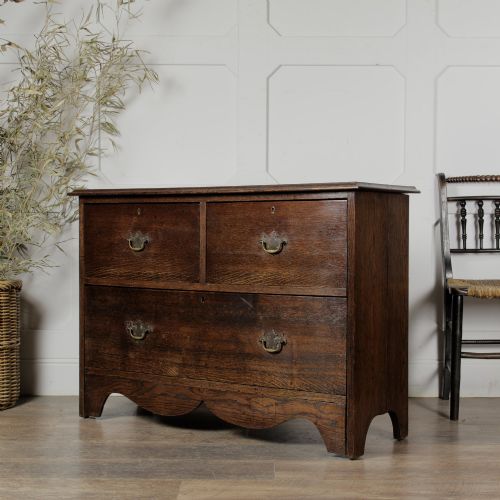
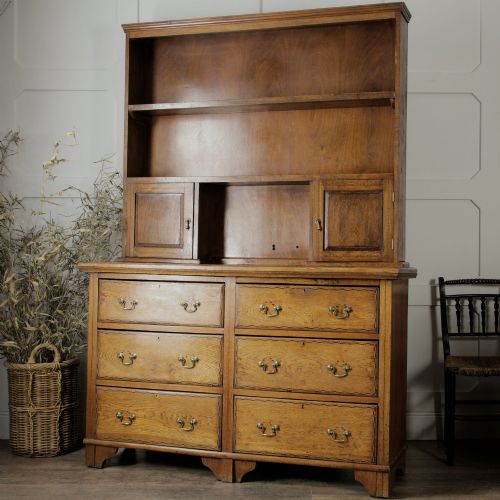
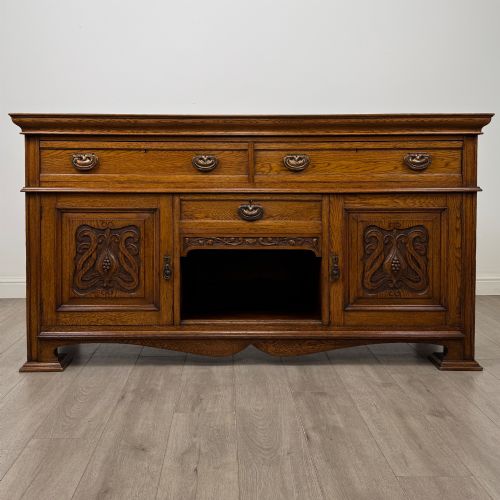
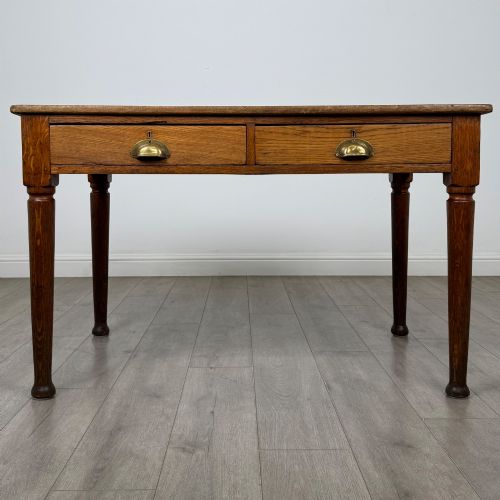
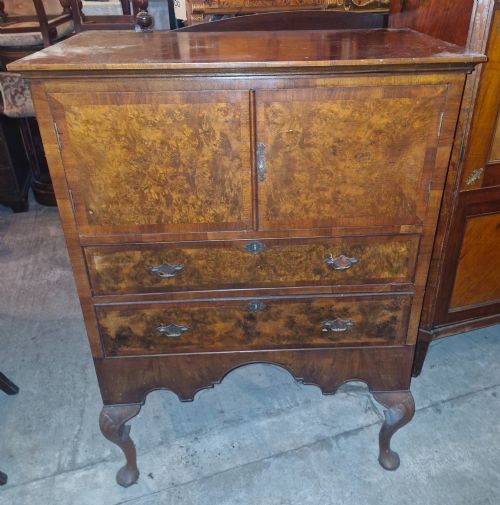
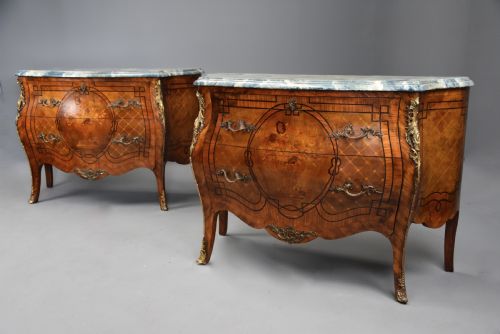
Early 20th century drawers encompass a wide array of functional storage forms, appearing frequently as oak or mahogany chests of drawers, utilitarian filing cabinets, and refined commodes. These pieces reflect diverse regional aesthetics, drawing on Edwardian domestic traditions, continental revival styles, and Arts and Crafts principles.
Buyers exploring early 20th century drawers encounter both British staple timbers and continental pieces, including French commodes and Scandinavian birch chests. The selection ranges from robust workshop furniture to polished drawing-room cabinets fitted with specialised compartments and brushing slides.
Evaluating the Range
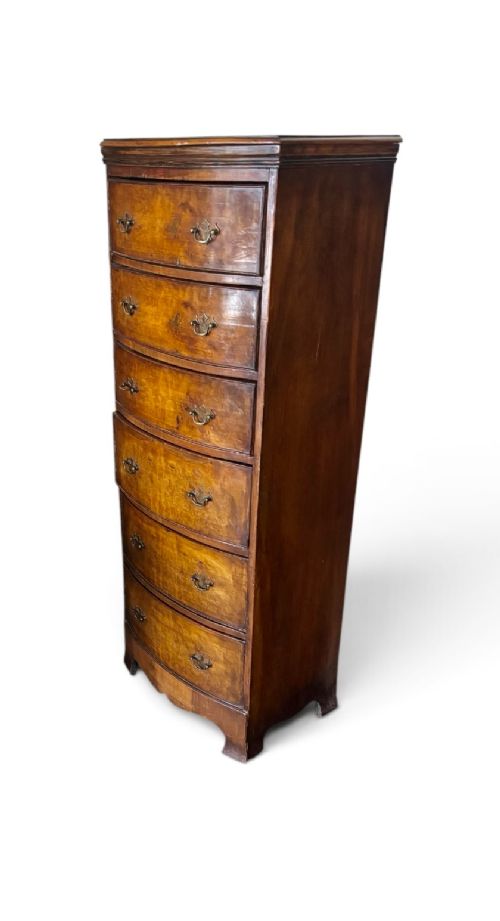
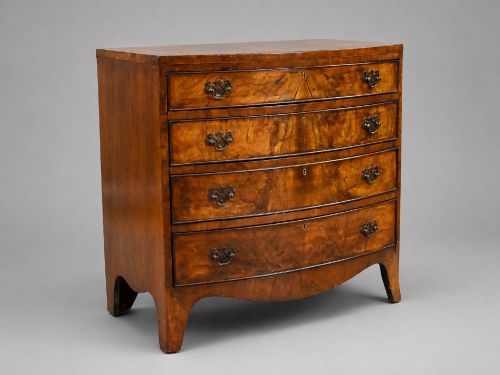
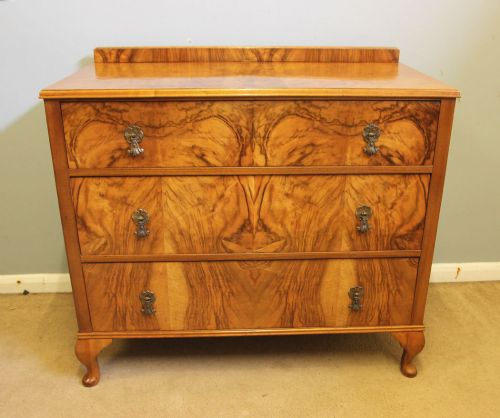
The standard of early 20th century drawers rests on the selection of timber and the precision of the cabinetmaker's joinery. Finely figured walnut veneers and unblemished marble tops distinguish superior examples from simpler utilitarian pine or oak workshop pieces.
Execution of decorative details, from hand-carved elements and inlaid banding to the smooth operation of multiple drawers, separates standard commercial production from workshop pieces of exceptional design.
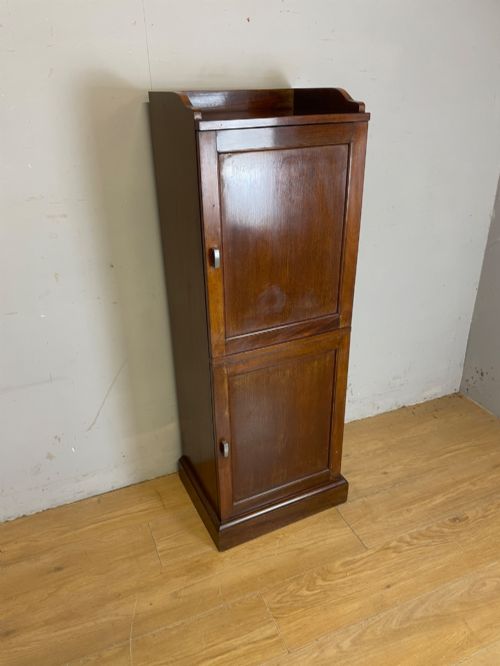
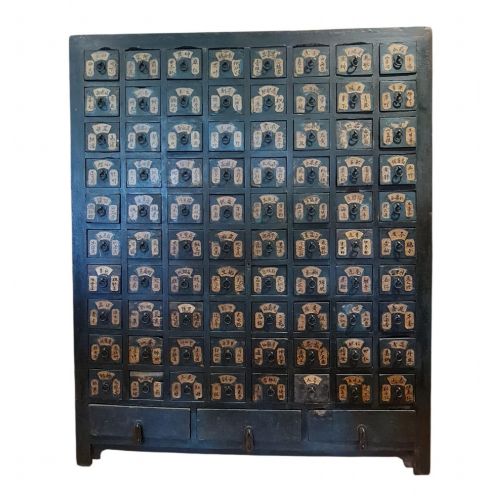
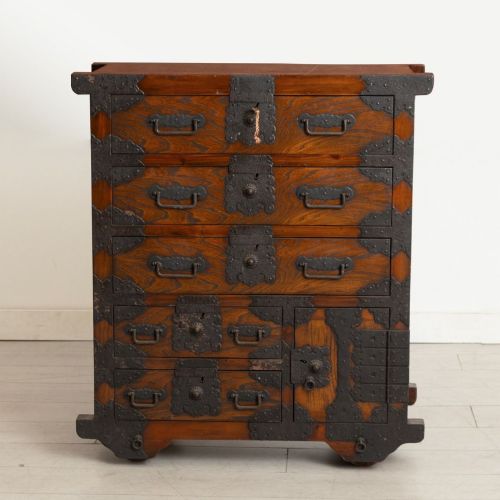
The inventory records diverse forms from standard chests and writing desks to apothecary cabinets, music boxes, and bedside tables.
Andrew Thomson And Sons
The Early 20th Century Drawers Glossary
- Tallboy
- A tall chest of drawers, often comprising a smaller chest stacked upon a larger base to maximise vertical storage.
- Commode
- A decorative chest of drawers or cabinet, frequently associated with continental European designs and often finished with a marble top.
- Brushing slide
- A pull-out shelf integrated into a chest of drawers, originally utilised for folding clothes or brushing garments.
- Bow front
- A convex curved drawer front that projects outward, characteristic of refined cabinetmaking from various periods.
- Oyster veneer
- Slices cut transversely from small branches or roots, arranged in intricate patterns resembling oyster shells on furniture surfaces.
Early 20th Century Drawers: Frequently Asked Questions
What styles define early 20th century drawers?
Pieces from this era incorporate Edwardian practicality alongside revival aesthetics like Queen Anne, Jacobean, and Georgian influences. French Provincial and Louis styles also appear frequently.
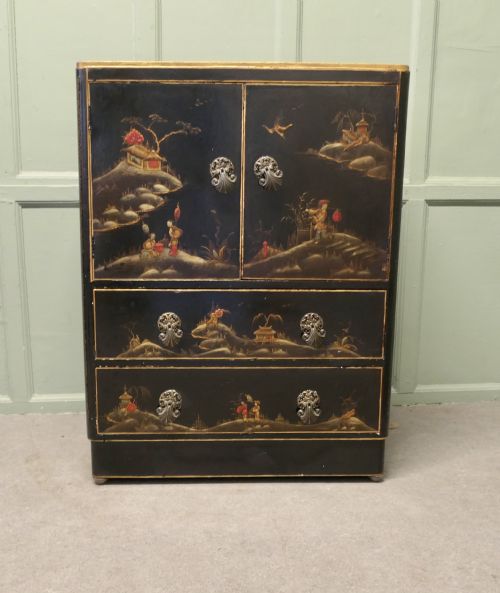
Craftsmen balanced historic references with the functional demands of the early 1900s, producing everything from plain oak chests to highly decorative painted commodes.
How do I distinguish oak pieces from mahogany ones?
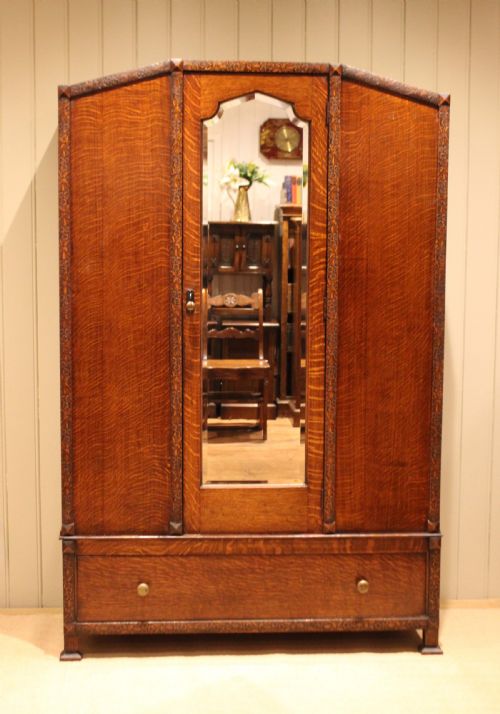
Oak exhibits a pronounced, open grain with visible medullary rays, lending a durable and textured appearance suited to Arts and Crafts or utilitarian designs. Mahogany displays a finer, tighter grain with rich red-brown tones.
Mahogany typically serves formal cabinet pieces and bow fronts, while oak frequently underpins filing cabinets and country chests.
Where were apothecary and filing drawers used?
Specialised multi-drawer units served commercial, medical, and administrative functions in offices, surgeries, and pharmacies. Tall banks of small drawers accommodated herbs, medicines, or paperwork.
These functional workshop pieces now transition into domestic settings for organised storage of small items.
How do I care for walnut veneer surfaces?
Figured walnut requires protection from direct sunlight and excessive moisture to prevent veneer lifting or fading. Periodic dusting with a soft cloth maintains the polished finish.
A light application of appropriate wax preserves the natural lustre of the wood without sealing it.