





Dutch Marquetry Chest Drawers
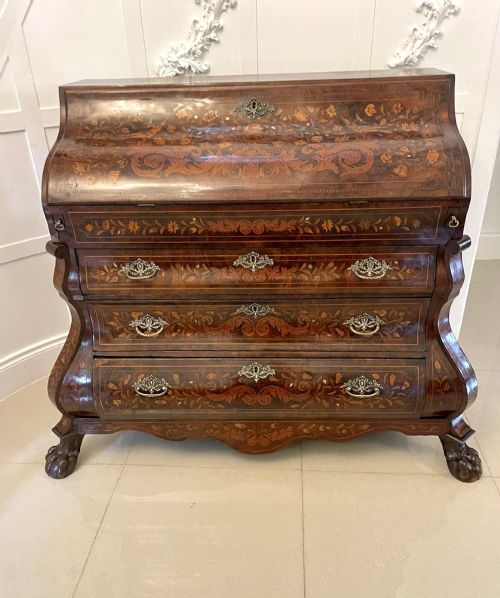
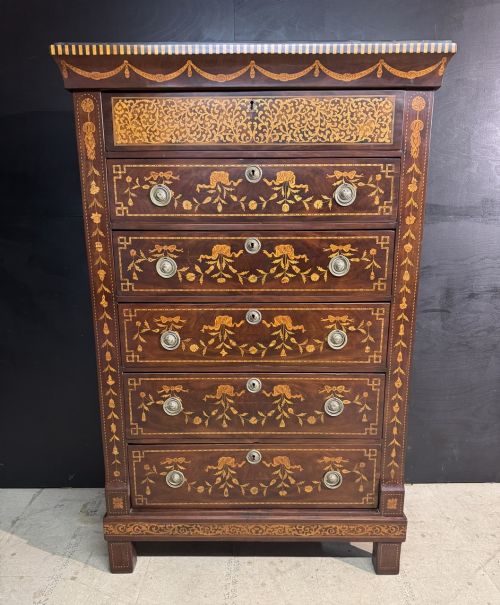
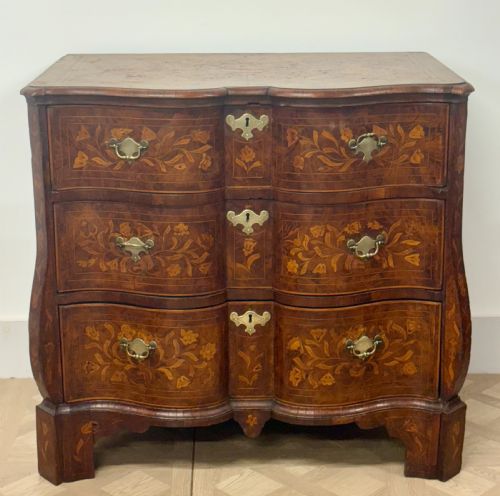
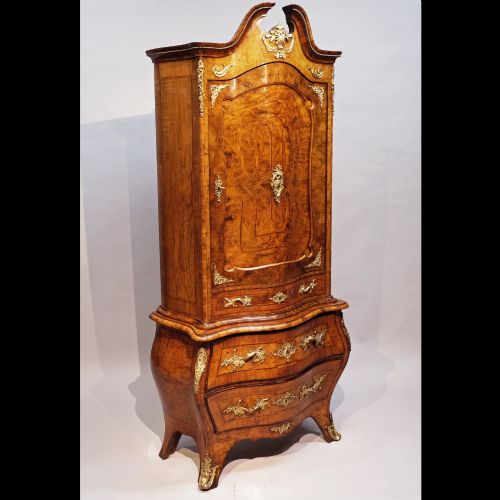
A dutch marquetry chest drawers brings elaborate floral inlay and curving bombe silhouettes into a room, offering substantial storage with distinct continental flair.
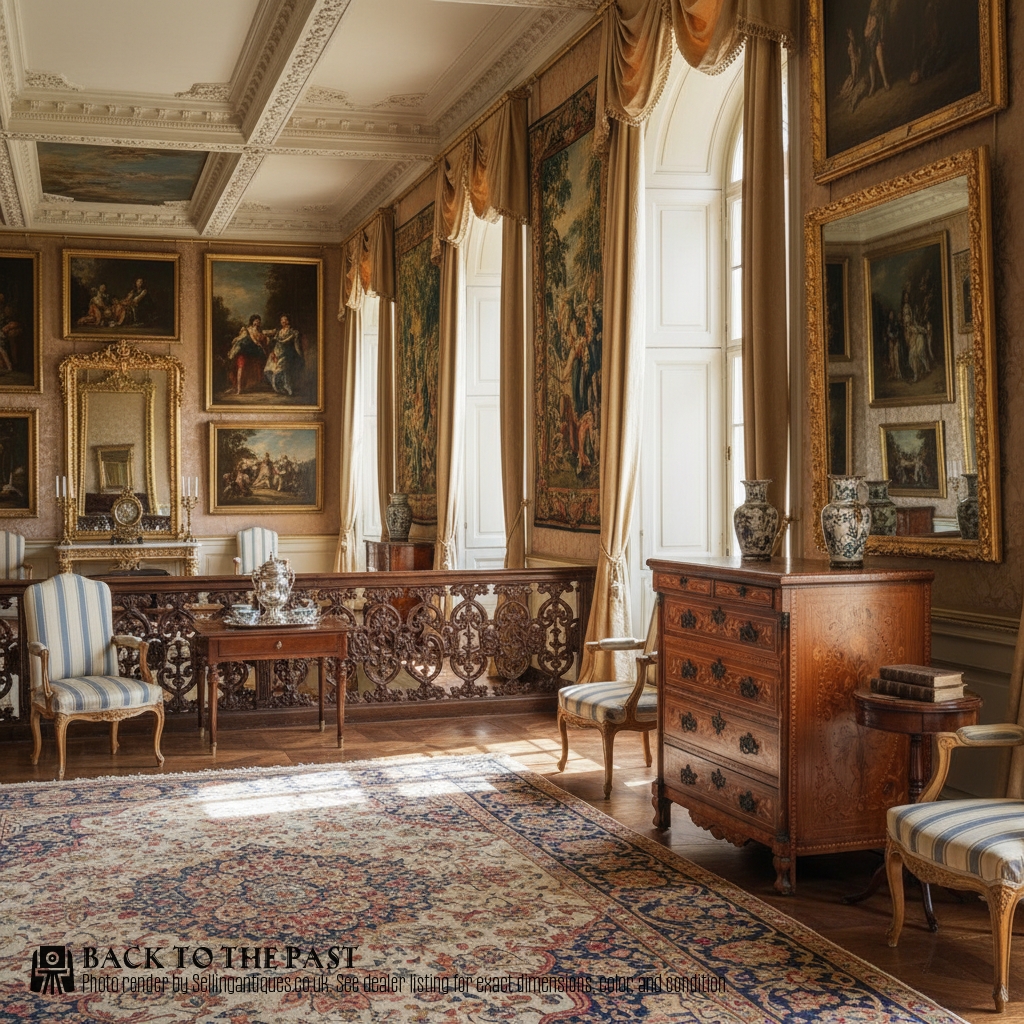
Dutch Marquetry Chest Drawers
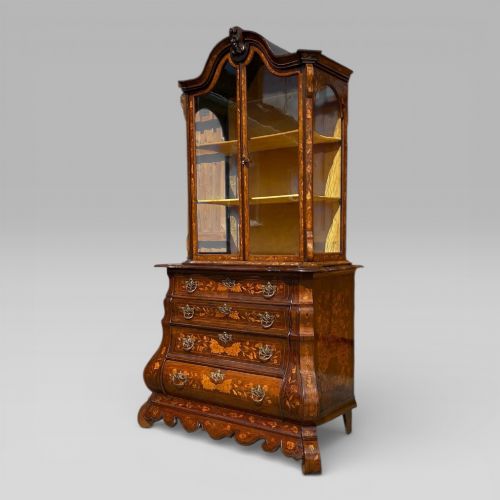
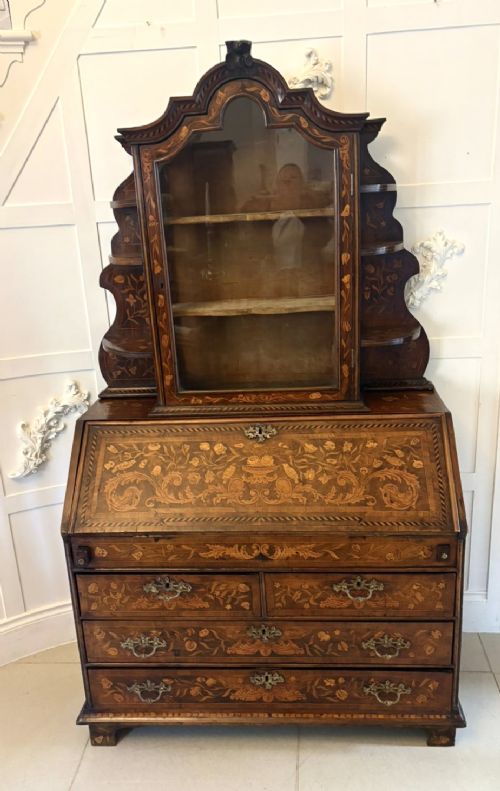
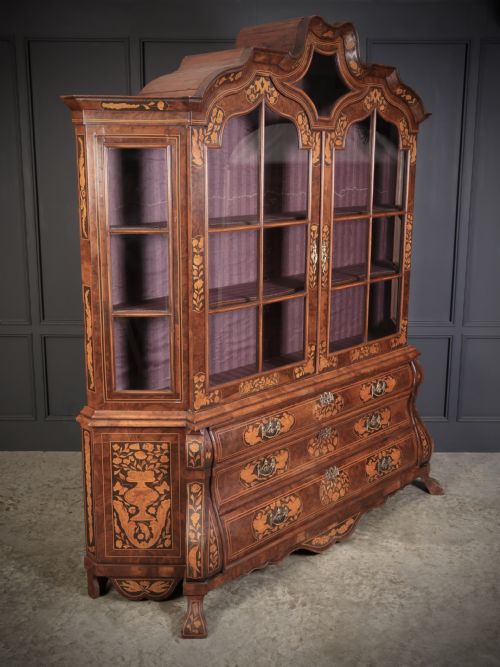
A dutch marquetry chest drawers combines practical storage capacity with elaborate decorative timber work, most frequently appearing in eighteenth-century and nineteenth-century examples. These pieces range from tallboys and commodes to bureau bookcases and serpentine or bombe forms that swell outward toward the base.
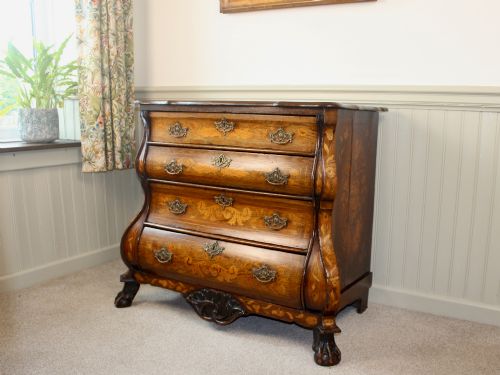
The objects seen here reflect periods spanning the seventeenth century through to the early twentieth century, alongside revival styles. The most common form met on this page is the classic chest of drawers or commode featuring detailed floral imagery across the front and sides.
Materials and Technique
Cabinet makers built the carcases of these items using foundational timbers such as oak and mahogany, then applied primary surfaces of walnut, burr walnut, and fruitwood. These woods provided stable canvases for intricate surface work.
Craftsmen executed the decoration through marquetry inlay, cutting delicate patterns from various fruitwood veneers and contrasting timbers to depict floral sprays and urns. Brass hardware often complemented the finished woodwork.
Dutch Marquetry Chest Drawers Retail Price Guide 2026
Typical asking prices for dutch marquetry chest drawers among the pieces listed under this phrase on Sellingantiques today, from the lower quarter to the upper quarter. They describe what is for sale here now, not the wider market.
Several chests feature floral marquetry so dense that even the sides bloom with inlaid wooden bouquets.
Judging Quality
The standard of a dutch marquetry chest drawers rests upon the crispness of the veneer cutting and the complexity of the floral compositions embedded in the wood. Superior examples display seamless alignment across drawer tiers and rhythmic, swelling curves in the bombe structure.
Finer pieces maintain harmony between the timber ground and the inlay work, where secondary woods like oak and mahogany inside the drawers match the structural ambition of the exterior facade.
Edwards & Roberts
The Dutch Marquetry Chest Drawers Glossary
- Marquetry
- The art of forming decorative patterns by fitting together thin slices of wood veneer. This technique defines the floral surface designs seen across these panels.
- Bombe
- A bulging or outward-curving profile found on the sides and fronts of furniture. This shape requires advanced woodworking skill to maintain structural integrity.
- Burr Walnut
- Timber taken from a tree growth or burl, yielding swirling, knotty grain patterns. Cabinet makers prized this material for its rich visual texture.
- Tallboy
- A tall chest of drawers consisting of one chest stacked upon another. This form maximises vertical storage space in domestic interiors.
Dutch Marquetry Chest Drawers: Frequently Asked Questions
What periods do these pieces date from?
The pieces span from the seventeenth century through the eighteenth and nineteenth centuries, stretching into early twentieth-century revivals. Eighteenth-century examples appear most frequently in the listings.
Craftsmen across these different eras maintained traditional marquetry methods while adapting cabinet shapes to suit changing continental fashions.
How do bombe chests differ from standard chests?
Bombe chests feature an outward-curving, swelling profile along the front and sides, whereas standard chests typically exhibit straight vertical lines. This rounded silhouette requires specialised shaping of the timber.
The curved surfaces provide a dynamic canvas for extensive floral marquetry layouts that wrap around the corners of the carcase.
What timbers were used to build them?
Primary surfaces utilise walnut, burr walnut, mahogany, and fruitwood. Secondary structural timbers include oak and occasionally other regional woods.
Inlay work relies on contrasting fruitwood veneers to achieve distinct tonal variation in the floral motifs.
How can I tell an eighteenth-century piece apart?
Eighteenth-century examples often exhibit hand-cut dovetails, native oak drawer linings, and specific regional proportions associated with Dutch baroque and rococo styles. The floral marquetry tends to cover the top, sides, and drawer fronts entirely.
Later nineteenth-century and revival pieces sometimes show standardised construction methods or different secondary woods beneath the veneer.
Where were these pieces used historically?
These items functioned as practical storage furniture in domestic settings, positioned in bedrooms, drawing rooms, and hallways to hold clothing or household linens. Larger bureau bookcases and display cabinets served dual purposes for writing and storage.
Their decorative floral surfaces ensured they stood out as statement pieces in wealthy homes.