
Vintage Inlaid Commode
A vintage inlaid commode brings continental elegance and rich timber tones into a room, offering surface space alongside deep storage.
Vintage Inlaid Commode
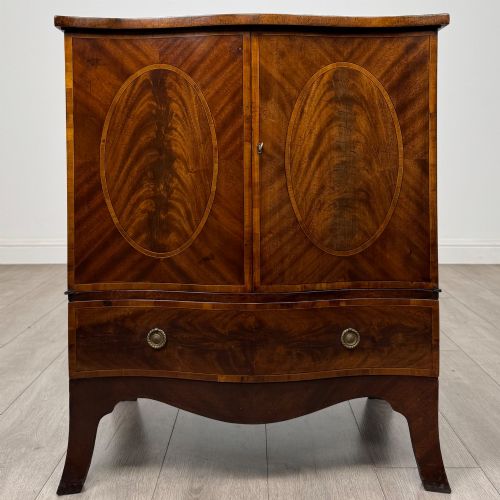
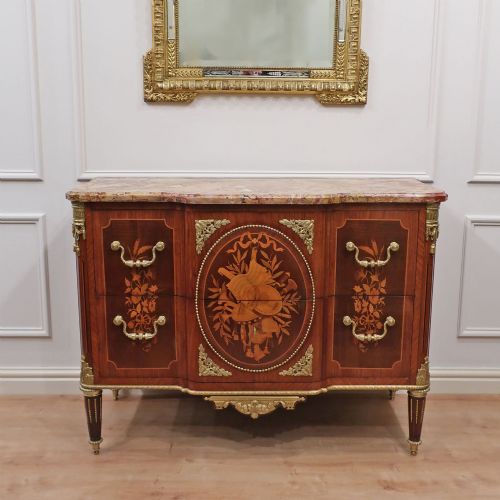
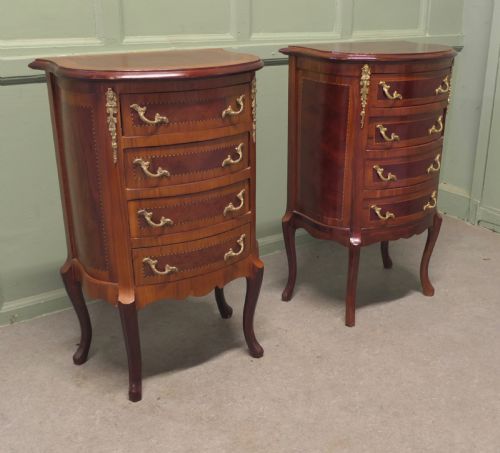
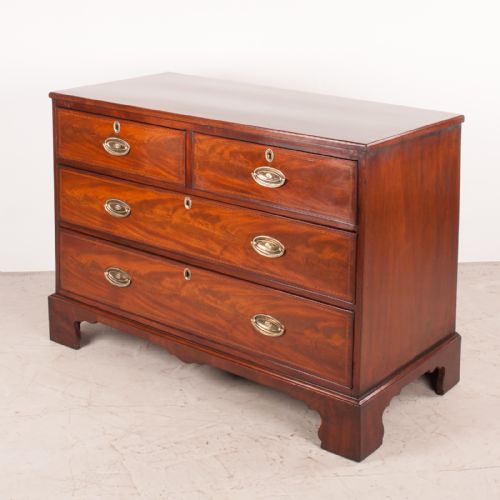
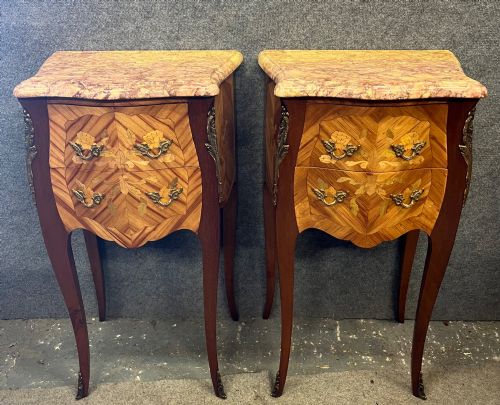
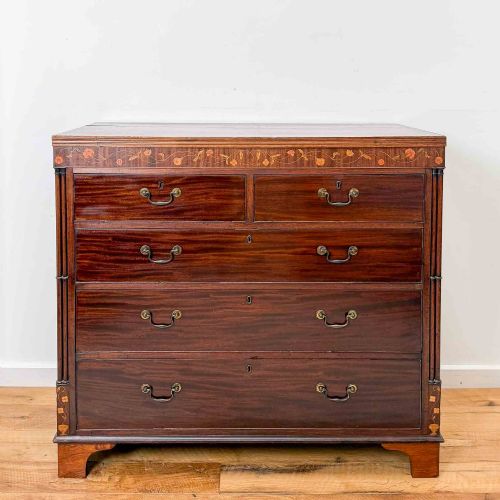
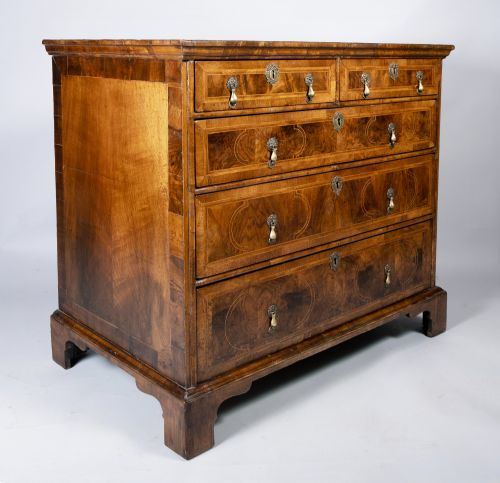
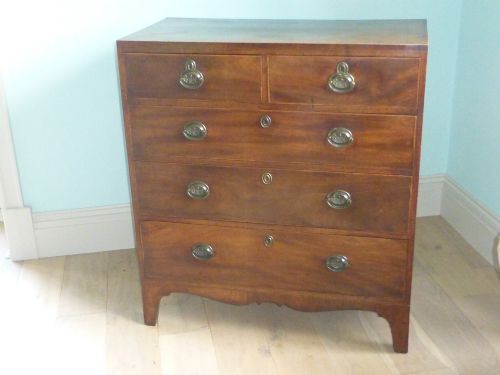
A vintage inlaid commode stands as a decorative storage piece, drawing on centuries of cabinet-making traditions from British and French workshops. When searching this phrase, buyers encounter items ranging from serpentine French bedside cabinets to substantial mahogany chests with floral decoration.
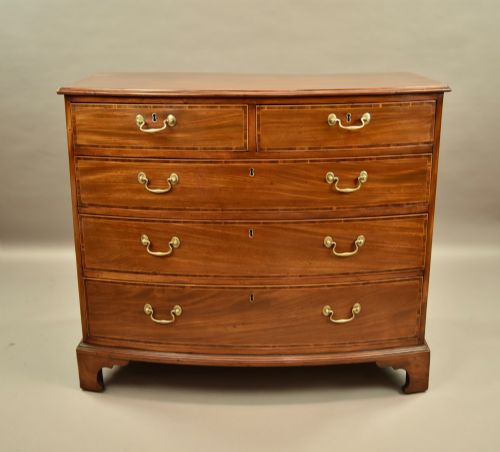
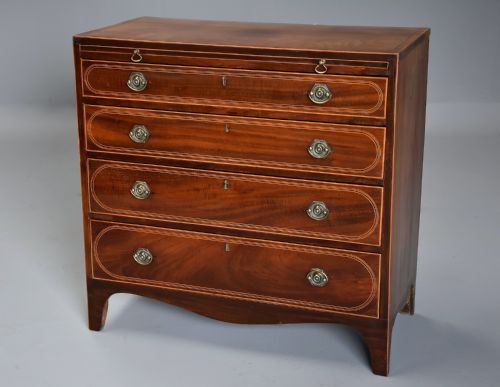
The selection on this page spans distinct periods including the Georgian era, the Victorian decades, and the early twentieth century. Forms stretch from classic commodes with marble tops to bowfront chests of drawers and side cabinets.
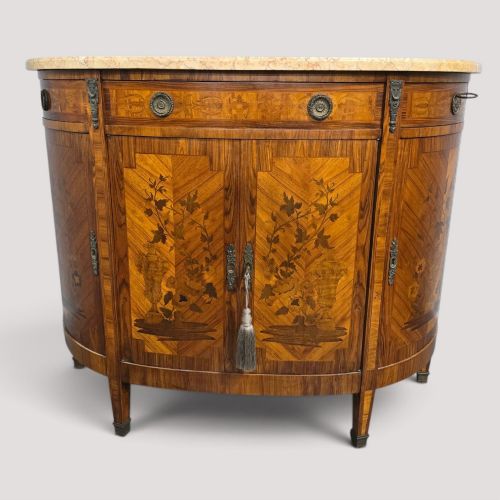
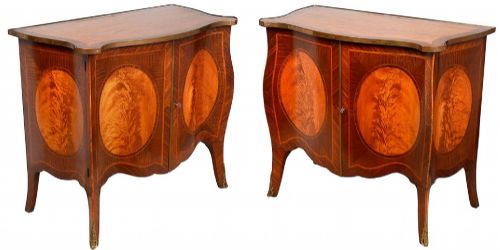
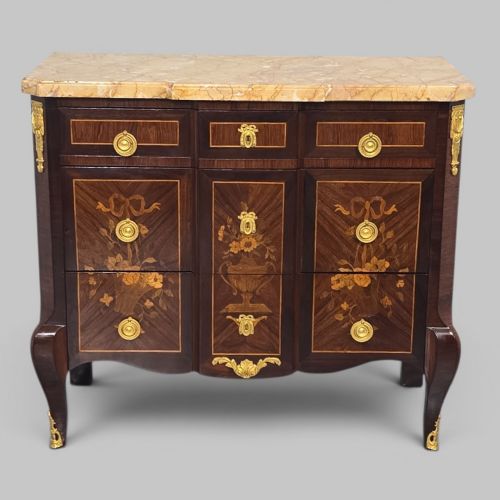
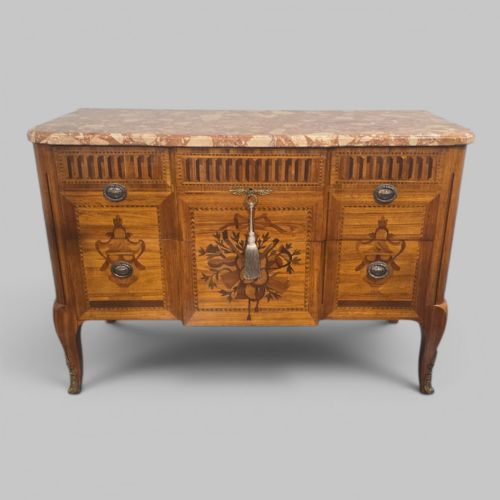
Continental pieces often display elaborate marquetry and shaped bombe profiles, whilst British examples favour mahogany and satinwood line inlay. Each version serves practical storage needs whilst acting as a focal point in a hallway or bedroom.
How they were made
Cabinet-makers constructed these pieces using solid timbers such as mahogany, walnut, and kingwood, often applying decorative veneers over supportive secondary woods. Marquetry panels incorporate contrasting timbers like boxwood to create floral and geometric patterns.
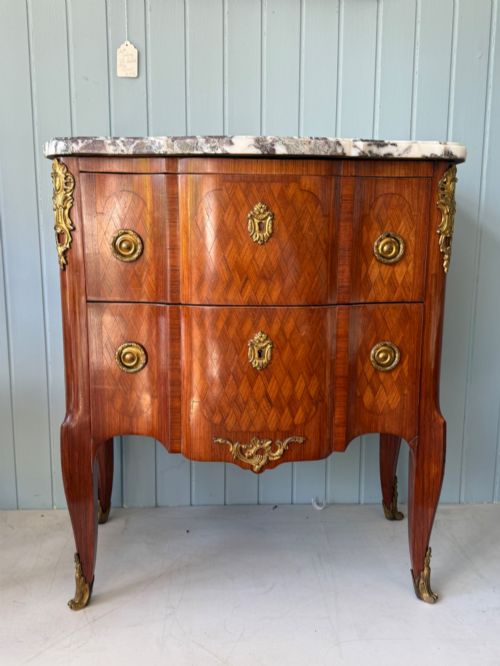
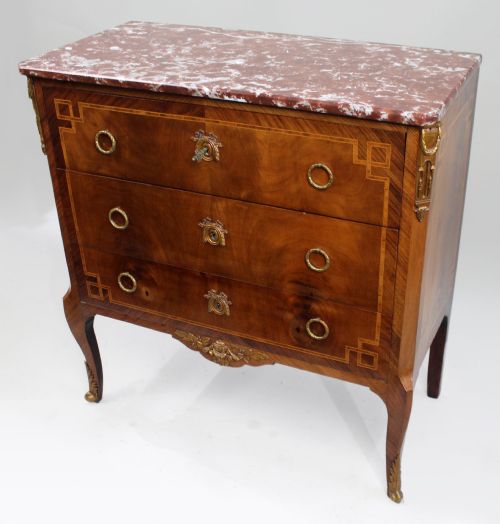
Many examples feature polished marble surfaces in shades of rouge, paired with cast brass or ormolu mounts around keyholes and corners. Line inlay and crossbanding define the drawer edges and top surfaces with precision.
Listings feature pieces spanning from the 17th century through to the 1930s, incorporating walnut, mahogany, marble, and ormolu.
What varies in quality
The distinction between tiers of quality rests in the crispness of the marquetry and the selection of timber veneers. Superior examples display tightly fitted parquetry or floral designs without gaps, utilising rich burr walnut or figured mahogany.
Hardware and secondary materials also set pieces apart, notably the weight of the cast ormolu mounts and the thickness of the marble tops. Hand-cut dovetails inside the drawers indicate a higher standard of period construction.
Druce & Co·Mawer & Stephenson
The Vintage Inlaid Commode Glossary
- Marquetry
- Decorative veneer work arranged in pictorial or geometric patterns using various coloured woods. This technique requires significant skill to cut and fit the thin timber pieces together.
- Bombe
- A swelling, outward-curving profile found on the sides and fronts of certain continental cabinets. This shape demands advanced woodworking techniques to achieve the curved contours.
- Crossbanding
- A border strip of veneer laid around the perimeter of a drawer front or tabletop so that the grain runs at right angles to the central panel. It frames the main timber figure.
- Ormolu
- Gilt bronze mounts and decorative trimmings applied to the corners and legs of cabinet furniture. The technique involves applying a mercury and gold amalgam to bronze.
- Serpentine
- A furniture front or top shaped with a double curve, concave in the centre and convex at the ends. This flowing contour appears frequently on eighteenth and nineteenth century commodes.
Vintage Inlaid Commode: Frequently Asked Questions
Where should I place a vintage inlaid commode?
These pieces suit living rooms, hallways, or bedrooms where their decorative surfaces and storage drawers provide both function and visual impact. Placing them away from direct sunlight protects the delicate wood veneers and marquetry details from fading.
Pairing a marble-topped version with a simple mirror creates a balanced focal point in an entryway. Smaller bedside variants fit neatly beside a bed to hold lamps and small items.
How do I care for marble-topped commodes?
Marble surfaces require gentle cleaning with a soft cloth and warm soapy water, avoiding acidic cleaning products that can etch the stone. Regular dusting keeps the polished finish intact without damaging the surrounding wood.
Coasters help protect the stone from stains caused by glasses or bottles. Waxing the wooden frame occasionally maintains the lustre of the mahogany, walnut, or kingwood.
How do I tell an 18th-century commode from a 20th-century revival piece?
Examining the construction methods inside the drawers and at the back reveals clues about age. Hand-cut dovetails and vernacular secondary timbers often indicate earlier periods, whilst machine-sawn elements point towards later revival pieces.
Stylistic markers also help, as Georgian and early French models follow strict proportions dictated by their period workshops. Revival pieces from the 1920s frequently borrow Louis XV or Sheraton vocabulary whilst using twentieth-century assembly techniques.
What is the difference between a commode and a chest of drawers?
A commode traditionally refers to a low, decorative cabinet with drawers or doors, often of French origin and frequently topped with marble. Chests of drawers tend to be taller British forms focused purely on stacking storage compartments.
In modern usage, the terms often overlap, particularly with continental-style pieces featuring doors or combined drawer configurations. Both serve similar storage roles within a domestic interior.