
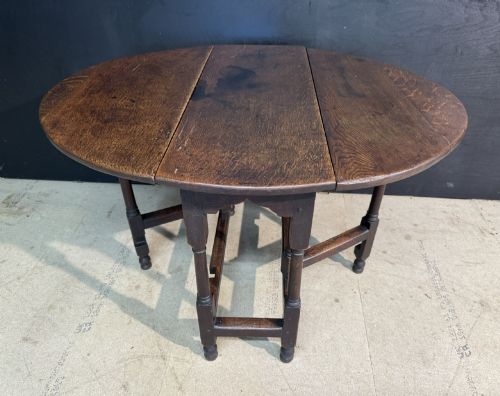
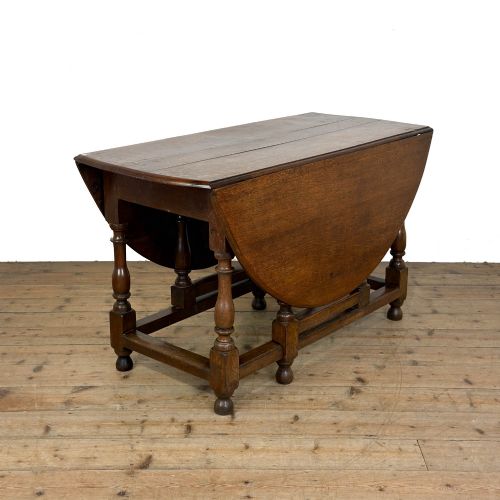
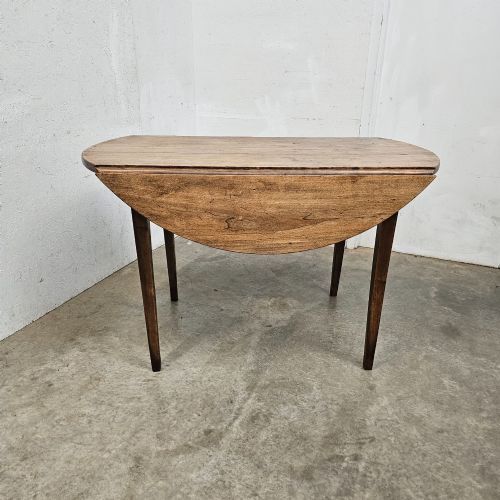
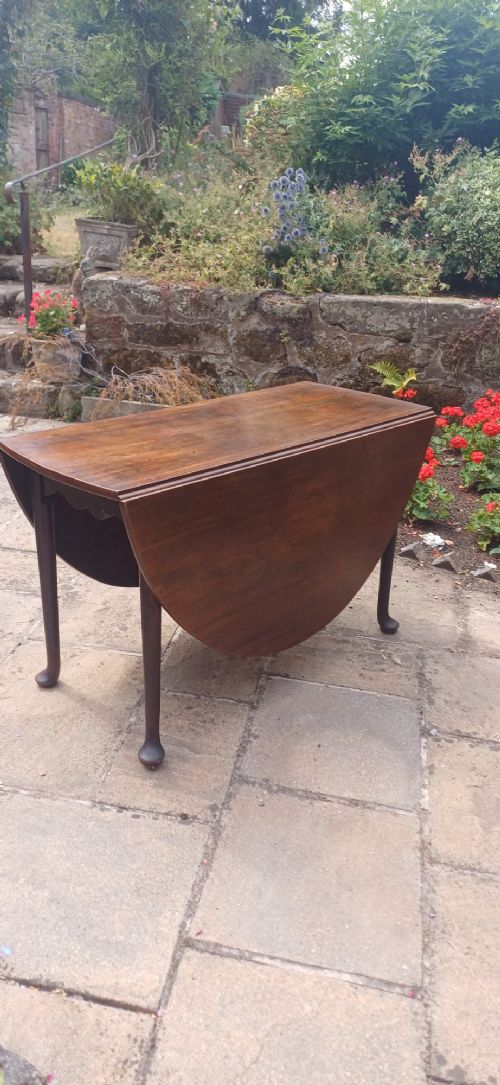
Drop Flap Dining Table
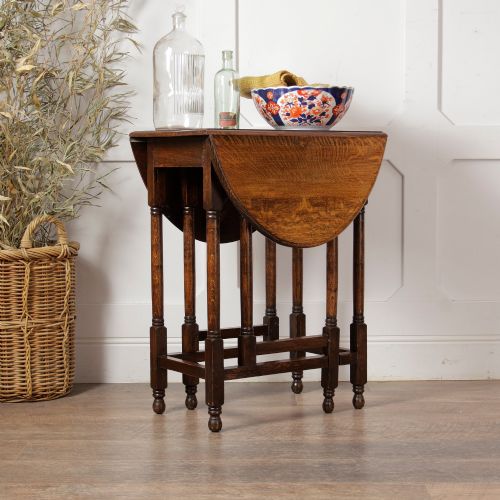
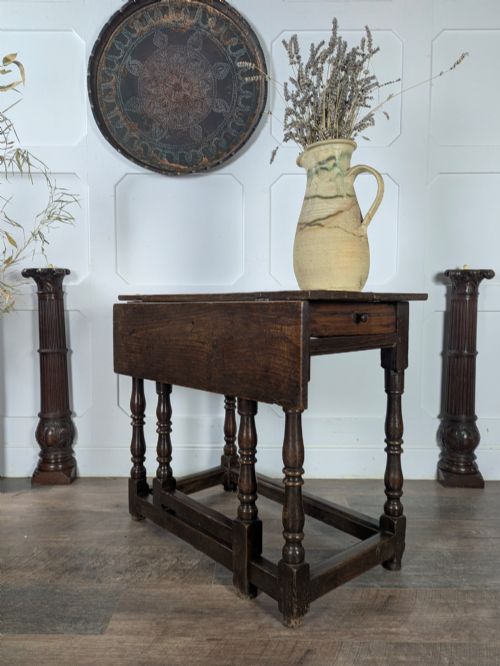
A drop flap dining table provides flexible daily surface space through hinged leaves that drop down when not needed.
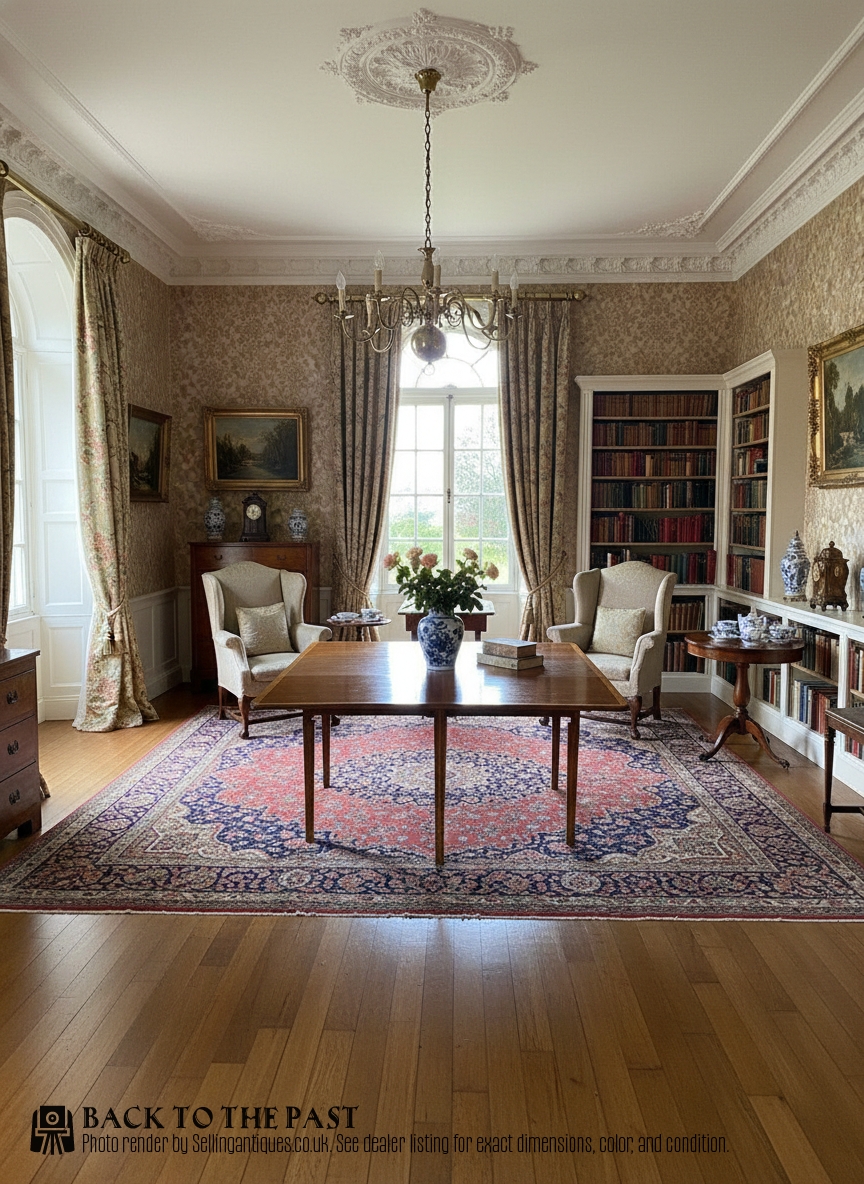
Drop Flap Dining Table
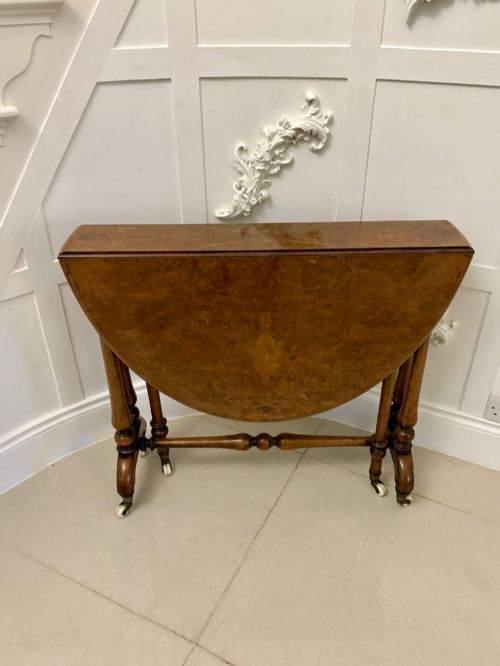
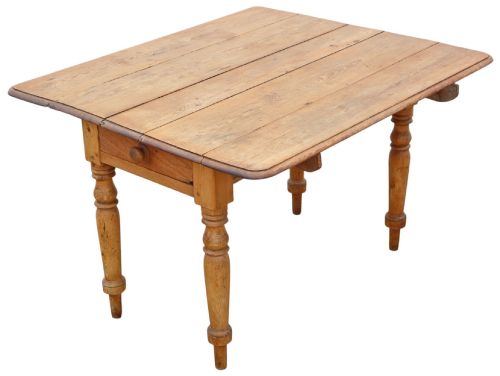
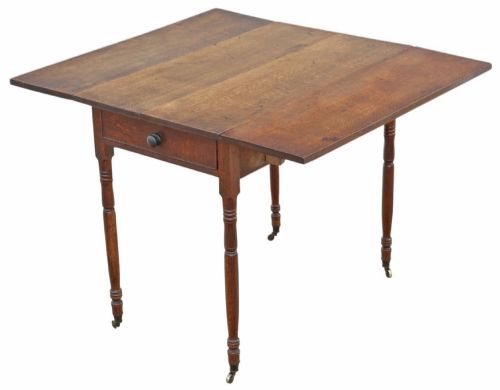
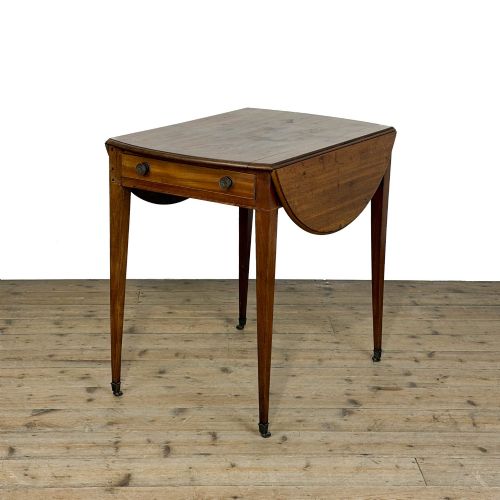
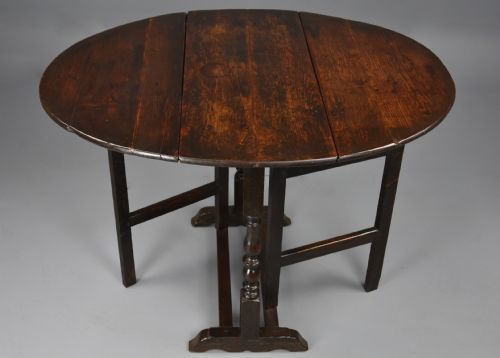
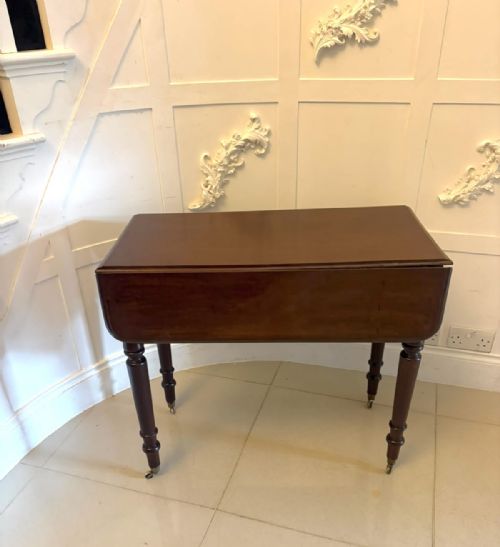
A drop flap dining table is a practical antique furniture form designed to adapt to various room sizes by folding down its side leaves. Buyers searching this phrase encounter numerous iterations spanning from the 17th century through the Victorian era.
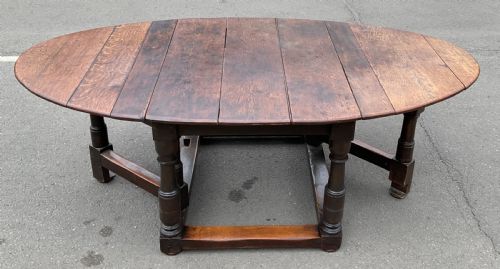
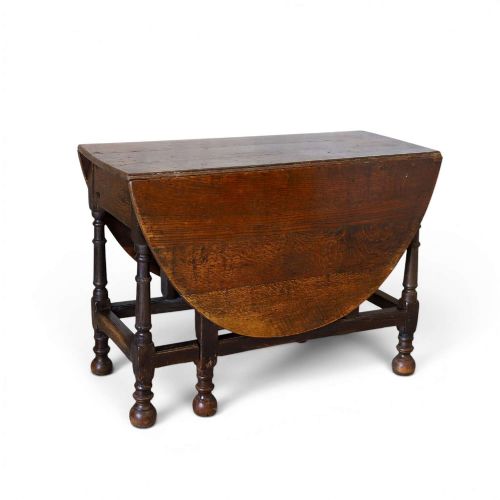
The selection ranges heavily toward robust oak gateleg constructions from earlier centuries alongside refined mahogany Georgian and Regency examples. Pine and walnut versions also appear, serving both kitchen and parlour environments.
These pieces function primarily as everyday dining surfaces that easily convert into compact side or console units against a wall. The folding mechanism remains central to their enduring utility in modern homes.
Materials and construction methods
Cabinet makers utilised dense native timbers such as oak, walnut, and fruitwood during the 17th and 18th centuries, later shifting toward imported mahogany for formal Georgian and Regency designs. Pine and elm served predominantly in utilitarian kitchen tables.
Construction relied on sturdy joinery, including hinged flaps supported by swing legs, gatelegs, or centre pedestals. Iron and brass hardware, such as original hinges, secured the pivoting leaves and allowed the frames to bear weight reliably.
Drop Flap Dining Table Retail Price Guide 2026
Typical asking prices for drop flap dining table among the pieces listed under this phrase on Sellingantiques today, from the lower quarter to the upper quarter. They describe what is for sale here now, not the wider market.
Listings feature timbers including mahogany, oak, walnut, pine, and fruitwood across the 17th, 18th, and 19th centuries.
Factors influencing quality
Quality rests significantly on the choice of timber and the preservation of original surfaces, where warm patination and visible grain figure prominently. Superior examples display careful selection of Cuban mahogany or dense old-growth oak.
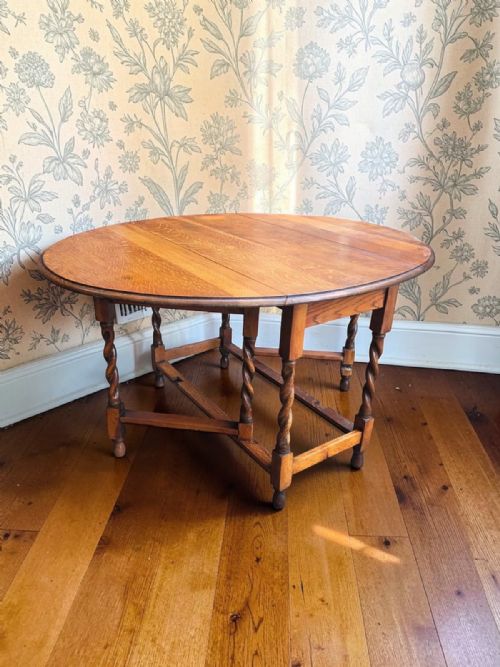
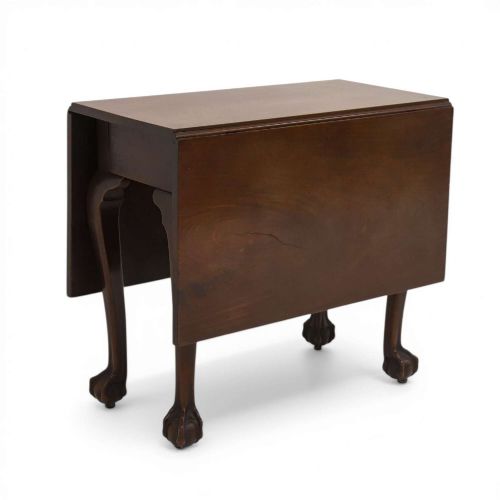
The integrity of the structural joinery and the survival of original hinges determine longevity. Finer specimens often incorporate sophisticated leg turnings like bobbin or barley twists, alongside carved cabriole legs ending in pad or claw-and-ball feet.
The Drop Flap Dining Table Glossary
- Gateleg table
- A table featuring hinged leaves supported by swing-out legs that pivot like a gate to hold the flaps horizontal.
- Pembroke table
- A small, light table with two hinged drop leaves, typically featuring one or more drawers.
- Patina
- The surface sheen and mellowing developed on wood over centuries of use, cleaning, and exposure to light.
- Cabriole leg
- A furniture leg that curves outward and then tapers inward, mimicking an animal's limb.
- Barley twist
- A decorative turning technique resembling a spiral rope, common on 17th-century and revival supports.
Drop Flap Dining Table: Frequently Asked Questions
How do I seat six people at these tables?
Many larger gateleg or Pembroke formats expand significantly when both leaves are raised, providing ample knee room and surface area for multiple guests.
Dropping one or both leaves instantly reduces the footprint when dinner concludes.
Are these tables suitable for everyday kitchen use?
Sturdy pine and oak variants from the 18th and 19th centuries were built specifically for daily domestic labour and dining.
Their robust timber construction handles regular family meals comfortably.
How can I tell a Georgian table from a Victorian one?
Georgian pieces often showcase refined mahogany with subtle carving, slender cabriole legs, or straight tapered supports.
Victorian iterations frequently utilise denser burr walnut or heavier turned elements reflecting later revival tastes.
Do the folding leaves sag over time?
Properly aligned swing legs or secure gate mechanisms bear the weight of the extended leaves effectively.
Original hinges and solid pivot points prevent drooping when the flaps are raised.