


Fold Down Dining Table
These fold down dining table pieces offer clever space-saving engineering that lets you expand your surface area on demand.
Fold Down Dining Table
When you search for a fold down dining table, you encounter versatile timber surfaces designed to expand when hosting and tuck away when floor space matters. The selections span oak, mahogany, and walnut forms.
You are most likely to meet gateleg tables and dropleaf designs on this page, originating from the seventeenth century through to the twentieth century. These include English country pieces alongside Scandinavian country examples.
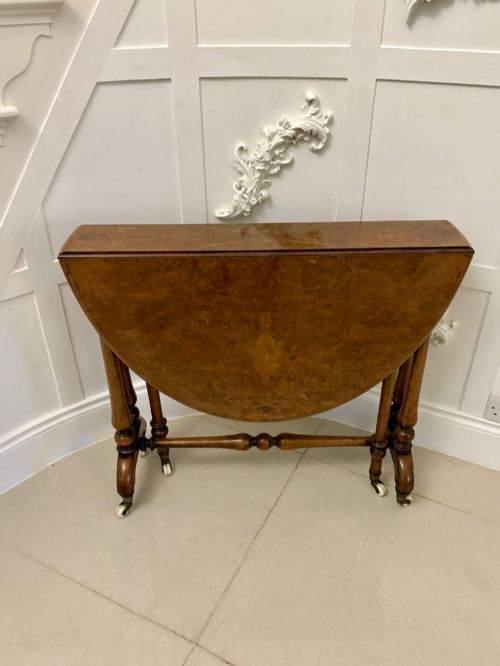
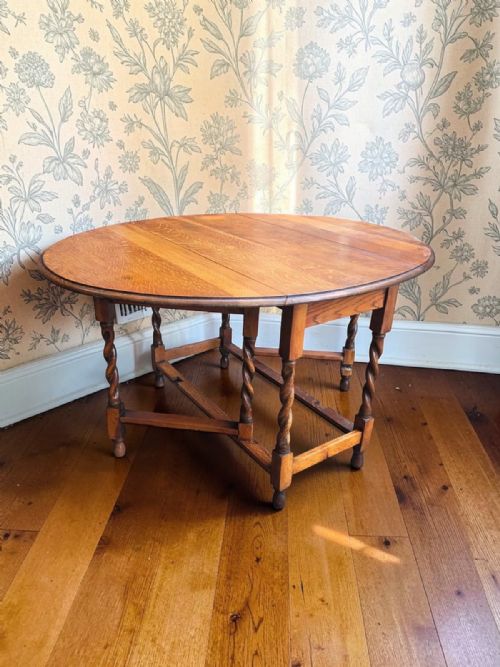
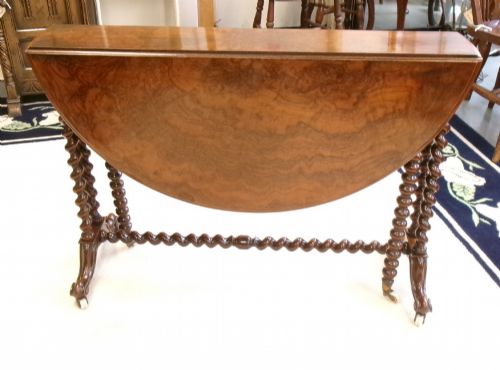
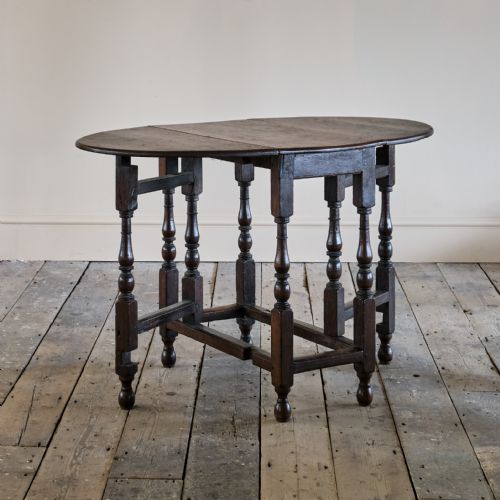
The assortment encompasses sturdy oak gateleg tables with barley twist legs, alongside refined mahogany dropleaf dining tables and burr walnut Sutherland tables. Sizes range from small occasional formats to larger tables intended to seat six.
How they were made
Joiners constructed these tables primarily from solid timber like oak and mahogany, often utilising burr walnut veneers for decorative surfaces. Frames relied on sturdy peg joints and hinged flaps supported by swing legs.
Turned timber components, including barley twist legs, required skilled lathe work to support the heavy folding leaves. Brass hinges and fittings provided the mechanical movement necessary for the drop leaves to operate smoothly.
Fold Down Dining Table Retail Price Guide 2026
Typical asking prices for fold down dining table among the pieces listed under this phrase on Sellingantiques today, from the lower quarter to the upper quarter. They describe what is for sale here now, not the wider market.
Listings feature oak, mahogany, walnut, and pine, spanning from the 17th century to the 20th century.
What varies in quality
The choice of timber heavily dictates the character of each piece, moving from utilitarian pine and painted finishes up to figured mahogany and burr walnut veneers. Figuration in the grain and the richness of the polished surface distinguish finer examples.
Structural integrity depends upon the tightness of the joinery in the gateleg mechanism and the original condition of the turning. Tables displaying crisp barley twist carving and well-preserved timber patination represent the upper tier.
The Fold Down Dining Table Glossary
- Gateleg table
- A table with hinged leaves supported by legs that swing out like a gate. This design provides sturdy support for the drop leaves when open.
- Dropleaf table
- A table featuring a fixed centre section and movable flaps that lower on hinges. It allows the footprint of the furniture to shrink significantly when not in use.
- Sutherland table
- A narrow-profile dropleaf table with exceptionally slender folding leaves and tall legs. They originated in the Victorian period and save considerable floor space.
- Barley twist
- A spiral turning technique applied to wooden table legs. This decorative feature appears frequently on seventeenth-century revival and twentieth-century oak furniture.
- Slagbord
- A traditional Scandinavian country dropleaf table style. These tables utilise specific regional timber construction and folding leaf mechanisms.
Fold Down Dining Table: Frequently Asked Questions
How do I seat six at a folding table?
You simply lift the hinged drop leaves on either side and swing the supporting legs outward to lock the extended top into place. This transforms a compact surface into a full-sized dining area.
Ensure the gatelegs are positioned firmly beneath the corners of the open leaves to distribute weight evenly across the timber frame.
What rooms suit a gateleg table?
These tables fit dining rooms, kitchens, and living spaces where floor area fluctuates according to daily needs. Folded down, they function well against a wall as a side table.
Opening one or both leaves prepares the surface for meals or writing without permanently dominating the room layout.
How do I care for polished wood?
Dust the timber regularly with a soft cloth and apply quality beeswax periodically to maintain the lustre of the polished surface. Avoid placing tables near direct heat sources to prevent timber splitting.
Use coasters and placemats to protect the historic polish from moisture and heat marks during everyday dining.