




Decorative Wooden Caddy Box
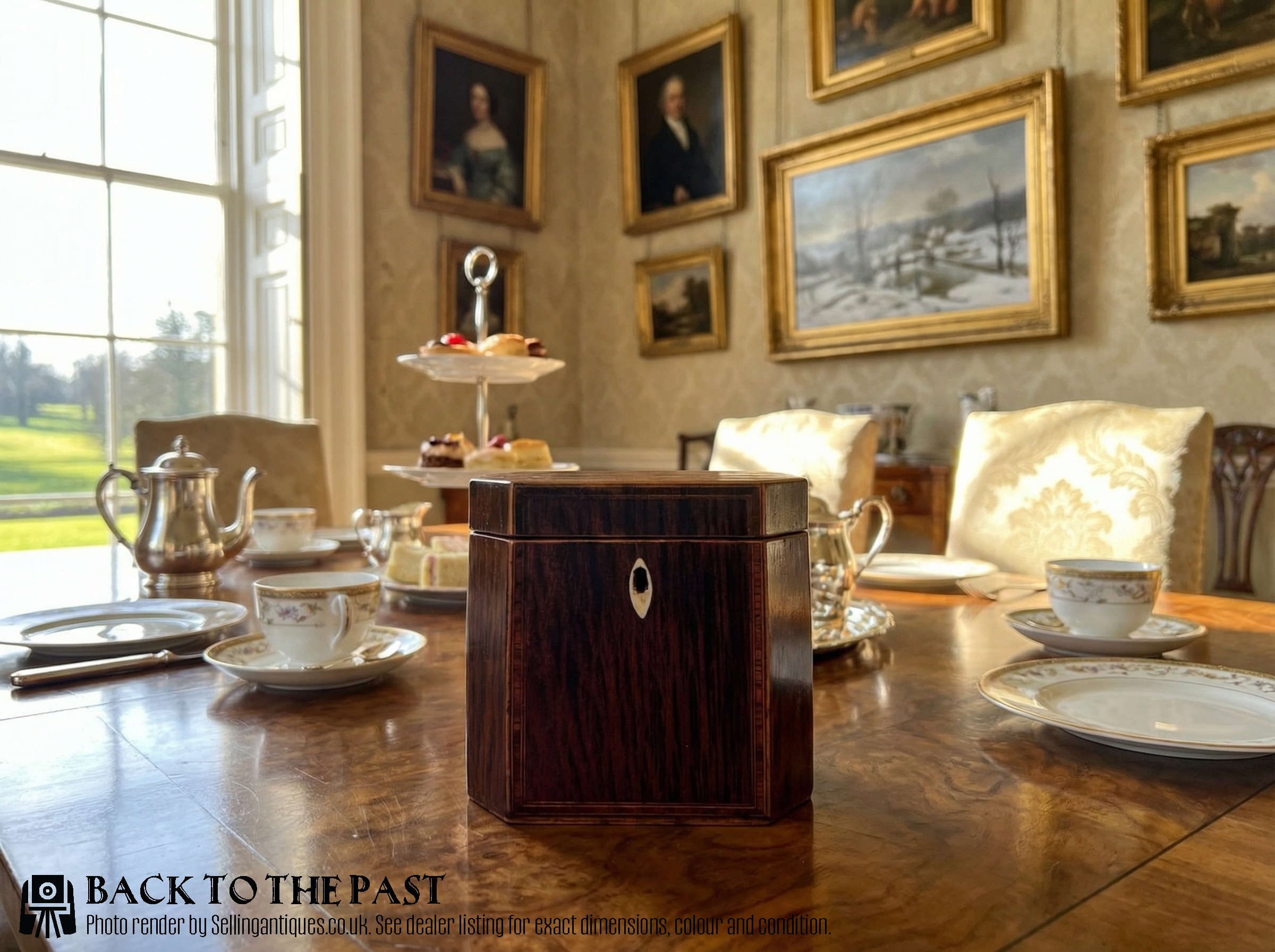
A decorative wooden caddy box is a tactile receptacle designed for preserving tea or valuables, offering enduring craftsmanship and rich historical texture for the home.
Decorative Wooden Caddy Box
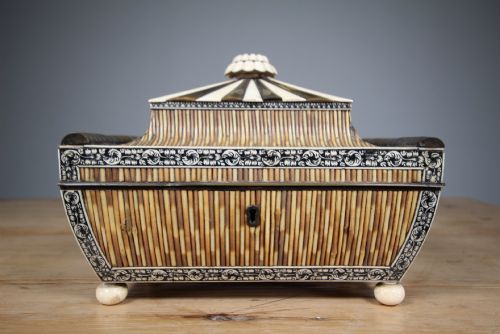
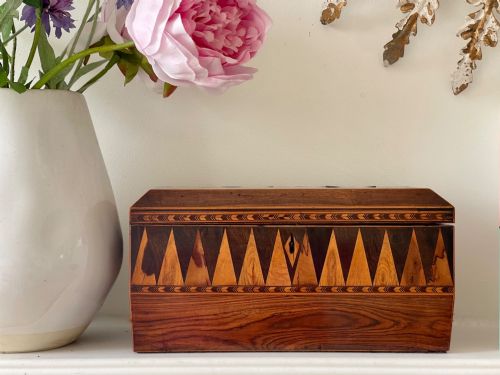
A decorative wooden caddy box encompasses functional containers originally fashioned to store loose leaf tea, alongside related keepsake and sewing boxes. Buyers exploring this category encounter a range of forms originating primarily from the Georgian, Regency, and Victorian periods.
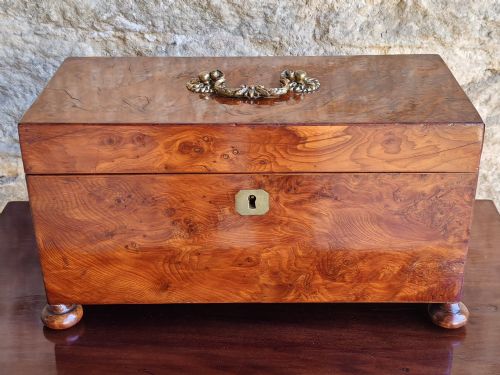
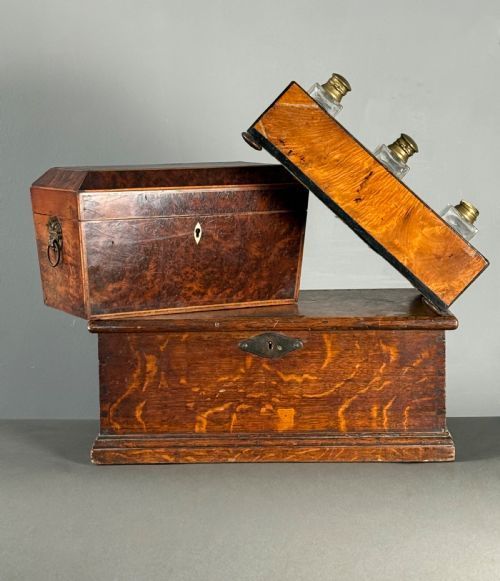
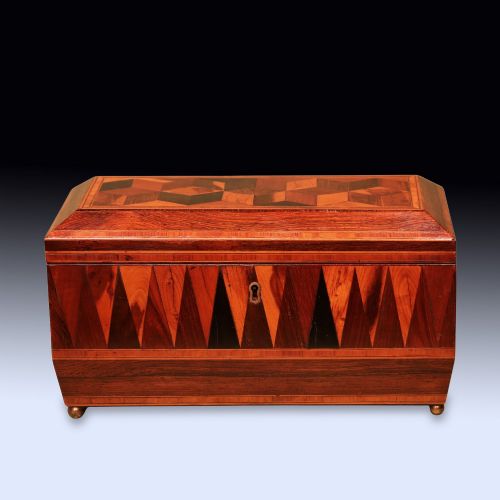
The selections span from sarcophagus shapes and hexagonal vessels to barrel-form caddies and semi-circular boxes. Examples frequently incorporate rich timbers such as rosewood, mahogany, and yew, reflecting the domestic habits of the eighteenth and nineteenth centuries.
Materials and construction techniques
Cabinet makers utilised dense hardwoods including walnut, mahogany, padouk, and rosewood as foundational structural bodies. These timbers were selected for their stability and depth of grain.
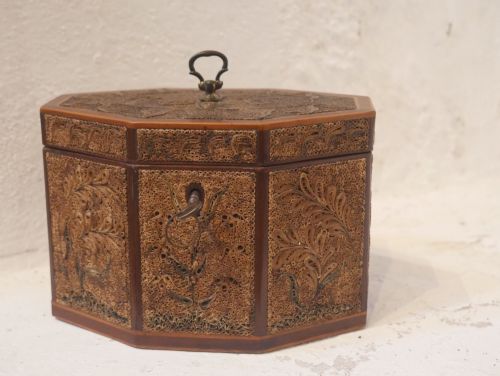
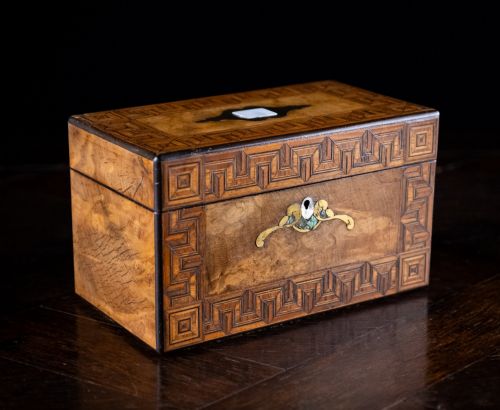
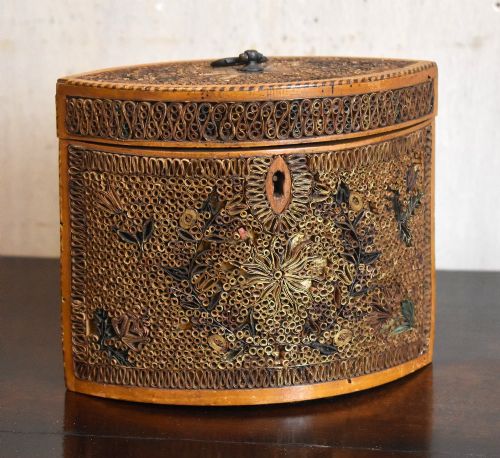
Decoration relied heavily on intricate surface work, employing brass inlay, parquetry, bone, mother-of-pearl, and delicate paper filigree or scrollwork. Tunbridge ware and marquetry panels further demonstrated the precision of period artisans.
Materials documented in current inventory include brass, bone, boxwood, metal, mahogany, walnut, rosewood, and standard wood substrates.
Distinctions in craftsmanship and preservation
The calibre of a piece depends on the precision of its veneering and the integration of decorative inlays such as brass and mother-of-pearl. Superior specimens maintain structural integrity alongside intact internal compartments and original fitted elements.
Finer examples reveal disciplined attention to secondary timbers and exterior surface patination. The relative complexity of parquetry, marquetry, or specialised techniques like penwork differentiates standard utilitarian containers from elevated works.
The Decorative Wooden Caddy Box Glossary
- Parquetry
- Geometric mosaic woodwork formed by small pieces of timber arranged in repeating patterns. This technique frequently decorates the exterior lids and sides of nineteenth-century caddies.
- Sarcophagus
- A distinct burial-vault container shape adopted by Regency cabinet makers for tea boxes, characterised by a domed or sloping lid resting on a pedestal base.
- Tunbridge Ware
- Intricate mosaic woodwork produced in Kent, utilising thousands of tiny dyed wood blocks to create pictorial or geometric mosaic designs on boxes.
- Navette
- A pointed, boat-shaped design style popular during the Georgian period, often applied to the overall silhouette of small boxes and caddies.
- Padouk
- A heavy, durable tropical timber with a distinct reddish hue utilised in eighteenth-century furniture and box construction.
Decorative Wooden Caddy Box: Frequently Asked Questions
What were tea caddies originally used for?
Tea caddies served as secure domestic containers for storing expensive loose leaf tea in eras when the commodity was heavily taxed and highly prized. They often included internal compartments with lids to separate different tea varieties.
Keys were routinely utilised to lock these boxes, preventing domestic staff from accessing the valuable contents kept within the entertaining rooms of the house.
How do I distinguish Regency from Victorian boxes?
Regency boxes often display classical architectural silhouettes, such as sarcophagus or navette forms, combined with restrained brass stringing and inlay. They typically date from the early nineteenth century and lean toward geometric elegance.
Victorian examples frequently utilise denser woods like coromandel and burr walnut, incorporating heavier applied mounts, mother-of-pearl detailing, and elaborate floral marquetry reflecting mid-nineteenth-century tastes.
Are all these boxes intended for tea?
While the majority of the selection comprises tea caddies with internal foil linings or compartments, the category also embraces keepsake boxes, sewing boxes, stationery cases, and games boxes. Makers applied similar cabinet-making skills across various personal storage formats.
Buyers will find specialised containers designed for paperwork, collections, or trinkets alongside traditional dual-compartment tea vessels.
What woods are most common in these pieces?
Mahogany, rosewood, and walnut form the primary structural and decorative timbers found across eighteenth and nineteenth-century examples. Cabinet makers also favoured exotic or figured varieties such as yew, satinwood, amboyna, and partridge wood for visual contrast.
Softer woods like oak and boxwood frequently served as secondary internal linings or foundations beneath decorative veneers.