
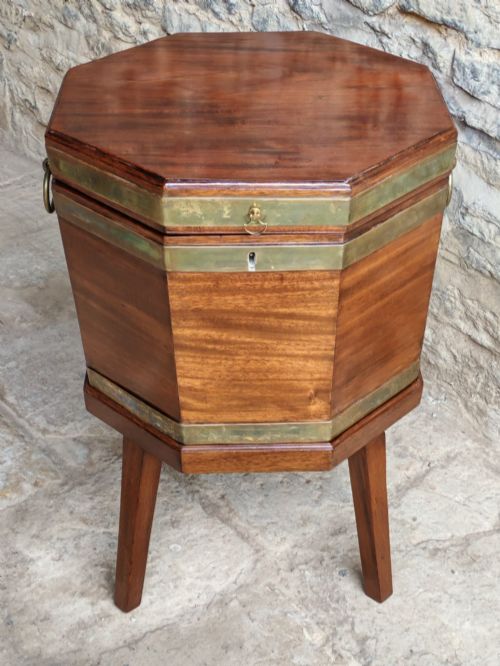


Georgian Octagonal Caddy
A georgian octagonal caddy brings geometric symmetry and fine cabinet-making into the home, prized for housing precious loose leaf tea.
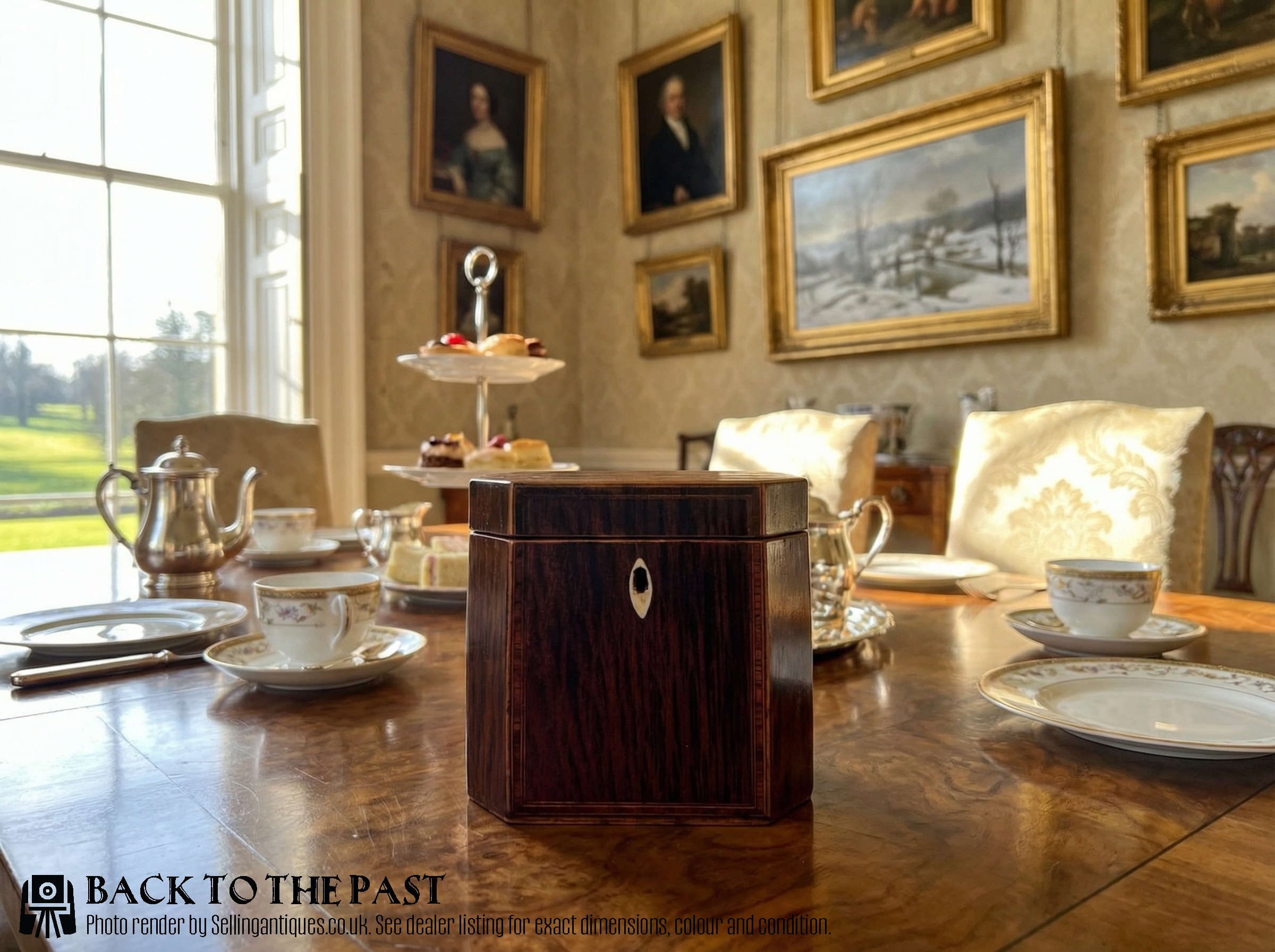
Georgian Octagonal Caddy
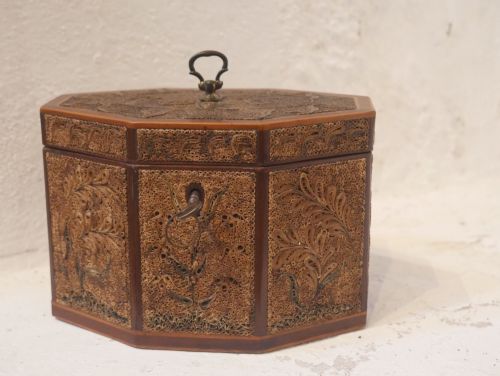
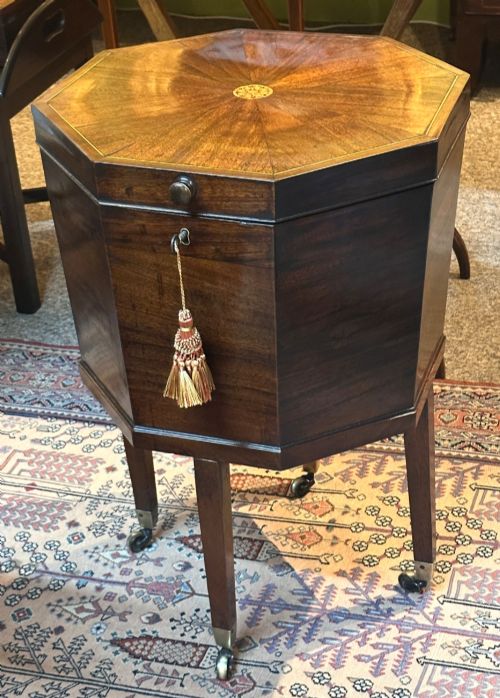
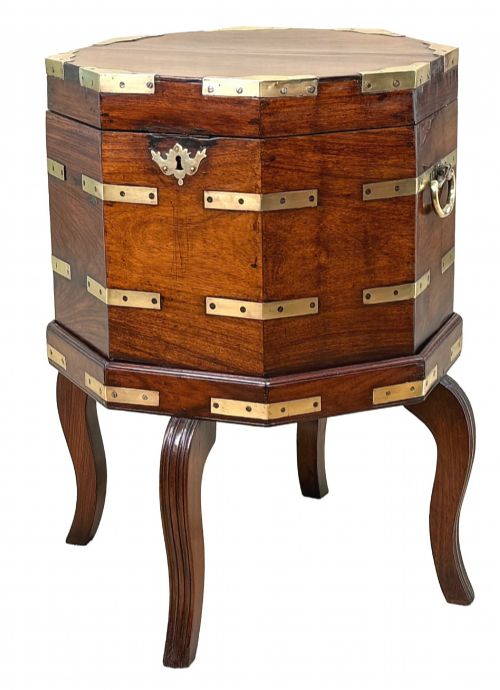
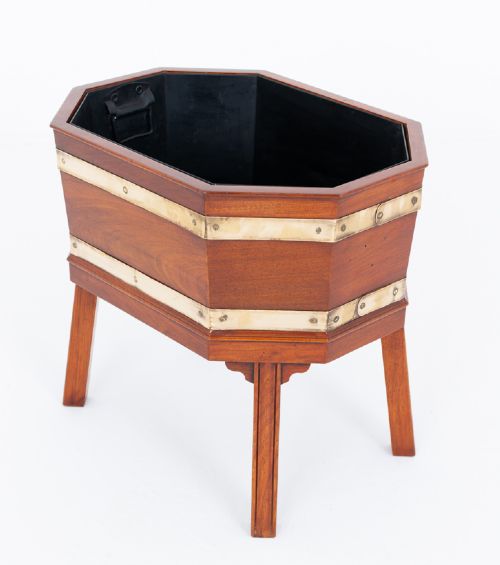
A georgian octagonal caddy represents a specialised form of domestic container designed to store and preserve expensive tea leaves during the eighteenth and nineteenth centuries. These pieces typically present eight-sided timber construction, often appearing as tabletop tea caddies or larger floor-standing cellarettes and wine coolers sharing the same geometric profile.
The specimens met on this page span the eighteenth century and the Regency period, demonstrating how cabinet-makers adapted the octagonal silhouette across different scales. Alongside traditional tea caddies, the selection includes fitted teapoys and brass-bound wine coolers that utilise the same eight-sided geometry.
Makers of these items drew upon diverse timbers and decorative techniques, producing functional objects that doubled as ornaments for the reception room. Buyers searching for a georgian octagonal caddy encounter everything from plain mahogany boxes to elaborate examples finished with shell inlays and tortoiseshell.
Materials and Construction
Cabinet-makers constructed these containers using dense hardwoods such as mahogany, padouk, partridge wood, harewood and yew wood, often applying sophisticated wood inlay techniques. Boxwood, satinwood and bone frequently provide contrasting stringing and geometric motifs across the exterior surfaces.
Metal fittings played a crucial structural and decorative role, with brass bands, escutcheons and carrying handles reinforcing the multi-sided joints. Tortoiseshell application and paper filigree also appear among the surviving methods utilised to finish the exteriors.
Listings feature eighteenth-century and Regency period pieces constructed from mahogany, yew wood, satinwood, tortoiseshell and brass-bound timber.
Evaluating Quality and Craftsmanship
Quality in these pieces rests upon the precision of the mitred joints where the eight sides meet and the crispness of the timber selection. Flame mahogany or figured yew wood displays deliberate grain alignment that accentuates the geometric facets rather than masking them.
The integrity of internal fittings, such as original mixing bowls, foil-lined canisters and functioning locks with matching keys, elevates an example. Subtle details like finely executed shell inlays and tight brass binding distinguish superior cabinet-work from simpler utilitarian boxes.
Gillows
The Georgian Octagonal Caddy Glossary
- Tea Caddy
- A small container designed to store loose leaf tea securely. They frequently featured internal compartments and locking lids to protect the valuable contents.
- Cellarette
- A large freestanding or floor-standing container used for cooling and storing wine bottles. Many examples adopt an octagonal form lined with lead or metal.
- Teapoy
- A pedestal table fitted with a tea caddy box mounted directly onto the central column. These pieces often incorporate internal caddies and mixing bowls.
- Inlay
- A decorative technique where contrasting pieces of wood, shell or bone are inserted into depressions within the primary surface. This method creates geometric patterns and pictorial motifs.
- Tortoiseshell
- A mottled brown and amber material harvested from the shell of sea turtles, applied in thin sheets to timber carcasses. It enjoyed great popularity during the Regency period.
Georgian Octagonal Caddy: Frequently Asked Questions
What is a georgian octagonal caddy?
A georgian octagonal caddy is an eight-sided lidded box constructed by cabinet-makers during the eighteenth and early nineteenth centuries to store dry tea leaves.
These objects reflect the high status of tea at the time, featuring secure locks and compartmented interiors to keep different varieties fresh and protected.
How were these caddies used?
Households kept them in reception rooms, where the master or mistress of the house would portion out expensive tea leaves for brewing. They acted as both functional storage vessels and decorative statement pieces on side tables.
Because tea was a luxury commodity, the caddy remained locked between uses to prevent theft by domestic staff.
How do I identify the wood types?
Makers utilised native and exotic timbers, recognisable through distinct grain patterns and colour variations. Mahogany appears deep reddish-brown, while yew exhibits complex knotting and pale golden hues.
Satinwood provides a bright, reflective yellow finish, and exotic varieties like partridge wood display characteristic partridge-feather patterning across the facets.
Are wine coolers related to tea caddies?
Cellarettes and wine coolers share the same octagonal geometry and cabinet-making techniques as tea caddies but serve a different domestic function. They were built on a larger scale to hold wine bottles near the dining table rather than leaves in the parlour.
Both forms utilise robust timber construction and often feature matching brass bands or carrying handles.