


Decorative Porcelain Mantel Vases
These decorative porcelain mantel vases bring colour and classical symmetry to a room, turning a fireplace ledge into a formal display.
Decorative Porcelain Mantel Vases
Decorative porcelain mantel vases are ornamental vessels created in pairs or garnitures to sit symmetrically upon a fireplace shelf. The pieces seen here span the eighteenth, nineteenth, and early twentieth centuries, with a strong emphasis on nineteenth-century European and Asian traditions.
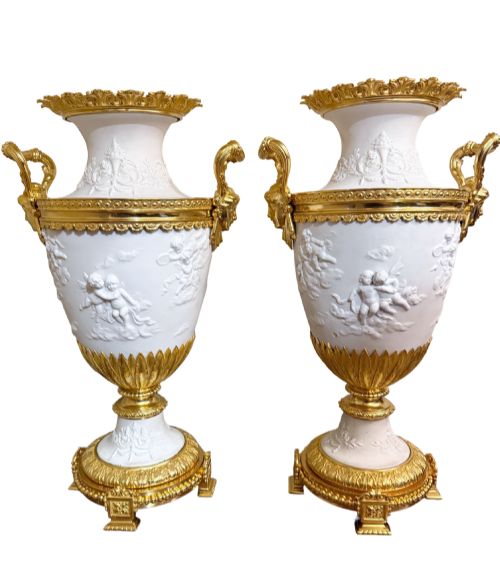
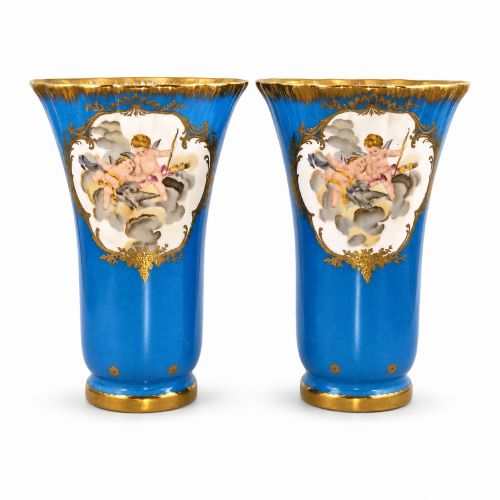
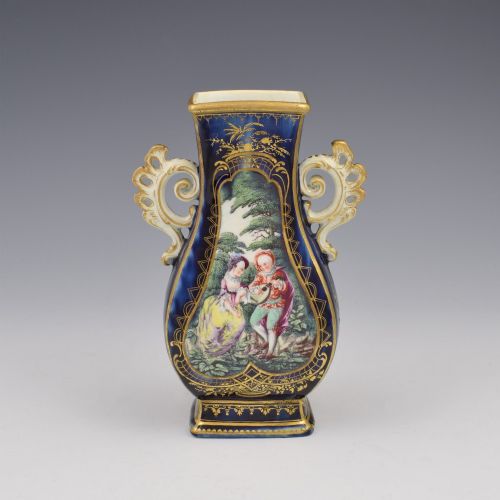
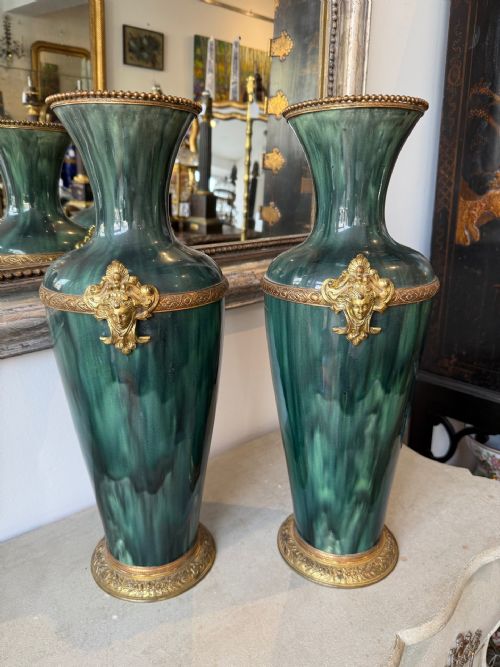
Buyers will encounter various forms, ranging from classical urns and lidded ginger jars to cornucopia and clock garniture sets. Many items draw inspiration from French Sevres style or incorporate gilt bronze and ormolu mounts to enhance their architectural presence.
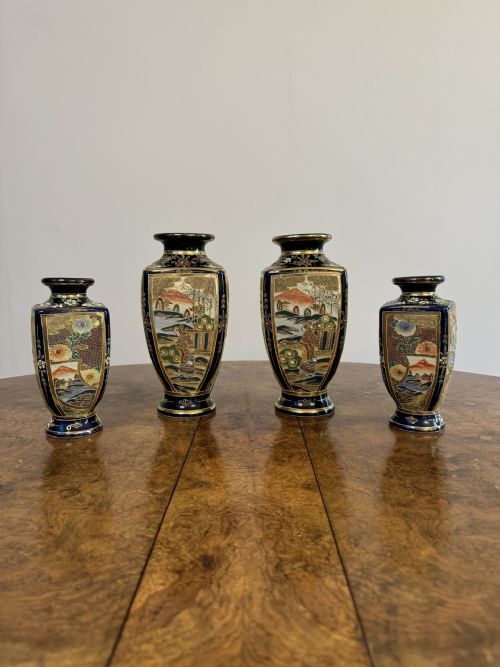
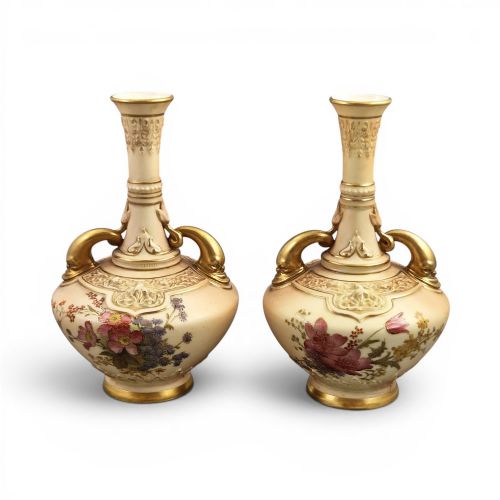
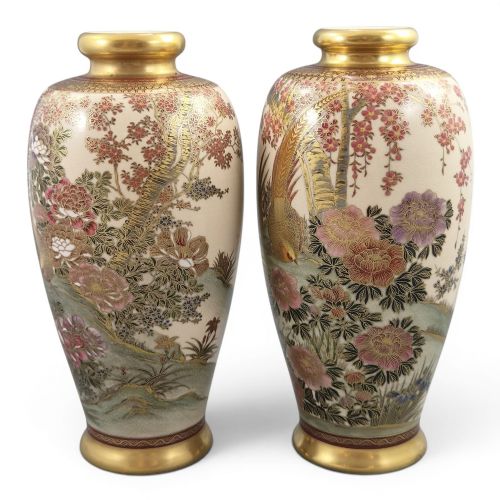
The selection includes English works from factories such as Royal Worcester alongside continental European creations and Japanese Satsuma or Kutani pieces. These wares often reflect periods like the Victorian era, Edwardian period, and Meiji period.
Materials and production methods
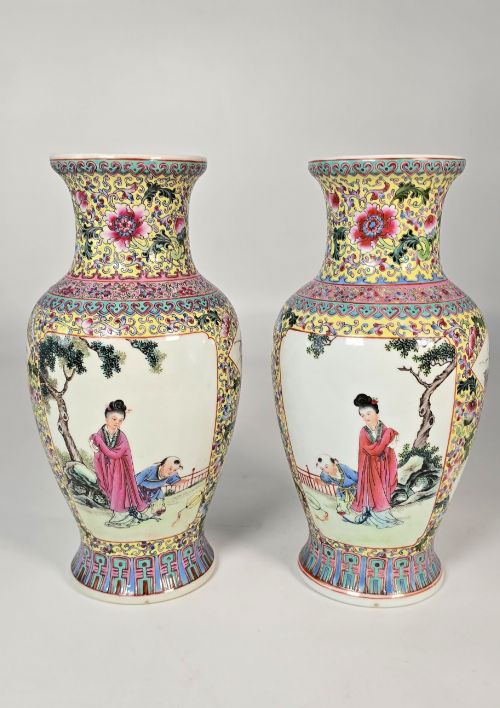
Manufacturers shaped these objects using porcelain, ceramic, earthenware, and ironstone, applying glazes such as blush ivory or mottled green to the clay bodies. Hand-painting frequently decorated the surfaces, showing scenes or botanical motifs.
Craftsmen enriched the porcelain using gold leaf, gilt, and enamel work to highlight intricate details. Ormolu and gilt bronze mounts were added to support or frame the ceramic bodies on many nineteenth-century pieces.
Materials represented range from porcelain and earthenware to gilt bronze and gold leaf.
Assessing quality in the collection
Quality rests upon the precision of the hand-painting and the crispness of the porcelain moulding, where refined brushwork separates standard production from finer studio output. The integration of metal mounts, such as ormolu handles and bases, also indicates the level of care taken in construction.
The sophistication of the glaze and gilding execution dictates visual depth, with layered enamels and secure gold leaf showing superior execution. Maker marks and attribution to established houses or specific artists add historical weight to individual pieces.
Samson Paris·Royal Worcester·Manpei Kobe·Wolfsohn Dresden·Royal Dux·Royal Crown Derby
The Decorative Porcelain Mantel Vases Glossary
- Garniture
- A set of matching vases or urns, usually numbering three or five pieces designed for uniform mantel display.
- Ormolu
- Gilded bronze mounts applied to the base, rim, or handles of porcelain vessels during the eighteenth and nineteenth centuries.
- Bleu Celeste
- A bright, light blue enamel ground colour famously utilised in Sevres porcelain decoration.
- Satsuma
- Japanese earthenware pottery featuring a crackle-glaze finish decorated with coloured enamels and gold.
- Bisque
- Unglazed fired porcelain that has a matte, biscuit-like texture often used for classical figures.
Decorative Porcelain Mantel Vases: Frequently Asked Questions
What is a mantel garniture?
A mantel garniture consists of three or more matching ceramic vessels designed to be arranged together symmetrically across a fireplace. These sets usually feature a central lidded urn flanked by smaller matching vases.
They gained popularity in European interiors during the eighteenth and nineteenth centuries to provide a balanced architectural display against the chimney breast.
How do I date these porcelain vases?
Dating relies on identifying factory marks, stylistic influences such as Neoclassical or Rococo Revival, and manufacturing materials. Nineteenth-century pieces often incorporate gilt bronze mounts and hand-painted panels.
Comparing the glaze type and potting style to known regional outputs helps narrow down the decade of production.
Where were these vases displayed?
These decorative items were primarily placed on fireplace mantelpieces where their colours and gilt mounts could catch the light of the room. They also adorned console tables and large cabinets in formal reception rooms.
Their symmetrical design made them ideal focal points for balanced interior decoration schemes.
What is the difference between porcelain and earthenware here?
Porcelain is a vitrified ceramic material that is hard, white, and translucent when held to light. Earthenware, such as Satsuma ware, is fired at lower temperatures and is opaque with a porous body.
Both materials served as canvases for detailed hand-painting and gilding in the pieces found on this page.