



Antique French Porcelain Jars
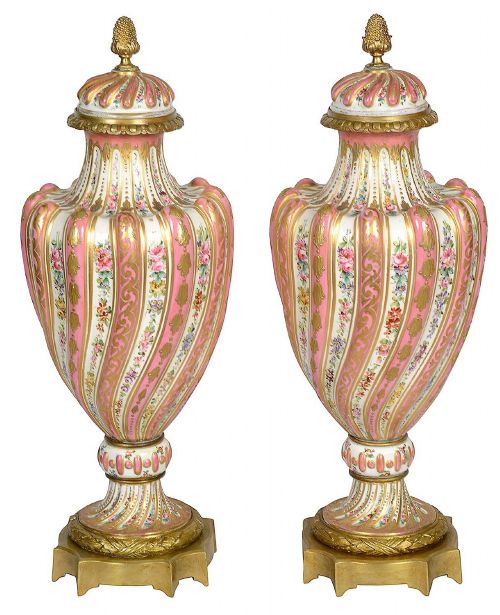
These antique french porcelain jars bring together glazed ceramic, gilt metal mounts, and hand-painted detail from nineteenth-century workshops.
Antique French Porcelain Jars
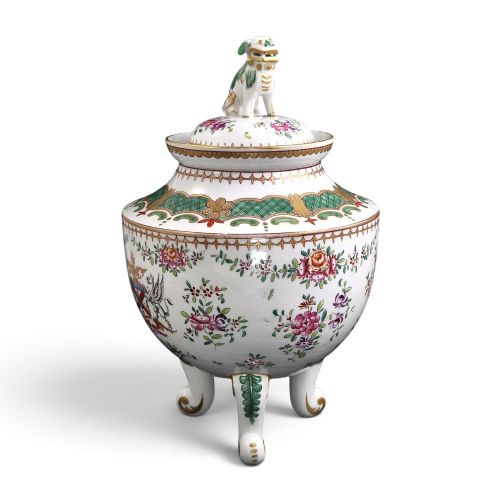
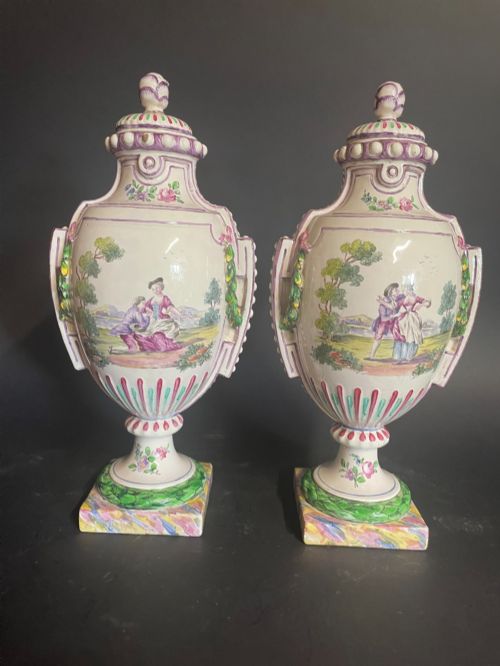
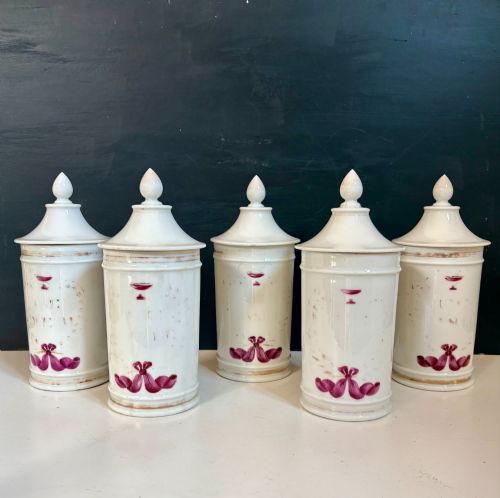
When you search for antique french porcelain jars, you encounter covered vessels, lidded urns, potpourri containers, and powder boxes created across the nineteenth and early twentieth centuries. These objects range from nineteenth-century apothecary jars and Samson of Paris armorial vessels to Art Deco Limoges powder bowls from nineteen thirty.
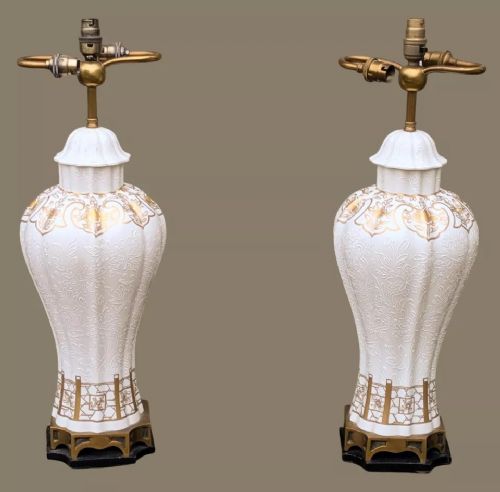
Table lamps adapted from Paris porcelain vases also appear among these listings, showing how utilitarian and decorative forms overlap. Whether you examine a nineteenth-century trinket box or a nineteen-thirty ceramic bonbonnière, each item reflects the diverse output of French ceramic traditions.
How they were made
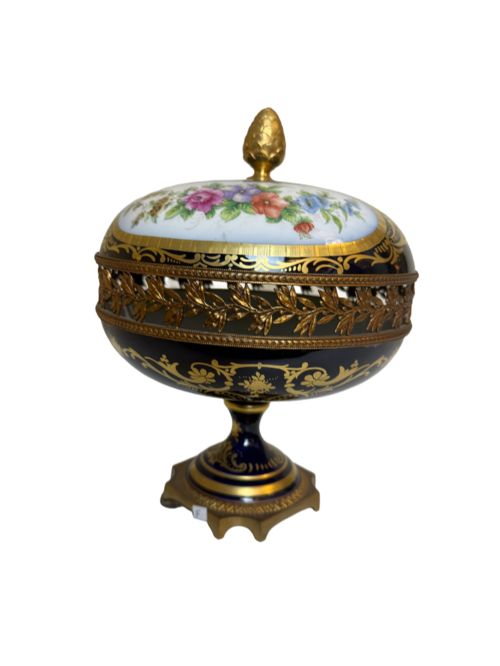
Makers shaped porcelain, faience, and ceramic bodies before applying detailed hand-painted glazes, often incorporating enamel work and gold leaf. Many vessels feature cast or chased ormolu, brass, and gilt metal mounts that frame the ceramic elements.
Kiln techniques allowed workshops to produce both delicate trinket boxes and robust apothecary jars with fitted lids. Artisans combined traditional potting methods with decorative metalwork to secure covers, bases, and handles onto the porcelain bodies.
Nineteenth-century French powder boxes occasionally conceal half-doll ceramic figures emerging directly from the middle of the bowl.
What varies in quality
The nuance in these objects lies in the crispness of the hand-painted decoration and the weight of the gilt metal mounts. Finer pieces demonstrate precise brushwork on the porcelain surface and secure, well-fitted metal collars and handles.
Workshops such as Samson of Paris or Limoges produced varying grades of decorative wares, where the depth of the glaze and the complexity of the armorial or avian motifs dictate the distinction between standard and exceptional examples.
Samson Paris·Sceaux Faience·Limoges·Sevres·Chelsea Porcelain
The Antique French Porcelain Jars Glossary
- Ormolu
- Gilt bronze applied to mounts and decorative details. This technique adds metallic contrast to porcelain vessels.
- Faience
- Tin-glazed earthenware produced in European potteries. It offers an opaque surface for painted designs.
- Bonbonnière
- A small ornamental container made for holding sweets. These lidded jars often double as vanity table accessories.
- Armorial
- Bearing a coat of arms or heraldic insignia. Such decoration frequently appears on nineteenth-century cabinet pieces.
- Chinoiserie
- European artistic interpretations of Chinese motifs. Artisans applied these decorative scenes to vases and jars.
Antique French Porcelain Jars: Frequently Asked Questions
What were antique french porcelain jars used for?
These vessels served various domestic functions, from storing dry goods in nineteenth-century apothecary settings to holding potpourri or cosmetics on dressing tables.
Smaller covered boxes accommodated powders and trinkets, while larger lidded urns and vases functioned purely as decorative centerpieces in period interiors.
How do I identify a Sèvres style vase?
Pieces executed in the Sèvres style typically feature rich coloured grounds, elaborate hand-painted bird or classical scenes, and heavy gilt metal or ormolu mounts.
Makers frequently emulated the distinctive palette and decorative vocabulary of the famous French royal manufactory during the nineteenth century.
What is the difference between porcelain and faience?
Porcelain uses refined white clay fired at high temperatures to create a vitrified, non-porous body. It often shows a translucent quality when held to the light.
Faience relies on an earthenware body covered with an opaque tin glaze, providing a different weight and surface texture for hand-painted designs.
How do I live with antique porcelain jars?
Display these lidded vessels on stable surfaces away from direct sunlight and high-traffic areas to protect delicate hand-painted glazes and gilt mounts.
When cleaning, use a dry, soft cloth and avoid chemical agents that might harm the enamel or the gold leaf details.