



French Ceramic Vases Pair
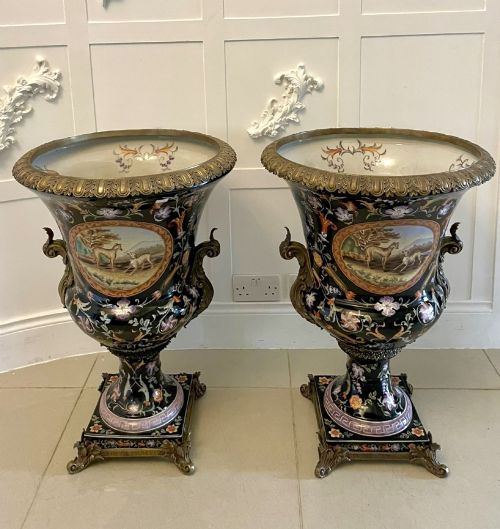
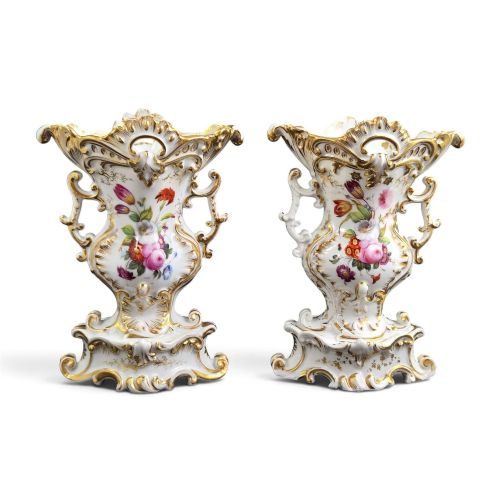
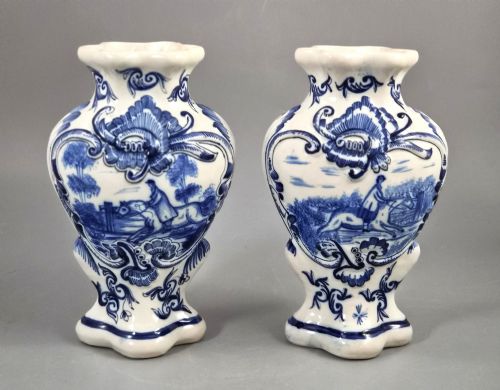
These French ceramic vases pair pieces bring ornamental symmetry to a room, offering matched pottery and porcelain created for display.
French Ceramic Vases Pair
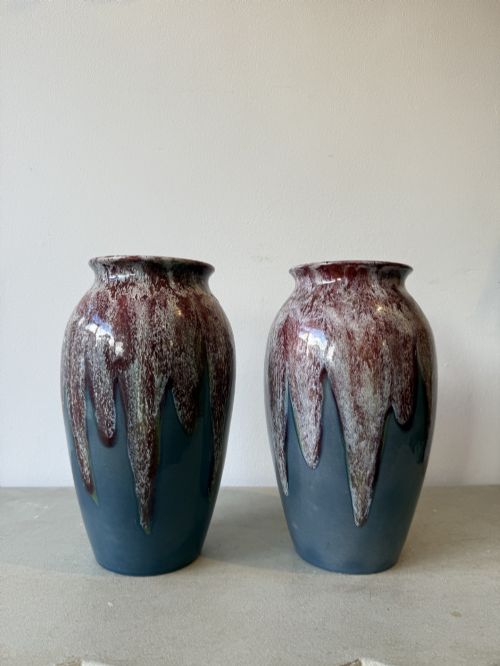
A french ceramic vases pair consists of two matched decorative vessels designed for balanced placement on mantelpieces, consoles or side tables. Buyers seeking this phrase encounter porcelain, faience and earthenware works originating primarily from nineteenth-century France.
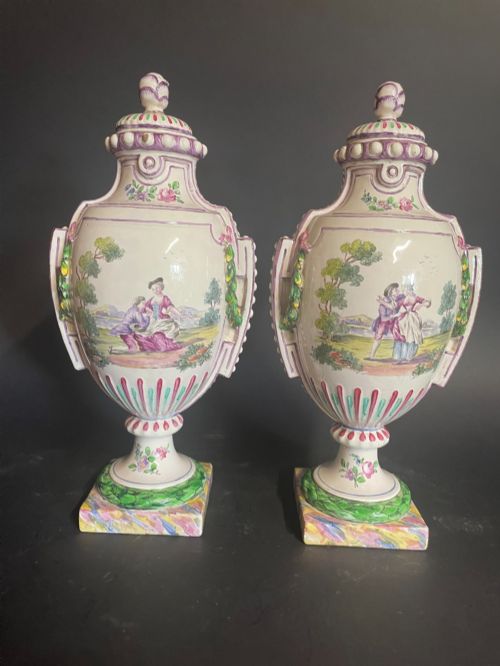
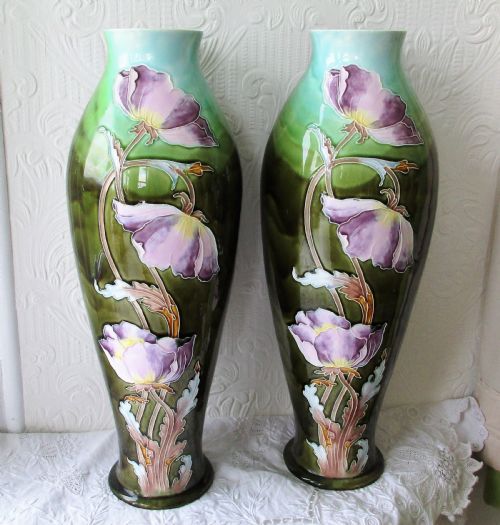
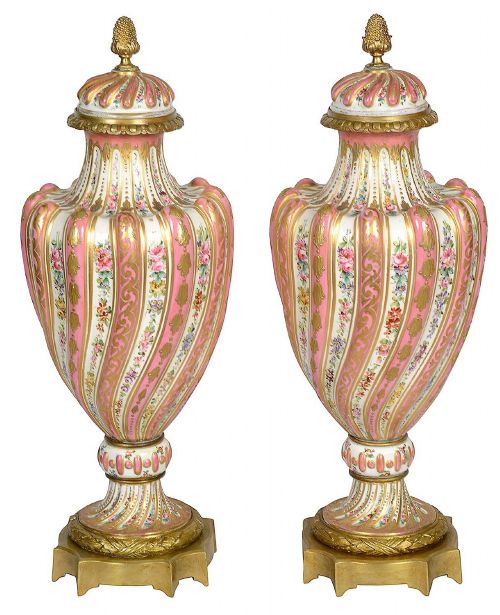
The selections span distinct stylistic movements, including Rococo Revival forms, Sèvres-style presentation pieces, and later Art Nouveau designs. Forms range from lidded urns and Medici vases to jardinières and tall decorative shapes.
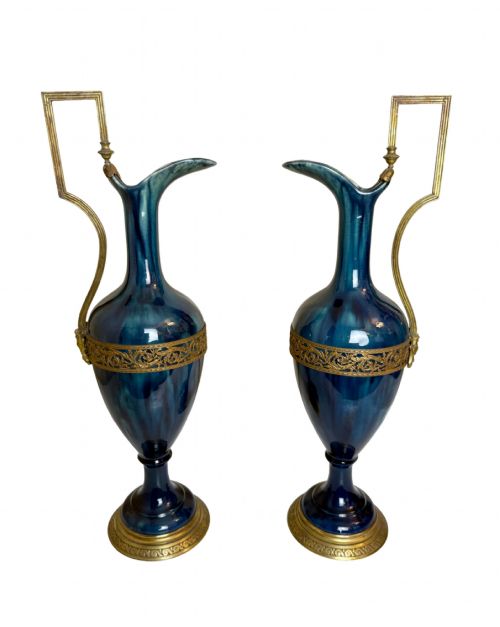
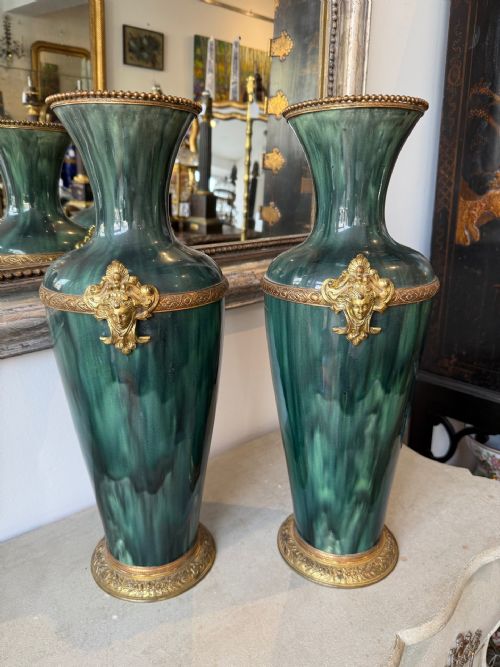
Many examples incorporate metal mounts, uniting ceramic bodies with gilt bronze, ormolu or brass fittings. These matched pairs functioned originally as garniture sets or standalone decorative ornaments in formal interiors.
How they were made
Makers shaped these vessels from ceramic bodies such as soft-paste porcelain, earthenware and tin-glazed faience, applying hand-painted polychrome decoration, enamels and gilding. Artisans frequently utilised techniques like pâte-sur-pâte to build raised white designs upon coloured grounds.
Metalworkers fabricated mounts in ormolu, gilt bronze and brass to encase the ceramic bases, secure handles, and form decorative rims or pedestals. These metal elements were cast, chased and gilded before being fitted to the fired ceramic bodies.
Listings feature nineteenth-century French ceramics including porcelain, faience and earthenware mounted in gilt bronze and ormolu.
What varies in quality
The standard of a french ceramic vases pair depends on the precision of the hand-painting, the richness of the enamel palette, and the crispness of the gilt bronze mounts. Finer works display meticulous brushwork, finely detailed floral or figural scenes, and heavy, well-chased ormolu casting.
Workshop origin also separates grades, with pieces produced by established factories like Sèvres or skilled Parisian decorators exhibiting superior ceramic body refinement compared to commercial earthenware.
Jacob Petit·Fourmaintraux-Courquin·Sceaux·Samson Paris·Jules Vieillard
The French Ceramic Vases Pair Glossary
- Ormolu
- Gilt bronze mounts applied to furniture, clocks and vases. The process involves coating bronze with a mercury and gold amalgam before heating.
- Faience
- Tin-glazed earthenware produced across Europe. This technique creates an opaque white surface suitable for painted decoration.
- Bleu Céleste
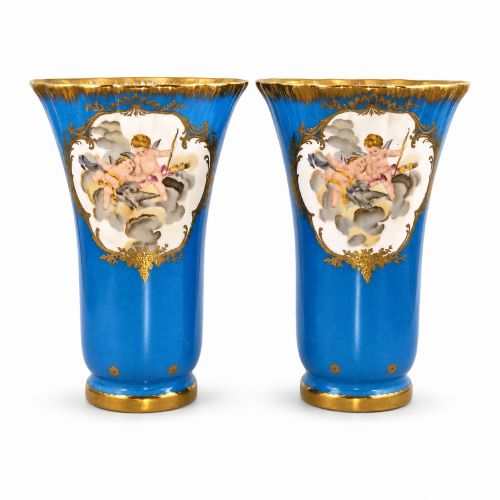
- A bright turquoise blue ground colour developed at the Sèvres porcelain factory. It appears frequently on nineteenth-century revival wares.
- Pâte-sur-pâte
- A ceramic decorating method where successive layers of liquid clay slip are applied to a body to build up a low relief cameo effect.
- Garniture
- A set of three or more matched decorative vases or objects designed to be displayed together on a mantelpiece or cabinet top.
French Ceramic Vases Pair: Frequently Asked Questions
What is a garniture set?
A garniture set consists of three or more matched vases or urns designed to be displayed together as a decorative unit on a mantelpiece or sideboard.
These sets provide symmetrical arrangement and unified ornamentation for formal nineteenth-century interiors.
How do I identify Sèvres style?
Sèvres style pieces typically feature rich ground colours like bleu céleste or deep blue, combined with hand-painted panels of figures or flowers framed in heavy gilding.
Many of these works were produced by other nineteenth-century Parisian factories paying homage to the famous royal porcelain works.
What is ormolu mounting?
Ormolu mounting involves cast bronze elements finished with gold leaf or mercury gilding and attached to the ceramic body.
These mounts serve both structural and decorative purposes, framing handles, rims and bases to enhance the opulence of the vase.