





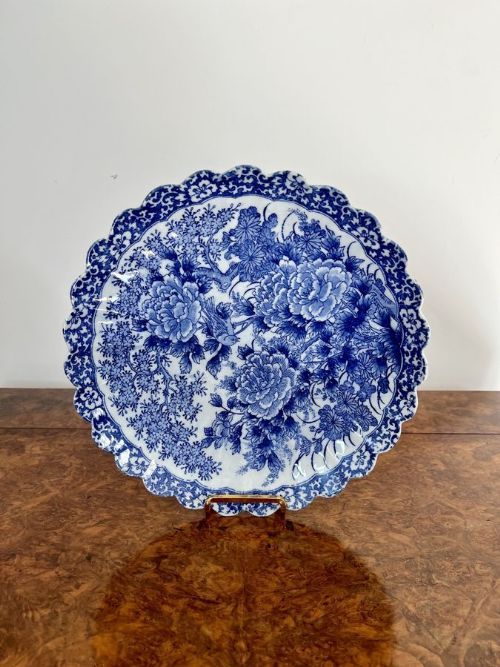
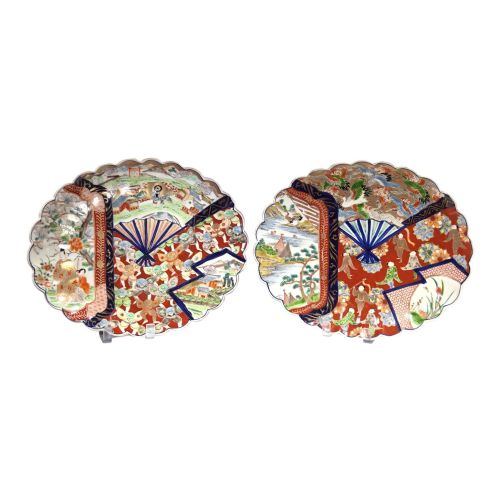

Decorative Imari Wall Plates
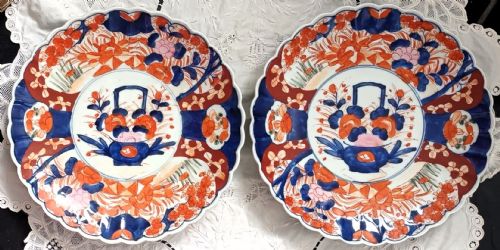
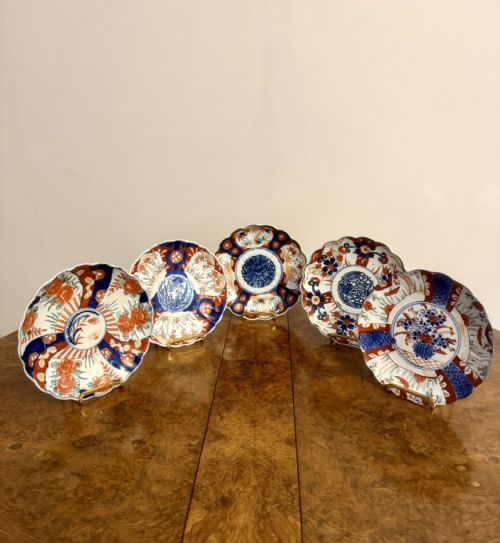
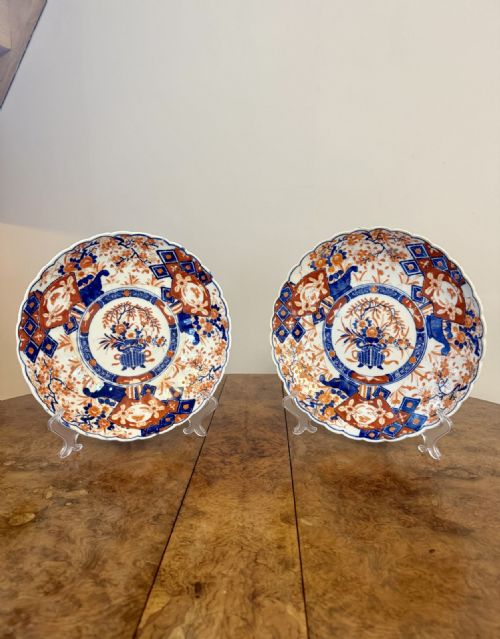
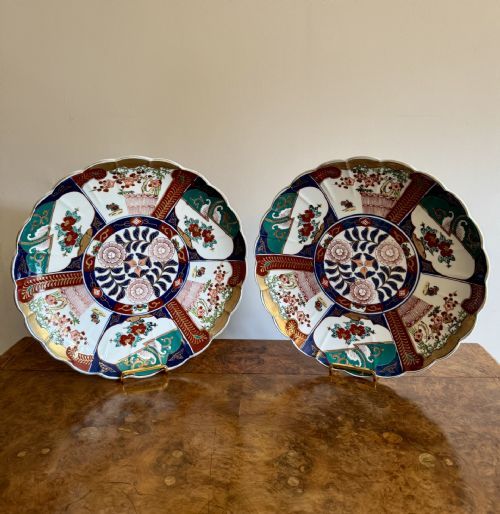
Decorative imari wall plates bring rich cobalt and iron-red palettes to interiors, combining Japanese and European ceramic traditions in striking display pieces.
Decorative Imari Wall Plates
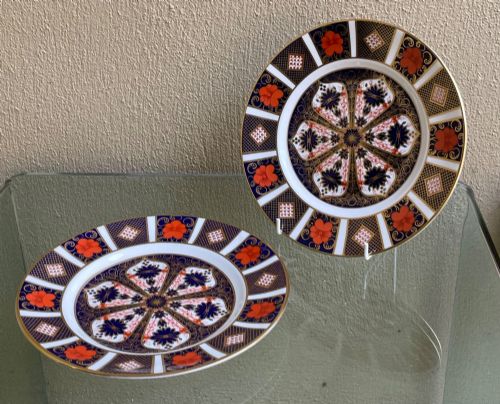
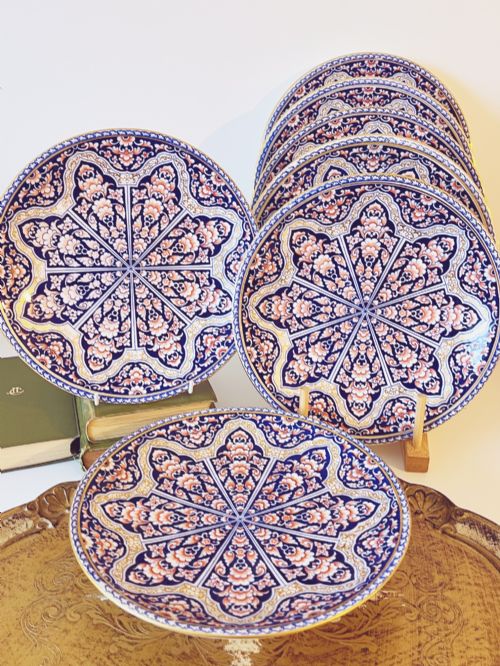
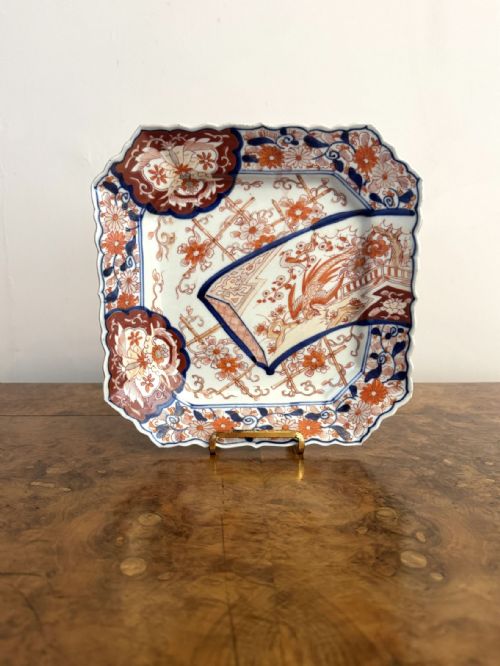
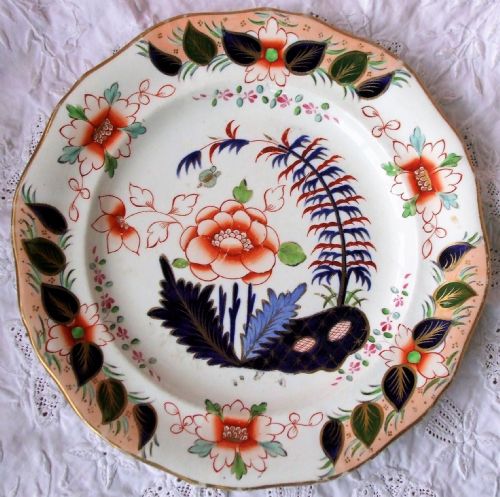
Decorative imari wall plates span Japanese production from the Edo and Meiji periods alongside later English interpretations from factories such as Royal Crown Derby and Staffordshire potteries. When searching for decorative imari wall plates, collectors encounter large chargers, scalloped dishes and square plates featuring characteristic blue, iron-red and gilt ornamentation.
The selection ranges from nineteenth-century Japanese Arita exports to English ironstone and bone china services produced in the Imari style. Japanese Meiji period examples frequently depict traditional motifs like the Seven Lucky Gods or koi carp, while English makers adapted the palette for Victorian dining rooms and dessert services.
How they were made
Potters shaped porcelain, bone china, ironstone or stoneware before applying cobalt underglaze pigments for the deep blue sections of the design. Enamel colours and gold leaf accents were added over the glaze during a subsequent firing to achieve the vibrant contrast typical of the style.
Japanese artisans utilised hand-painted techniques on porcelain bodies, while English manufacturers adapted transfer-printing and hand-finishing methods on earthenware and bone china bodies.
Materials recorded across the inventory include porcelain, bone china, ironstone, enamel, glaze and gold leaf.
What varies in quality
Quality rests in the crispness of the hand-painted brushwork, the depth and registration of the cobalt underglaze, and the generosity of the gilding. Superior examples display precise alignment between the underglaze blue and the overglaze enamels.
The weight of the porcelain body and the complexity of the painted motifs, such as figural scenes depicting deities or detailed flora, separate standard production pieces from finer display chargers.
Royal Crown Derby·John Davenport of Longport·John Ridgway
The Decorative Imari Wall Plates Glossary
- Imari style
- A decorative scheme originating in Japan featuring a palette of cobalt blue, iron red and gilt highlights. European factories later copied these distinct patterns on local ceramic bodies.
- Charger
- A large decorative plate traditionally used for ceremonial display rather than dining. These pieces measure significantly larger than standard dinner plates.
- Cobalt underglaze
- A blue pigment applied to the raw ceramic body before glazing and firing. This technique protects the pigment beneath a glossy vitreous layer.
- Meiji period
- The era of Japanese history lasting from 1868 to 1912, marked by increased export ceramics directed towards Western markets.
- Ironstone
- A durable type of heavy earthenware patented in England during the nineteenth century. It served as a robust alternative to imported porcelain.
Decorative Imari Wall Plates: Frequently Asked Questions
How do I hang imari wall plates safely?
Use spring-loaded brass wall hangers that distribute the weight evenly across the rim without scratching the glaze. Ensure the fixing is secured firmly into a wall stud or appropriate masonry anchor.
Avoid adhesive disc hangers attached directly to the base, as the weight of large chargers can cause the adhesive to fail over time.
Are these plates meant for dining?
Most pieces intended for display are wall chargers or cabinet plates featuring delicate overglaze enamels and gold leaf that wear away with regular use. Dessert services and standard plates were originally utilised for dining but now primarily serve decorative purposes.
Hand-washing is essential for older pieces to preserve the integrity of the overglaze pigments and metallic highlights.
How do I tell Japanese imari from English imari?
Japanese pieces generally utilise fine translucent porcelain bodies with blue underglaze and iron-red enamels applied by hand. The foot rings often reveal characteristic firing marks from kiln supports.
English imari typically employs denser ironstone, earthenware or bone china bodies, frequently bearing factory stamps, pattern numbers or date marks on the reverse.
What period are most imari plates from?
The majority of available decorative imari wall plates date from the late nineteenth century, coinciding with the Meiji period in Japan and the height of Victorian production in England. Eighteenth-century examples also appear alongside mid-twentieth-century revivals.
Stylistic details and maker marks help narrow down the exact decade of manufacture.