
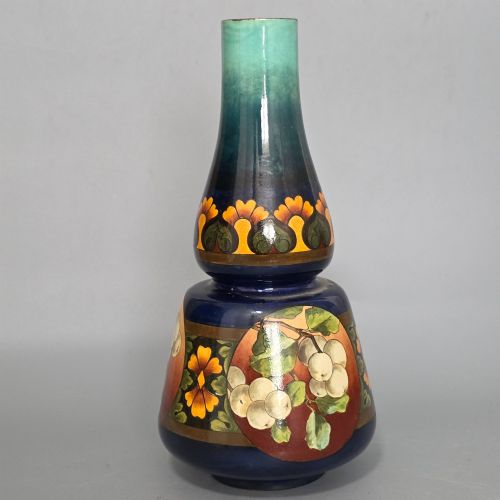
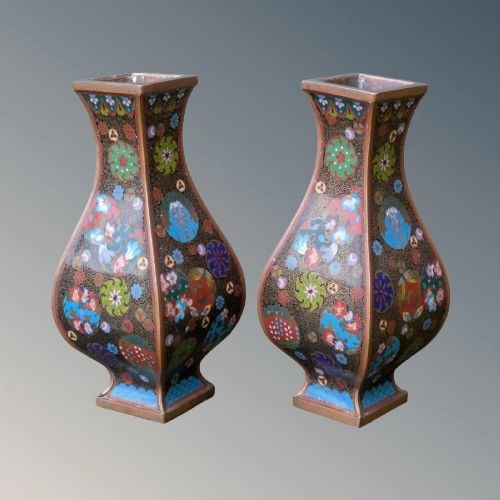
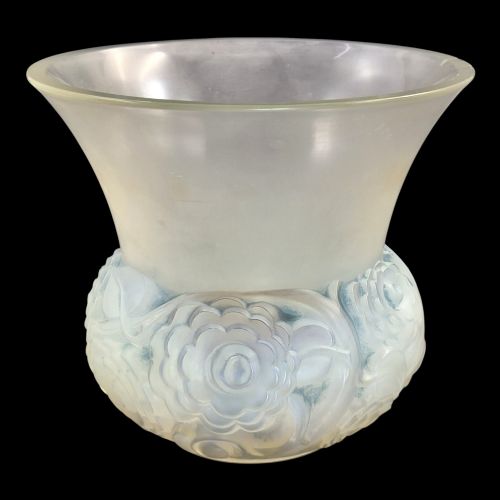
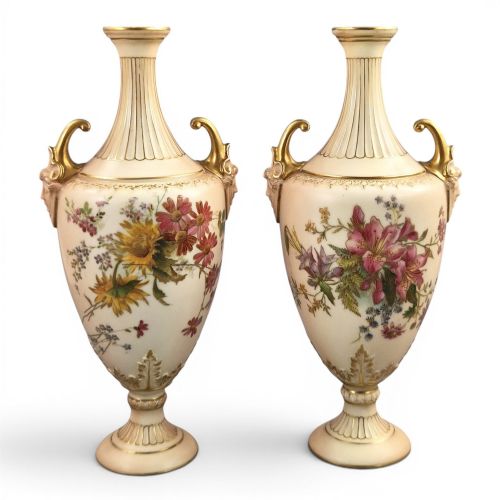
Decorative Floral Vase
These decorative floral vase examples span centuries of ceramic, glass, and metalwork artistry, offering vibrant botanical motifs to elevate any room.
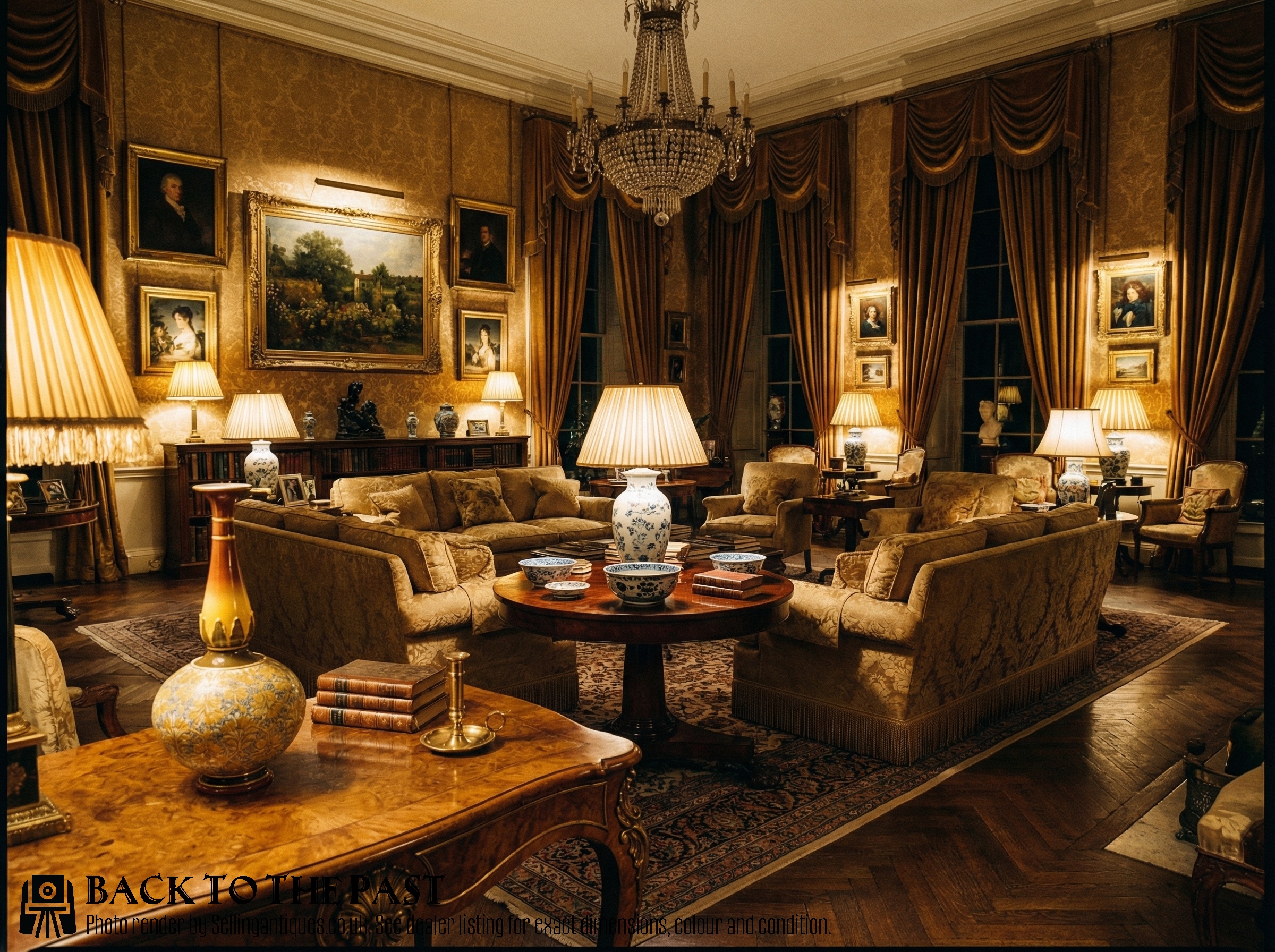
Decorative Floral Vase
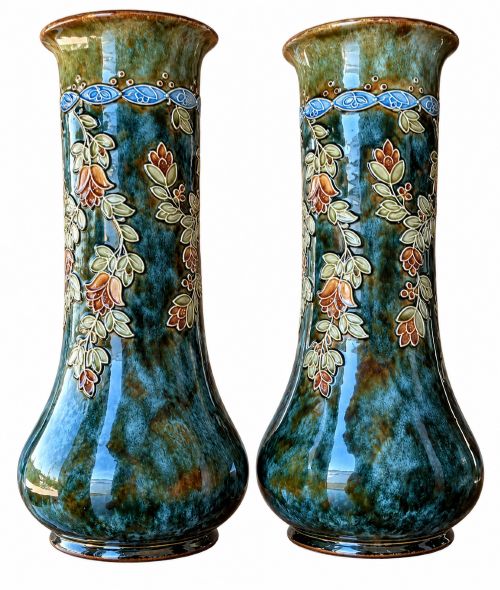
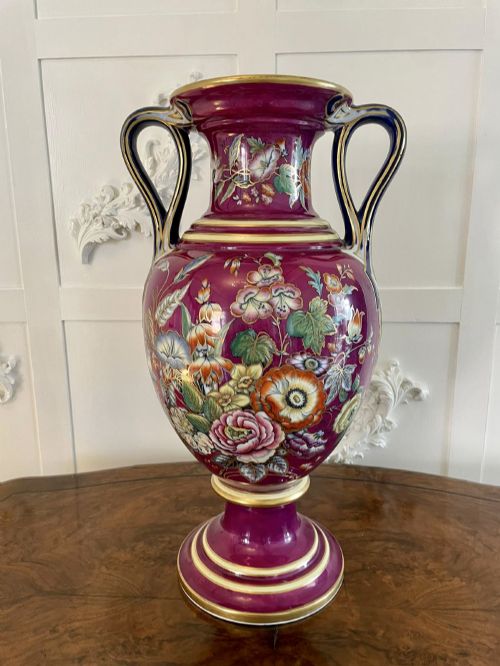
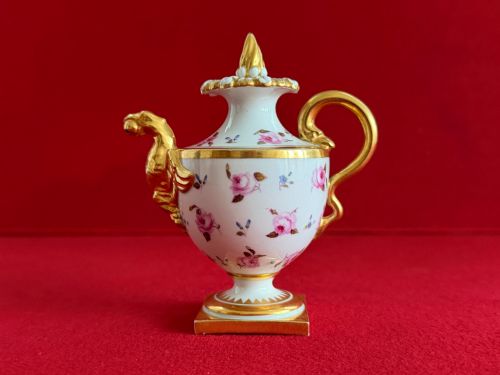
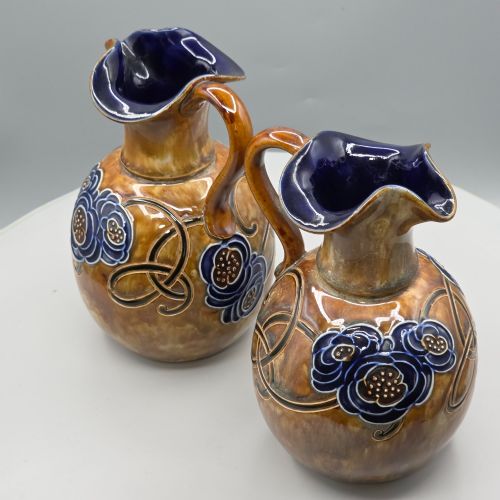
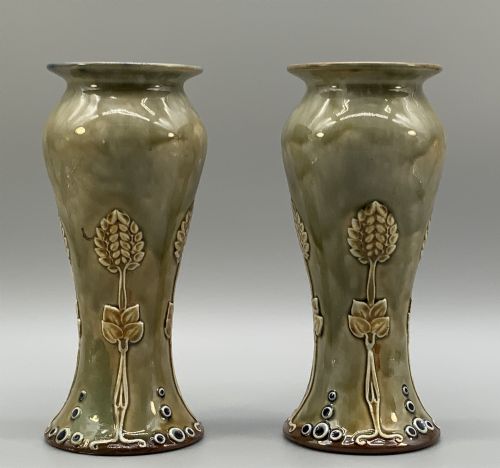
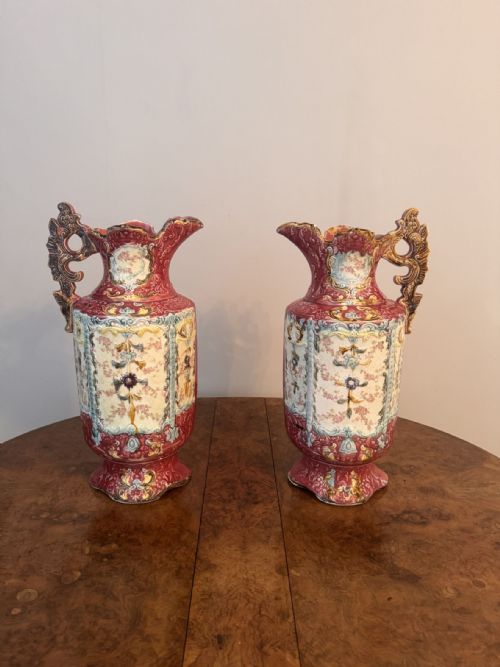
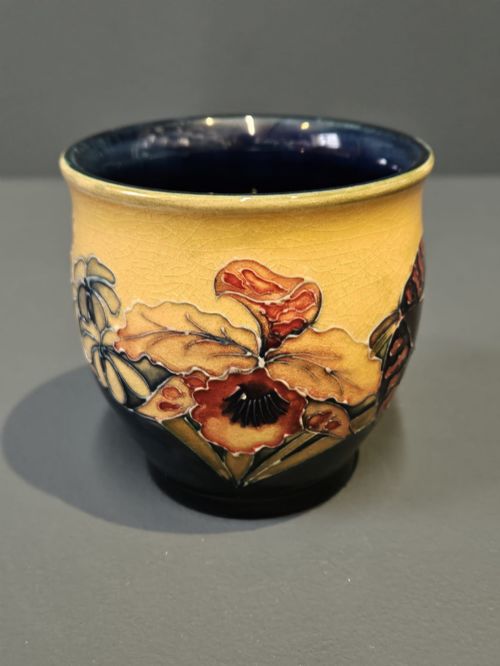
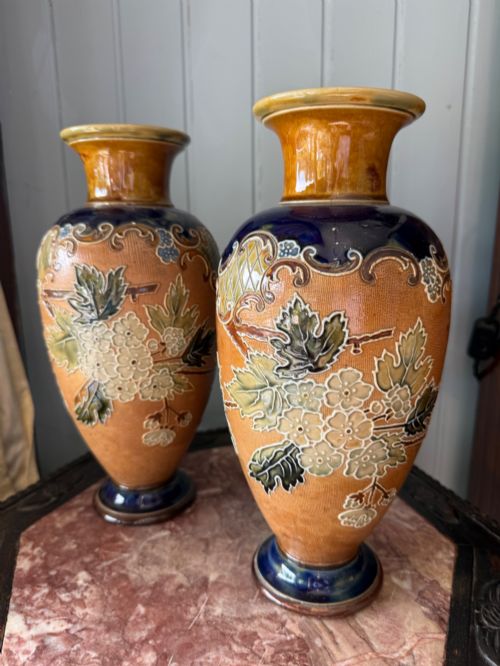
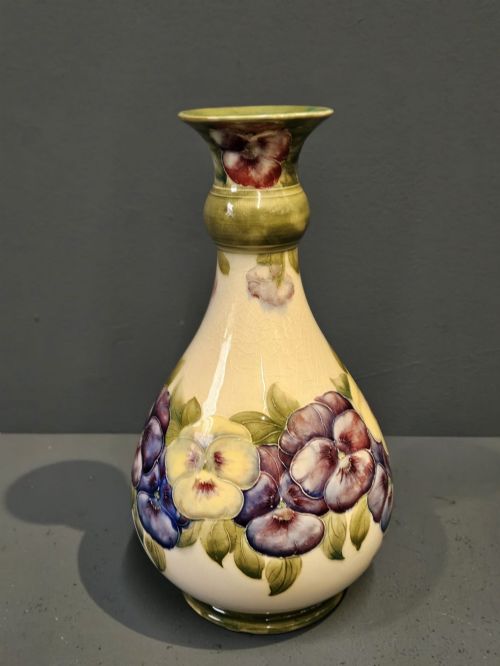
A decorative floral vase brings botanical ornament into domestic spaces through varied forms such as baluster shapes, campagna urns, ewers, and ginger jars.
The selections encountered here range across the nineteenth century, the Edwardian era, and into the twentieth century, reflecting shifting tastes in interior display.
Makers and artisans employed mediums spanning porcelain, stoneware, earthenware, bronze, copper, and cameo glass to render floral and plant subjects.
How they were made
Pottery vessels utilise ceramic, stoneware, or porcelain bodies shaped on the wheel or cast in moulds, then finished with glazes, enamel, or hand-painted botanical details.
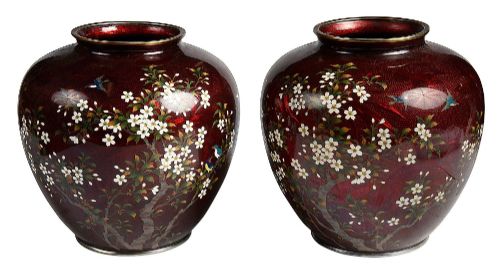
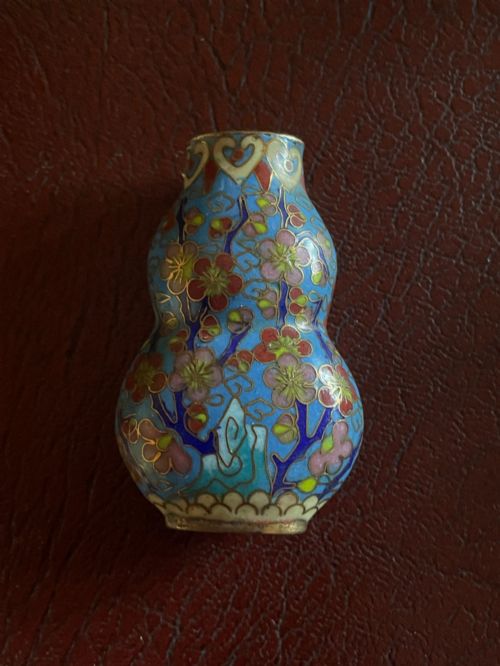
Metal vessels involve bronze, copper, or silver worked through techniques like cloisonné, champlevé, and pietra dura inlay with stone.
Glass pieces incorporate cameo carving and acid-etching to reveal multi-layered floral designs in high relief.
Listings feature periods from the nineteenth century through the 1930s, utilising materials such as porcelain, stoneware, copper, and glass.
What varies in quality
The refinement of the botanical painting or enamel work dictates the visual impact, distinguishing casual production from master artistry.
Precision in manufacturing, such as crisp casting in bronze or sharp definition in cameo glass layers, separates standard wares from superior examples.
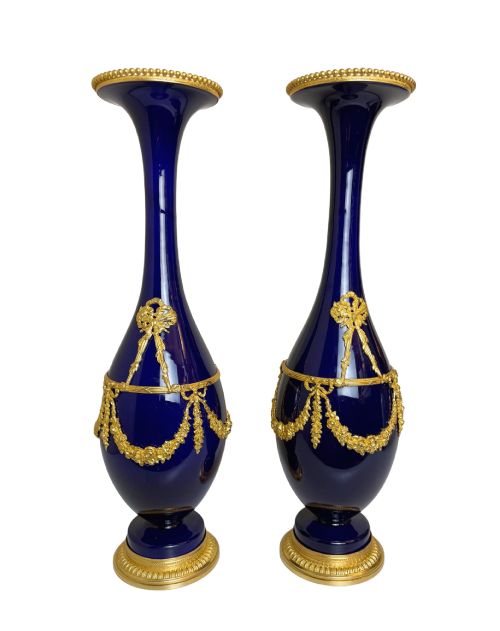
The integrity of the glaze or surface finish, along with the preservation of applied gilding and metalwork wire, marks the distinction.
Royal Doulton·Flight Barr And Barr·Moorcroft McIntyre·Alice Euphemia Thatcher·Louisa Wakely·Emile Galle·Daum Nancy·Ando Jubei·Royal Crown Derby·Coalport·Mettlach·Royal Worcester
The Decorative Floral Vase Glossary
- Baluster
- A vase form characterised by a rounded body that tapers toward the neck, resembling an architectural baluster. This shape was favoured in various ceramic traditions.
- Cloisonné
- A metalwork technique where thin metal wires are soldered to a base to form compartments, which are then filled with enamel paste and fired. It creates intricate surface patterns.
- Cameo glass
- A glass vessel formed of multiple fused layers of different colours, carved or acid-etched away to produce a contrasting design in relief. It appeared frequently in Art Nouveau glass.
- Ewer
- A large jug with a wide spout and arched handle, historically used for pouring water but often produced purely for display. Many antique examples feature elaborate botanical decoration.
- Imari
- A style of Japanese export porcelain characterised by underglaze blue and overglaze iron red, gold, and other colours. It influenced European ceramic production significantly.
- Garniture
- A set of three or more matching vases or vessels designed to be displayed together on a mantelpiece or sideboard. These sets offer symmetrical balance in period interiors.
Decorative Floral Vase: Frequently Asked Questions
How do I display a decorative floral vase?
These vessels suit placement on sideboards, mantels, or central tables where their botanical motifs can be appreciated without clutter. Pairing matching vessels as a garniture creates symmetry in a room.
Ensure they sit away from heavy foot traffic to protect delicate handles, gilt bronze trim, or fine enamel surfaces from accidental knocks.
What periods do these vases come from?
The selection spans the nineteenth century through the Edwardian period and into the mid-twentieth century. Styles shift from Victorian revivalism and Arts and Crafts movements to Art Nouveau and Art Deco designs.
Markings, signatures, and material compositions often help pinpoint the exact era of production for individual pieces.
Can I use these antique vases for fresh flowers?
While many historical vessels were designed to hold water and botanical arrangements, older porous earthenware or fragile glass requires careful handling. Inspect the interior for glaze integrity before introducing moisture.
Many collectors prefer to display them dry to preserve delicate internal surfaces, metal linings, or fragile enamel work.
How do I identify Art Nouveau styles?
Art Nouveau pieces feature flowing, organic lines inspired by natural plant forms, often rendered in cameo glass, slip-decorated stoneware, or beaten copper. Look for stylised floral motifs like poppies, sweet peas, and cornflowers.
Signatures from notable glassmakers and ceramic artists frequently accompany pieces from this movement.