




Vintage Decorative Jar
A vintage decorative jar brings history into a room, offering colour and form through ceramic, glass, porcelain, and metal.
Vintage Decorative Jar
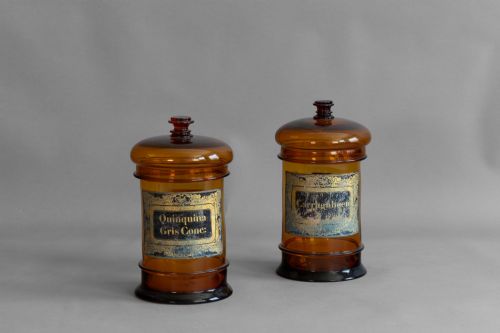
A vintage decorative jar spans diverse forms, including apothecary jars, ginger jars, biscuit barrels, and covered vases from the nineteenth and twentieth centuries. These pieces cross Victorian, Edwardian, Art Nouveau, and Art Deco styles, drawing on English, French, Japanese, and Moroccan origins.
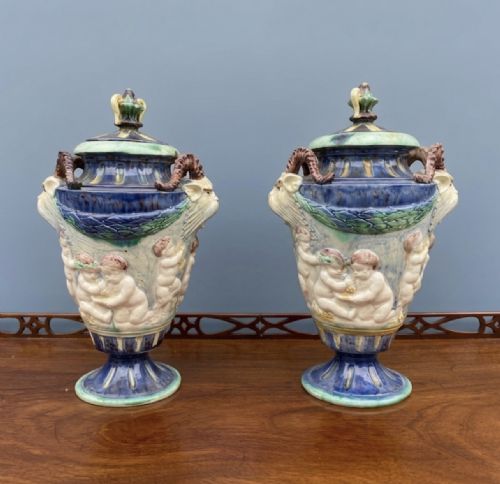
Porcelain and ceramic vessels dominate the selection, often featuring covers, lids, or mounts in silver plate and brass. Buyers encounter lidded pots, spice towers, and pot pourri vases alongside traditional ginger jars.
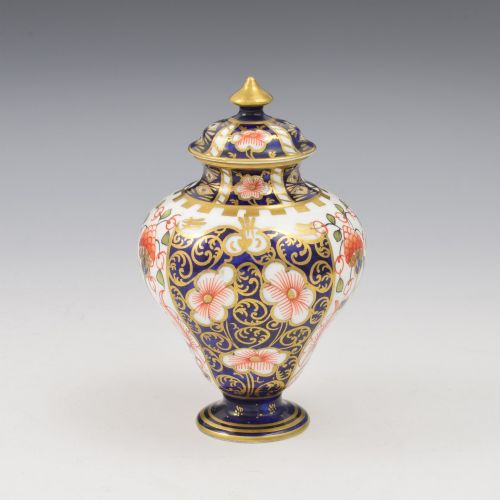
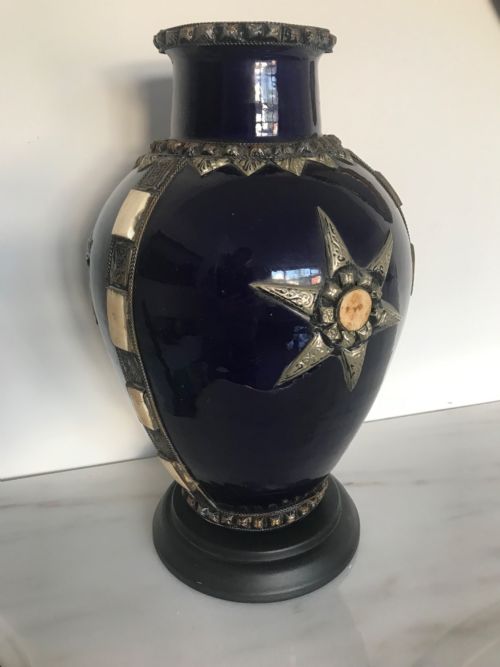
The objects serve varied functions, moving from pharmacy shelves and tea caddies to display cabinets and mantelpieces. Each piece reflects the decorative tastes of its period, whether through hand-painted fruit, Imari patterns, or cobalt blue glazes.
Assessing quality
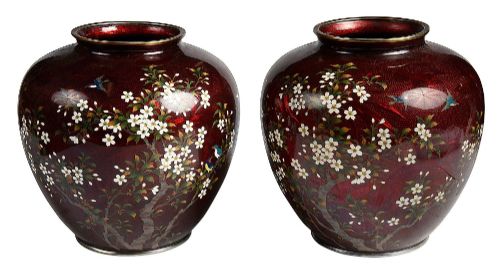
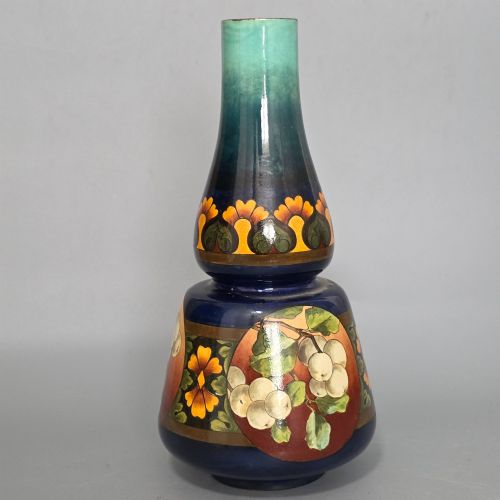
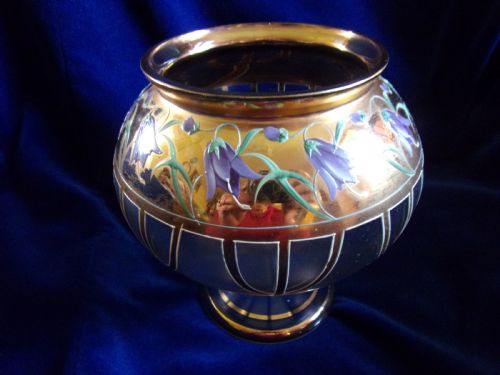
Quality rests in the execution of the surface decoration, from finely painted porcelain fruit to intricate cloisonné wirework and hand-applied enamels. Makers employing skilled artists, such as those at Royal Worcester or Doulton Lambeth, achieve greater refinement in detail and colour.
The integrity of the materials also dictates standard, with heavy hand-blown glass, substantial porcelain bodies, and intact metal mounts separating finer examples from simpler utilitarian wares.
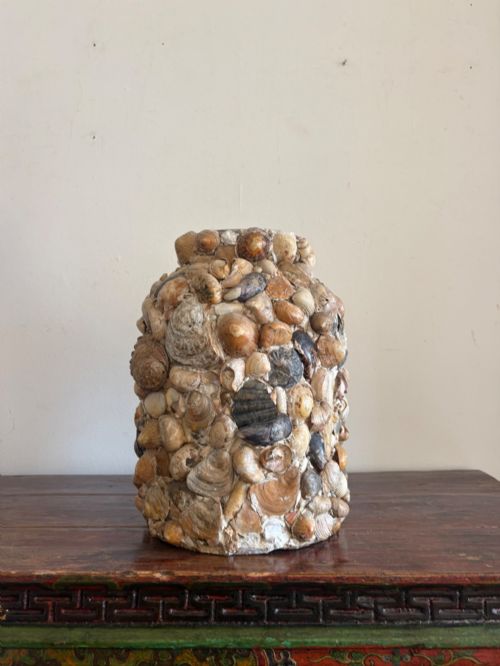
Materials in this category span porcelain, glass, terracotta, earthenware, and treen, alongside metal elements like brass and silver plate.
Royal Crown Derby·Doulton Lambeth·Royal Worcester·Samuel Alcock and Co·Masons Ironstone·Kinkozan
The Vintage Decorative Jar Glossary
- Apothecary jar
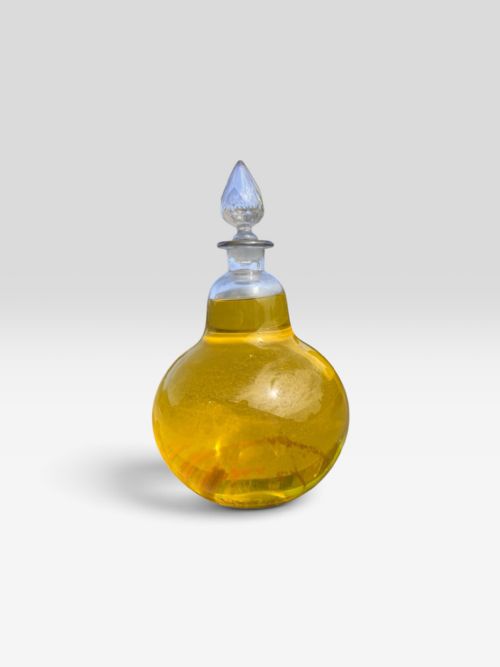
- A vessel used historically to store medical drugs, herbs, or chemicals in pharmacies. These often feature hand-blown glass or ceramic bodies with label panels.
- Ginger jar
- A wide-mouthed storage container originating in China, traditionally used for spices and later adopted across European porcelain factories. They typically possess a domed lid and rounded shoulders.
- Biscuit barrel
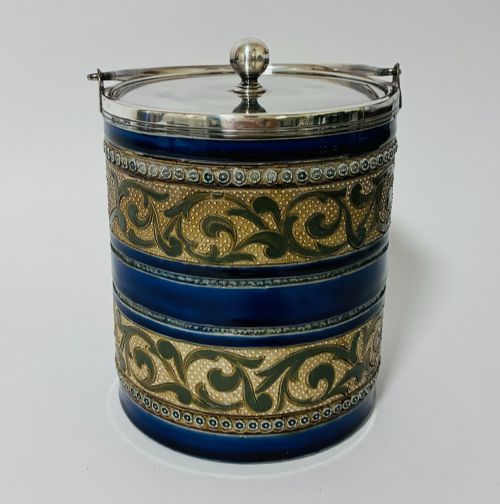
- A lidded container designed for storing dry biscuits at the dining table, popular during the Victorian and Edwardian eras. They frequently combine ceramic bodies with silver-plated lids and swing handles.
- Cloisonné
- A metalwork technique where enamel paste is applied within compartments defined by soldered flat wires on a base. The piece is then fired and polished to a smooth finish.
- Pot pourri
- A vessel featuring a pierced or perforated cover designed to diffuse the scent of dried flowers and spices placed inside. These often display elaborate hand-painted decoration.
Vintage Decorative Jar: Frequently Asked Questions
What is a vintage decorative jar used for?
These vessels originally served practical storage roles for biscuits, tea, spices, or apothecary goods in homes and shops. Today, buyers place them on shelves, sideboards, and tables purely for display.
Their varied forms allow them to function as standalone decorative objects or as containers for dried botanicals and small household items.
How do I identify the period of a jar?
Dating relies on stylistic markers such as Victorian ornamentation, Art Nouveau flowing lines, or Art Deco geometric patterns seen across the listings. Materials like hand-blown glass, treen, or specific ceramic bodies also point toward nineteenth or early twentieth-century manufacture.
Maker marks, signatures, and backstamps provide further evidence for narrowing down the decade or origin of the piece.
Are these jars waterproof?
Many ceramic, porcelain, and glass pieces can hold water safely, particularly glazed vases and apothecary carboys. However, vessels featuring delicate enamels, silver-plated mounts, or porous earthenware bodies require careful handling.
It is best to check the interior condition and material before using any antique jar for fresh flowers or liquids.
How should I clean a vintage jar?
Gentle dusting with a soft cloth suffices for most exterior surfaces, especially those with gold leaf, enamel, or delicate painted details. Immersion in water should be avoided for pieces with metal mounts, lacquer, or treen.
Interior cleaning of glass or glazed ceramic vessels can be done cautiously with warm water and mild soap, avoiding harsh abrasives.