
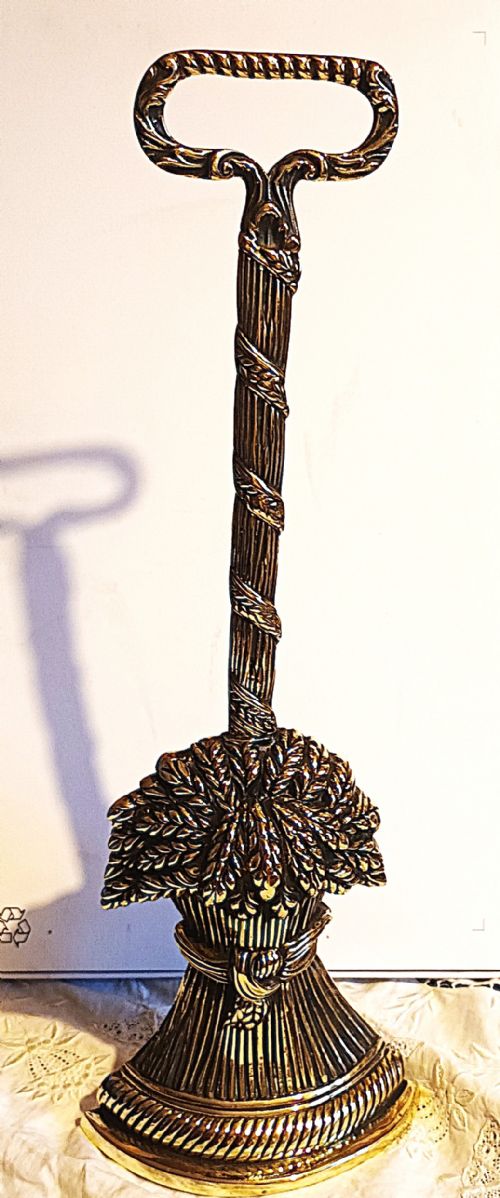
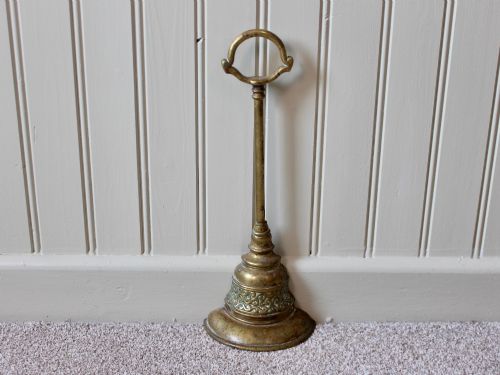

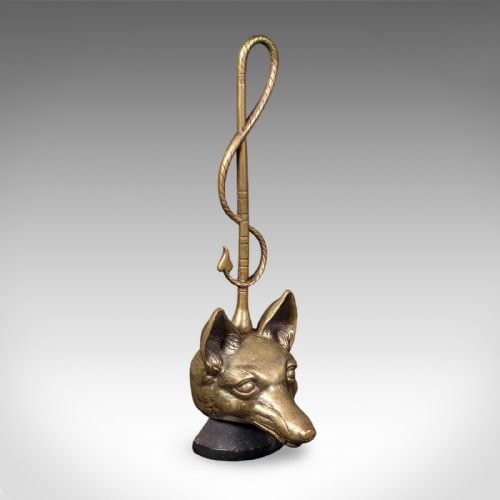


Decorative Door Stop
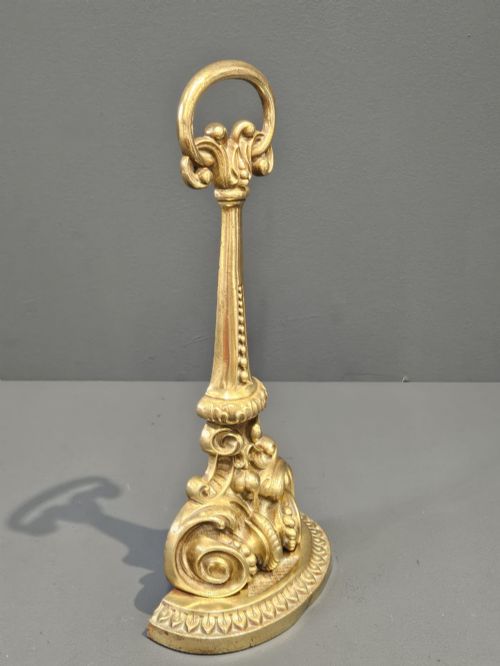
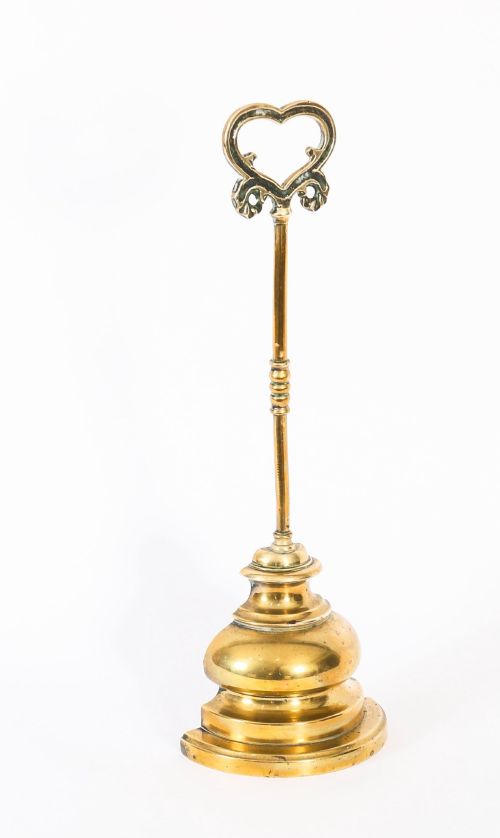
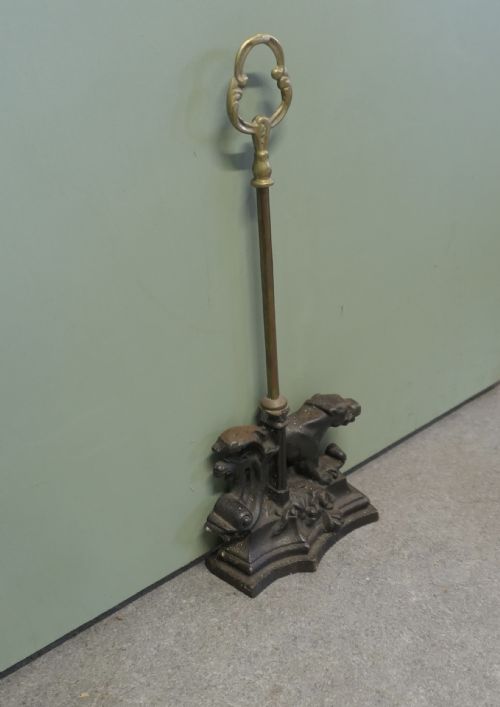
These heavy metal weights are decorative door stops, designed to hold heavy interior portals open against the draughts of period houses.
Decorative Door Stop
A decorative door stop serves to hold heavy interior portals open against draughts while adding character to a room. When you search for decorative door stop, you encounter practical iron and brass weights cast into figures of animals, heraldic beasts and popular characters.
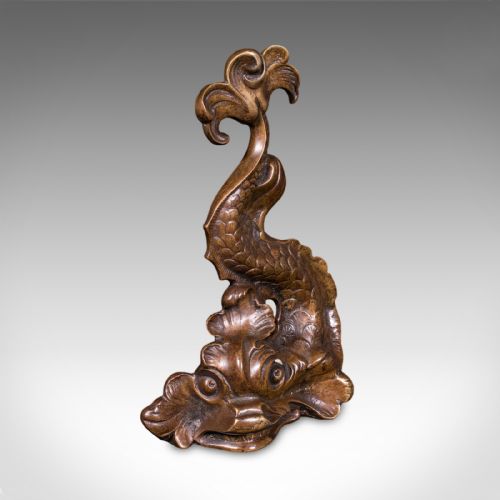
The pieces seen here span the Georgian, Regency, Victorian and Edwardian eras, with Victorian examples appearing most frequently. Animal forms including dogs, stags and lions dominate the selection alongside nautical motifs like dolphins.
English country house aesthetics shape many of these utilitarian objects, though occasional Dutch or Scottish examples turn up in the listings. Alongside traditional doorstops, related functional items such as boot scrapers occasionally appear.
Materials and casting techniques
Foundries produced these heavy objects primarily through sand casting in iron, brass and bronze, pouring molten metal into moulds to achieve crisp detail. Cast iron and heavy brass provide the essential weight needed to hold stubborn doors in place.
Listings feature cast iron, brass, bronze and lead materials spanning the Georgian, Victorian and Edwardian periods.
Distinctions in quality
Original painted surfaces that survive with authentic patination elevate an example above those stripped or clumsily repainted in later decades. The quality of the underlying brass or iron alloy also determines the heft and stability of the piece.
Tonks
The Decorative Door Stop Glossary
- Door porter
- An alternative term for a heavy door stop designed to be lifted by an integrated handle or loop.
- Sand casting
- A traditional manufacturing method where molten metal is poured into a compacted sand mould to create solid figures.
- Regency
- A design period spanning the early nineteenth century known for classical motifs such as dolphins and heraldic beasts.
- Patina
- The natural surface ageing and wear accumulated on metal and paint over decades of domestic use.
- Boot scraper
- A heavy stationary iron implement placed near entrances to clean mud from footwear, sharing materials with doorstops.
Decorative Door Stop: Frequently Asked Questions
How heavy is a typical door stop?
Most cast iron and brass examples weigh several kilograms to ensure they can hold open heavy interior doors against sudden draughts.
Smaller dog and animal figures offer lighter weight suited to standard bedroom or parlour doors.
Where were these placed in a house?
They sat directly on the floor beside interior portals, often remaining in constant daily service within hallways and reception rooms.
Their substantial weight allowed them to function without permanent floor fixings.
Are these pieces painted?
Many cast iron examples feature original painted finishes that highlight facial expressions or animal markings.
Unpainted brass and bronze variants rely instead on the warm lustre of polished metal.
How do I date a cast iron stop?
Stylistic clues such as Regency dolphin motifs or Victorian character subjects provide the primary guide to age alongside the condition of the metal.
Surface wear and the character of any surviving paint layers further indicate nineteenth-century production.