






Decorative Display Plates
Decorative display plates bring vibrant hand-painted artistry and centuries of ceramic history directly to interior walls and cabinets.
Decorative Display Plates
When searching for decorative display plates, collectors encounter an eclectic mix of cabinet plates, chargers, and serving dishes created primarily for visual appreciation rather than daily dining. These pieces span centuries, ranging from eighteenth-century Delft earthenware to nineteenth-century bone china and twentieth-century porcelain.
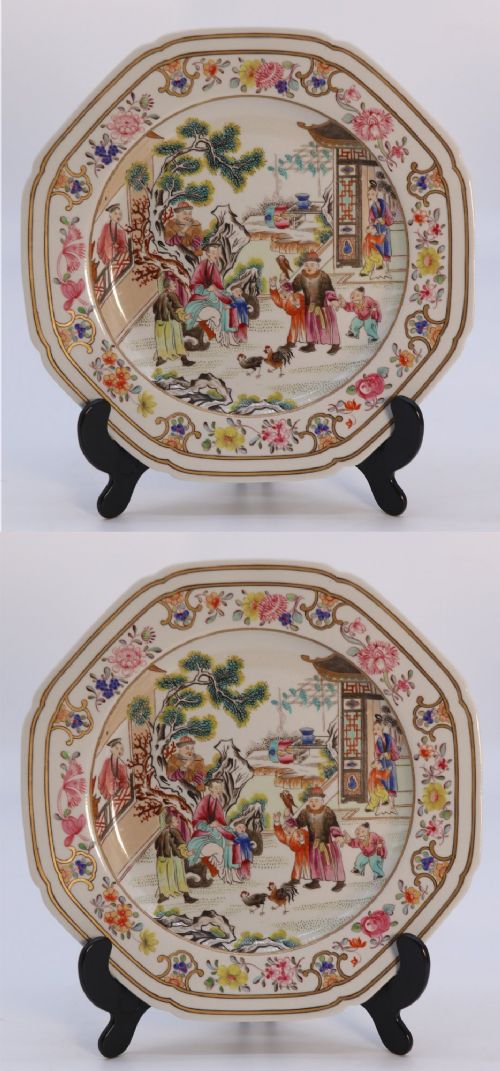
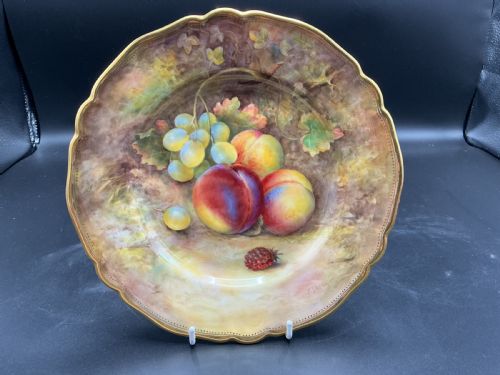
The selections available range from large Japanese Imari chargers and Dutch Delft dishes to intricately painted Royal Worcester cabinet plates by notable artists. Forms vary from octagonal cabinet plates to deep scalloped dishes and large wall-hung chargers.
Origin points stretch across English potteries, French porcelain houses, Italian workshops, and Japanese export kilns. Buyers find both individual statement dishes and matching dessert service sets comprising comports and plates.
How they were made
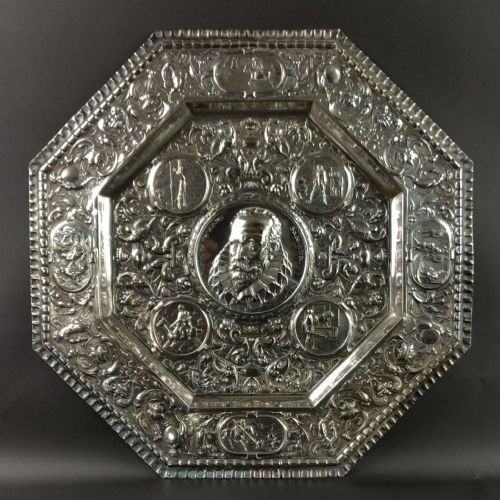
Potters shaped these objects using porcelain, bone china, earthenware, and stone china, applying rich glazes and enamel colours before kiln firing. Metal techniques also appear, notably through repoussé copper work and cloisonné enamel on metal bases.
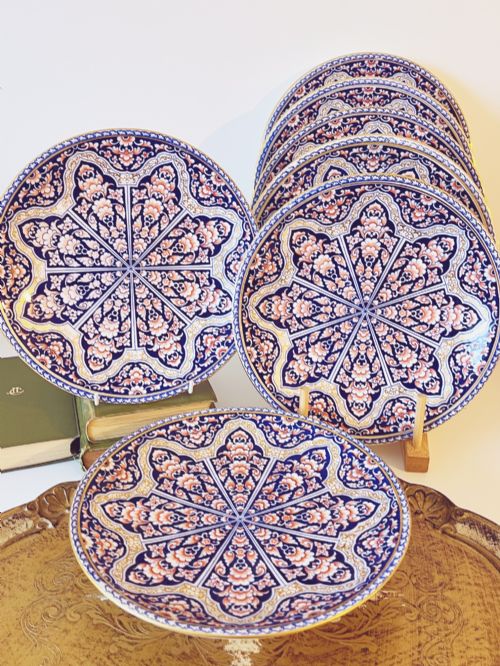
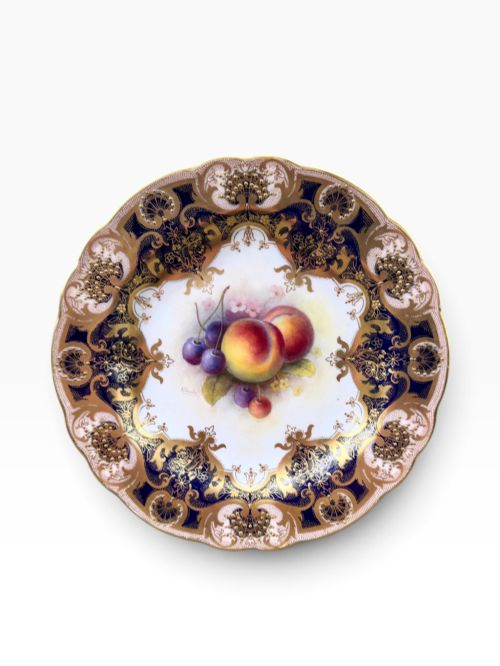
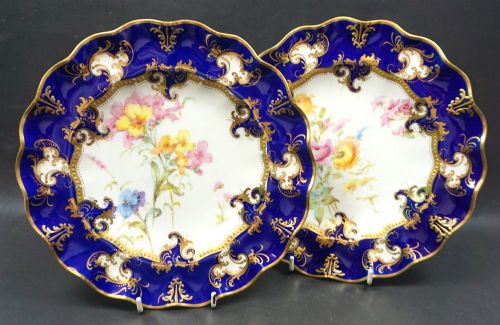
Decoration relied heavily on meticulous hand-painting, often incorporating gold leaf, cobalt blue, and polychrome enamel pigments. Transfer printing also emerged on earthenware transferware chargers and plates, allowing detailed topographical and pictorial scenes.
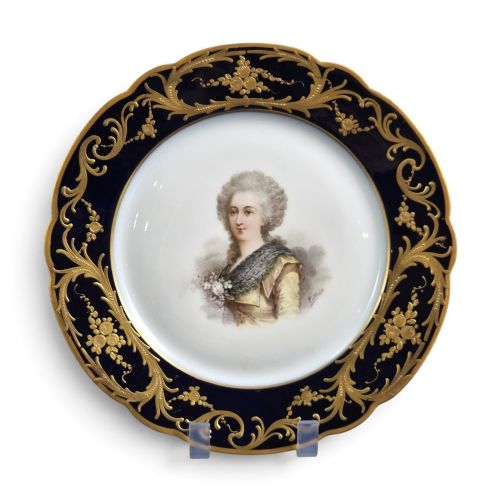
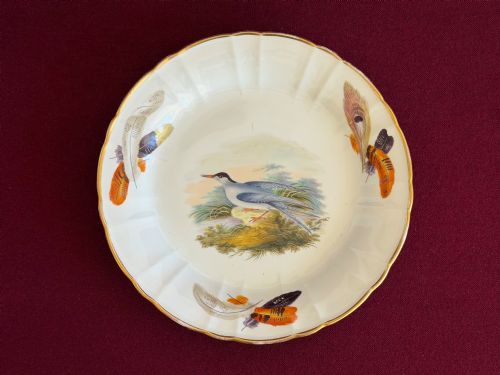
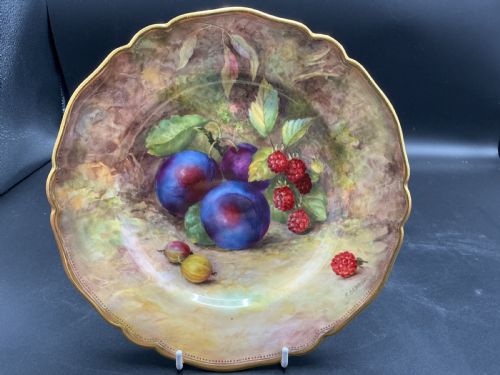
Specialised artists painted detailed subjects such as botanical studies, fruit compositions, and historical portraits directly onto the glazed ceramic surface, sometimes requiring multiple kiln firings to set the enamel colours.
Listings feature porcelain, earthenware, bone china, and copper across Victorian, Regency, and Art Deco periods.
What varies in quality
Quality separates standard production wares from masterworks through the precision and complexity of the hand-painted artistry. Pieces signed by documented porcelain painters command greater attention than anonymous factory output due to superior brushwork and compositional depth.
The crispness of the moulding, the richness of the gilding, and the stability of the glaze define the upper tier of manufacture. Early examples retain sharper relief in repoussé metalwork or deeper vibrancy in cobalt and Imari palettes.
Royal Crown Derby·Royal Worcester·Spode Stone China·Royal Doulton
The Decorative Display Plates Glossary
- Charger
- A large ornamental plate or dish, traditionally used for formal table presentation or hung on walls as display art.
- Cabinet Plate
- A finely decorated ceramic plate intended for display within a glass-fronted cabinet or on a mantel rather than for dining.
- Imari
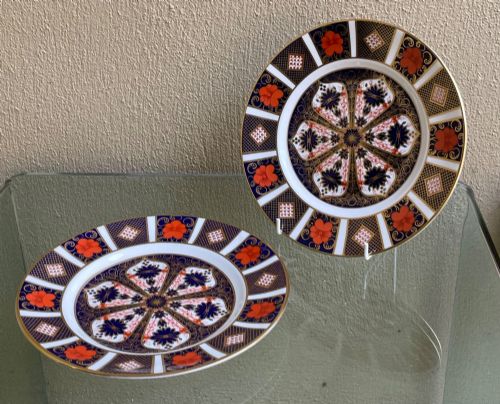
- A style of Japanese porcelain featuring distinctive underglaze blue and iron-red designs, often heavily accented with gold leaf.
- Repoussé
- A metalworking technique where the artist hammers the design from the reverse side to form raised relief patterns on the front.
- Faience
- European tin-glazed earthenware, commonly associated with decorated Dutch and French plates from the eighteenth century.
Decorative Display Plates: Frequently Asked Questions
How do I hang a heavy charger?
Heavy chargers and large display plates require specialised wall mountings that distribute the weight safely across the rim and base without causing structural stress to the ceramic or metal.
Spring-loaded brass wire hangers fitted with protective rubber tips securely grip the edges while keeping the decorative surface fully visible.
Were cabinet plates used for dining?
Cabinet plates were manufactured exclusively for visual display rather than functional dining purposes. Their delicate enamel work, raised gilding, and specialised painted surfaces meant they remained safely behind glass or on walls.
Service sets and dessert plates occasionally saw light table use, but fine cabinet pieces served primarily as decorative status objects.
What is Japanese Imari porcelain?
Japanese Imari porcelain refers to wares exported from the port of Imari during the Edo period, characterised by vibrant iron-red, cobalt blue, and gilt motifs. European factories later copied these distinct colour palettes on domestic earthenware and porcelain.
These pieces feature dense botanical and geometric patterns that make them instantly recognizable among display collections.
How do I date an antique plate?
Dating an antique display plate involves examining factory backstamps, impressed ceramic marks, and registration numbers found on the underside. Stylistic cues such as Aesthetic movement motifs or hand-painted artist signatures also help narrow down the decade of production.
Reference guides specific to English potteries and Japanese export periods provide detailed chronologies for these maker marks.