

White Porcelain Floral Dish
A white porcelain floral dish brings botanical detail to the table, uniting smooth ceramic forms with painted petals from centuries past.
White Porcelain Floral Dish
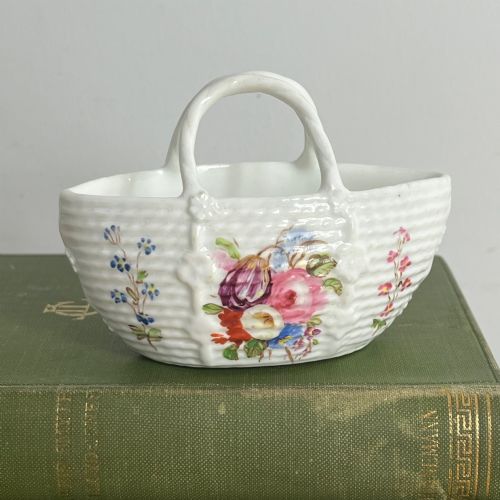
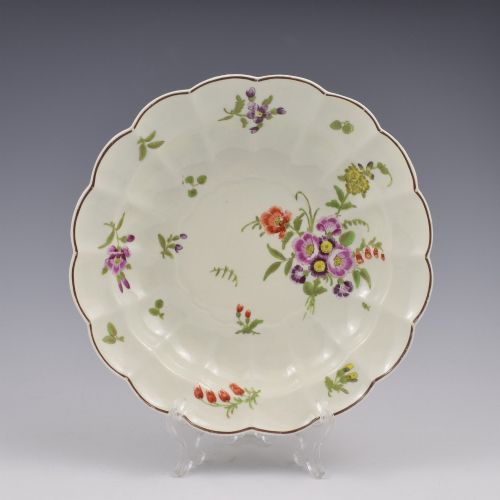
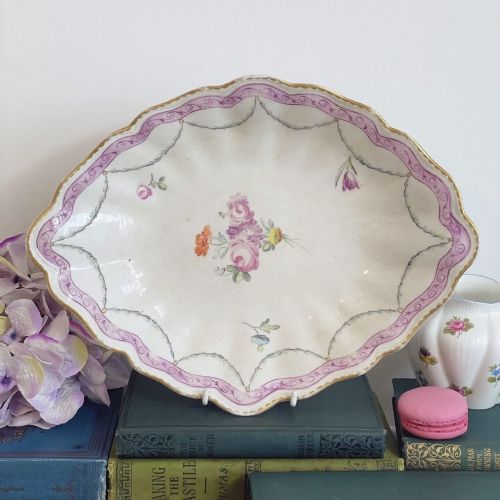
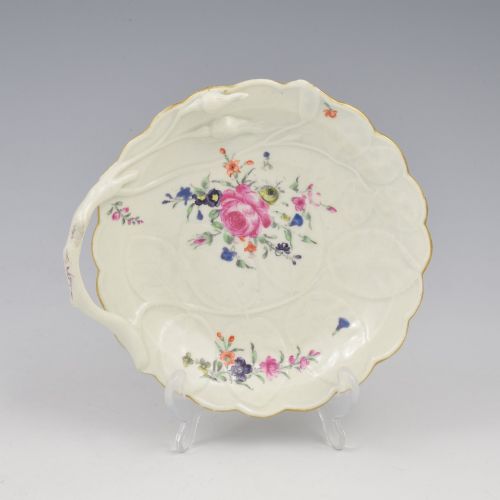
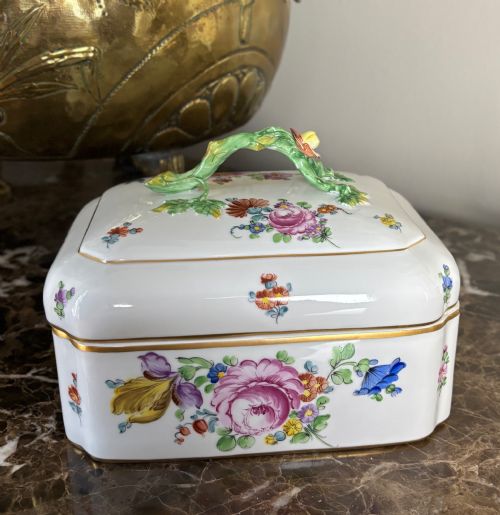
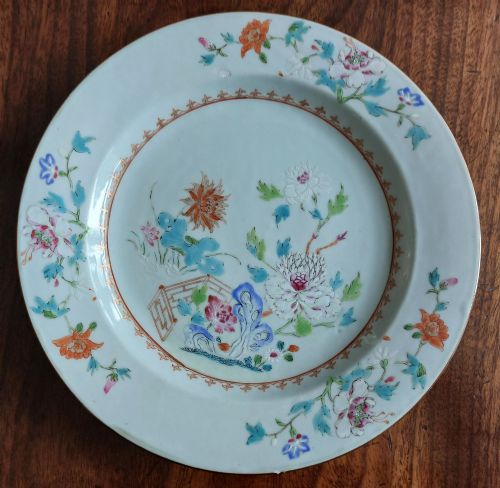
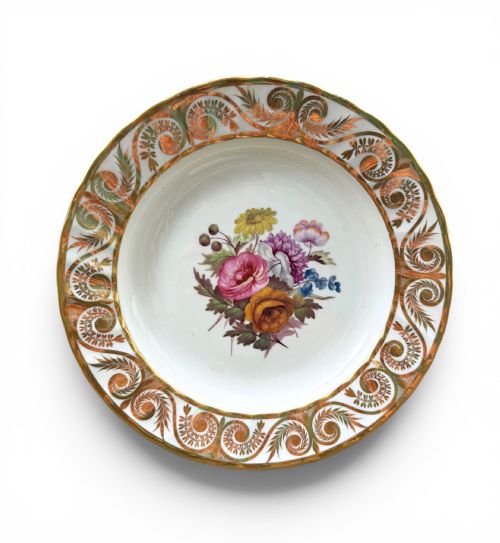
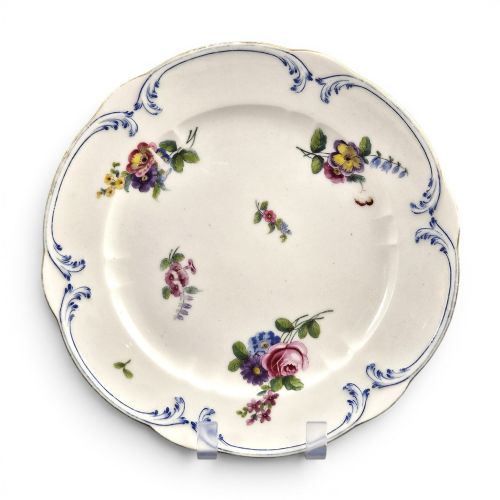
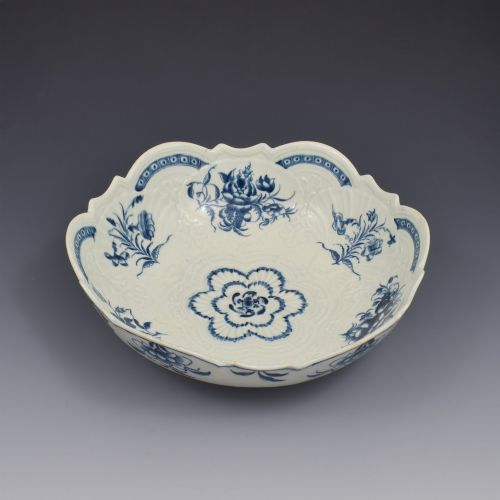
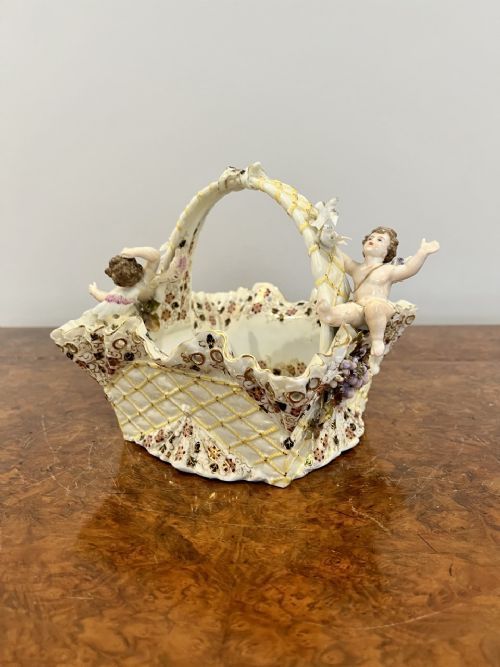
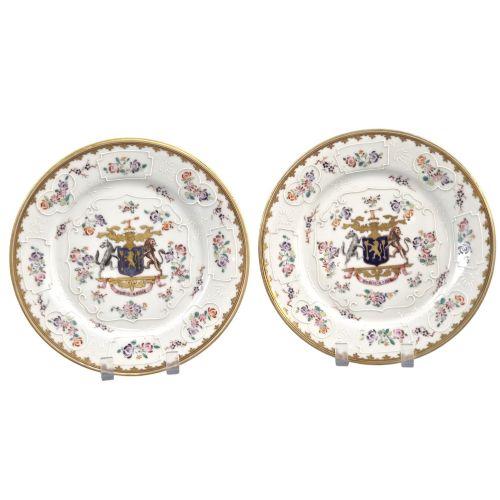
A white porcelain floral dish encompasses plates, bowls, chargers, and baskets shaped to hold fruit or sweets, frequently painted with botanical motifs. You will encounter English factory pieces from Worcester and Derby alongside continental examples from Meissen, Sèvres, and Dresden.
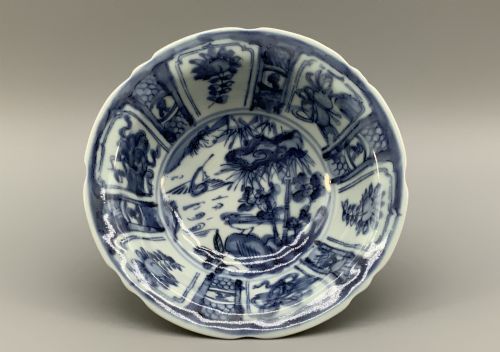
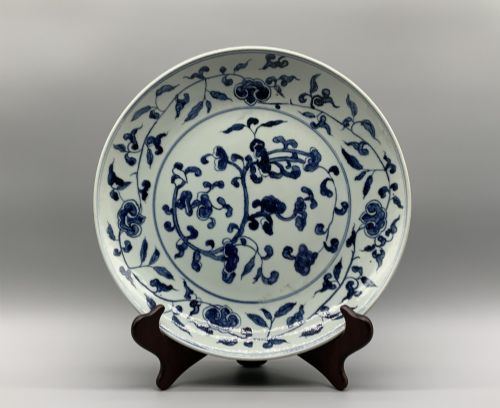
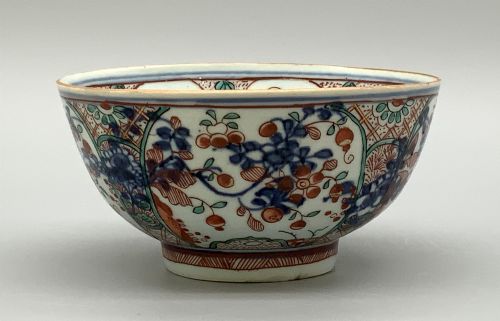
The selections span the eighteenth century through to the early twentieth century, taking in Georgian elegance and Victorian display. Chinese export and Japanese Imari chargers also appear, bringing blue and white cobalt schemes alongside colourful enamels.
Many items survive as individual cabinet plates or serving dishes, while others form part of larger historic dinner services. Forms range from simple scalloped edges to moulded basketweave contours and lobed designs.
How they were made
Potters shaped hard-paste and soft-paste porcelain bodies before applying transparent glazes and firing them at high temperatures. Cobalt blue pigments were frequently painted directly onto the unglazed clay underneath the glaze for durable results.
Enamel colours and gold leaf highlights were applied over the fired glaze and fixed in a second, cooler kiln firing. Handpainted botanical studies required skilled brushwork to render realistic leaves and petals across plates and serving trays.
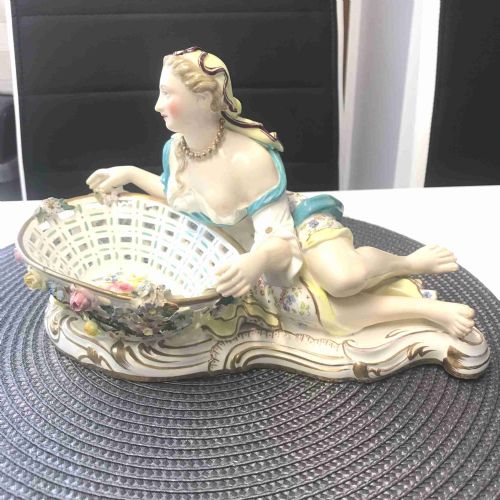
A porcelain maiden happily balances a woven basket on her head while guarding your sugar.
What varies in quality
The fineness of the porcelain body and the crispness of moulded details set standard production apart from masterworks. Thinner walls, translucent pastes, and balanced proportions distinguish superior historic vessels.
The execution of the handpainting dictates the artistic standing of each dish. Precise botanical rendering with subtle shading shows the hand of an accomplished porcelain painter rather than a repetitive factory hand.
Flight Barr And Barr·Derby Porcelain·Meissen·Sevres·Minton·Coalport
The White Porcelain Floral Dish Glossary
- Soft-paste porcelain
- An artificial ceramic composition fired at lower temperatures than true porcelain, developed in Europe to imitate Chinese wares. It possesses a warm milky tone and a slightly softer glaze.
- Imari
- A style of Japanese export porcelain featuring underglaze blue combined with iron red and gold. It was widely copied by European factories during the eighteenth and nineteenth centuries.
- Sweetmeat dish
- A small vessel designed for serving confectionery, nuts, or preserved fruits during dessert courses. These pieces often feature lobed or moulded basketweave compartments.
- Cobalt glaze
- A deep blue metallic oxide pigment used under the glaze on ceramic wares. It withstands high kiln temperatures without losing its intense colour.
- Enamel
- Opaque coloured glass fused to the surface of fired porcelain during a low-temperature kiln cycle. It allowed decorators to use broad palettes beyond standard underglaze blue.
White Porcelain Floral Dish: Frequently Asked Questions
How do I care for antique porcelain dishes?
Wash these pieces gently by hand in warm water using mild soap, avoiding dishwashers and harsh scrubbing materials.
Store them securely on stable shelving where plates do not bear heavy weight or rub against adjacent items.
Were these dishes meant for daily dining?
Many fine plates and sweetmeat dishes served aristocratic dessert courses rather than everyday family meals. They functioned to display confectionery and showcase the host's refined taste.
Larger chargers and bowls held fruit centrepieces or served communal dishes during formal banquets before transitioning to display cabinets.
How can I tell eighteenth century pieces apart?
Study the paste consistency, glaze pooling, and underglaze marks underneath the base. Eighteenth-century soft-paste porcelain often shows minor kiln specks and translucent bodies when held to the light.
Factory marks evolved across periods, though many early items relied on painted crescents, crossed swords, or handwritten numbers rather than printed stamps.
What does floral decoration indicate on these wares?
Botanical painting reflected eighteenth and nineteenth-century scientific interest in natural history and horticulture. Artists copied illustrations from contemporary botanical folios directly onto ceramic surfaces.
European factories competed to produce the most lifelike floral sprays, rendering individual petals with botanical accuracy rather than generic patterns.