




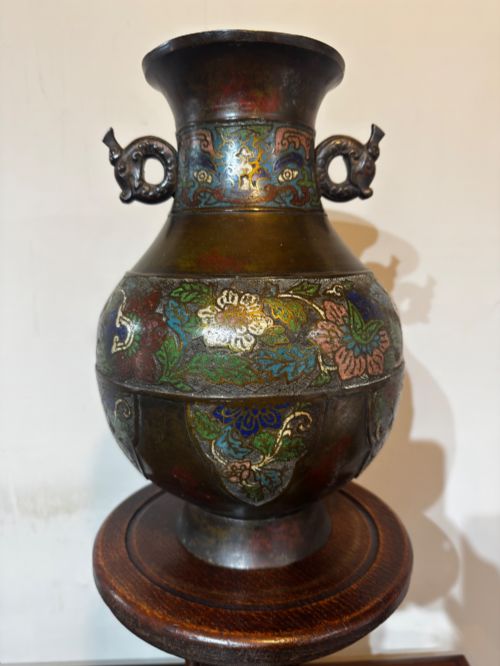


Decorative Cloisonne Metalwork
Decorative cloisonne metalwork unites intricate wirework and vitreous enamel across vessels and plates created by skilled makers in Asia.
Decorative Cloisonne Metalwork
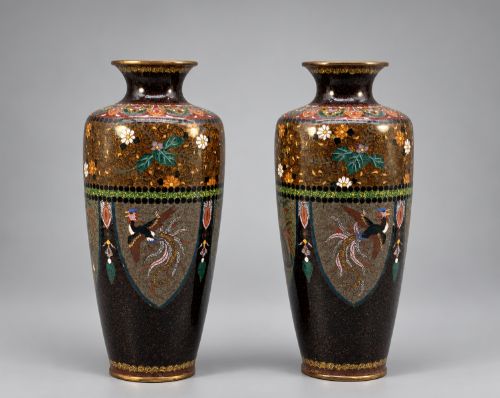
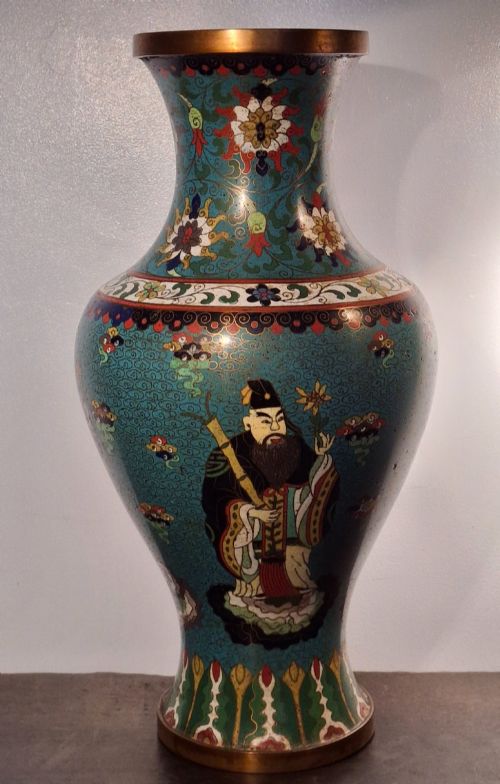
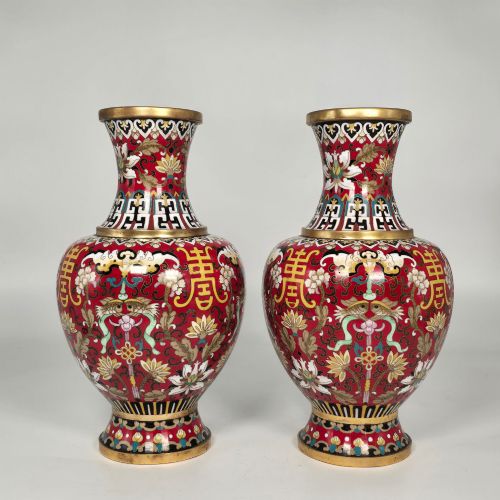
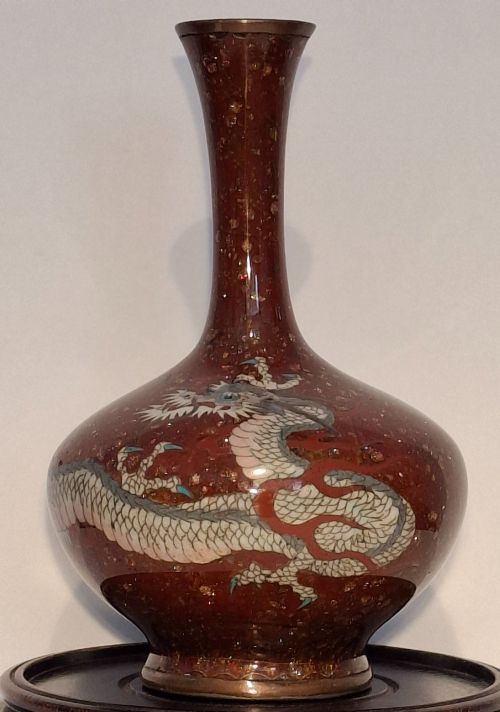
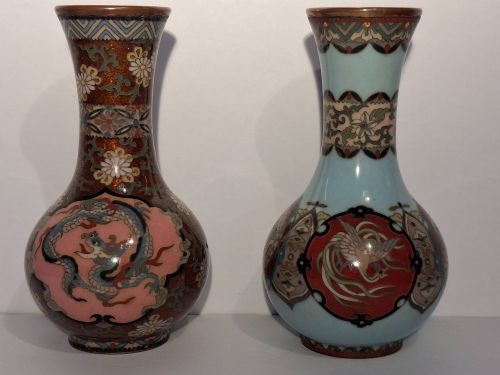
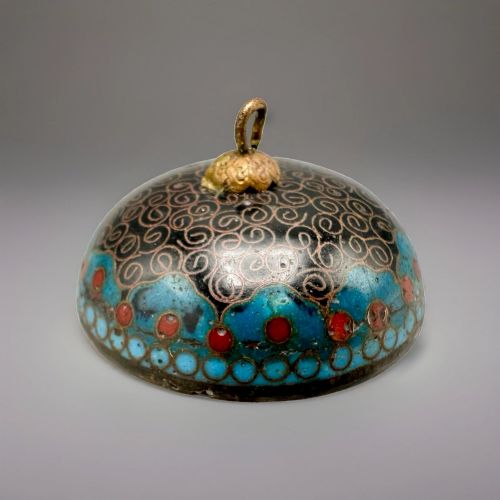
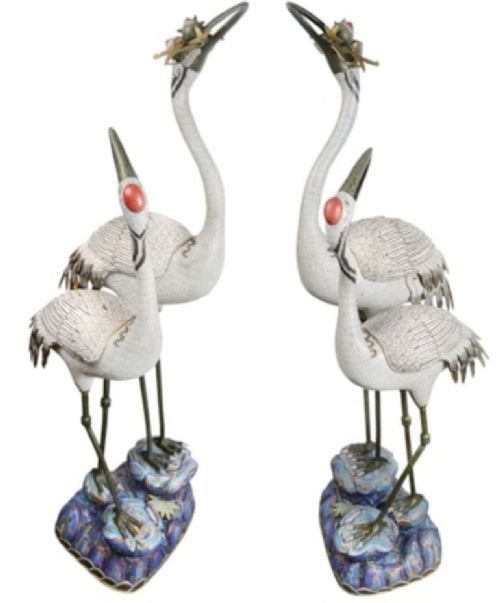
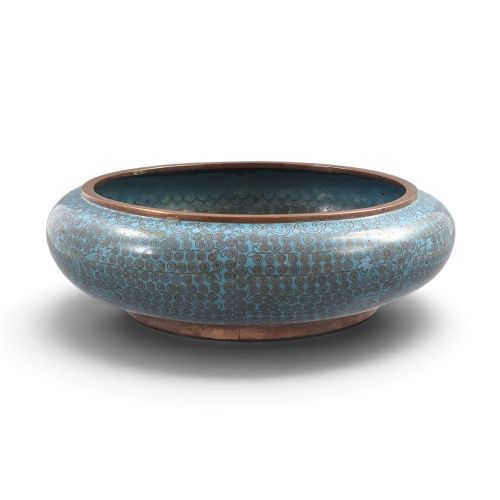
Decorative cloisonne metalwork encompasses a wide array of vessels, plates, and sculptural forms created across multiple periods in China and Japan. When exploring this selection, buyers encounter objects ranging from large palace vases and sweeping chargers to miniature vases, lidded bowls, and scholar's brush washers. These pieces serve primarily as ornamental displays, bringing elaborate colour and narrative motifs into domestic interiors through time-honoured manufacturing traditions.
The objects originate predominantly from the nineteenth and early twentieth centuries, spanning the Meiji and Edo periods in Japan alongside the Qing Dynasty and Chinese Imperial styles. Common forms include decorative trays, teapots, and ashtrays adorned with naturalistic subjects such as birds, fish, dragons, and floral arrangements. The version most frequently met on this page is the Japanese Meiji period charger or vase, celebrated for meticulous detail and balanced composition.
Materials and construction methods
The foundational structure relies upon a metal base of copper, brass, or bronze, shaped into the desired vessel or plate. Artisans then solder flat metal wire, commonly brass or copper, onto the surface to create a cellular grid that outlines the intended design motif. This wire framework forms the individual compartments, or cloisons, which dictate the boundaries of the subsequent decorative scheme.
Coloured vitreous enamel paste fills these metal cells before the entire piece undergoes high-temperature firing in a kiln. After firing, the surface is ground down and polished until the metal wire network and the hardened enamel lie on a single smooth plane. Additional applications of gilt metal or silver foil occasionally provide highlights and enrich the final metallic lustre.
Decorative Cloisonne Metalwork Retail Price Guide 2026
Typical asking prices for decorative cloisonne metalwork among the pieces listed under this phrase on Sellingantiques today, from the lower quarter to the upper quarter. They describe what is for sale here now, not the wider market.
Some chargers feature startled owls staring down Mount Fuji, reminding us that Victorian artisans appreciated a touch of wildlife comedy.
Distinctions in craftsmanship and design
Quality in decorative cloisonne metalwork depends heavily on the precision of the wirework and the uniformity of the enamel filling. Finer examples display exceptionally thin, even wire lines that form complex pictorial narratives without distortion or pitting in the coloured glass paste. Lesser pieces often exhibit thicker wire boundaries, uneven enamel depth, and visible surface bubbles resulting from hurried kiln firing.
Artistic execution and decorative ambition further separate standard items from superior works. Masterpieces incorporate nuanced shading, intricate multi-coloured gradients, and dynamic subject matter such as leaping koi or detailed avian plumage. The overall weight, rigidity of the metal body, and the crispness of the polish complete the distinction between ordinary production and high-grade artistry.
Tsukamoto Hikokichi·Kinkozan
The Decorative Cloisonne Metalwork Glossary
- Cloisonne
- A technique where metal wires form raised cells on a metal body to hold coloured enamel paste. This method creates detailed patterns that resemble stained glass when fired and polished.
- Champleve
- An enamelling method where troughs or cavities are carved directly into a metal base rather than soldering wires on top. The hollowed areas are filled with enamel and fired.
- Charger
- A large ornamental plate or dish intended for display on a wall or sideboard rather than for serving food. These pieces often feature the most elaborate pictorial compositions.
- Mon
- A Japanese heraldic badge or emblem used to identify families, clans, or individuals. They frequently appear incorporated into the background or border patterns of Meiji metalwork.
- Ho-o
- A mythical bird resembling a phoenix, frequently depicted in Asian decorative arts as a symbol of virtue and grace. It appears prominently on large chargers and palace vases.
Decorative Cloisonne Metalwork: Frequently Asked Questions
How do I care for cloisonne metalwork?
Dust the surface gently with a soft, dry cloth to prevent the accumulation of particles within the wire crevices. Avoid chemical cleaners or excessive moisture, which can tarnish exposed metal elements and damage the enamel.
Keep pieces away from direct sunlight and sudden temperature shifts to protect the integrity of the vitreous paste. Proper placement on stable surfaces ensures these delicate metal objects remain secure.
Were these pieces meant for daily use?
Most surviving examples functioned primarily as decorative arts for display within elite interiors, studies, and reception rooms. Vases, chargers, and lidded bowls were designed to showcase wealth, taste, and technical mastery.
Smaller items like brush washers and ashtrays had practical functions within scholar's studios or smoking rooms. Even functional pieces, however, prioritised visual ornament over heavy utilitarian wear.
How do I distinguish Japanese from Chinese pieces?
Japanese examples, particularly from the Meiji period, often feature exceptionally fine, near-invisible wirework and highly naturalistic depictions of flora and fauna. The colour palettes tend toward subtle gradients and meticulous pictorial depth.
Chinese pieces, such as those from the Qing Dynasty or Imperial style, frequently utilise heavier, bolder brass wire outlines with vibrant turquoise or dark blue enamel grounds. Their motifs often incorporate formal symmetry and traditional symbolic iconography.
What is a scholar's brush washer?
A scholar's brush washer is a small vessel designed to hold water for cleaning calligraphy brushes during ink work. These items were essential components of the traditional East Asian scholar's desk.
Because they belonged to educated elites, they often received exceptionally fine decorative attention. Their compact forms allowed artisans to experiment with intricate cloisonne designs on a smaller scale.