
Decorative Chinese Enamel
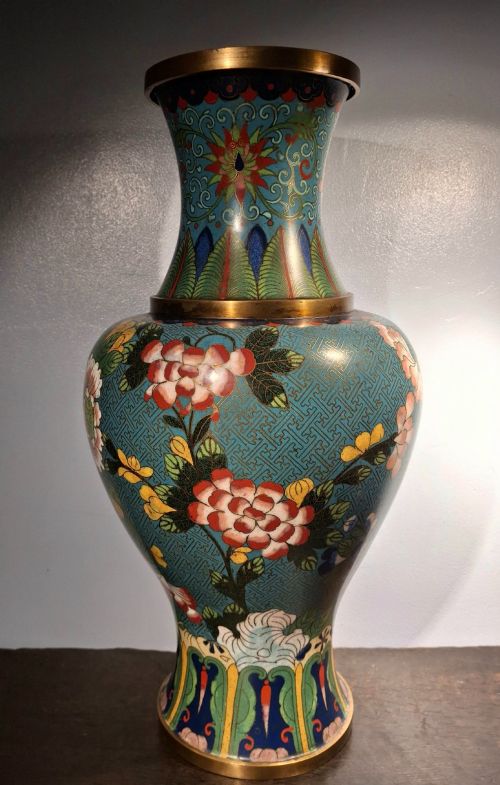
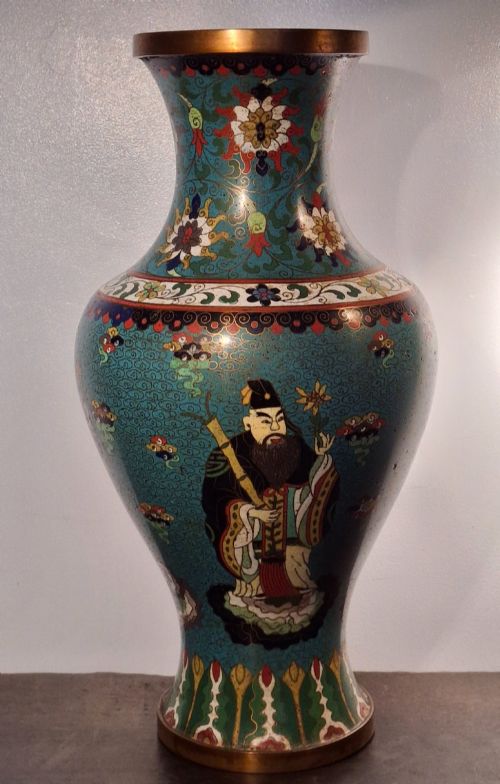
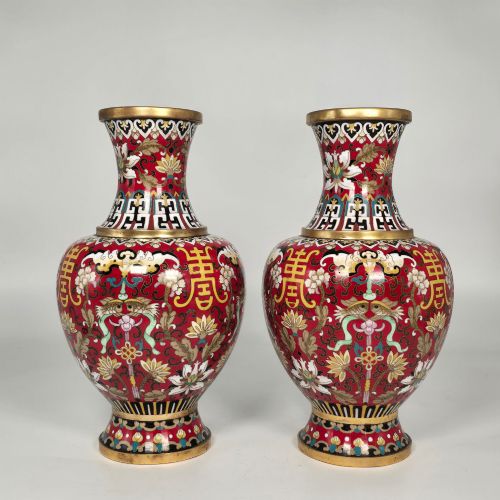
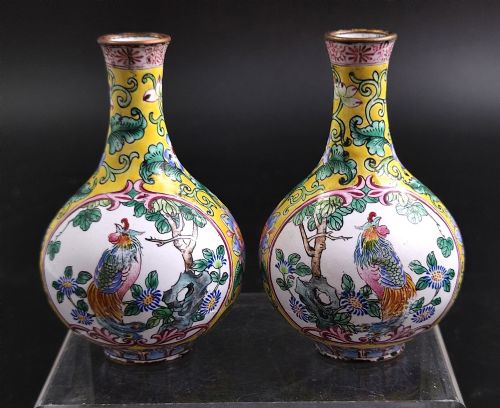
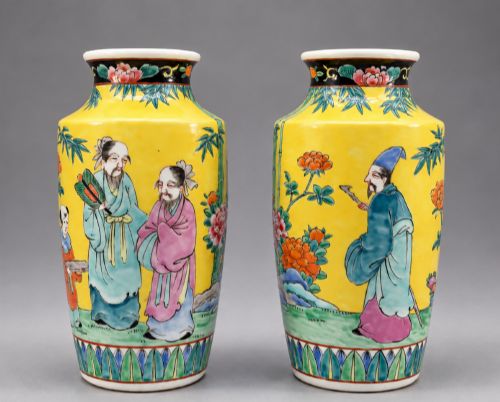
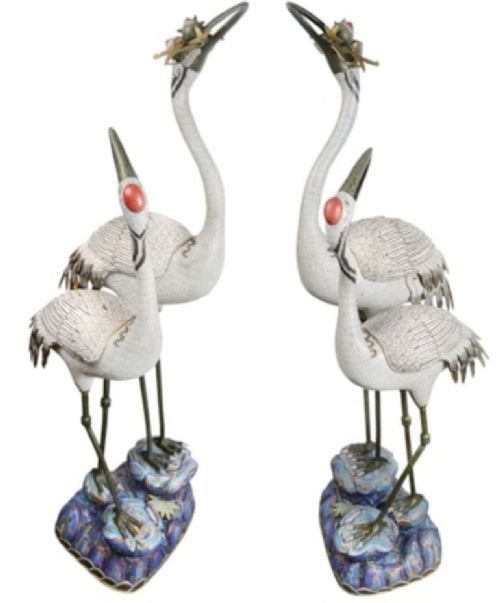
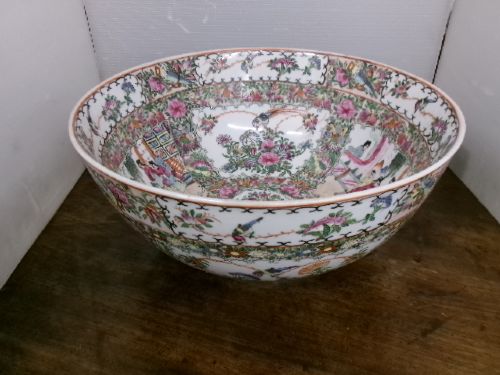
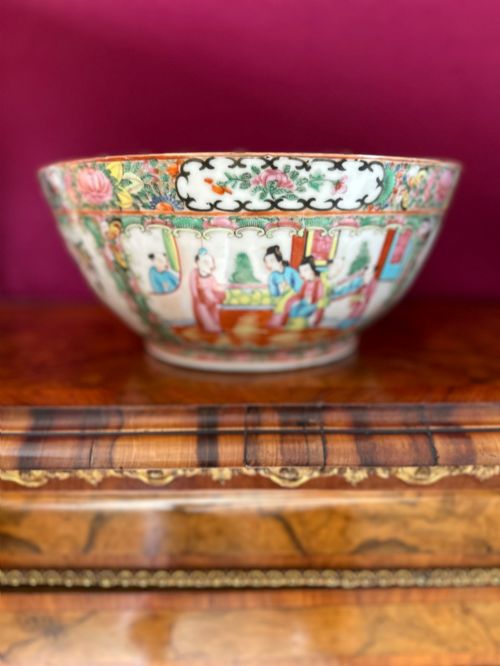
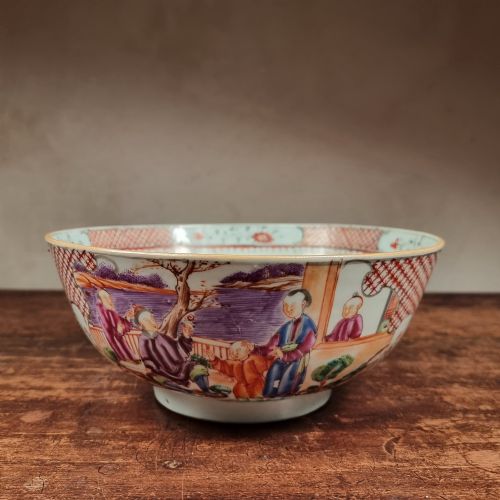
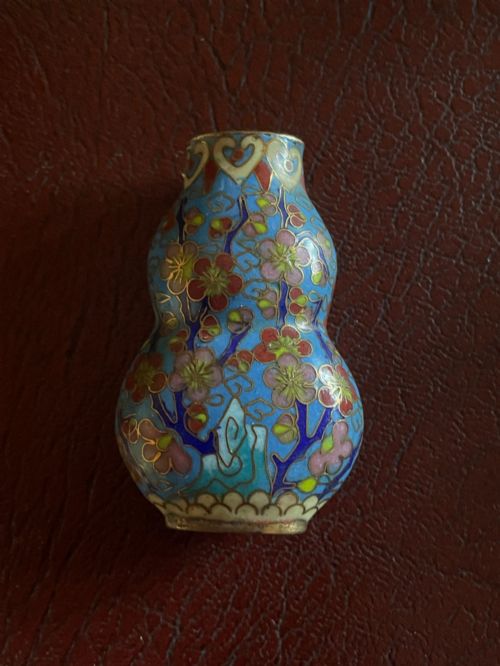
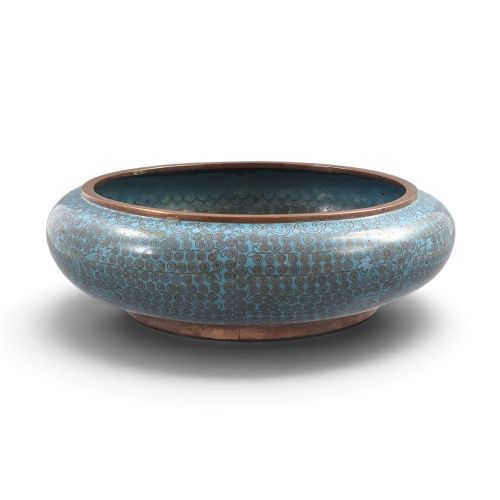
These decorative chinese enamel pieces range from cloisonne vases to Canton painted bowls, bringing centuries of vibrant colour and craftsmanship to any interior.
Decorative Chinese Enamel
Decorative chinese enamel encompasses a wide array of vessels, from large floor vases and ginger jars to delicate brush washers and punch bowls. These items originate from various historical periods, notably the Qing dynasty and the Republican era.
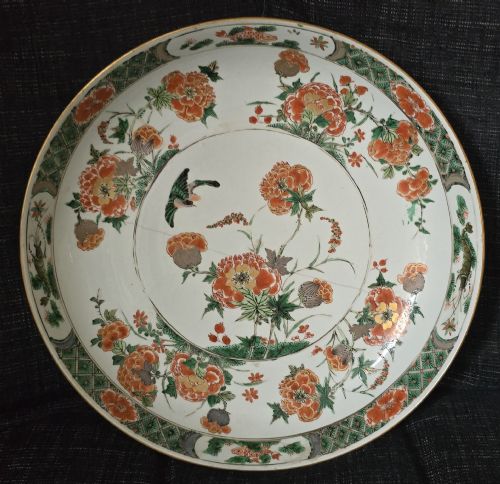
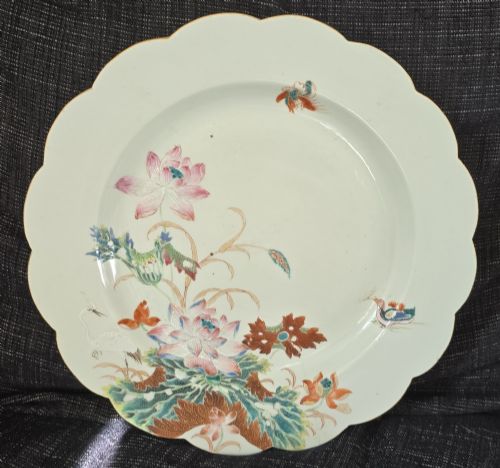
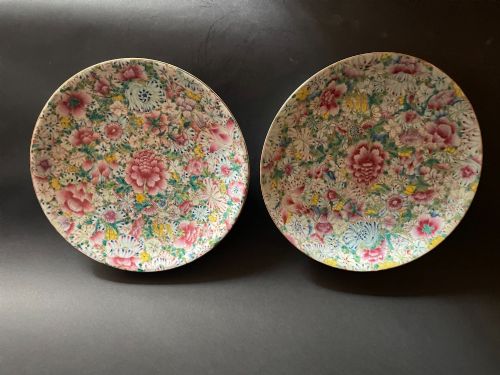
The most common forms encountered on this page include cloisonne enamel vessels and famille rose porcelain dishes. Buyers frequently find items from the nineteenth century alongside eighteenth-century scholarly pieces and twentieth-century decorative works.
Materials and Technique
Many pieces employ metal bases such as copper, brass, or bronze. Craftsmen apply wire partitions, known as cloisons, to form intricate cells before filling them with coloured enamel pastes.
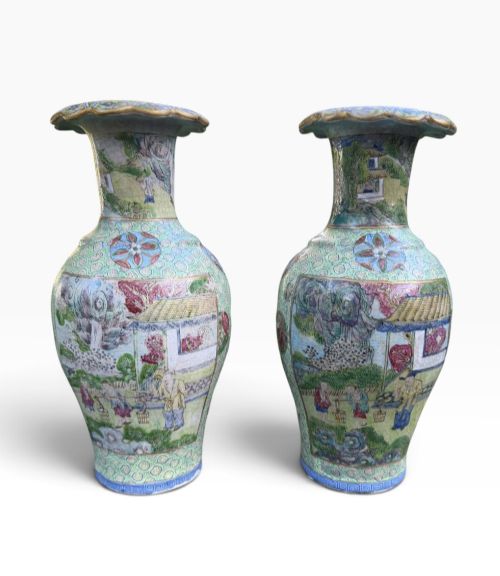
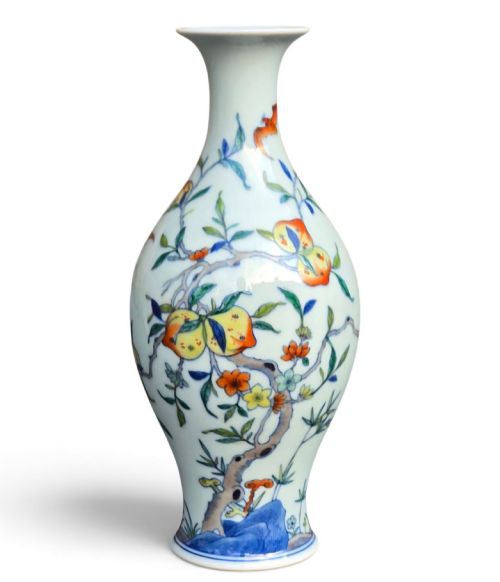
Other items utilise porcelain or Yixing stoneware as a foundation. Artisans then paint overglaze enamels directly onto the surface, frequently incorporating gold leaf accents and hand-painted motifs.
Listings feature copper, brass, bronze, porcelain, and stoneware combined with traditional cloisonne and overglaze enamel techniques.
Standard and Execution
Execution depends heavily on the precision of the metalwork and the clarity of the enamel colours. Finer examples display meticulous wirework and harmonious palettes without cloudiness in the glazed sections.
The sophistication of the painted details dictates the upper tier of pieces. Expert brushwork on figures, flora, and fauna distinguishes superior Canton and famille rose items from standard production.
Zhu Mao Ji
The Decorative Chinese Enamel Glossary
- Cloisonne enamel
- A technique where metal wires are soldered to a base to create compartments filled with enamel paste. This method produces intricate patterns defined by thin metal lines.
- Famille rose
- A palette of opaque overglaze enamels dominated by pink or rose colours, introduced during the Qing dynasty. It allowed for subtle tonal gradations in floral and figural scenes.
- Canton enamel
- Painted enamel wares produced in Guangzhou, often featuring vibrant, crowded compositions of figures and flowers. These items frequently utilise copper bases.
- Champleve
- A method where troughs or cells are carved directly into a metal surface and filled with enamel before firing. It differs from cloisonne by removing the need for applied wires.
- Garlic-head vase
- A vessel featuring a bulbous mouth resembling a clove of garlic above a slender neck. This distinctive form appears frequently in porcelain and bronze productions.
Decorative Chinese Enamel: Frequently Asked Questions
How do I clean enamel pieces?
Dust these items gently with a soft, dry cloth to protect the delicate surface and any gilt details. Avoid using water, abrasive cleaners, or chemical solvents on antique enamel.
Keeping them out of direct sunlight prevents the colours from fading over time. Proper placement ensures the metal and enamel remain stable for years.
Were these bowls used for dining?
Large punch bowls and dishes served practical functions during banquets and social gatherings in past centuries. Over time, their decorative qualities shifted them towards display roles in interiors.
Today, collectors appreciate them primarily as sculptural or surface ornaments rather than utilityware. Their vibrant palettes suit placement on sideboards and central tables.
How are nineteenth-century pieces identified?
Nineteenth-century items often exhibit specific stylistic markers associated with the Qing dynasty and the Guangxu period. Material weights and characteristic colour combinations provide further clues to their age.
Comparing the potting style and enamel consistency with dated examples helps confirm the period. Archival records and reign marks also assist in determining origin.
Can I display them in bright rooms?
While natural light highlights the rich pigments, strong direct sunlight can degrade sensitive overglaze colours. Positioning them away from windows preserves the integrity of the enamel.
Stable indoor humidity levels also protect metal-based cloisonne and copper vessels from environmental stress. Careful placement ensures long-term preservation of the materials.