






Decorative Ceramic Serving Charger
These decorative ceramic serving charger plates bring bold presence to a table, offering centuries of hand-painted artistry from European and Asian kilns.

Decorative Ceramic Serving Charger
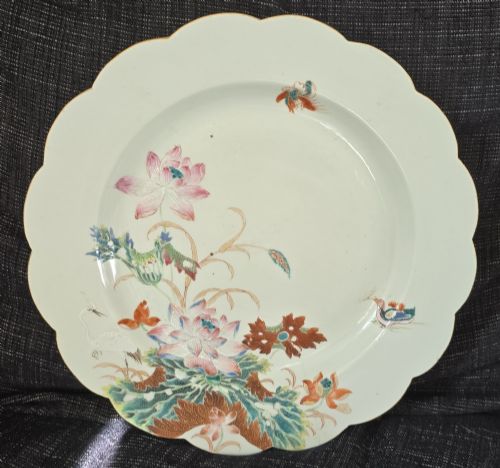
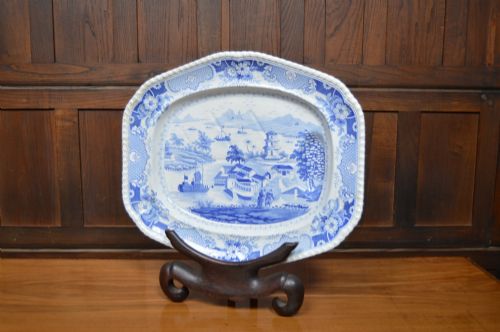
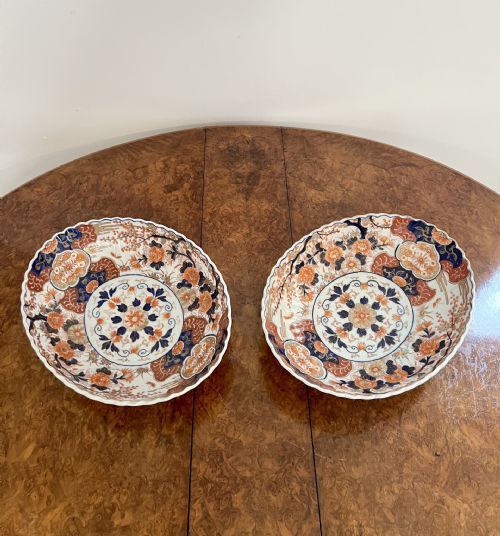
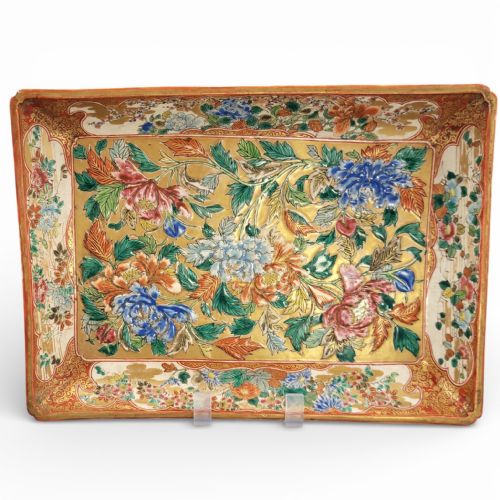
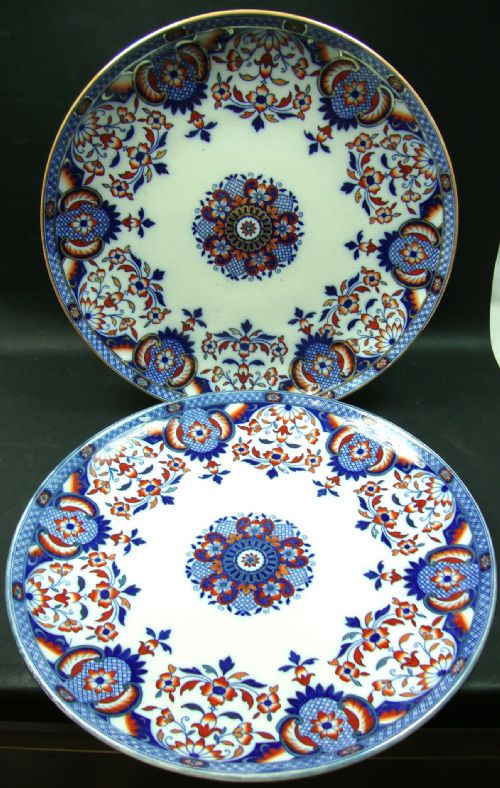
A decorative ceramic serving charger serves as a commanding centrepiece or large display dish, spanning periods from the eighteenth century through the Victorian era and into nineteen hundred. These substantial pieces appear in various forms including decorative plates, serving platters, and scalloped bowls.
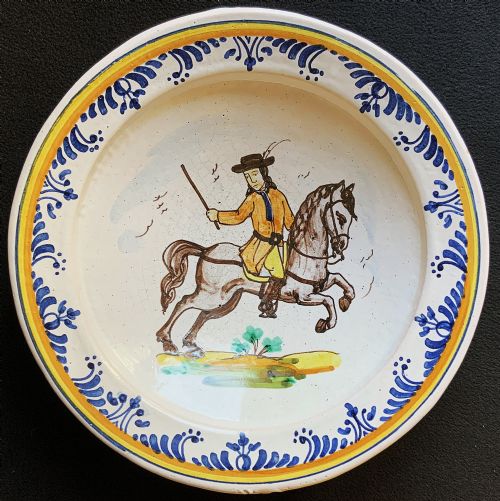
The selection ranges from early tin-glazed earthenware and Dutch Delft polychrome chargers to intricate Japanese Imari porcelain and English ironstone. Buyers frequently encounter blue and white transferware alongside richly gilded Oriental-style designs.
Origins stretch across European potteries in England, Spain, and Holland, alongside Meiji period Japanese workshops. Each piece reflects the dominant decorative tastes of its specific period, combining functional scale with intricate visual appeal.
Materials and construction
Makers utilised ceramic bodies formed from earthenware, porcelain, and improved stone china, shaped into large platters and deep bowls. Tin-glazing provided an opaque white surface suitable for elaborate painting in blue, manganese, and polychrome pigments.
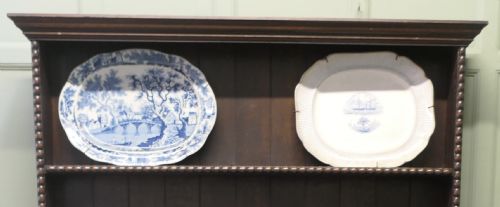
Decoration often involved meticulous hand painting with mineral colours, sometimes enhanced with gold leaf and detailed gilding. Transfer printing technology emerged during the nineteenth century, allowing complex scenes such as temple motifs to cover large charger surfaces.
Current listings feature pieces spanning the eighteenth century, the Victorian era, and nineteen hundred, created in earthenware, porcelain, and tin-glazed ceramic.
Distinctions in quality
Excellence in these pieces rests upon the crispness of the hand-painted brushwork and the complexity of the polychrome or blue and white palette. Superior examples demonstrate confident execution by skilled hands, whether in Japanese floral and bird motifs or European grand feu manganese work.
The handling of glaze and the integration of gilding distinguish finer productions from standard wares. Provenance tied to notable factories like Mintons or Meissen, alongside well-preserved surface enamels, elevates the standing of an individual charger.
Mintons·Mason's·Meissen
The Decorative Ceramic Serving Charger Glossary
- Charger
- A large decorative plate or platter traditionally used for ceremonial dining or as a base beneath smaller courses. These substantial pieces measure significantly wider than standard dinner plates.
- Tin-Glazed Earthenware
- Pottery covered with a lead glaze made opaque by the addition of tin oxide. This technique provides a smooth white background for painted ceramic decoration.
- Imari
- Japanese porcelain decorated in underglaze blue, iron red, and gold, featuring intricate floral and panel designs. The style proved immensely popular across Europe during successive centuries.
- Grand Feu
- A ceramic firing technique conducted at high temperatures to fuse pigments directly into the glaze. This method yields lasting depth and permanence of colour.
- Transferware
- Earthenware or porcelain decorated by applying a printed design from a copper plate onto paper, then transferring it to the ceramic body prior to glazing.
Decorative Ceramic Serving Charger: Frequently Asked Questions
How were decorative ceramic serving chargers used historically?
These large vessels served primarily as grand display pieces on sideboards or dining tables, occasionally holding food during lavish feasts.
Over time, their decorative capacity outweighed their practical service, leading to widespread display on walls and cabinet tops.
How do I date an antique ceramic charger?
Dating relies on examining the ceramic body, glaze characteristics, and the style of the painted or transferred decoration.
Backstamps, factory date marks, and specific tonal qualities in the blue and white pigments offer further chronological clues.
How do I display a large charger safely?
Display requires sturdy wall hangers designed specifically for heavy plates or secure plate stands with adequate depth.
Placement should avoid areas of direct sunlight and high foot traffic to protect the enamel and gilt surfaces.
What is the difference between Delft and Imari chargers?
Delft chargers originate from European earthenware traditions, typically featuring tin-glazes and blue, manganese, or polychrome painted scenes.
Imari pieces stem from Japanese porcelain production, utilising distinctive iron red, cobalt blue, and gold colour palettes.