


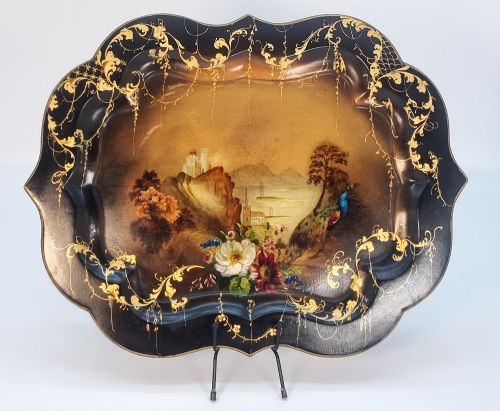

Victorian Decorative Platter
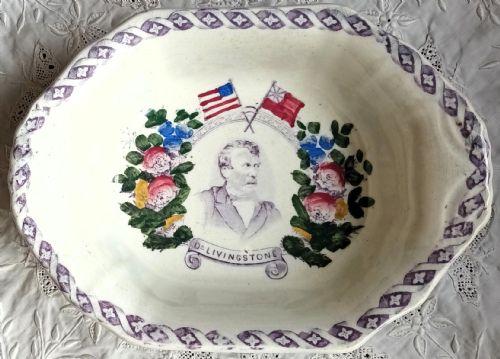
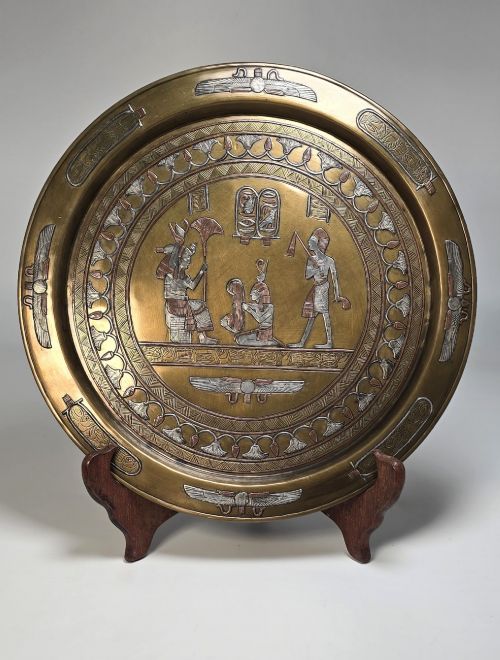
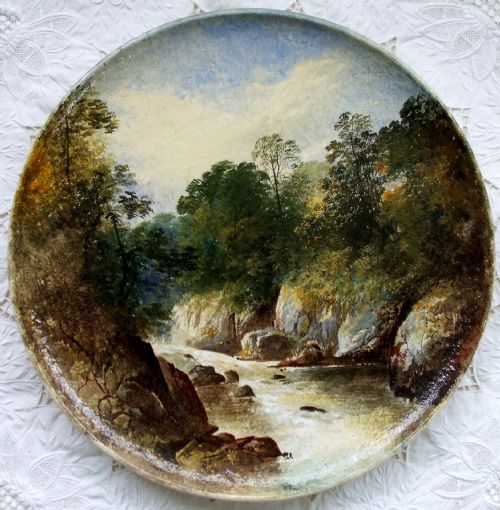
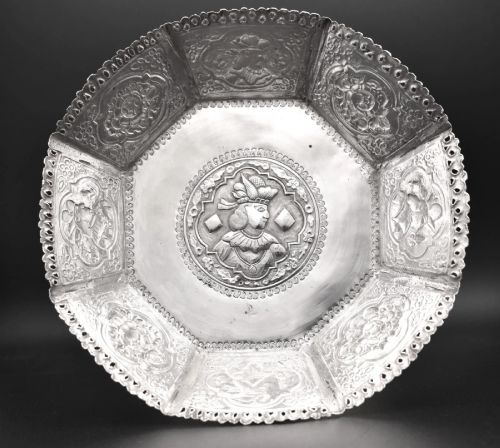
These nineteenth-century plates, dishes and trays bring bold historical narrative and intricate metalwork straight to your table or wall.

Victorian Decorative Platter
When you search for a victorian decorative platter, you encounter a varied selection of large ceramics, metal chargers and serving pieces produced across the nineteenth century. These items include heavy brass and copper display pieces, hand-painted porcelain cabinet plates and lacquered papier-mâché trays.
Most examples date from the mid to late nineteenth century, spanning distinct regional traditions such as English earthenware, French porcelain, Anglo-Indian metalwork and Japanese cloisonné. Their functions range from formal dining service to pure wall display and commemoration.
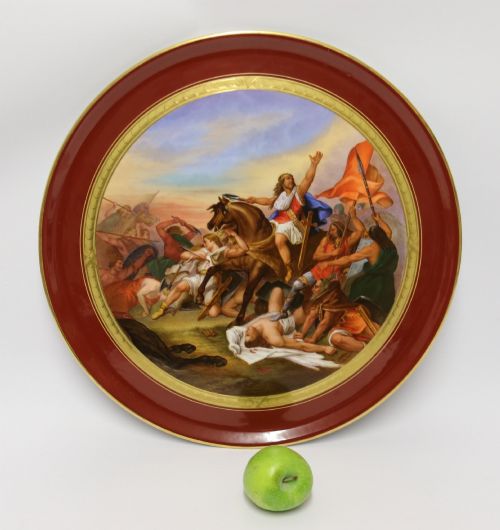
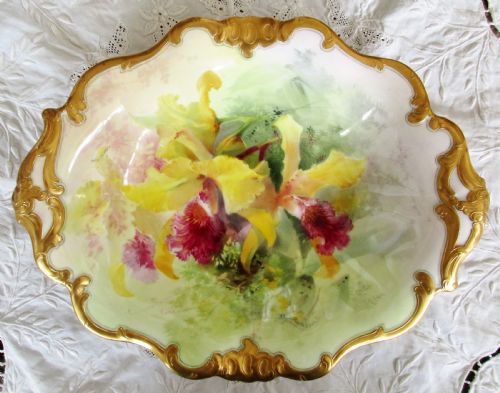
The objects on this page vary significantly in shape, from round chargers and oval dishes to galleried trays and footed bowls. Buyers frequently choose these pieces for their strong pictorial scenes, painted landscapes and detailed repoussé work.
How they were made
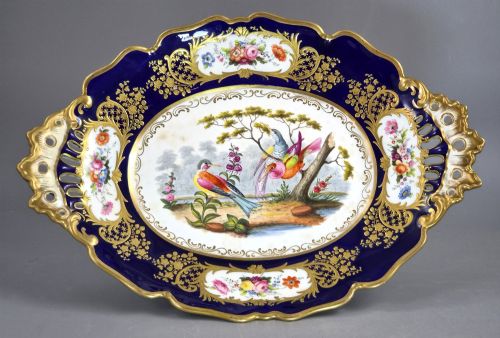
Makers utilised a wide array of materials across these pieces, combining earthenware, porcelain and stoneware with metals like copper, brass, bronze and silver. Many ceramic items received hand-painted glazes, cobalt blue designs or gilt highlights.
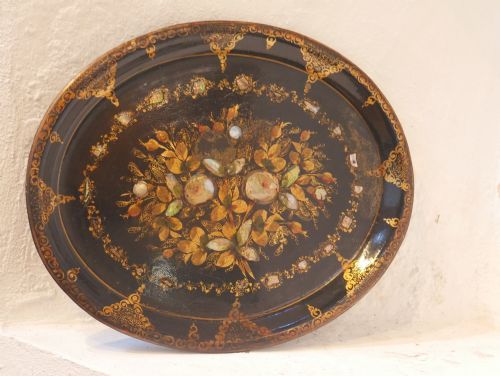
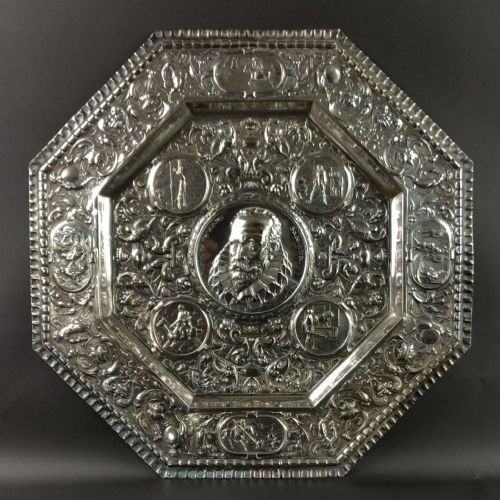
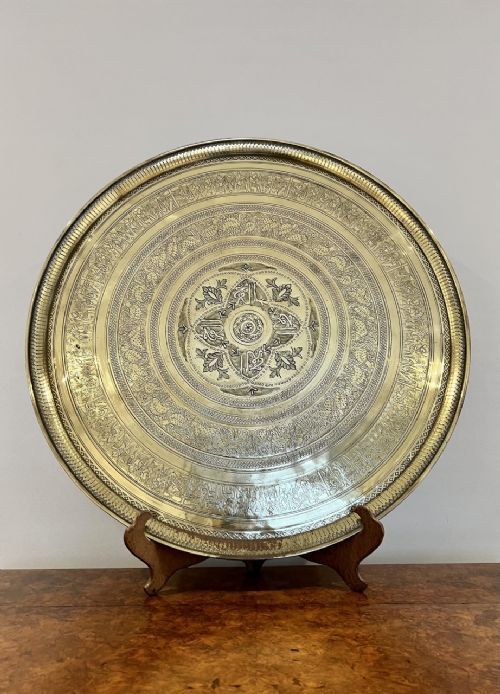
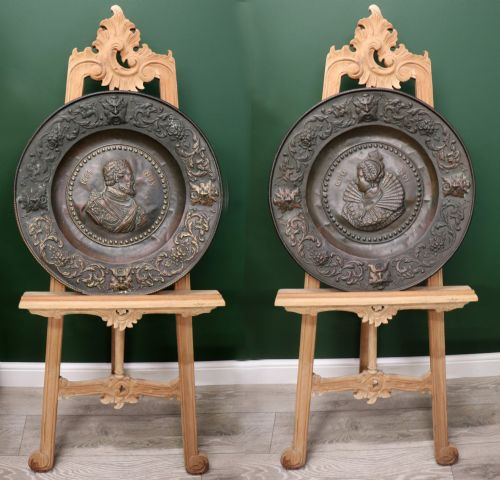
Metal items often display repoussé and engraving techniques, where artisans hammered and chased designs from the reverse to create raised pictorial reliefs. Papier-mâché pieces relied on layered paper pulp treated with lacquer and frequently finished with gold leaf or painted narratives.
Period styles span Neoclassical, Renaissance Revival, Rococo Revival and Anglo-Indian aesthetics across the nineteenth century.
What varies in quality
The standard of a victorian decorative platter depends heavily on the depth and precision of the craftsmanship. Hand-painted porcelain demands exceptional brushwork in fine portraiture or landscape detail, while metalwork quality shows in the crispness of chased repoussé lines.
Material selection and structural weight also determine the upper tiers of the range, as seen in heavy bronze, substantial solid pottery and meticulous silver inlay. Maker attribution and signed works command greater appreciation for their documented provenance.
Coalport·Royal Doulton·Copeland·Elkington and Co·Mintons·Jennens and Bettridge
The Victorian Decorative Platter Glossary
- Charger
- A large ornamental plate or dish traditionally placed beneath a course or hung on a wall for display. These items often feature elaborate painted or embossed surface decoration.
- Repoussé
- A metalworking technique where the artisan hammers a design from the reverse side to form a raised relief on the front. This method creates tactile depth in copper, brass and silver pieces.
- Cloisonné
- An ancient enamel technique where artists affix thin metal wires to a base to form compartments, then fill them with coloured paste before firing. This produces vibrant, patterned surfaces.
- Toleware
- Metal objects treated with a japanned lacquer or painted finish, typically associated with nineteenth-century decorative trays and vessels. These pieces often exhibit rich dark grounds decorated with gold or pictorial scenes.
- Tazza
- A shallow bowl or cup mounted on a stem and foot, designed for serving or display. They frequently appear in silver, bronze or ceramic forms from the nineteenth century.
Victorian Decorative Platter: Frequently Asked Questions
How were these platters originally used?
Many of these large pieces served formal dining roles, holding meats, afternoon tea slides or side dishes during grand nineteenth-century meals.
Others functioned purely as cabinet pieces or wall chargers, designed to showcase artistic skill, commemorate historical figures or display intricate imported craftsmanship.
How do I distinguish papier-mâché from wood?
Papier-mâché is remarkably light yet rigid, constructed from layered paper pulp mixed with glue and heavy binders before being pressed and lacquered.
Unlike timber, it possesses no natural grain and feels exceptionally smooth, often finished with deep black japanning and hand-painted or gilt highlights.
What defines Grand Tour items?
Grand Tour pieces were acquired by affluent travellers journeying through cultural centres like Cairo or European capitals during the nineteenth century.
These items frequently incorporate local craft traditions, such as Egyptian silver inlay on brass, serving as tangible souvenirs of international exploration.