





Large Ceramic Display Plate
A large ceramic display plate brings breadth and colour to a wall or cabinet, carrying the weight of centuries of kiln craft.

Large Ceramic Display Plate
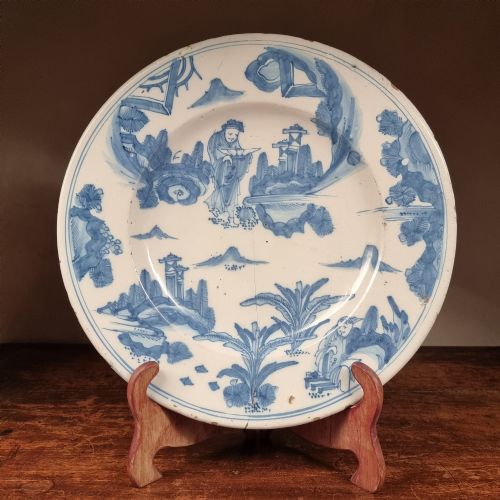
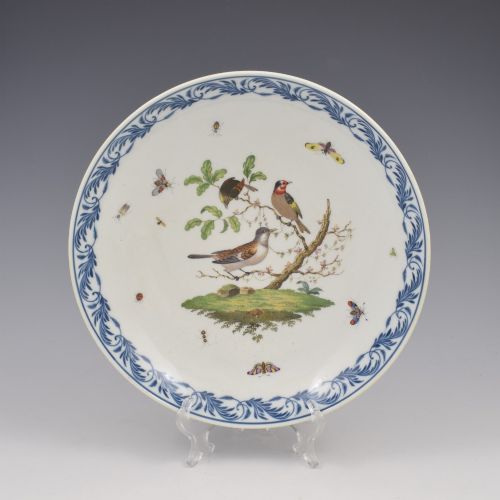
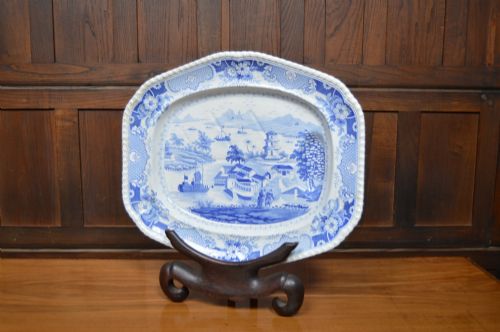
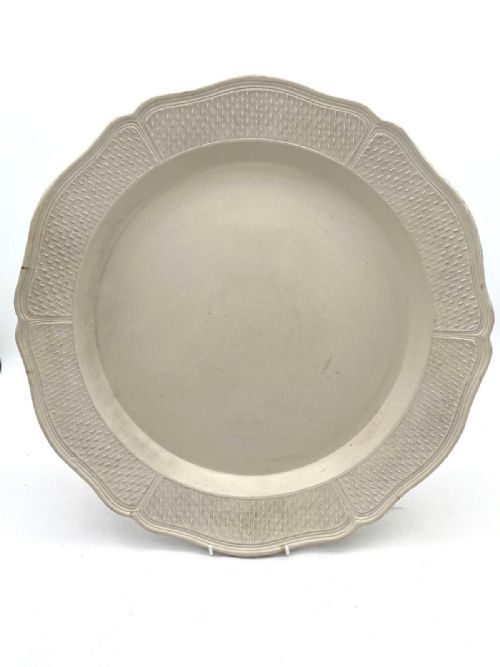
A large ceramic display plate, often recorded as a charger or platter, serves primarily for visual impact rather than dining use. These substantial vessels span several centuries of production, originating from European potteries and Asian export kilns alike.
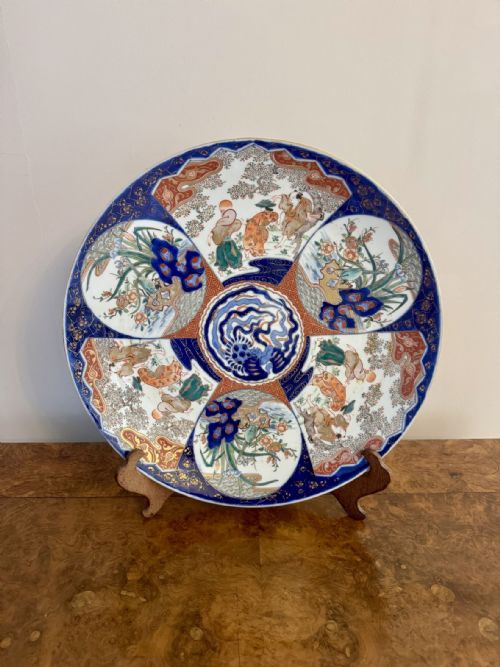
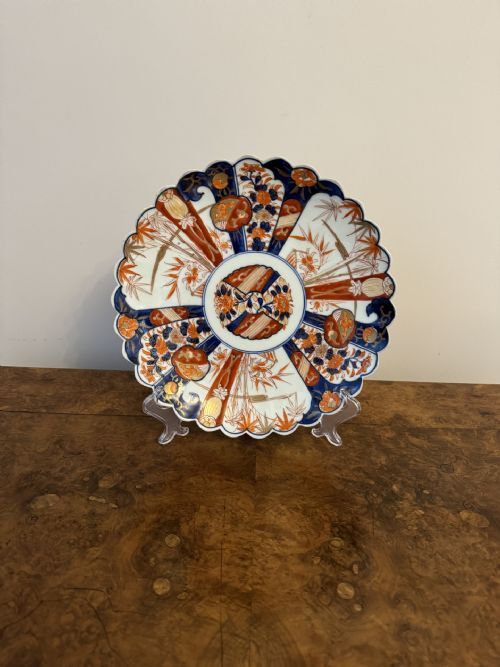
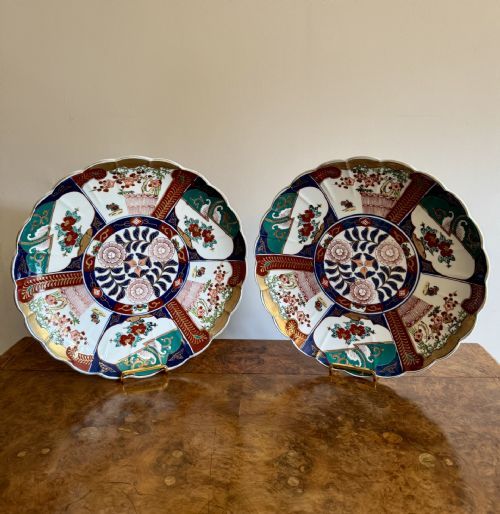
The pieces met most frequently on this page belong to the Japanese Imari tradition and the various schools of Dutch and English Delftware. These styles offer generous diameters well-suited to wall hanging or table centrepiece presentation.
Earlier examples reach back through the Victorian era to the eighteenth and seventeenth centuries, taking the form of tin-glazed earthenware and hard-paste porcelain. Each period leaves distinct clues in the foot ring, the glaze pooling, and the weight of the ceramic body.
Materials and manufacture
Potters shaped these large ceramic display plates on wheels or pressed them into moulds, using earthenware, stoneware, or porcelain bodies depending on the origin and period. Tin-glazed earthenware required a opaque white lead-and-tin glaze to receive hand-painted pigments, whereas porcelain utilised high-firing feldspathic materials.
Decoration relied on underglaze cobalt blue, polychrome enamel pigments, and occasionally gold leaf or tubelined relief lines. Artisans applied pigments directly to the raw glaze or fired the piece multiple times to fix the overglaze enamels.
Materials recorded across the current inventory include gold leaf, enamel, and celadon glaze.
Assessing quality and execution
Quality rests in the crispness of the hand-painted brushwork and the stability of the large ceramic display plate during the high-temperature kiln firing. Superior examples display balanced composition, rich pigment saturation, and minimal warping across wide diameters.
Finer specimens reveal careful finishing on the underside, including neat foot rings and clean glazing that avoided kiln debris. The complexity of the narrative scene or geometric border often corresponds to the skill level of the original workshop.
Meissen Porcelain·Crown Ducal·Charlotte Rhead
The Large Ceramic Display Plate Glossary
- Charger
- A large circular dish, typically exceeding thirty centimetres in diameter, made for display or ceremonial service rather than everyday dining.
- Tin-Glazed Earthenware
- Pottery coated in a glaze rendered white and opaque by the addition of tin oxide, providing a smooth canvas for painted decoration.
- Imari
- A Japanese style of porcelain exported from the port of Imari, traditionally characterised by a palette of underglaze blue, iron red, and gold.
- Kraak
- Chinese porcelain from the late Ming dynasty featuring panelled decoration arranged radially around a central motif.
- Grand Feu
- A ceramic firing technique performed at very high temperatures that fuses the glaze and underglaze pigments into a durable surface.
Large Ceramic Display Plate: Frequently Asked Questions
How were large ceramic display plates used historically?
Large ceramic display plates functioned primarily as status symbols, often mounted on sideboards or hung on walls to demonstrate household wealth and taste.
In some traditions, smaller versions served formal dining roles, but pieces exceeding forty centimetres diameter were almost exclusively decorative or ceremonial centrepieces.
How do I hang a heavy charger safely?
Hanging a large ceramic display plate requires a proprietary spring-loaded wire hanger designed specifically for the weight and diameter of the piece.
Ensure the wall fixing engages directly with a stud or utilises a heavy-duty wall plug to support the substantial mass of the ceramic body.
How do I distinguish Delftware from Japanese porcelain?
Delftware employs a soft earthenware body covered in an opaque tin glaze that can feel slightly chalky on unglazed surfaces. Japanese porcelain uses a dense, vitrified white body that rings when struck gently and shows smooth, hard paste under magnification.
The painting styles also differ fundamentally, with Delft drawing on European maritime and floral motifs while Imari utilises dense Japanese brocade patterns.
What does Kraak mean on an old plate?
Kraak refers to a distinct style of Chinese export porcelain shipped to Europe by the Dutch East India Company from captured Portuguese carracks. The term describes the characteristic border divided into radiating panels surrounding a central landscape or animal motif.