




Decorative Ceramic Display Plate
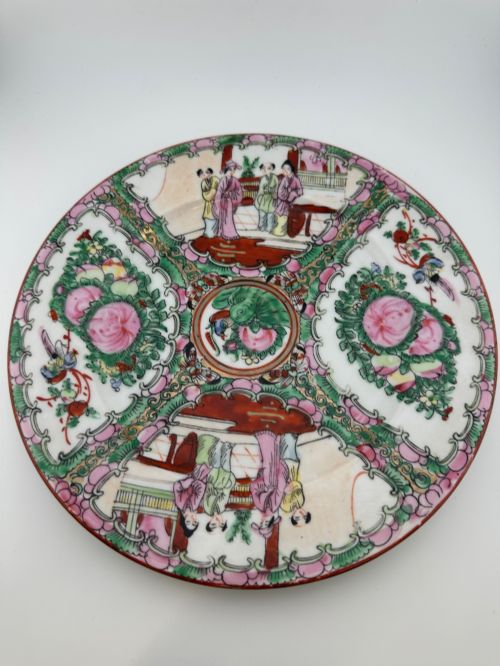
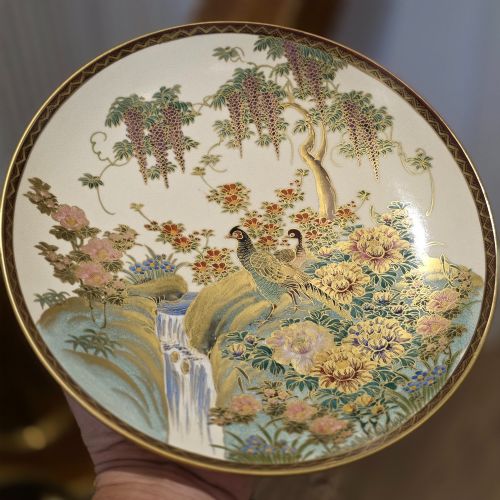
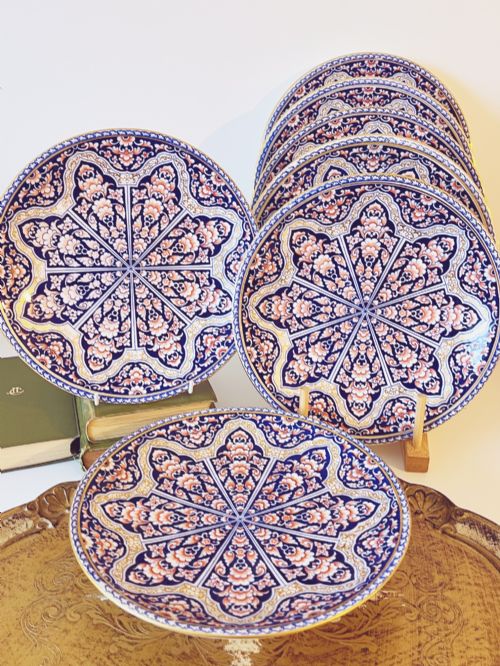
These decorative ceramic display plate examples bring together centuries of painted porcelain, earthenware and delft destined for walls and cabinets rather than the dining table.
Decorative Ceramic Display Plate
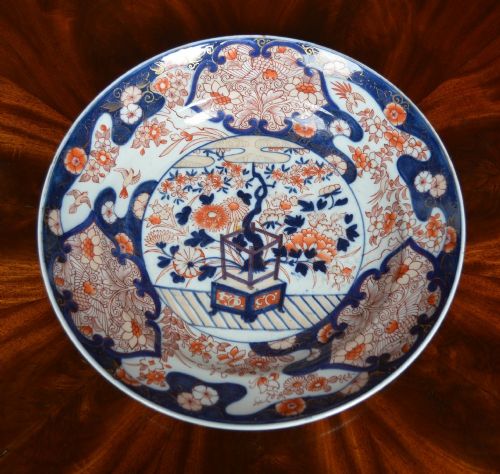
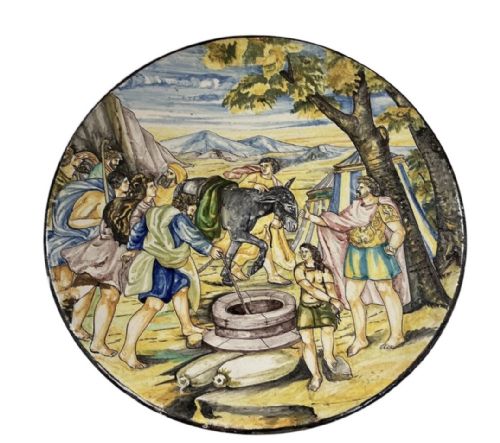
A decorative ceramic display plate is typically found in forms such as large chargers, cabinet plates and dessert service dishes spanning the eighteenth, nineteenth and early twentieth centuries. Buyers searching this phrase encounter English porcelain, Japanese Imari wares, Dutch and French delft chargers, and Italian maiolica.
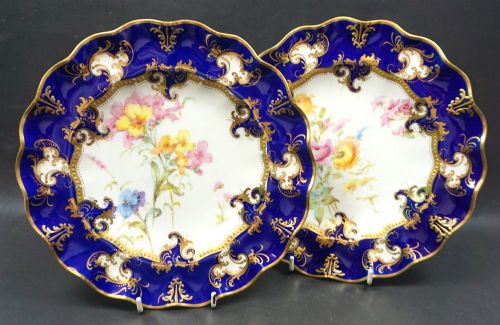
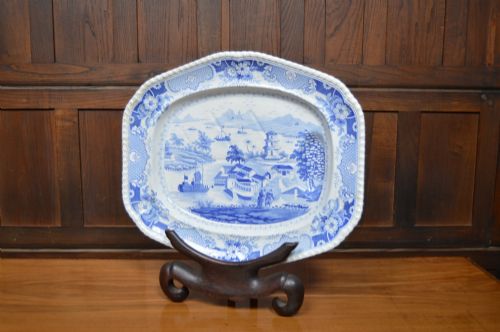
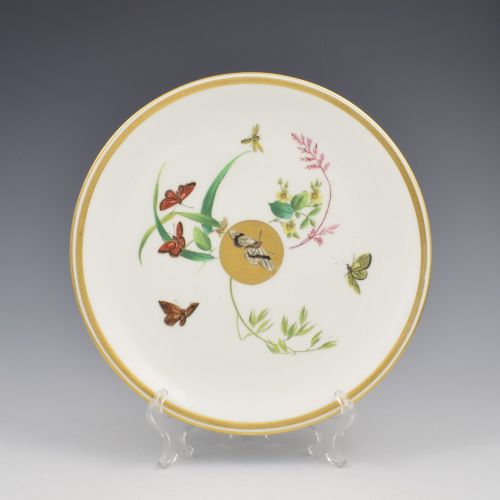
The selection ranges from vibrant blue and white transferware and hand-painted floral motifs to elaborate armorial designs and pictorial cabinet pieces meant purely for visual appreciation.
How they were made
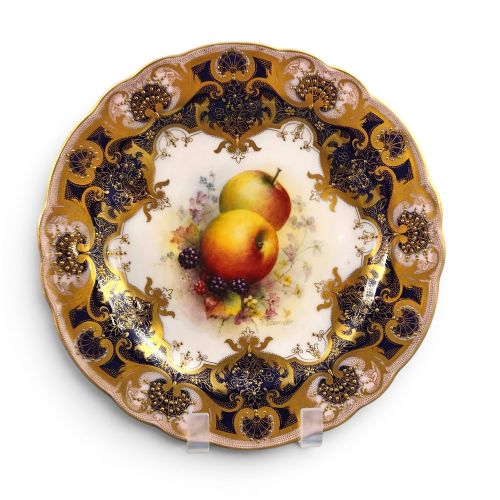
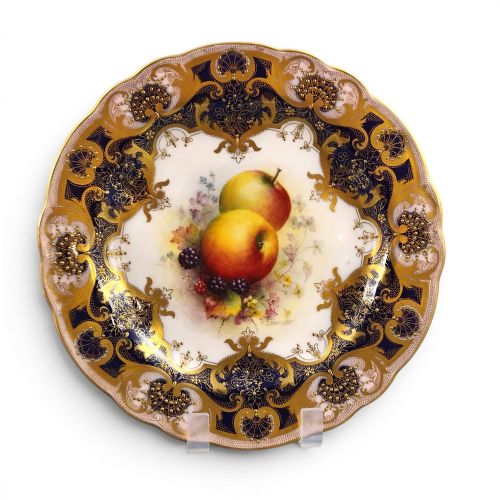
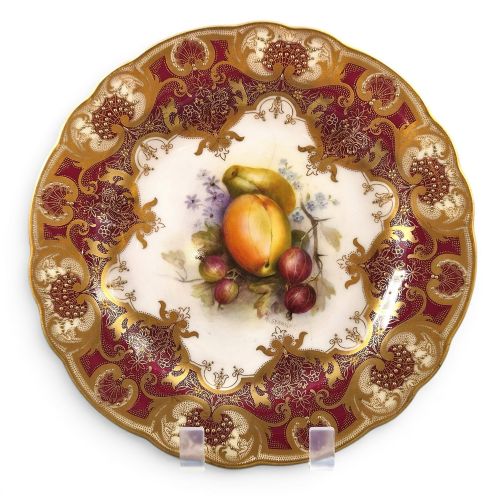
Potters shaped ceramic bodies from porcelain, earthenware and stone china, applying glazes and underglaze or overglaze pigments before firing. Many pieces incorporate intricate gilding, gold leaf and enamel work to accent the painted scenes.
Specialised decorators hand-painted botanical studies, landscapes, birds and figures directly onto the surface, sometimes utilising transfer printing for complex blue and white topographical scenes.
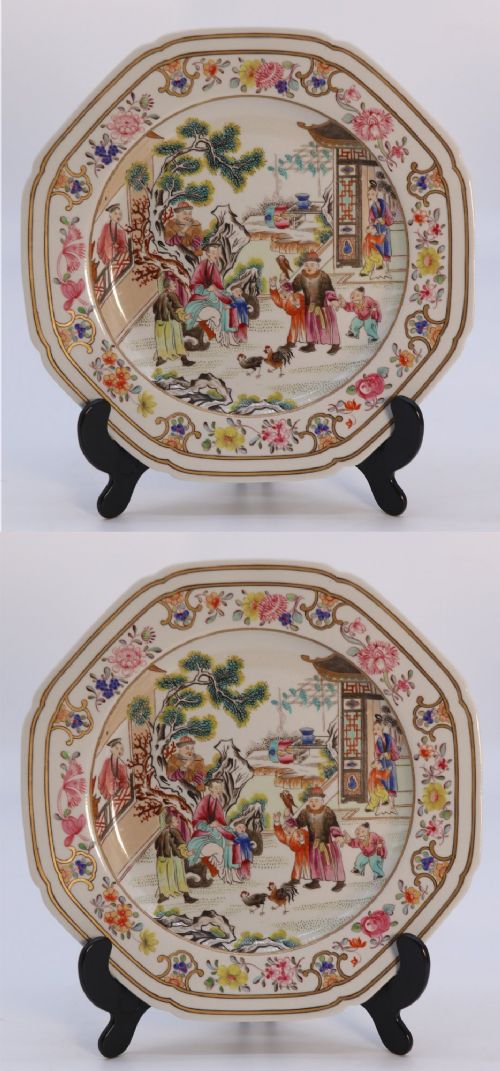
Several plates depict the Seven Lucky Gods sharing space with polite English floral borders.
What varies in quality
Quality rests upon the crispness of the hand-painted brushwork, the richness of the glaze and the precision of the gilding applied by skilled artists. Superior examples show depth and clarity in polychrome enamel or transfer-printed scenes rather than flat, uniform application.
The weight of the porcelain body, the complexity of moulded edges such as scalloped or octagonal contours, and the reputation of the decorator or pottery separate standard production items from master-painted cabinet plates.
Royal Crown Derby·Royal Worcester·Royal Doulton·Spode·Copeland·Minton
The Decorative Ceramic Display Plate Glossary
- Charger
- A large ornamental plate typically measuring over twelve inches across, intended for display on a wall or sideboard rather than for serving food.
- Cabinet plate
- A fine ceramic plate produced specifically for display in a cabinet or on a stand, often featuring detailed painted artwork.
- Imari
- A style of Japanese porcelain decorated in underglaze blue, iron red, and gilt, which heavily influenced European potteries.
- Delftware
- Tin-glazed earthenware produced in England, the Netherlands and France, known for its distinctive white surface and blue or polychrome painted designs.
- Transferware
- Pottery decorated by applying a printed design from an engraved copper plate onto the ceramic surface using a tissue paper transfer method.
Decorative Ceramic Display Plate: Frequently Asked Questions
How were display plates used?
Display plates were traditionally set upon sideboards, hung on walls using wire brackets, or housed within glass-fronted cabinets to showcase wealth, taste and artistic patronage.
Unlike everyday tableware, they remained purely decorative items designed to catch the light and display intricate hand-painted motifs.
Can I hang these plates on the wall?
Most chargers and cabinet plates can be hung using adjustable, rubber-coated spring wire hangers that secure the rim without damaging the ceramic body.
Care should be taken to select a hanger sized correctly for the weight and diameter of the specific piece.
What is the difference between a charger and a plate?
Chargers are substantially larger than standard dining or dessert plates, usually measuring between twelve and twenty inches in diameter.
They serve as focal points in a display setting, whereas cabinet plates are smaller and intended for close-up visual inspection.