

Gilt Porcelain Wall Dish
When you search for a gilt porcelain wall dish, you enter a field of decorated ceramics carrying gold leaf and intricate painted scenes.
Gilt Porcelain Wall Dish
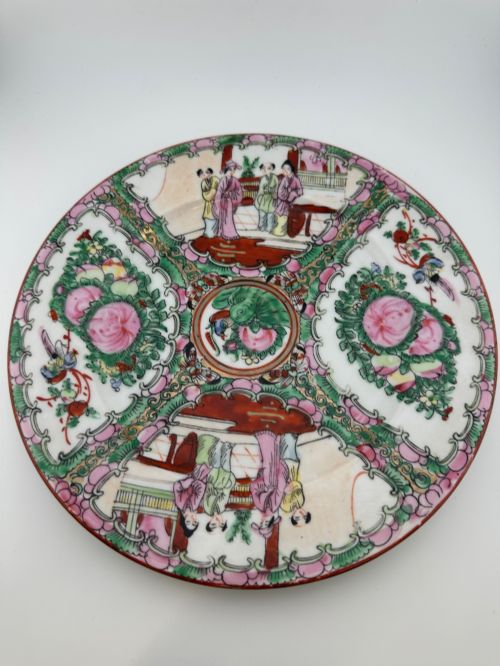
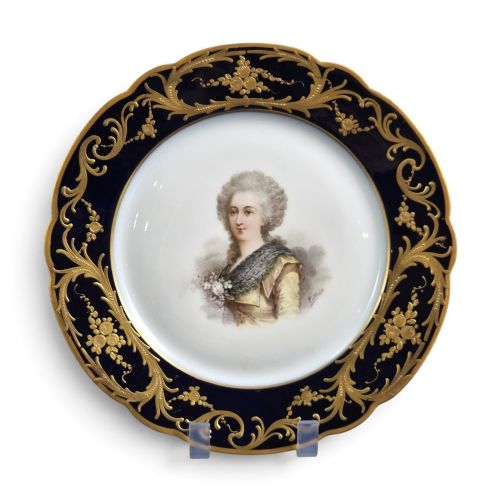
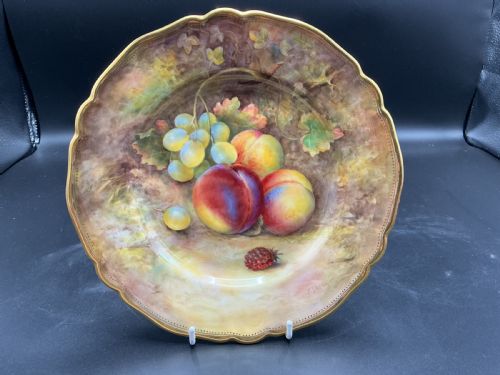
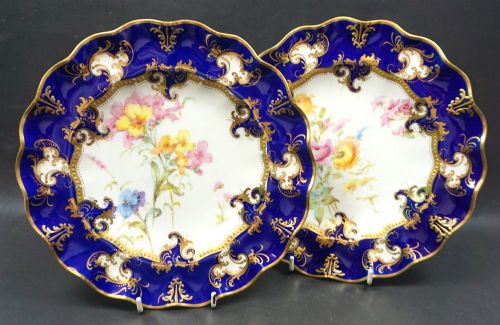
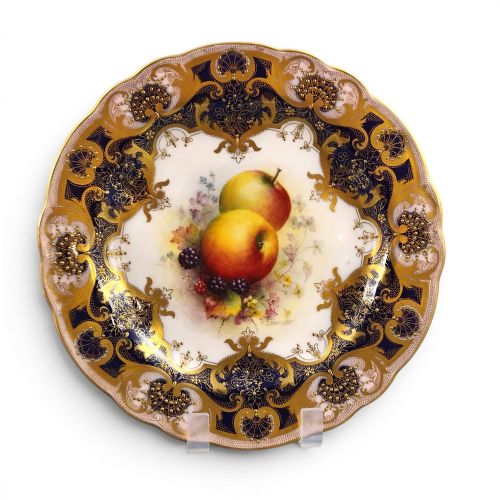
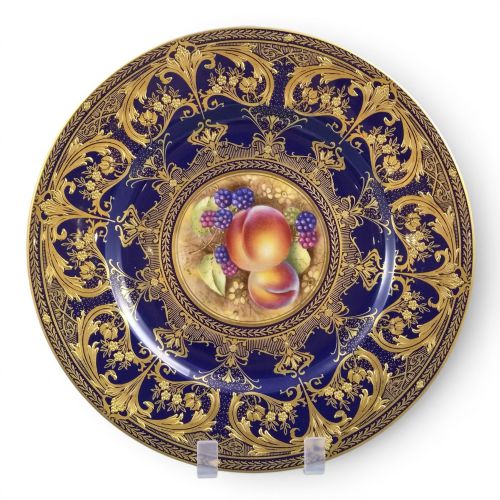
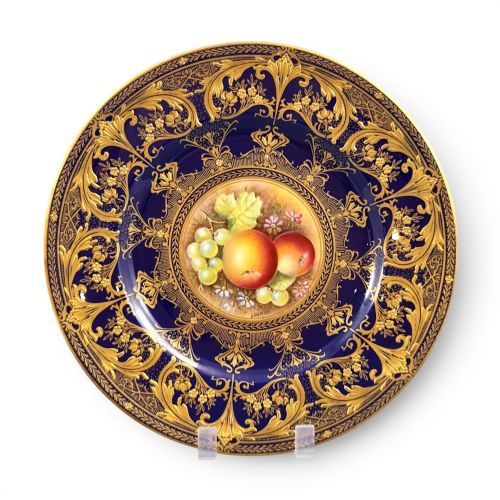
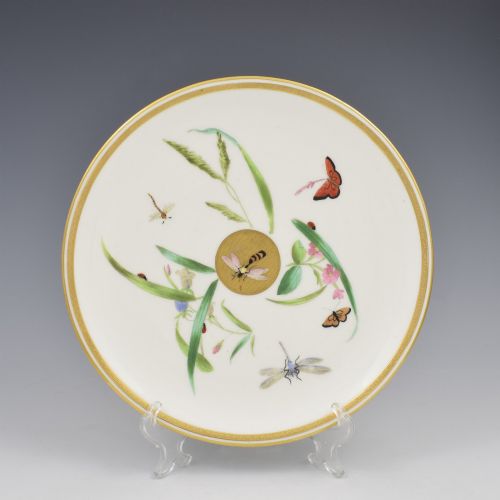
A gilt porcelain wall dish encompasses decorative plates, chargers, and cabinet plates produced across the nineteenth and twentieth centuries in European and Japanese kilns. Buyers searching this phrase encounter wide display pieces featuring metallic gilding alongside hand-painted botanical, figurative, and landscape subjects.
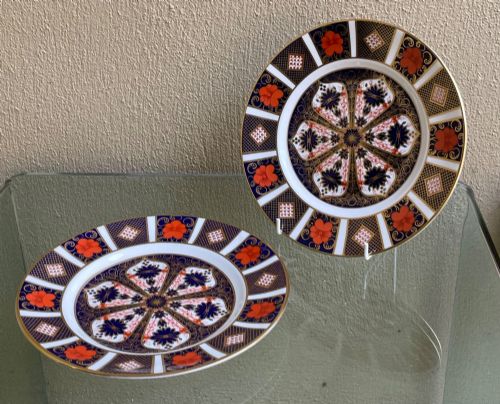
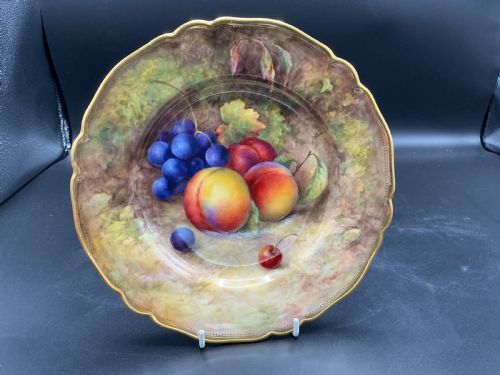
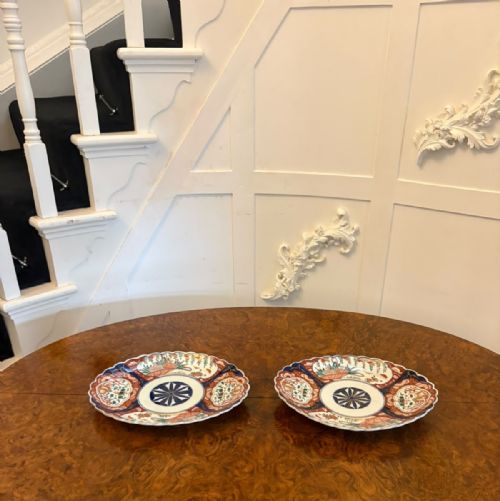
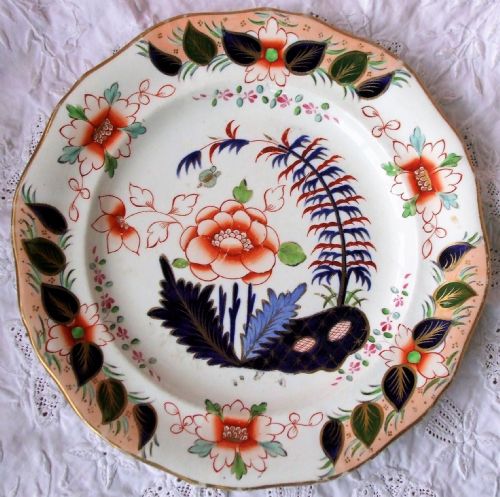
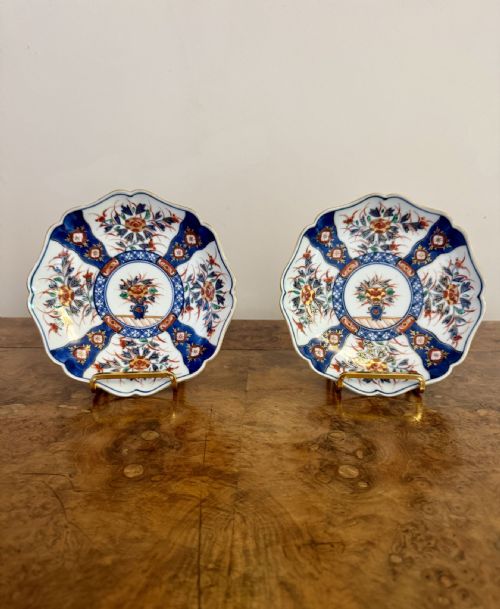
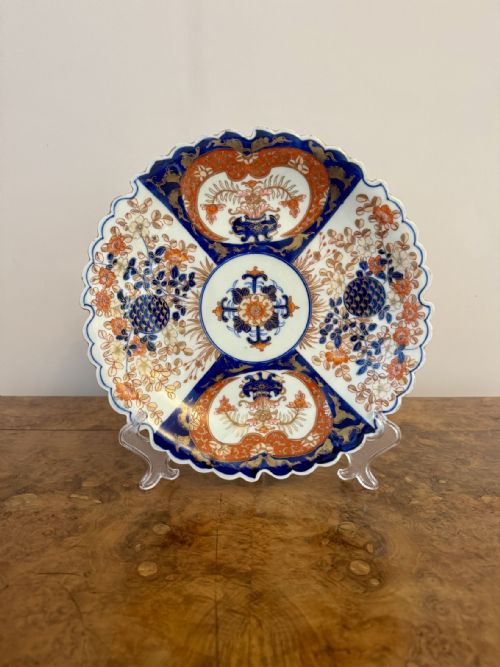
The selections available range from Japanese Meiji period Imari and Kutani chargers to English bone china and ironstone works by makers such as Royal Worcester and Minton. Many were designed originally for dining tables or glass-front cabinets, while large chargers frequently incorporated pierced rims or foot rings for hanging on walls.
How they were made
Potters shaped these vessels using hard-paste porcelain, bone china, or ironstone, fired at high temperatures before applying enamel colours and metallic gilding. Gold leaf, liquid gilding, and raised tooling were applied by hand over the glaze and subjected to a secondary low-temperature kiln firing to bond the precious metal.
Painting techniques combined delicate brushwork for portraits and fruit with transfer-printed outlines filled by hand. Japanese examples utilised iron-red and cobalt blue underglaze painting combined with dense gold detailing, while European factories employed specialist artists to render mythological and botanical compositions.
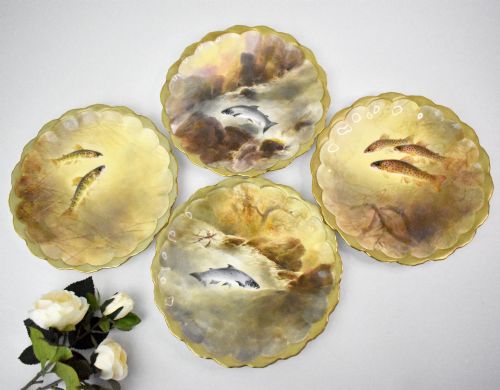
Several plates depict classical deities and exotic birds peering out from heavily gilded borders.
What varies in quality
Quality rests in the execution of the hand-painted artistry and the precision of the gilding. Master painters from factories like Royal Worcester or Meissen achieved anatomical and botanical realism that elevates a standard transfer-printed blank into a distinct work of art.
The weight, translucency of the ceramic body, and complexity of the tooled gold work distinguish ordinary production wares from exhibition-grade cabinet pieces. Heavily gilt borders with chased or burnished details indicate higher workshop standards.
Royal Crown Derby·Royal Worcester·Royal Doulton·Royal Vienna·C.J. Mason
The Gilt Porcelain Wall Dish Glossary
- Charger
- A large decorative plate traditionally exceeding thirty centimetres in diameter, often displayed upright on walls or buffets.
- Cabinet Plate
- A fine porcelain plate intended strictly for display in a vitrine or cabinet rather than for daily dining use.
- Gilding
- The application of gold leaf, powder, or liquid gold to the surface of porcelain to create decorative borders and highlights.
- Imari
- A Japanese export style characterised by a palette of cobalt blue, iron-red, and abundant gold over white porcelain.
- Reticulated
- Describes a ceramic piece featuring an openwork pierced border created by cutting geometric or floral patterns into the wet clay.
Gilt Porcelain Wall Dish: Frequently Asked Questions
How do I hang a heavy charger safely?
Wall chargers require specialised spring-loaded brass hangers that grip the rim securely without scratching the porcelain body or the gilt edge.
Ensure the wall fixing engages a solid stud or uses an appropriate wall anchor to support the substantial weight of large nineteenth-century ceramics.
Can I use these dishes for serving food?
Most pieces intended for display or cabinet use feature delicate overglaze enamels and soft gold leaf that will wear away with cutlery and acidic foods.
Historic ironstone and heavy porcelain plates from the nineteenth century were engineered for dining, but antique gilt surfaces require hand washing rather than machine cleaning.
How do I distinguish Japanese Meiji export pieces?
Meiji period chargers often display dense Kutani or Imari patterns incorporating intricate gold work over iron-red and cobalt blue pigments.
Signatures or kiln marks on the reverse frequently denote specific regional potteries active during the late nineteenth and early twentieth centuries.
What causes wear to the gold leaf?
Overglaze gilding sits on top of the fired glaze rather than sinking into it, making the metallic layer susceptible to friction from stacking or aggressive cleaning.
Handling pieces with clean hands and avoiding abrasive cloths preserves the burnished finish and original brilliance of the gold.