





Decorative Blue Serving Platter
A decorative blue serving platter brings rich cobalt colour and striking pattern to a table or wall, drawing the eye instantly.
Decorative Blue Serving Platter
A decorative blue serving platter encompasses large chargers, meat dishes, and decorative dishes made across the eighteenth, nineteenth, and early twentieth centuries. These substantial ceramic and porcelain pieces were designed for both grand dining and striking display.
Makers ranged from large English potteries like Minton and Coalport to Japanese export workshops and continental creators. Each item reflects the prevalent taste of its period, from Dutch Baroque influences to Meiji period craftsmanship.
How they were made
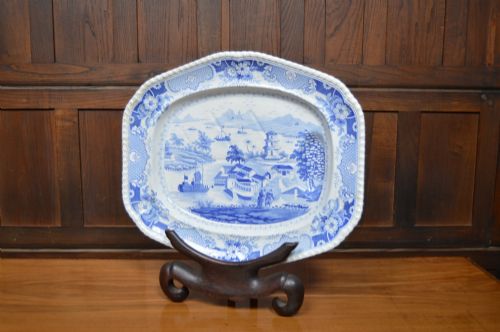
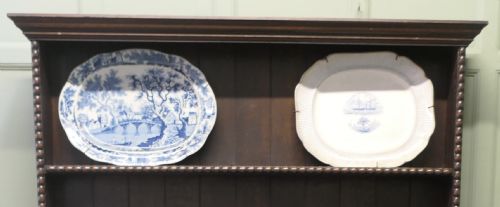
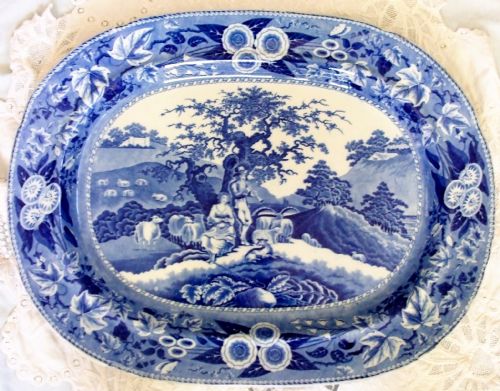
Potters shaped earthenware and porcelain bodies before applying cobalt blue pigments under the glaze, a technique that survived high kiln temperatures to yield deep, permanent colour. Transfer printing allowed intricate pastoral and architectural scenes to cover large surfaces with precision.
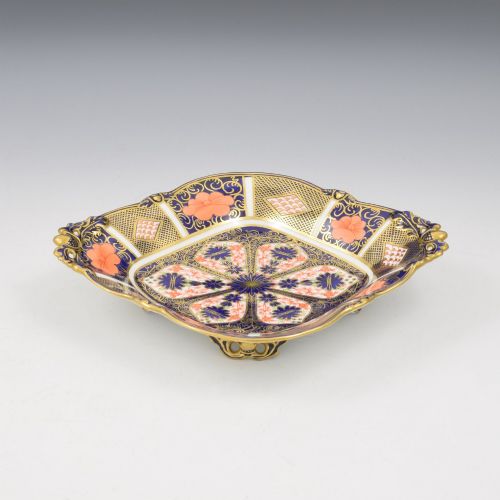
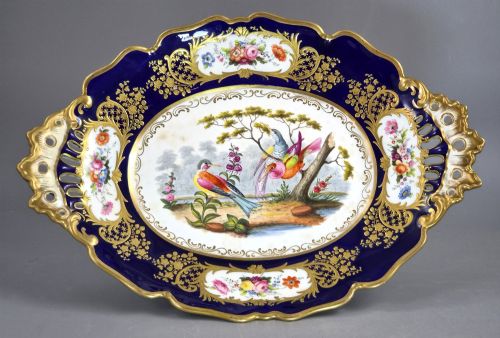
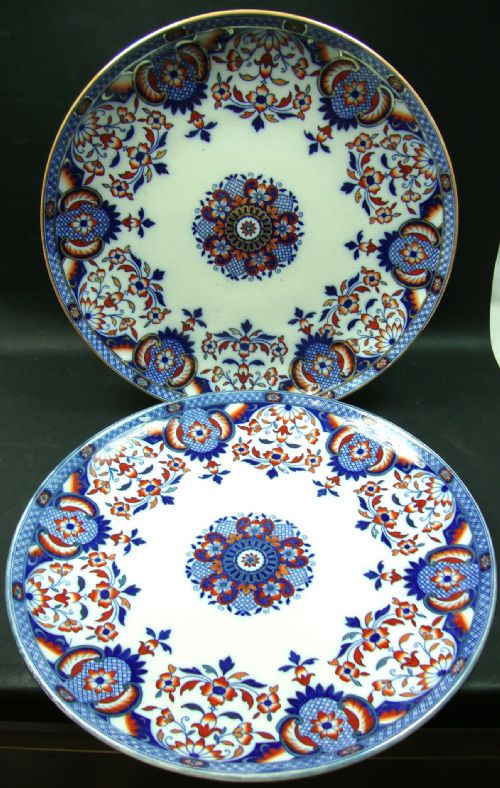
Many Japanese Imari and English earthenware pieces received hand-painted details over the glaze, occasionally accented with gilding or gold leaf for added richness. Cloisonne examples utilised enamel set within fine wire cells on metal bases to create vibrant aquatic designs.
Water dogs appear paddling across early nineteenth-century meat dishes, proving that antique table service occasionally possessed a sense of humour.
What varies in quality
The clarity and depth of the blue pigment distinguish standard utility wares from exceptional display pieces. Rich cobalt tones with sharp transfer lines or confident brushwork indicate superior ceramic execution.
The complexity of the surface design dictates the tier of the object, particularly where hand-painted Imari enamels and gilt highlights are layered over blue underglaze. Potteries utilising refined stone china or translucent porcelain achieved a finer finish than basic coarse earthenwares.
Condition and scale elevate certain platters, especially large chargers and meat dishes retaining their original glaze lustre without extensive firing flaws. Maker marks from established factories add documentary weight to the physical execution.
Royal Crown Derby·Coalport·Mintons·Don Pottery·Rene Lalique
The Decorative Blue Serving Platter Glossary
- Charger
- A large decorative plate or platter, typically exceeding twelve inches in diameter, used historically for ceremonial dining or wall display.
- Transferware
- Pottery decorated by applying a printed design from a copper plate onto tissue paper, which was then transferred onto the unglazed or biscuit ceramic body.
- Imari
- A style of Japanese porcelain featuring a distinct palette of underglaze blue, iron red, and gilt, which was widely copied by European potteries.
- Pearlware
- A refined earthenware developed in the late eighteenth century featuring a subtle bluish glaze that pooled in recesses to mimic Chinese export porcelain.
- Gravy well
- A depressed channel or recess moulded into the centre or corner of a meat dish to collect juices during carving.
Decorative Blue Serving Platter: Frequently Asked Questions
How do I hang a heavy charger?
Large platters require robust, coated wire spring hangers that distribute weight evenly across the rim without putting pressure on stress points. Ensure the wall fixing is secured directly into solid masonry or a stud.
Avoid cheap grips that rely on tension alone. Periodically check the wire alignment to keep the display secure.
How do I date a blue transfer print?
Examine the backstamp, the style of the border, and the tone of the blue pigment to narrow down the decade of production. Earlier nineteenth-century prints often display a deep mulberry or bright cobalt, while registry marks give exact calendar years.
Unmarked pieces rely on body weight, crazing patterns, and potting techniques typical of specific regional kilns.
What caused crazing on old platters?
Crazing is a network of fine cracks in the glaze caused by the ceramic body and its glassy coating contracting at different rates over time. It develops naturally as pieces age through environmental temperature changes.
While crazing does not structuraly weaken a display platter, it can absorb staining from liquids if food is left on the surface.