
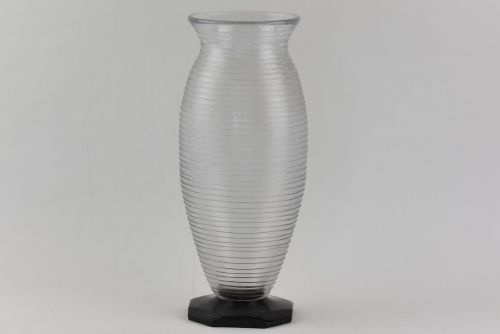


Decorative Art Glass Vase
A decorative art glass vase brings colour and tactile form to a room through centuries of skilled glassmaking traditions.
Decorative Art Glass Vase
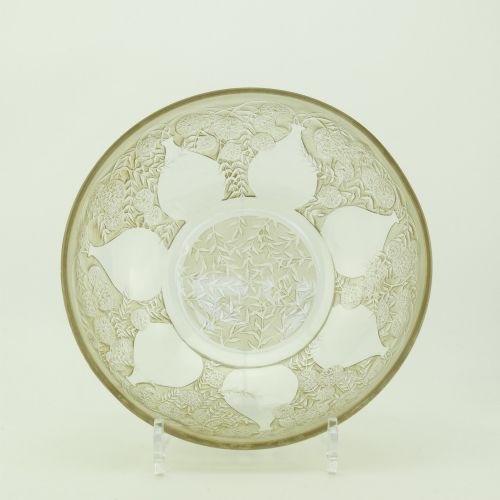
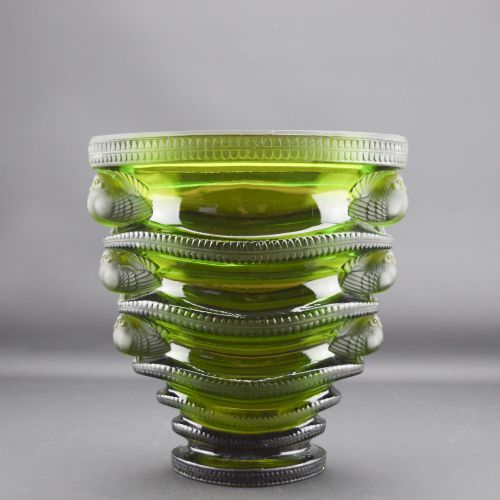
A decorative art glass vase represents a diverse range of vessels designed to catch the light and display floral arrangements or stand alone as sculptural objects. When searching for a decorative art glass vase, buyers encounter pieces spanning from the Victorian era through the Art Nouveau and Art Deco periods into mid-century modern designs. These vessels appear in varied forms, from slender balusters and footed bowls to large oviform shapes.
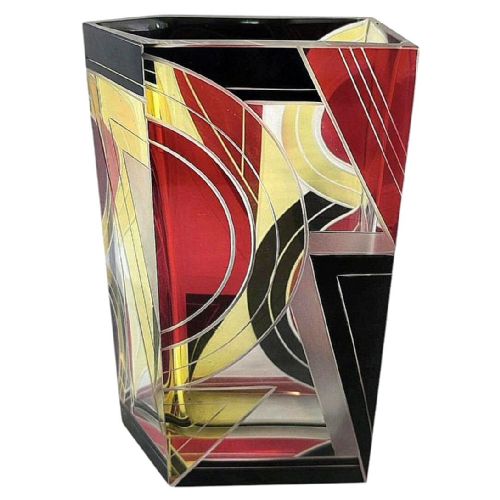
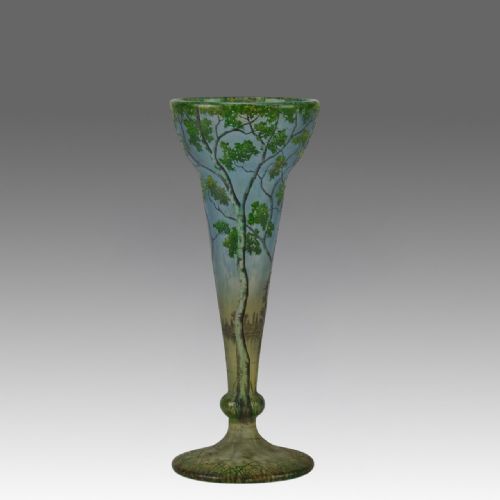
The versions most frequently met on this page originate from the late nineteenth and early twentieth centuries, heavily featuring French and English makers. Art Nouveau examples display organic floral motifs, while Art Deco pieces favour geometric patterns and stylised enamelling. Victorian specimens often showcase vibrant cranberry hues or delicate enamel painting.
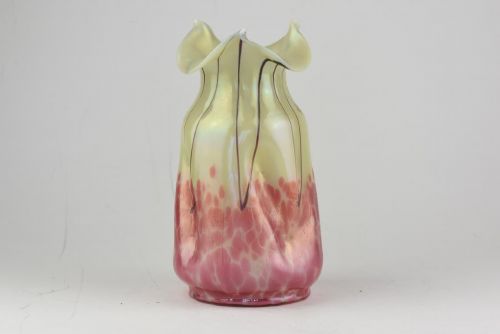
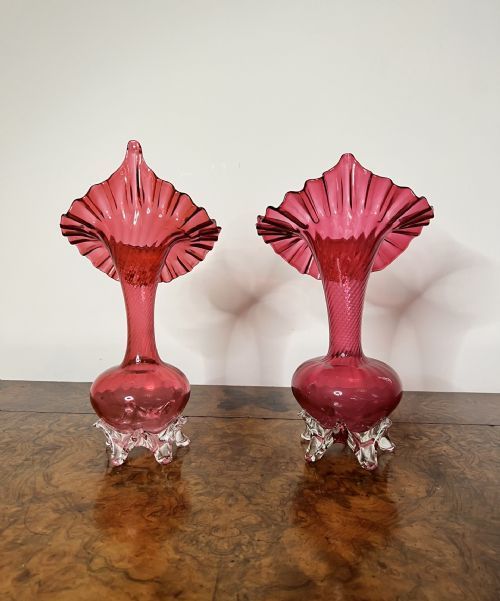
Beyond standard vessels, the selection includes specialised forms such as jack-in-the-pulpit vases and large centrepiece bowls. Creators utilised specific techniques to achieve distinct visual textures, resulting in pieces that range from translucent clarity to opaque layered colour.
How They Were Made
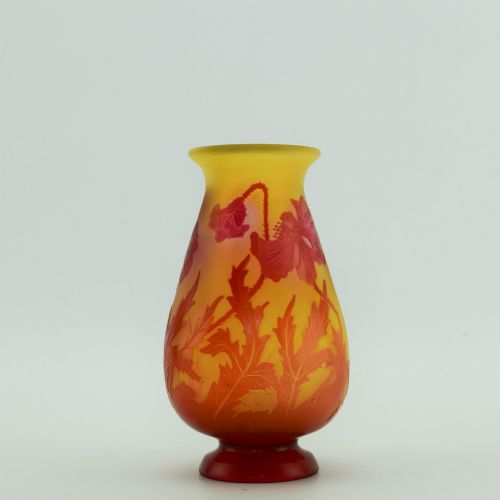
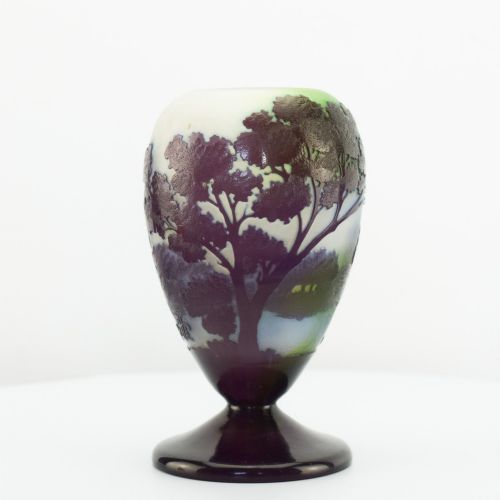
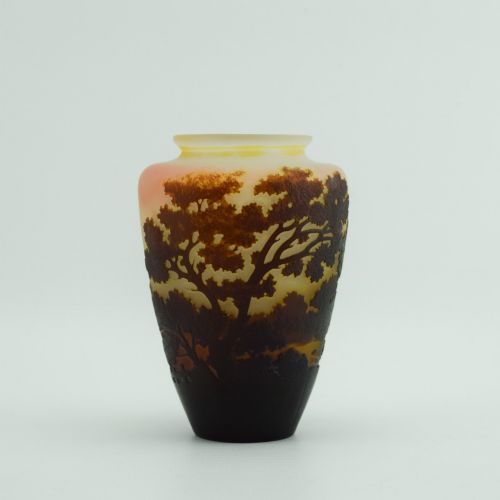
Makers utilised layered cameo glass techniques, acid-etching multiple strata of coloured glass to reveal intricate floral and landscape designs in relief. This demanding process required precise temperature control and skilled hand-carving to achieve depth and tonal variation across the surface.
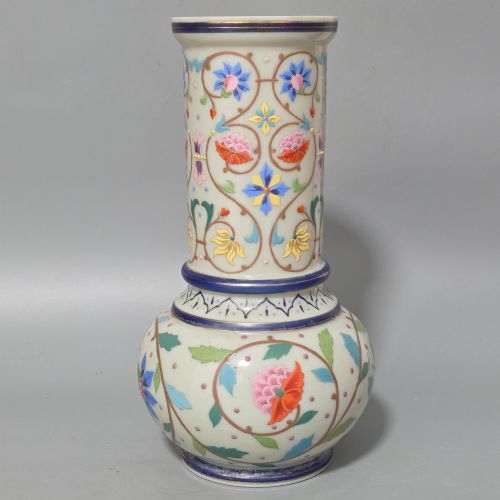
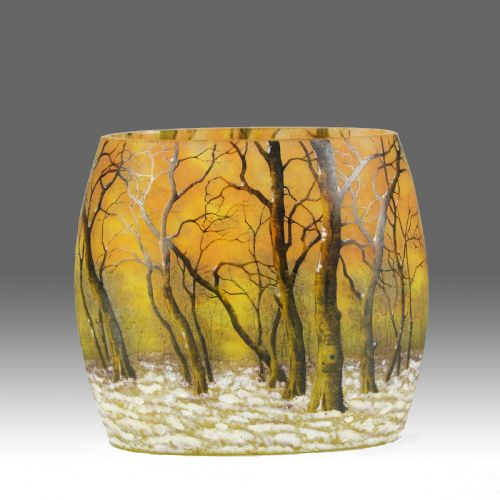
Enamelling and gilding frequently adorned the exterior, with artists applying gold leaf and coloured enamel details by hand over iridescent or monochrome glass bodies. Optic blowing and moulding shaped the foundational vessels, sometimes incorporating pewter overlays or contrasting glass threads.
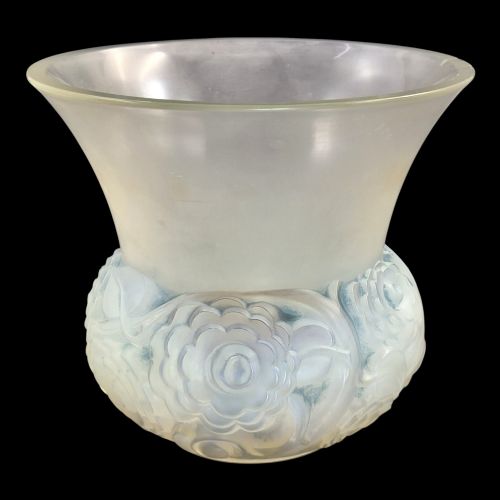
Opalescent and frosted glass treatments created soft, diffusing qualities that played with natural light, particularly visible in moulded pieces from the interwar period. The combination of chemical colouration and surface manipulation defined the aesthetic output of major glasshouses.
Some Victorian glass vases were shaped specifically to resemble ruffled flowers waiting patiently for a stray stem.
What Varies In Quality
The depth and clarity of the material distinguish superior examples from simpler production pieces. In cameo glass, the sharpness of the acid-etching and the precise control over the thickness of the outer colour layers determine the definition of the design.
Artistry in hand-painted enamel and applied gold leaf creates significant divergence in execution. The most accomplished works exhibit careful brushwork and harmonious colour palettes that integrate seamlessly with the underlying glass form.
Signatures and factory marks from established ateliers provide an indication of provenance and benchmark design standards. The weight, balance, and symmetry of the vessel further reflect the proficiency of the workshop.
Rene Lalique·Daum Frères·Pallme Konig·Thomas Webb·Gallé·Legras·James Powell·Karl Palda·Stuart
The Decorative Art Glass Vase Glossary
- Cameo Glass
- Glass vessels formed of two or more distinct layers of colours, where portions of the outer layer are carved or acid-etched away to create a raised design. This technique gained prominence during the late nineteenth century.
- Opalescent Glass
- Glass that has a milky, semi-translucent appearance with shimmering highlights of blue or amber when lit. It diffuses light softly across moulded contours.
- Acid-Etched Glass
- Glass decorated by exposing unprotected areas to hydrofluoric acid to eat away the surface. This method creates frosted textures and low-relief patterns.
- Iridescent Glass
- Glass treated with metallic vapours while hot to produce a rainbow sheen that shifts in the light. This finish mimics natural weathering found in ancient glass.
- Baluster Vase
- A vase with a bulbous lower body tapering to a narrow neck and flared rim. The silhouette resembles an architectural baluster.
Decorative Art Glass Vase: Frequently Asked Questions
What is cameo glass?
Cameo glass involves fusing multiple layers of different coloured glass together before carving or acid-etching the outer layer away. This reveals the contrasting background colour and creates a raised, sculptural motif.
The technique requires immense skill to avoid breaching the inner layer while achieving fine detail in landscapes or floral subjects.
How should I display a decorative art glass vase?
Place art glass vases in locations where natural light can pass through or reflect off the surface, such as near windows or on illuminated shelving. Direct sunlight highlights the internal colours and textures of iridescent and opalescent pieces.
Keep them away from high-traffic edges where accidental knocks might occur, allowing the sculptural form to serve as a focal point in the room.
How do I tell Victorian glass apart from later periods?
Victorian glass often exhibits vibrant hues like cranberry, deep blues, or complex optical twists, alongside applied decorations like Mary Gregory-style white enamel figures. The forms tend toward ornate Victorian silhouettes such as jack-in-the-pulpit or frilled rims.
Later periods shifted toward the stylised geometry of Art Deco or the organic curves of Art Nouveau, moving away from heavy Victorian ornamentation.