




Antique Botanical Glass Vase
An antique botanical glass vase brings the delicate forms of flora into sharp, coloured focus through masterly nineteenth and twentieth-century glassmaking.
Antique Botanical Glass Vase
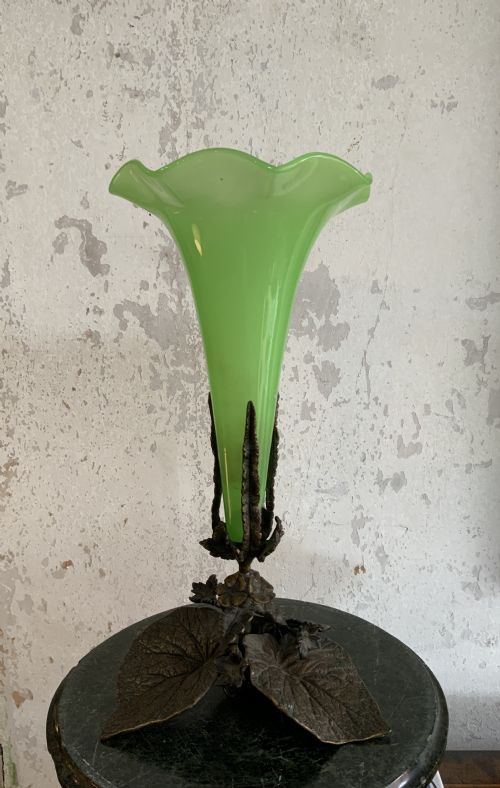
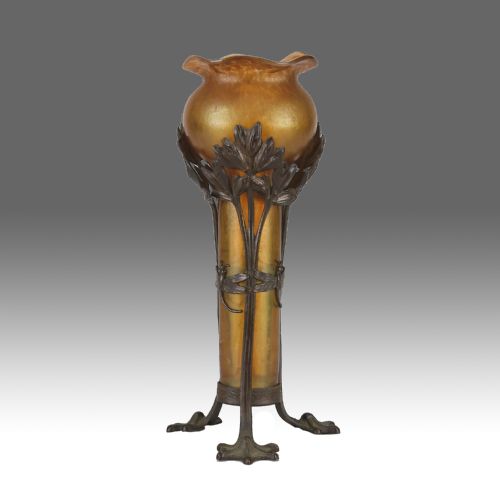
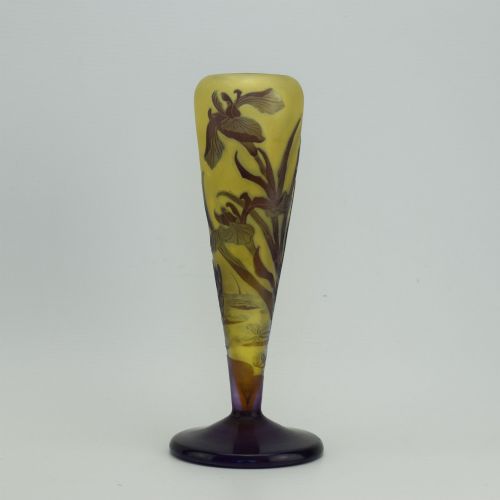
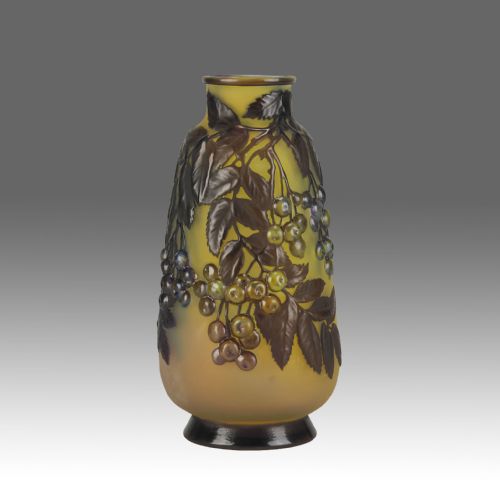
An antique botanical glass vase captures the natural world through cameo carving, acid etching, and enamelling upon varied glass forms. The pieces met most frequently on this page belong to the Art Nouveau period, displaying organic floral motifs such as irises, cornflowers, and begonias.
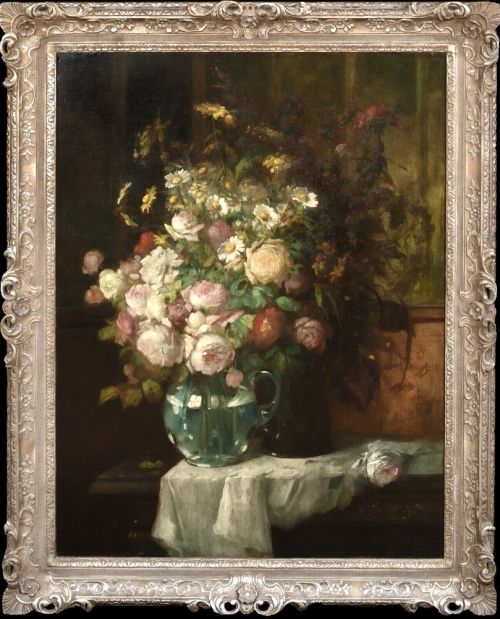
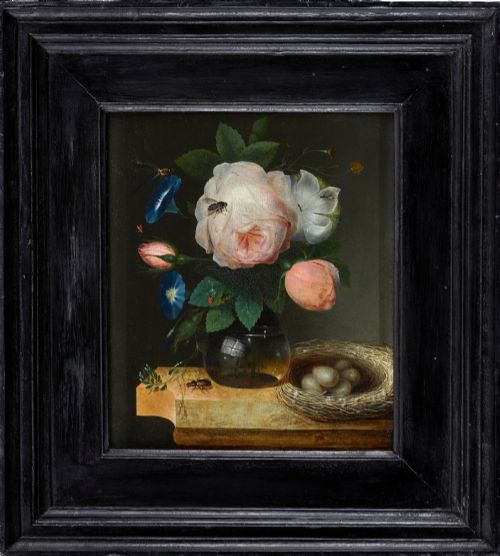
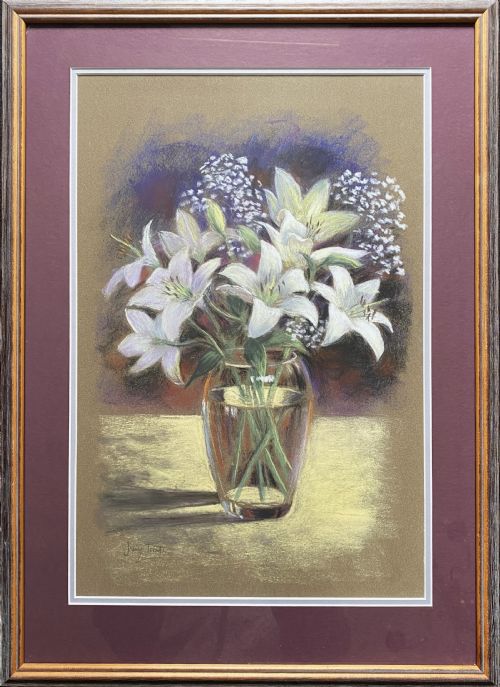
Makers utilise techniques like layered cameo glass to render petals and stems in contrasting hues. Alongside dedicated glass vessels, the selection encompasses paintings depicting floral arrangements housed within glass receptacles.
The objects span from the Victorian era into the early decades of the twentieth century, reflecting shifting tastes in botanical illustration and decorative arts. Forms range from slender cabinet vases to substantial vessels bearing bronze mounts.
Distinguishing quality
The distinction between tiers rests upon the precision of the cameo carving and the depth of the glass layers. Superior examples display crisp definition in floral details like iris petals or blackberry clusters, where the outer glass is carved away with controlled subtlety.
The harmony of colour and the integration of the design with the natural contours of the vase elevate certain pieces. Master workshops achieve a translucency and shading that lesser productions fail to match.
Listings feature works from the Victorian era, the Art Nouveau period, and the 1930s, utilising cameo glass, acid-etched glass, and oil paint.
Loetz·Gallé·Daum Frères·Baccarat·René Lalique·Thomas Webb
The Antique Botanical Glass Vase Glossary
- Cameo Glass
- A vessel formed of two or more fused layers of contrasting colours, carved away to create raised designs. This demanding technique requires immense skill to avoid breaching the inner layer.
- Acid-Etched Glass
- Glass treated with acid to eat away exposed surfaces, creating textured patterns or matte finishes. It offers an alternative to wheel-carving for producing botanical motifs.
- Uranium Glass
- Glass containing uranium oxide, which glows vividly under ultraviolet light. It imparts a distinctive yellow-green tint to decorative vessels.
- Epergne
- A tiered centrepiece ornament, often comprising a central vase flanked by smaller hanging baskets. These pieces frequently incorporate coloured glass elements.
- Opaque Glass
- Non-translucent glass created by adding opacifying agents to the batch. It provides a solid background for hand-painted floral decorations.
Antique Botanical Glass Vase: Frequently Asked Questions
What is cameo glass?
Cameo glass is created by fusing two or more distinct layers of coloured glass together. Artisans then carve away the outer layers by hand or acid-etch them to reveal the contrasting design underneath.
This method allows for intricate shading and depth, making each botanical subject appear remarkably lifelike against its background.
How should I display my vase?
Position the vessel in a location with natural light to highlight the layered colours and etched botanical details. Placing it near a window allows sunlight to pass through translucent cameo glass, revealing hidden tones.
Keep the piece away from direct, harsh heat sources and stable surfaces to protect the fragile glass body.
Are these vases signed?
Many notable pieces bear etched, enamelled, or cameo signatures from the maker or studio on the base or body. Signatures often reflect the hand of master glassmakers working around the turn of the twentieth century.
Unsigned examples still display period characteristics through their manufacturing technique, weight, and material composition.