





Vintage English Art Glass
Vintage English art glass brings together rich colours and distinctive forms from the Victorian era to the mid twentieth century.
Vintage English Art Glass
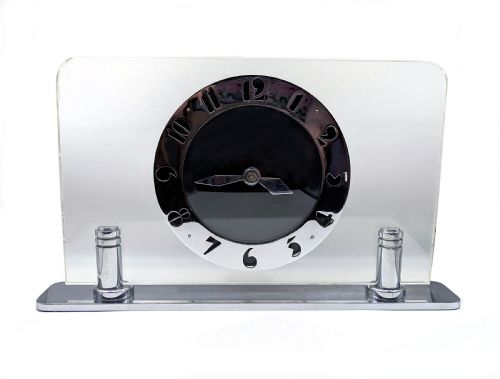
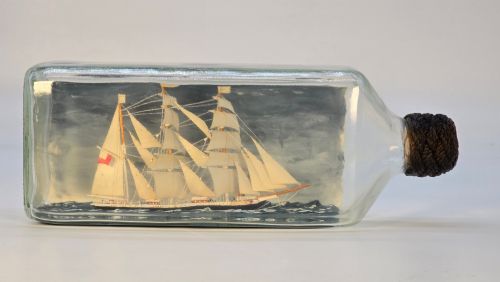
Vintage English art glass covers decorative objects, vessels and furnishings produced across various periods including the Victorian era and the interwar decades. When searching for vintage English art glass, buyers encounter diverse forms such as pedestals, bowls, vases and scent bottles incorporating glass components.
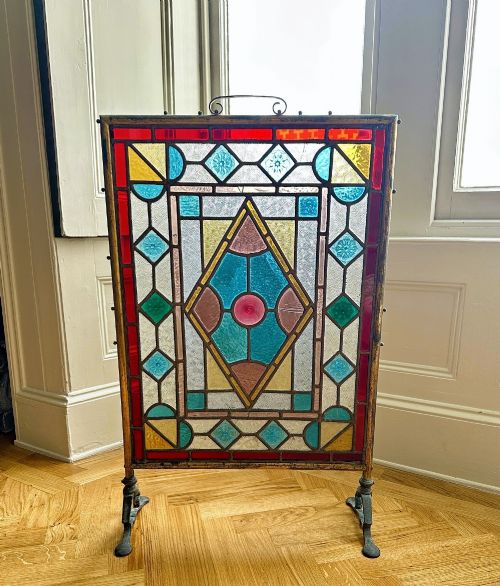
The selection ranges from nineteenth century Nailsea examples to robustly coloured vessels and decorative panels from the nineteen thirties. These items reflect changing domestic tastes, shifting from ornate Victorian designs towards cleaner modernist lines.
Makers and designers working during these periods utilised glass alongside materials like sterling silver and brass to create functional ornaments for the home. Such pieces hold appeal for collectors seeking decorative focal points with period character.
What varies in quality
Quality differences emerge in the depth of colour, the clarity of the material and the precision of any applied surface decoration or cameo work. Superior examples demonstrate careful control during the cooling and shaping processes, resulting in balanced proportions and stable forms.
The integration of secondary materials such as hallmarked sterling silver mounts or fitted stoppers adds to the integrity of the piece. Craftsmanship in signature details distinguishes standard production items from ambitious workshop commissions.
Design sophistication and maker attribution elevate certain vessels, reflecting the distinct aesthetic standards of their period of origin.
Some glass pieces spent decades quietly holding perfume before finding a second life catching the light on a modern mantelpiece.
Thomas Webb And Sons·Jobling Opalique·Elizabeth Graydon Stannus·Henry Perkins·Barnsley And Co
The Vintage English Art Glass Glossary
- Cameo glass
- A vessel formed with multiple distinct layers of coloured glass, where the outer layer is carved away to leave a raised design. This technique requires considerable skill to maintain even depth across the surface.
- Guilloche enamel
- A decorative technique involving intricate machine turned patterns beneath a translucent layer of coloured enamel. It frequently appears on small silver mounted vanity items and scent bottles.
- Nailsea glass
- A type of nineteenth century glassware characterised by whimsical looped or striped thread decorations embedded within clear or coloured glass. It originated from the glassworks near Bristol.
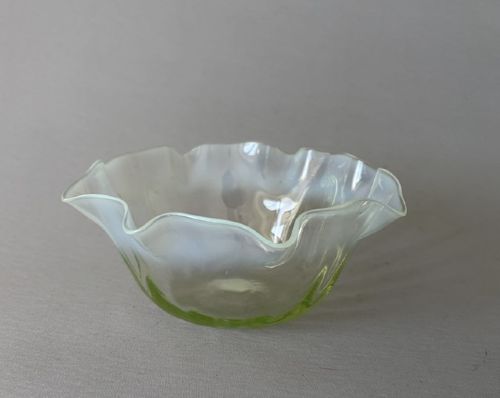
- Opalique
- An opaque, milky art glass type often utilised for pressed decorative bowls and shades during the interwar period. It diffuses light softly and displays subtle tonal gradations.
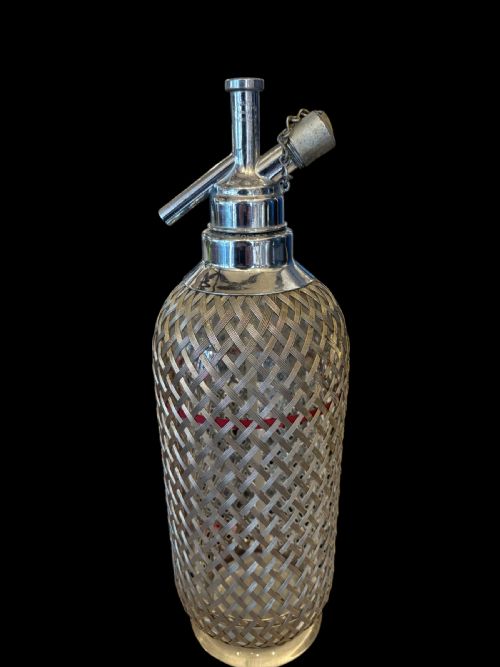
- Soda syphon
- A heavy pressure vessel constructed from thick glass and fitted with a metal dispensing mechanism for carbonated water. These domestic bar accessories were widely produced in the twentieth century.
Vintage English Art Glass: Frequently Asked Questions
How do I identify a piece?
Examination of the glass colour, weight and any accompanying maker signatures or silver hallmarks helps determine the period of origin. Comparing the form against documented styles from the Victorian era or the nineteen thirties provides further context.
Familiarity with specific techniques such as cameo carving or Nailsea looping assists in narrowing down the likely manufacturing era.
Where were these pieces used?
These glass objects originally served as decorative ornaments, dressing table accessories or functional tableware in English homes. Display cabinets and mantelpieces frequently housed coloured vases, bowls and scent bottles.
Larger vessels and panels functioned as architectural accents or focal points within period interior schemes.
How should I clean them?
Gentle washing in lukewarm water with mild soap preserves the fragile surfaces and any applied metal mounts or enamel details. A soft cloth prevents scratching on older glass compositions.
Harsh chemical detergents and immersion in ultrasonic cleaners should be avoided, particularly on items featuring silver components or delicate surface decoration.
What periods are represented?
The available selection spans from nineteenth century Victorian productions through Arts and Crafts examples to modernist interwar designs. Pieces reflect the stylistic shifts occurring across successive decades.
Each period brings distinct colour palettes and manufacturing methods to the collection.