


Dated Furniture
Dated antique furniture carries its exact year of creation carved, painted, or inlaid into the timber, offering a direct link to the hands that shaped it centuries ago.
Dated Furniture
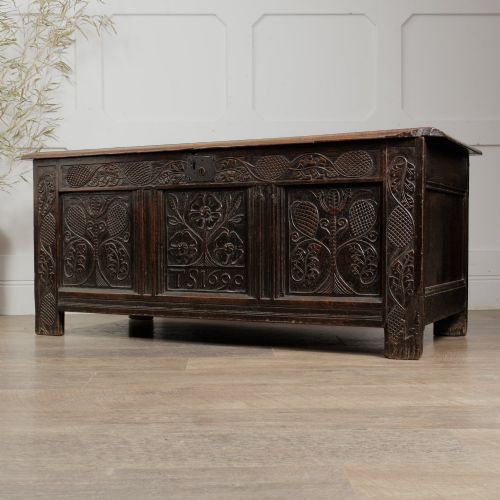
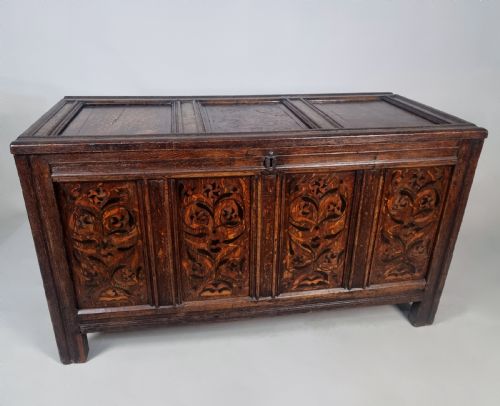
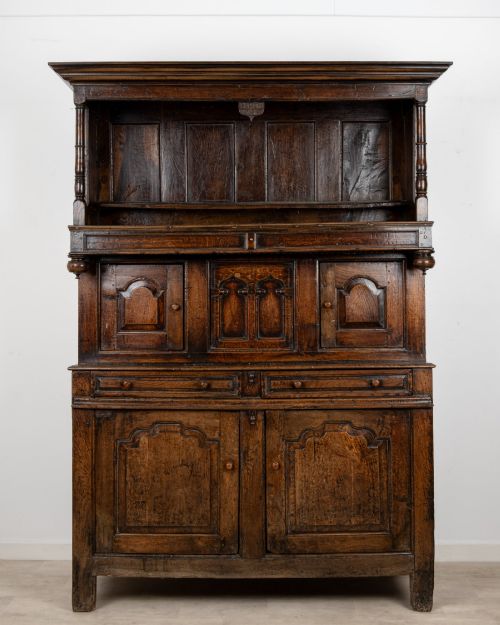
Dated antique furniture encompasses pieces bearing explicit year inscriptions across periods ranging from the seventeenth century through the Edwardian era. Buyers seeking dated antique furniture encounter utilitarian storage forms like oak coffers, panelled chests, press cupboards, and Welsh cwpwrdd tridarns alongside smaller domestic items. Seventeenth-century joined oak and eighteenth-century vernacular walnut or mahogany pieces dominate the earlier half of the selection.
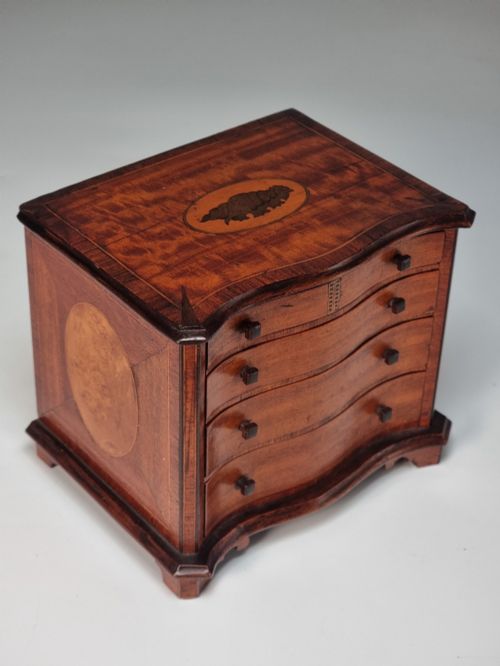
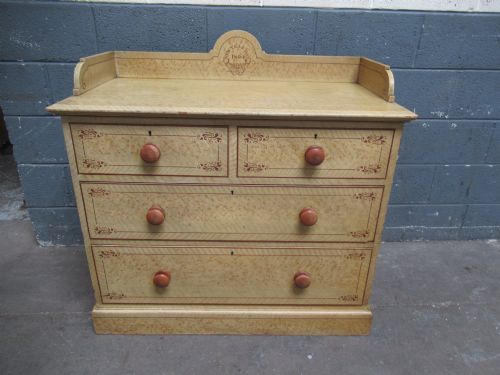
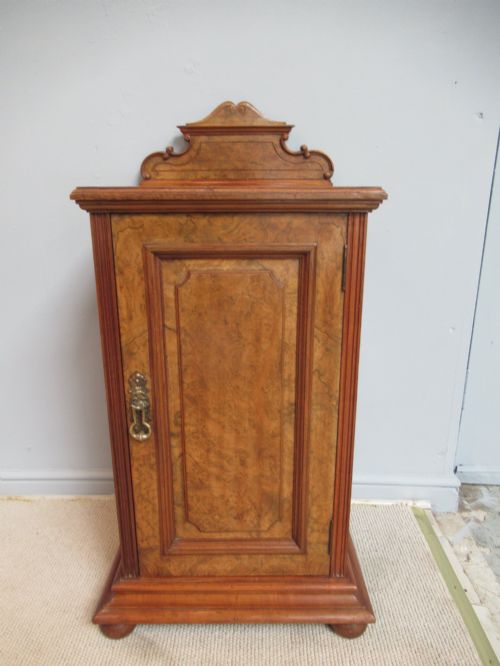
The nineteenth century introduces painted Scandinavian folk art cupboards, Hungarian coffer boxes, and Victorian pine chests of drawers bearing precise dates. Miniature furniture and specialised items such as dolls' chairs and bedside cabinets also appear with inscribed years. These markers frequently commemorate marriages, construction milestones, or initial ownership.
Every piece provides a concrete chronological anchor within broader stylistic movements like the Georgian, Victorian, and Scandinavian Folk Art traditions. The inclusion of owner initials alongside specific dates deepens the documentary value of the furniture. Such pieces function simultaneously as robust domestic utilities and verifiable historical documents.
What varies in quality
The clarity and originality of the inscribed date and any accompanying initials heavily influence the standing of each piece. Carvings executed with confident, deep tool work contrast with softer, later inscriptions or recut numbers intended to enhance desirability. The preservation of the original surface, whether historic paint or aged timber patina, dictates the integrity of the object.
Construction standards differ between robust vernacular workshop output and refined urban cabinet making using imported mahogany or satinwood. The survival of original iron or brass hardware, hinges, and locks without modern replacement adds to the cohesion of the piece. Proportion, timber selection, and structural honesty separate everyday utility items from masterwork examples.
One tiny doll chair from 1796 proves that miniature furniture received the exact same dated reverence as full-sized household cupboards.
A. F. Lloyd, Bideford
The Dated Furniture Glossary
- Cwpwrdd Tridarn
- A traditional Welsh three-tier press cupboard used for storage and display, frequently constructed from local oak. These large pieces often feature open central display sections and enclosed cupboards above and below.
- Coffer
- A large wooden chest with a hinged lid, primarily utilised for storing household textiles, valuables, or documents. Early examples display heavy panelled construction and meticulous chip-carved detailing.
- Marquetry
- A decorative technique applying fitted pieces of wood veneer to form geometric or pictorial patterns across a surface. Makers utilised contrasting timbers such as walnut and fruitwoods to achieve tonal variation.
- Wainscot Armchair
- A sturdy wooden chair from the seventeenth century constructed with panelled backrests and solid wooden seats. These items represent the joiner's craft before upholstered seating became widespread.
- Satinwood
- A lustrous yellow timber imported from tropical regions, valued by cabinet makers for fine eighteenth and nineteenth-century decorative furniture. Its fine grain takes a high polish and contrasts sharply with darker inlay woods.
Dated Furniture: Frequently Asked Questions
How can I verify if an inscribed date is original?
Authentic dates typically show the same tool wear, oxidation, and patination as the surrounding timber or paint layer. Examine the cut of the numbers to ensure they match the period style of the construction methods used elsewhere on the piece.
Later additions often appear sharper, cleaner, or mismatched in tool technique when compared to the primary joinery of the carcass.
What maintenance does antique oak furniture require?
Maintain stable indoor humidity levels to prevent the solid timber from splitting or warping during seasonal temperature shifts. Apply microcrystalline wax sparingly to nourish the surface without attracting dust or clouding the historic finish.
Avoid placing these pieces near direct heat sources or in strong sunlight that can fade painted or polished surfaces.
Why do many dated pieces include initials?
Initials carved or inlaid alongside the year typically record the individuals for whom the piece was commissioned, often marking a marriage or household establishment. These ciphers tie the domestic object directly to specific historical residents and families.
Researching local parish records or land registries can sometimes connect these initials to the original owners named in the region.
How do I distinguish seventeenth-century oak from later vernacular pieces?
Seventeenth-century construction relies entirely on joined frame-and-panel techniques utilising handmade trunnels or wooden pegs rather than metal nails. Surfaces exhibit deep tool marks and heavy grain raising developed through centuries of exposure.
Eighteenth and nineteenth-century vernacular pieces introduce standardised sawn timber components, secondary woods like pine, and machine-cut fixings as industrial techniques advanced.