

Antique Storage Press
An antique storage press is a substantial piece for household organisation, offering period character and deep shelving or hanging space.
Antique Storage Press
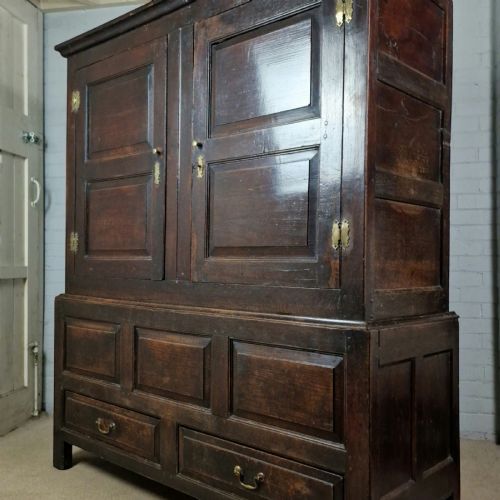
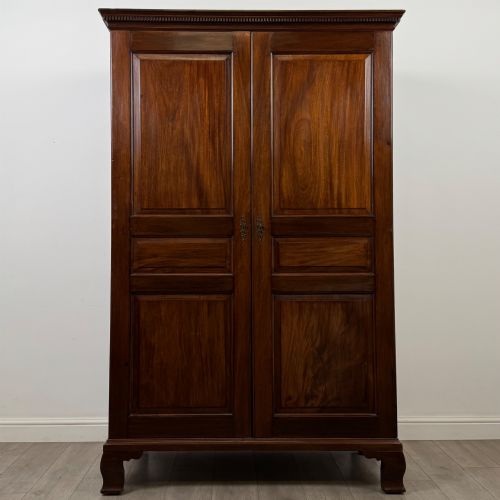
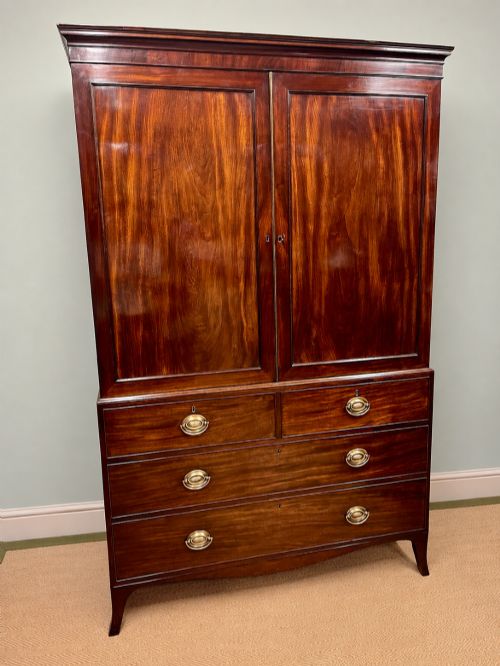
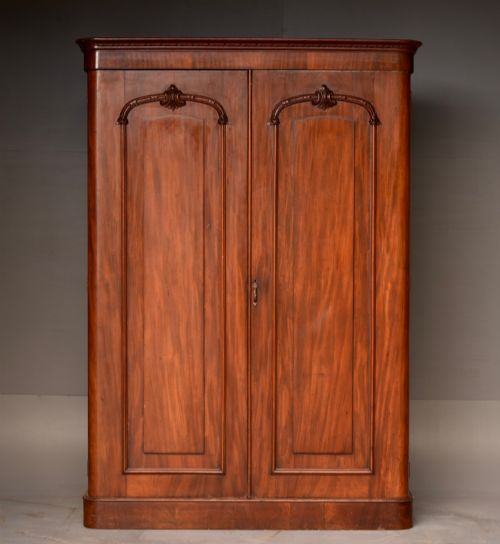
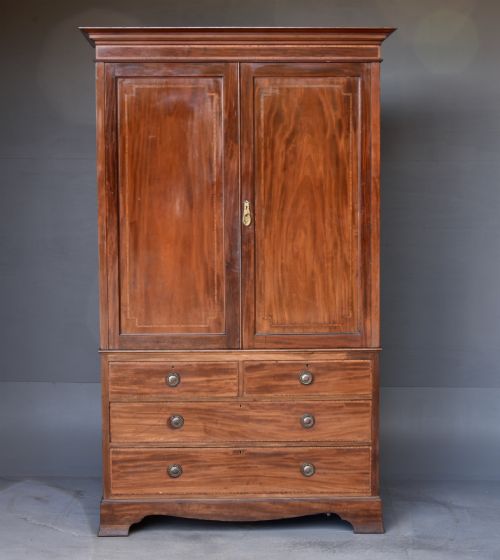
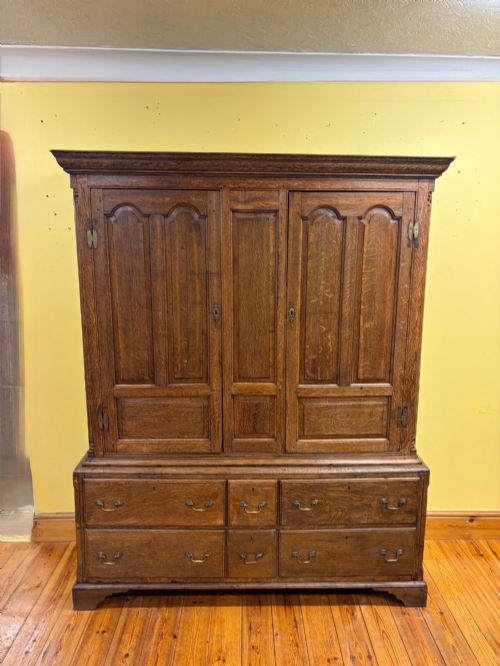
An antique storage press serves as a commanding presence in a room, designed originally to hold linens, garments, or provisions. When exploring this selection, buyers encounter pieces spanning from early oak examples to later mahogany and pine variations.
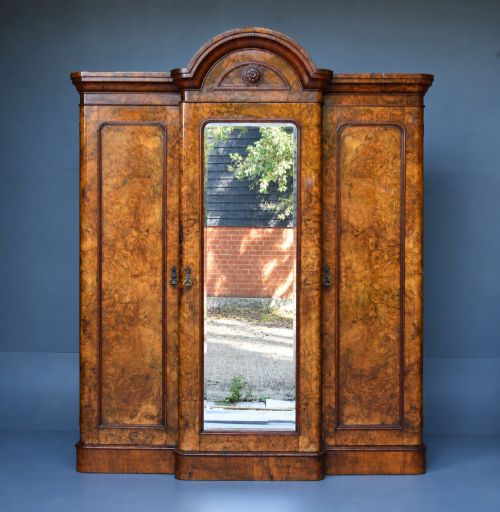
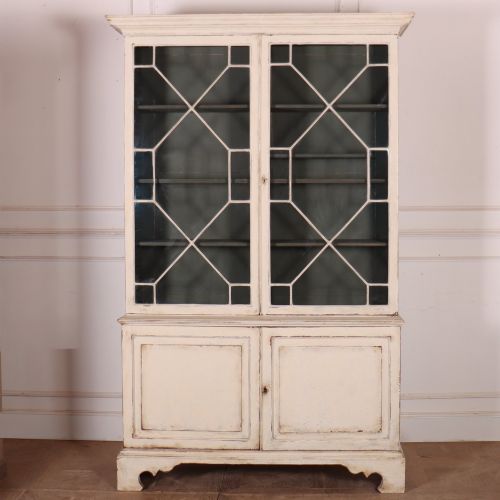
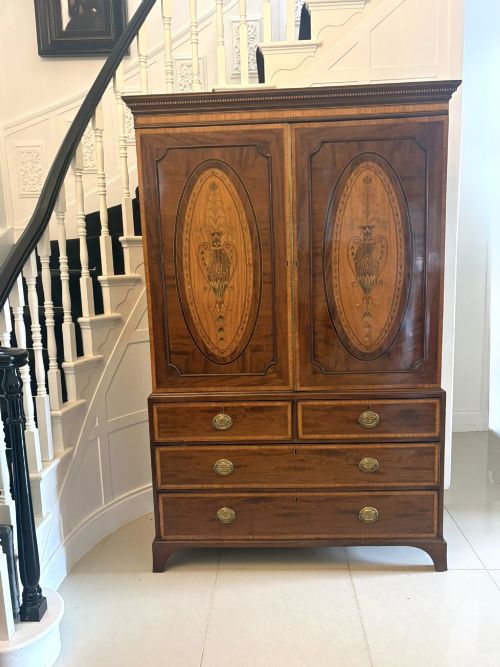
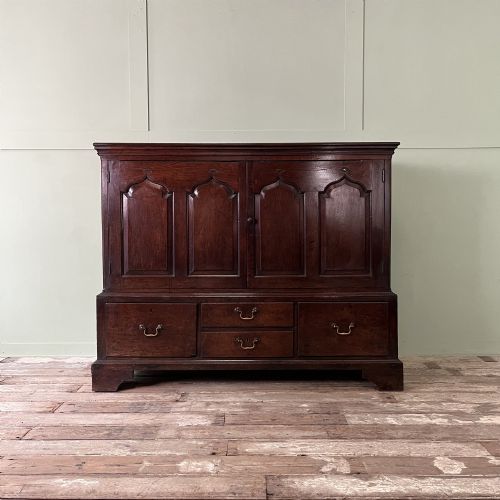
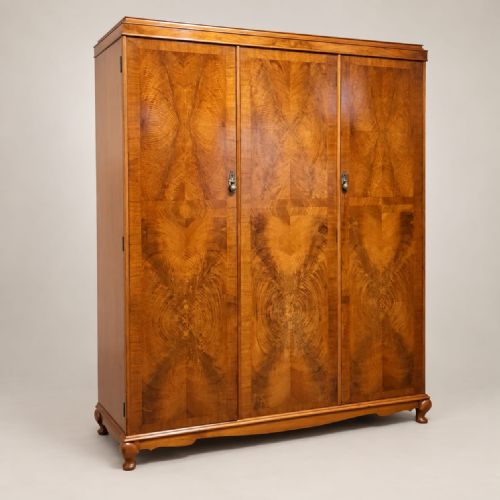
The category encompasses several distinct forms visible in the listings, including traditional linen presses with sliding trays, tallboys, housekeeper cupboards, and expansive wardrobes. These originate across periods such as the Georgian, Victorian, and Edwardian eras, reflecting changing domestic requirements over centuries.
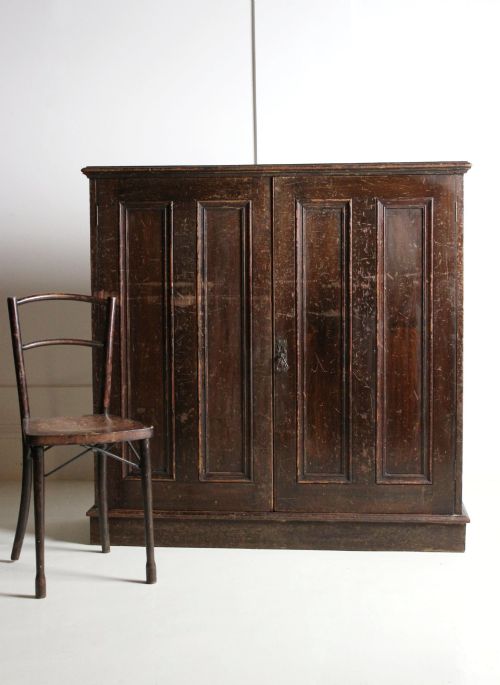
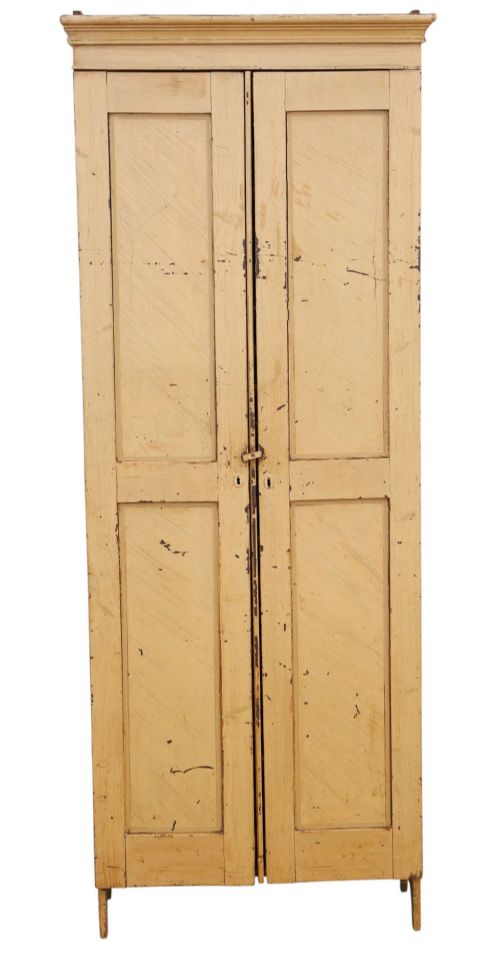
Rural and regional pieces, including Welsh vernacular items and French provincial armoires, sit alongside refined urban furniture. This mix provides options ranging from rustic pine and ash to richly figured burr walnut and mahogany.
Materials and Construction
Cabinetmakers relied heavily on native and imported timbers, utilising sturdy oak for early vernacular pieces before shifting towards mahogany and walnut in the Georgian and Regency periods. Pine and ash served widely for utility cupboards and regional country furniture.
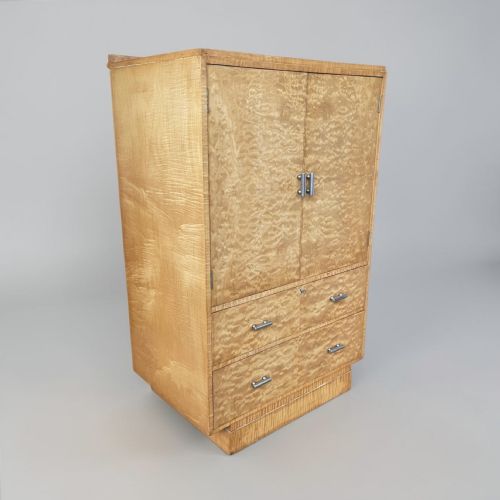
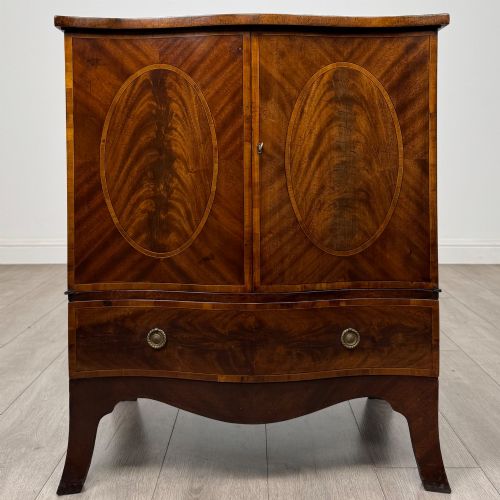
Construction techniques involved traditional joinery such as dovetailing for drawers and panelled doors designed to accommodate wood movement. Decorative surface treatments range from floral marquetry and satinwood inlay to painted finishes and rich wax polishes.
Evaluating the Pieces
Distinctions in quality often rest on the choice of timber figure, such as highly figured burr walnut veneers or well-matched mahogany grains, contrasted against simpler stained pine surfaces. The crispness of carved details and the subtlety of inlay further separate standard utility pieces from fine cabinetwork.
Structural integrity and the retention of original internal components, such as linen slides or hanging rails, influence a piece's authenticity and utility. The sophistication of the hardware, including brass handles and escutcheons, also marks the distinction between workshop grades.
maples & co
The Antique Storage Press Glossary
- Linen press
- A tall piece of furniture traditionally used for storing pressed linen, featuring internal sliding trays behind upper doors and drawers below. The design evolved over time to incorporate hanging space.
- Tallboy
- A tall chest of drawers standing on a base or lower chest, combining vertical storage capacity with a compact floor footprint. These frequently appeared in walnut or mahogany during the 18th and early 19th centuries.
- Housekeeper cupboard
- A large utility cupboard designed for storing provisions, china, or household linens in country houses. They typically feature panelled wooden doors and robust shelving.
- Marquetry
- The art of applying pieces of veneer to a structure to form decorative patterns and pictures. Dutch and English cabinetmakers utilised floral and geometric motifs.
- Court cupboard
- An early form of buffet or sideboard used for displaying plate and storing food, usually constructed from heavy oak with carved detailing.
Antique Storage Press: Frequently Asked Questions
How do I care for antique wood furniture?
Protect antique wood by maintaining a stable room temperature away from direct heat sources and strong sunlight, which can dry out timber and fade finishes.
Apply a quality beeswax polish periodically to nourish the surface and maintain a natural sheen without building up heavy chemical layers.
Where were housekeeper cupboards used?
These large storage units originated in the service wings and kitchens of large country houses and farmsteads. They held domestic stores, crockery, and household linens.
Today, their generous proportions make them practical for modern kitchens as pantries or for general living space storage.
How can I date an antique storage piece?
Dating relies on observing construction methods, timber choices, and stylistic details such as hardware and mouldings. Early pieces often show hand-cut dovetails and pegged oak framing.
Later Victorian and Edwardian examples utilise machine-sawn elements and factory-produced brassware, aligning with the prevalent design tastes of those eras.