

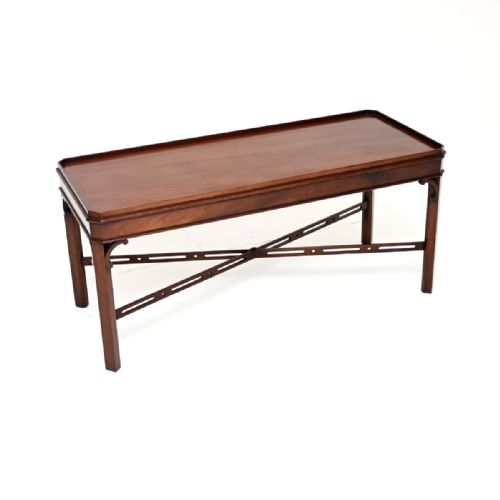
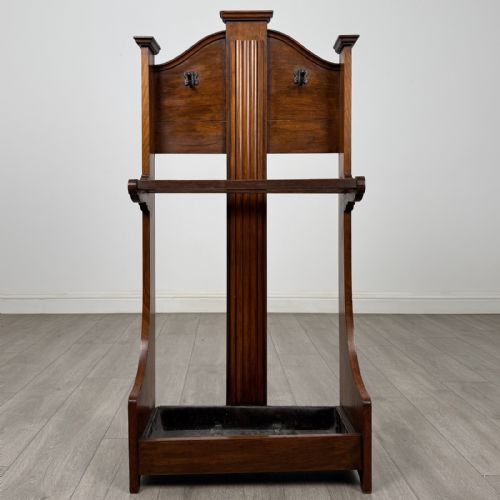
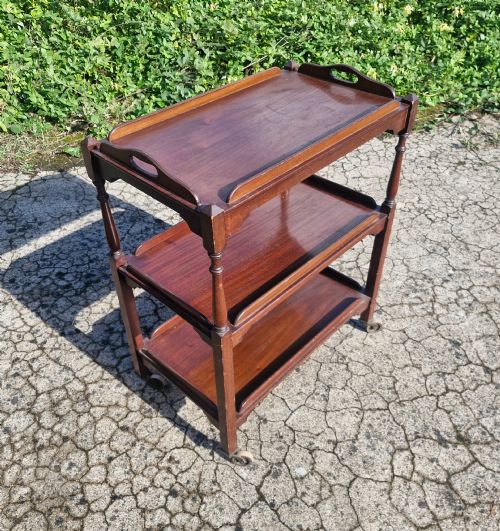
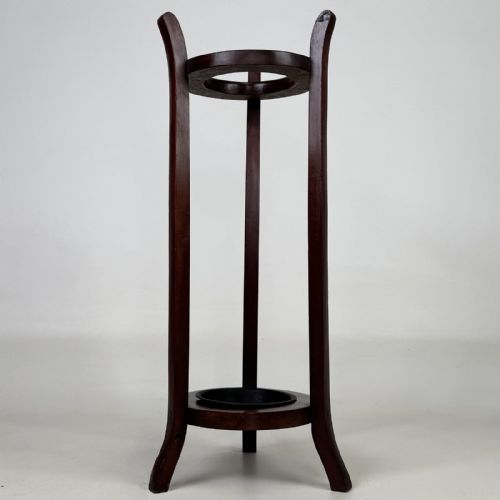
Dark Wood Tray
A dark wood tray brings rich timber grain and practical service together, offering a timeless surface for domestic display or hospitality.
Dark Wood Tray
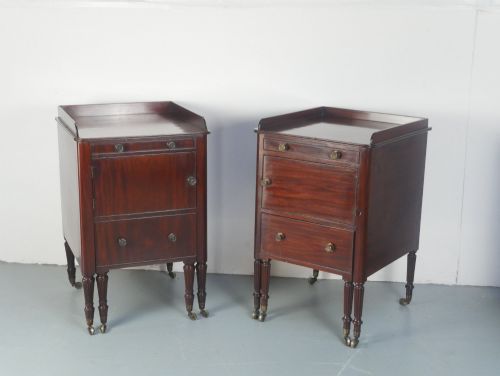
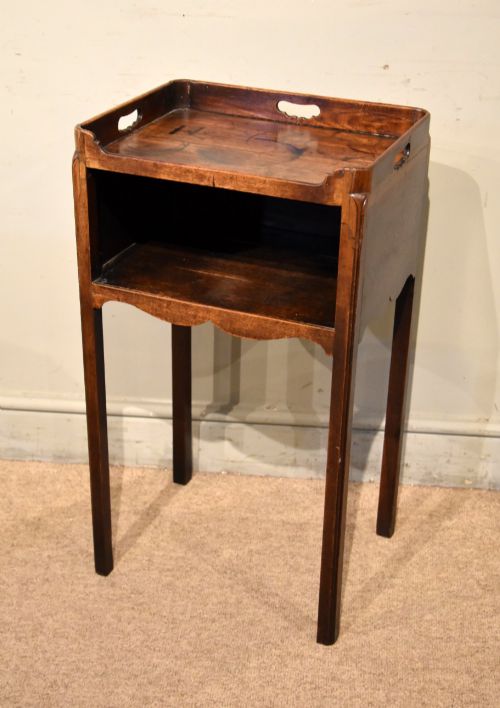
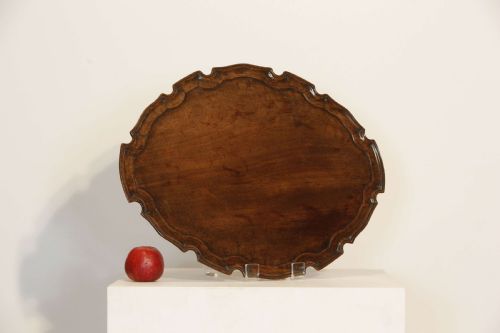
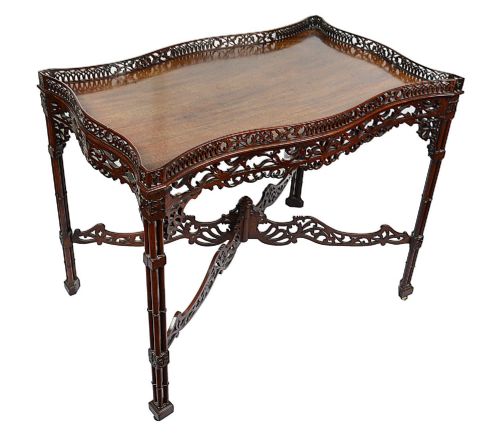
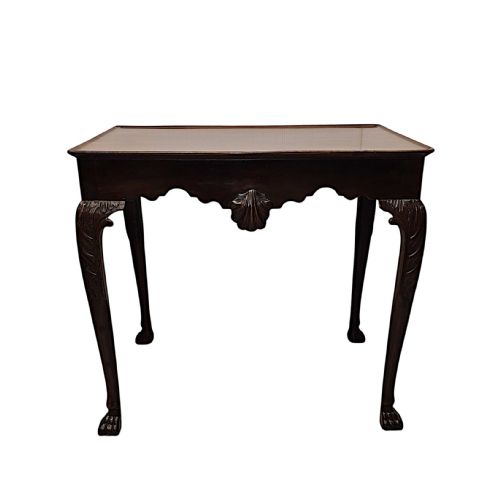
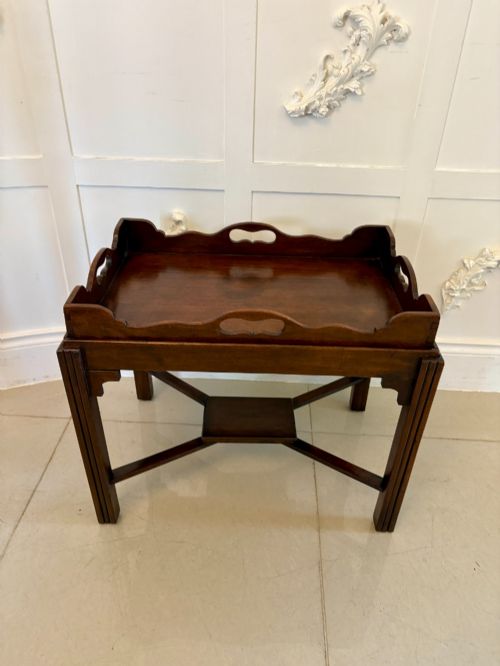
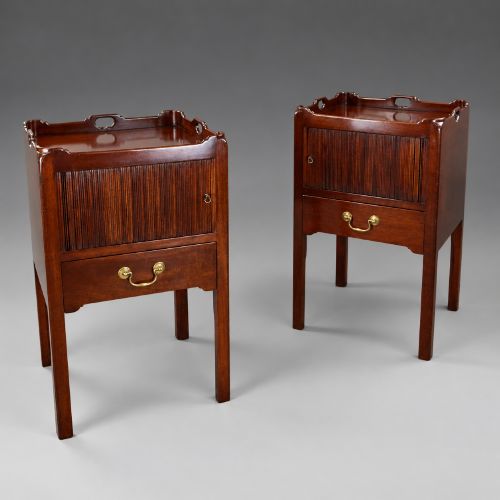
A dark wood tray encompasses a variety of serving pieces, butler trays on stands, and occasional tables featuring raised edges or galleried borders in rich timbers. These items span periods from the eighteenth century through to the early twentieth century, including Georgian, Victorian, and Edwardian examples.
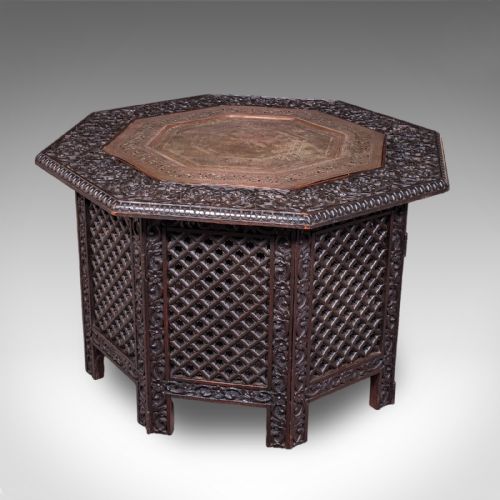
Origins range from British workshops of the Georgian and Regency eras to Anglo-Indian productions from Hoshiarpur and Kashmiri regional work, showing diverse regional carving techniques and timber selections.
Distinguishing quality
Quality rests upon the selection of the timber, where dense, well-figured mahogany or walnut exhibits superior depth of grain and colour. The crispness of hand-carved galleries, dovetail joints, and original brass hardware distinguishes finer workshops from standard production items.
Proportion and structural integrity define the better pieces, ensuring that folding stands align correctly with their trays and that turned legs or cabriole supports maintain balanced weight distribution.
Dark Wood Tray Retail Price Guide 2026
Typical asking prices for dark wood tray among the pieces listed under this phrase on Sellingantiques today, from the lower quarter to the upper quarter. They describe what is for sale here now, not the wider market.
Listings feature timbers including mahogany, walnut, oak, and rosewood, spanning periods from the Georgian era through to the 1930s.
The Dark Wood Tray Glossary
- Butler tray
- A portable wooden tray with hinged or fixed sides, frequently paired with a folding wooden stand for serving drinks or meals.
- Galleries
- Raised wooden borders fitted around the perimeter of a tray or table top to prevent items from sliding off during transport.
- Campaign style
- Portable furniture designed for military officers, characterised by folding frames, recessed brass handles, and robust construction.
- Coopered
- Constructed from curved wooden staves joined side by side and bound with metal bands, similar to barrel-making techniques.
- Tilt top
- A table mechanism allowing the wooden surface to pivot into a vertical position when not in use to save space.
Dark Wood Tray: Frequently Asked Questions
How do I use a dark wood tray today?
These pieces function well as coffee table surfaces, cocktail servers, or decorative display areas for glassware and books.
Their sturdy construction allows them to move easily between rooms while adding warmth to modern interiors.
Are butler trays stable on their stands?
Original folding stands are designed to lock securely beneath the weight of the resting tray, providing a reliable surface for daily use.
Careful alignment of the cross-frame ensures the assembly remains level and secure.
How do I date a mahogany tray?
Dating relies on timber selection, joining methods, and edge profiles, with eighteenth-century examples showing fine hand-cut dovetails and Georgian proportions.
Later Victorian and Edwardian pieces often incorporate mass-produced hardware or different carving styles.
What is the difference between an Anglo-Indian tray and a British tray?
Anglo-Indian trays from places like Hoshiarpur feature intricate, dense surface carvings across exotic hardwoods rather than the smooth, polished mahogany panels typical of British designs.
These pieces reflect distinct regional craftsmanship and material availability.