

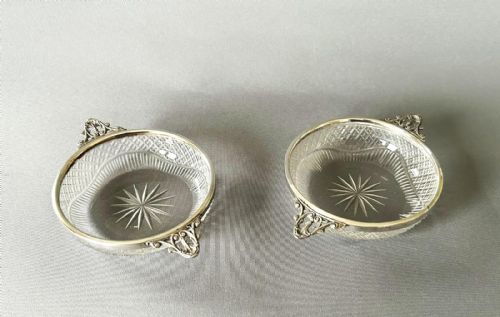


Silver Mounted Tray
A silver mounted tray brings together polished metal and contrasting natural materials, offering a functional centrepiece for the desk or sideboard.
Silver Mounted Tray
When you search for a silver mounted tray, you enter a varied category spanning serving trays, desk inkstands, and small trinket dishes. The pieces in this group unite silver or silver plate with traditional materials like oak, mahogany, cut glass, horn, and ebonised wood.
Victorian and Edwardian examples dominate the selection, alongside items from the 19th Century and the George V period. You will encounter everything from large butler's trays and gallery trays to compact desk trays with integrated inkwells and pen stands.
Stiles range from plain utilitarian designs to Victorian Gothic Revival work and inlaid pieces utilising coromandel and satinwood. The common thread is the application of metal mounts to a primary body of wood, glass, or horn.
How they were made
Maker's workshops combined silversmithing with cabinetmaking, securing cast or stamped silver and silver plate mounts onto turned and polished wooden bases. Woods such as oak, mahogany, and ebonised timber provided sturdy foundations for heavy metal handles, galleries, and corner brackets.
Glass elements utilised heavy cut crystal, while organic materials like horn were shaped into bowls and fitted with decorative rims. Joints were carefully pegged or screwed, and metal components were fastened securely to withstand daily handling on the desk or dining table.
Silver Mounted Tray Retail Price Guide 2026
Typical asking prices for silver mounted tray among the pieces listed under this phrase on Sellingantiques today, from the lower quarter to the upper quarter. They describe what is for sale here now, not the wider market.
The pieces span the Victorian and Edwardian eras alongside the George V period.
What varies in quality
Quality rests in the weight of the materials and the precision of the joinery between metal and wood or glass. Heavier gauges of sterling silver or thick silver plate and dense, well-figured hardwoods indicate superior manufacture.
Attention to detail in the mounts, such as crisply chased borders or securely fitted galleries, separates standard commercial items from finer workshop pieces. The integration of rarer materials like coromandel or satinwood elevates the finish of the piece.
Rupert Favell·Nathan & Hayes
The Silver Mounted Tray Glossary
- Silver Plate
- A base metal coated with a thin layer of silver, commonly utilised for trays and gallery pieces from the nineteenth century onward.
- Gallery Tray
- A tray featuring an upright pierced or solid metal railing around the perimeter to prevent items from sliding off during service.
- Inkstand
- A desk accessory comprising a tray base fitted with one or more inkwells and frequently a dedicated space for pens.
- Coromandel
- A dense, heavily grained exotic timber from Asia, prized for its dark brown colour and contrasting light stripes in fine cabinetwork.
- Navette
- A pointed oval shape with curved sides, often seen in the outline of small trinket dishes and card trays.
Silver Mounted Tray: Frequently Asked Questions
What was a silver mounted tray used for?
These trays served multiple domestic and professional roles, from carrying drinks and calling cards to organising writing implements on a library desk. Inkstands kept inkwells and pens ready for correspondence, while smaller dishes held pocket watch items and jewellery.
Larger wooden butler's trays handled heavy service, whereas delicate gallery trays stayed in the drawing room to display glassware or letters.
How do I date a silver mounted tray?
Dating relies on a combination of hallmarks, wood species, and stylistic cues from the Victorian and Edwardian eras. Hallmarks on the silver mounts provide exact assay office marks and date letters where stamped.
Oak and mahogany point toward nineteenth-century manufacture, while ebonised finishes and specific gallery designs often align with the later Edwardian period and George V years.
How do I clean the wooden base?
Wood surfaces require simple dusting with a dry or slightly damp cloth, avoiding harsh chemical sprays that can strip the polish. Regular waxing with a traditional beeswax maintains the lustre of oak, mahogany, and ebonised timber.
Keep moisture away from the joins where wood meets silver mounts to prevent swelling or tarnishing agents from seeping underneath.
How do I polish the silver mounts?
Cleaning the silver components involves a gentle cloth and a mild silver cream, taking care not to let abrasive compounds touch the surrounding wood, glass, or horn. Use a cotton bud to reach around corners and pierced gallery railings without leaving residue in the crevices.
Masking tape can protect delicate wooden or ebonised borders while you work on stubborn tarnish near the edges.
Can I use an antique inkstand daily?
Using an inkstand for writing is entirely possible if the glass inkwells are sound and free from internal cracks. Many people prefer to use them as decorative desk ornaments rather than filling them with modern inks.
If you do use them, empty and rinse the glass inserts regularly to prevent dried ink from staining the internal collars.