
Dark Wood Serving Table
A dark wood serving table brings substantial presence to a dining room, offering practical surface area and timeless mahogany or oak construction.
Dark Wood Serving Table
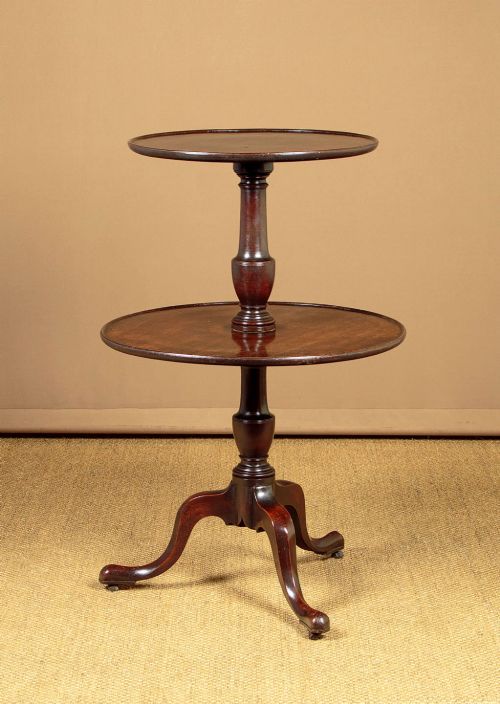
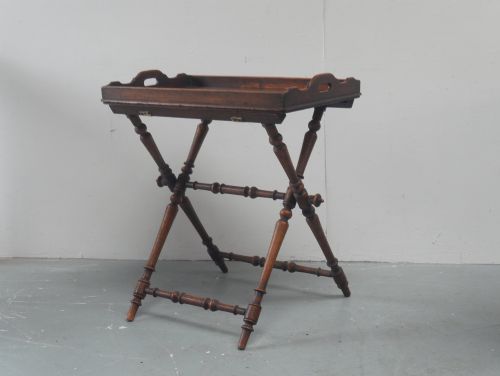
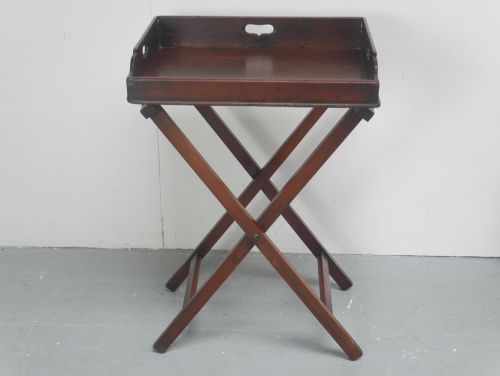
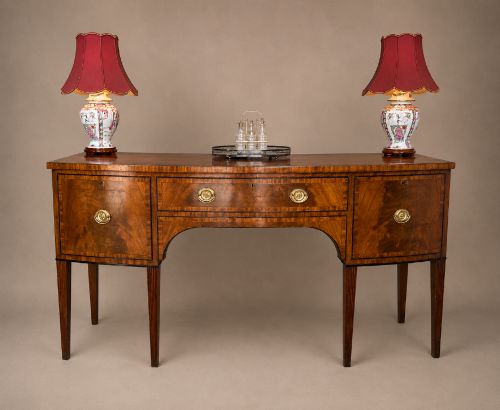
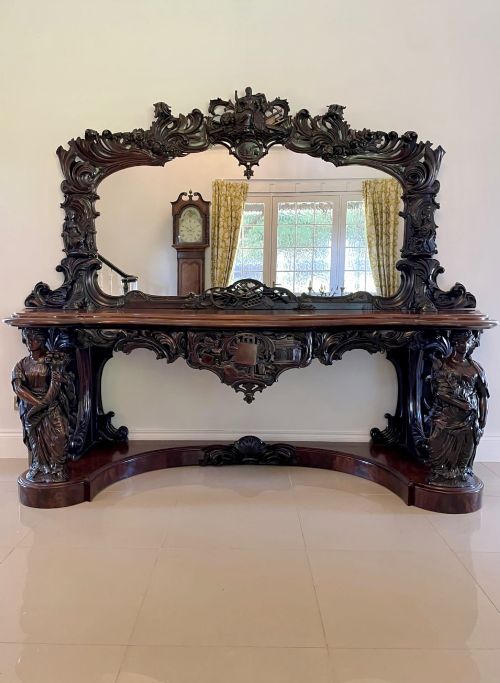
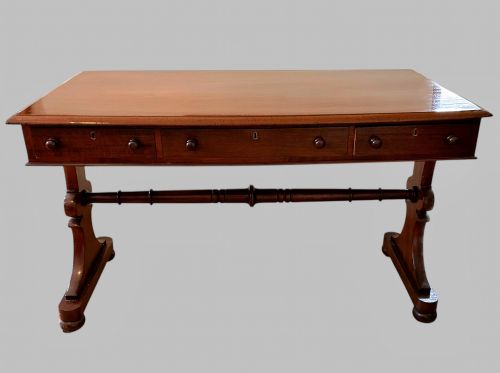
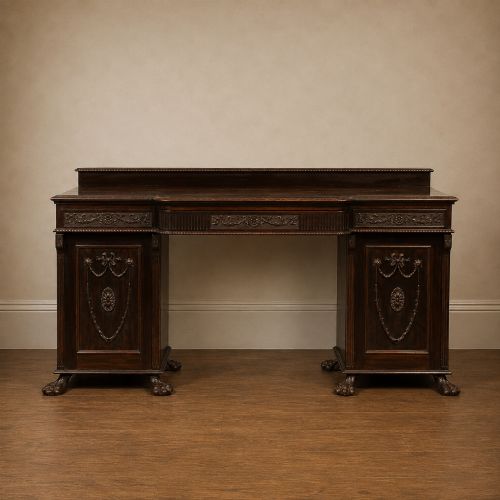
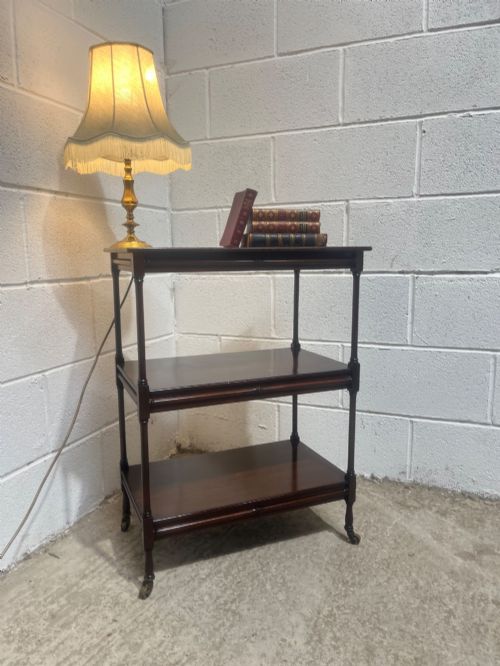
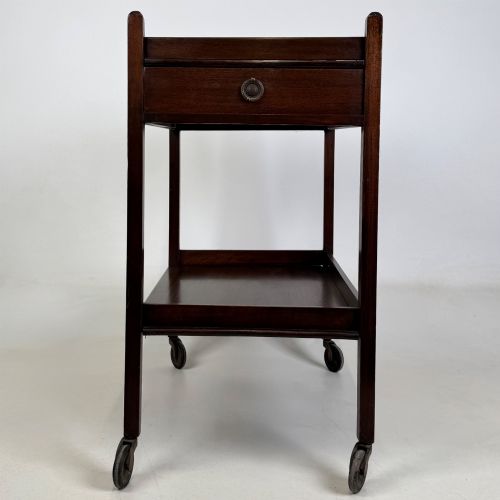
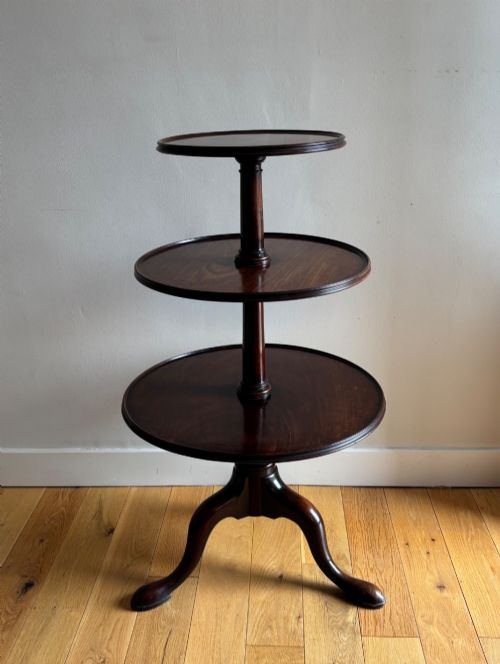
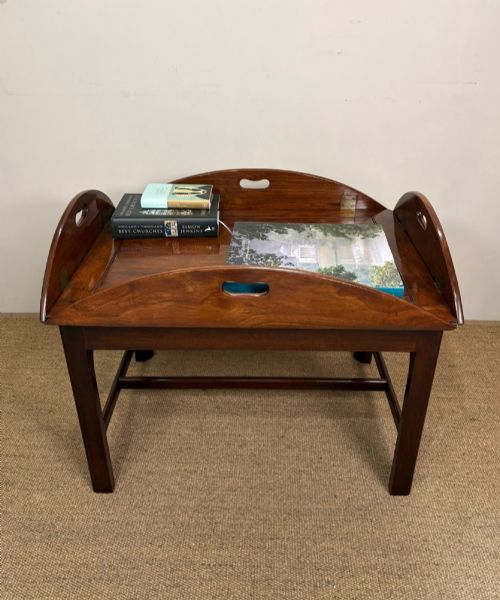
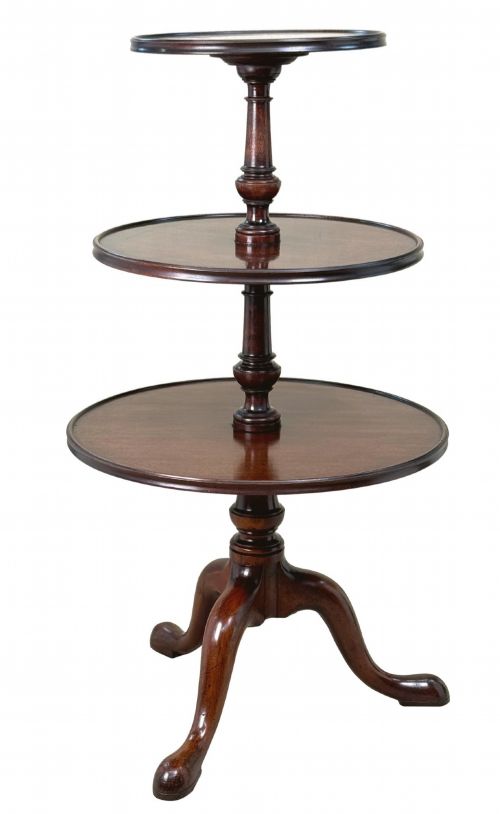
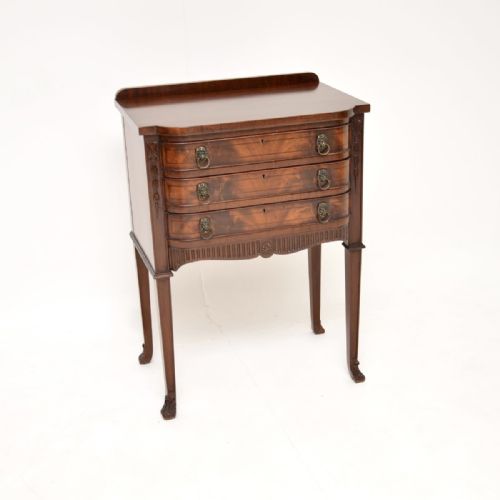
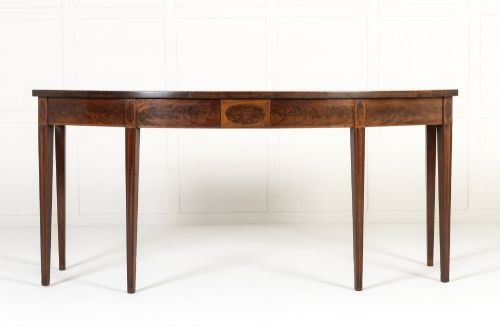
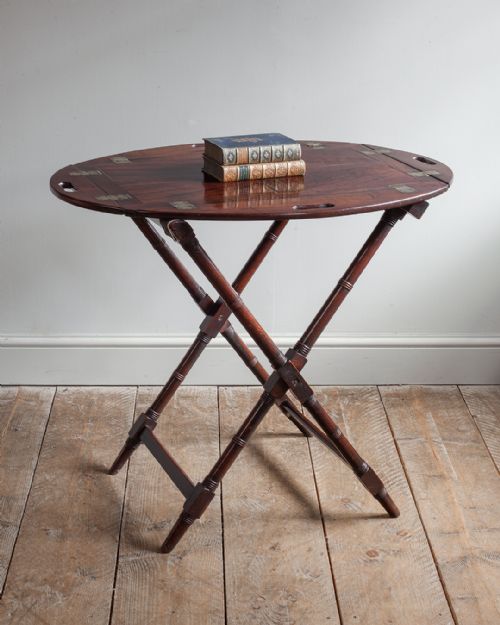
A dark wood serving table encompasses a variety of dining room and reception furniture designed to assist with meals and hospitality. When searching for a dark wood serving table, buyers encounter forms ranging from formal George III and Regency serving tables to folding butler trays on stands and multi-tiered dumb waiters.
The pieces originating from the eighteenth and nineteenth centuries include sideboards, console tables, and tea trolleys made predominantly in mahogany and oak. Georgian and Victorian examples dominate the selection, showing distinct regional craftsmanship and formal utility.
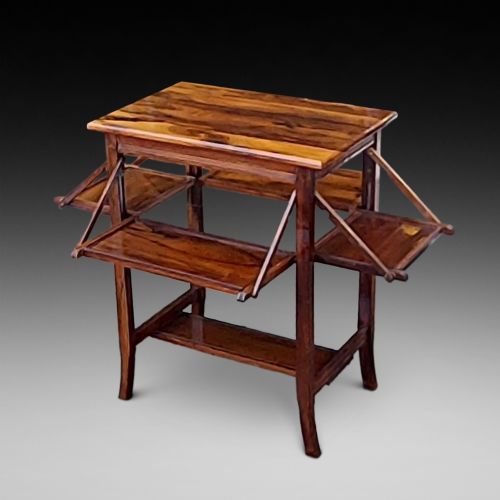
Later Edwardian and revival pieces adapt these functional forms for domestic entertaining, maintaining the dark timber aesthetic while introducing folding mechanisms or specialised compartments for cakes and presentation.
Evaluating Craftsmanship
The standard of timber selection and veneer matching defines the upper tier of these tables, where continuous grain patterns flow seamlessly across large serving surfaces and drawer fronts. Superior pieces exhibit crisp, hand-carved details such as paw feet or delicate edge moulding rather than heavily cast or repetitive machine mouldings.
Mechanical integrity distinguishes utilitarian pieces from exhibition quality furniture, particularly in revolving dumb waiters, folding butler trays, and extendable serving consoles where hinges, pivots, and joints must operate smoothly without timber distortion.
Dark Wood Serving Table Retail Price Guide 2026
Typical asking prices for dark wood serving table among the pieces listed under this phrase on Sellingantiques today, from the lower quarter to the upper quarter. They describe what is for sale here now, not the wider market.
Rotating lazy-susan mechanisms from the late nineteenth century remind us that passing the potatoes smoothly has troubled hosts for generations.
The Dark Wood Serving Table Glossary
- Dumb waiter
- A tiered stand with revolving or fixed circular trays used for holding dishes and drinks without requiring servant attendance at the table. These pieces usually feature two or three graduating shelves supported on a central column.
- Butler tray
- A portable rectangular wooden tray with hinged or cutout sides designed to be lifted off its folding X-frame stand for serving. They appear frequently in nineteenth-century campaign and domestic contexts.
- Console table
- A wall-mounted or freestanding table designed to stand against a flat surface, often serving as a side or serving table in formal rooms. Victorian and Regency examples frequently incorporate carved mirrors or marble tops.
- Breakfront
- A cabinet or sideboard design where the central section projects forward from the flanking outer sections. This architectural arrangement adds depth and visual rhythm to large dining room servers.
- Flame mahogany
- A veneer cut from the fork of the mahogany tree where the branches join the trunk, producing a distinctive flickering flame pattern. It is prized for its decorative impact on prominent table tops.
Dark Wood Serving Table: Frequently Asked Questions
How do I use a dumb waiter today?
A dumb waiter serves effectively as a side table for holding bottles, glasses, or plants in a living room or dining space. Its tiered circular shelves make it practical for vertical display without occupying excessive floor area.
In modern interiors, these pieces function well beside armchairs or in corners where extra surface space is needed for hospitality items during gatherings.
What is the difference between a sideboard and a serving table?
A serving table generally presents an open frame with legs and perhaps one or more drawers below the surface, designed primarily for holding platters during meals. Sideboards often incorporate enclosed cupboards and deeper drawer arrangements for storing tableware.
While both act as serving surfaces, serving tables offer a lighter visual footprint compared to massier nineteenth-century sideboards and breakfronts.
How do I care for antique mahogany surfaces?
Maintain antique dark wood by dusting regularly with a soft, dry cloth and avoiding placement near direct heat sources or strong sunlight. Wax finishes benefit from occasional gentle cleaning and natural beeswax application to preserve the lustre of the timber.
Prevent moisture damage by using coasters and mats beneath glasses and serving dishes to protect the historical polish and veneer underneath.
How can I tell a Georgian piece from a Victorian revival?
Georgian furniture typically displays restrained proportions, finer timber selection, and construction methods characteristic of hand-tooling without industrial machinery. Revival pieces from the Victorian era often feature heavier carvings, thicker timbers, and more robust joinery suited to changing domestic tastes.
Examining drawer linings, backboards, and secondary timbers helps determine whether a piece dates to the eighteenth century or a later nineteenth-century revival period.