
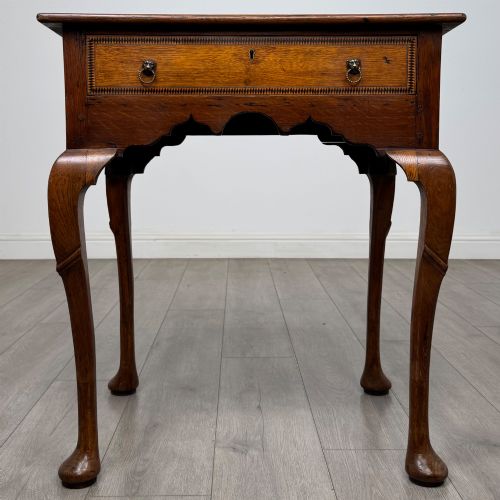
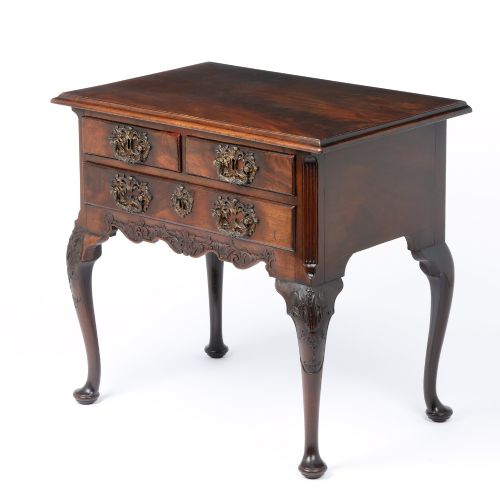
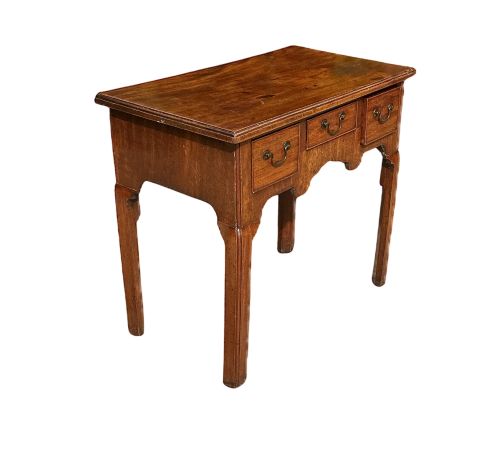
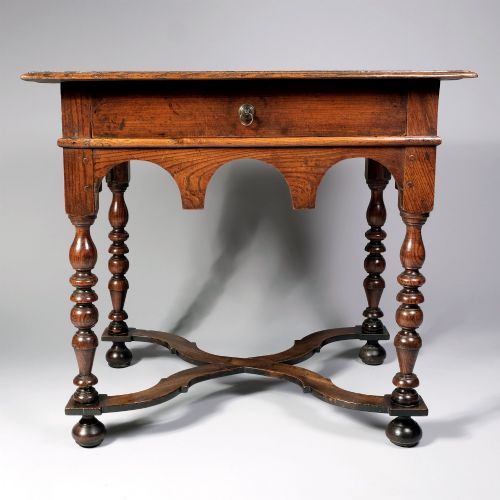
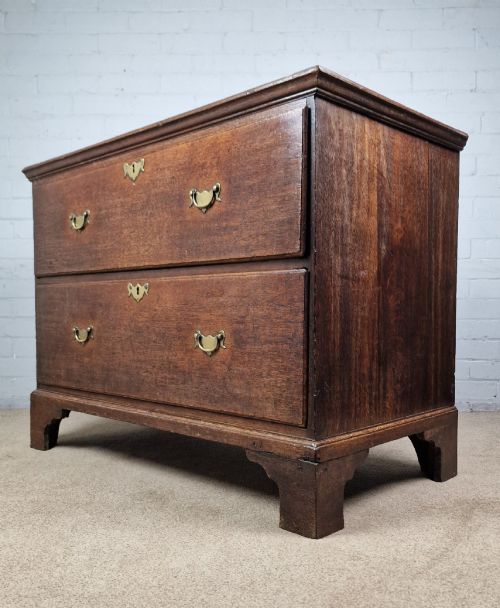
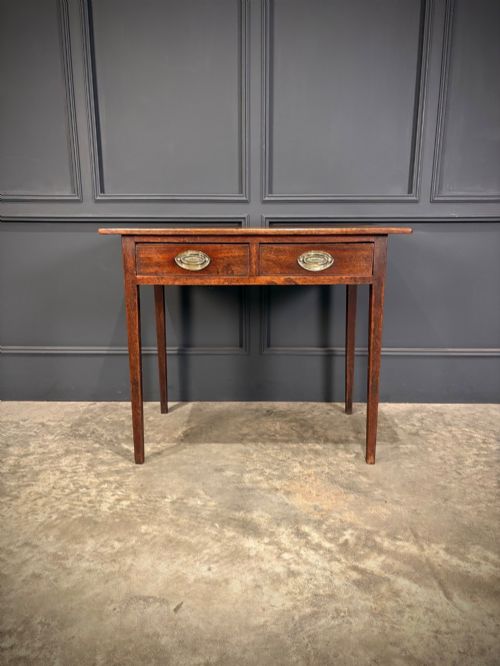
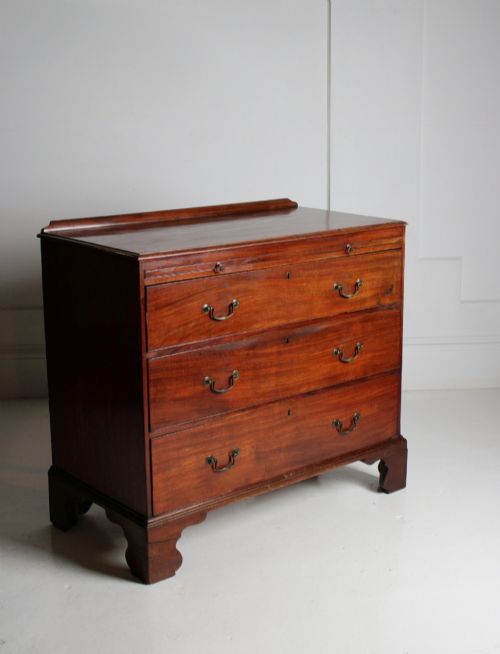
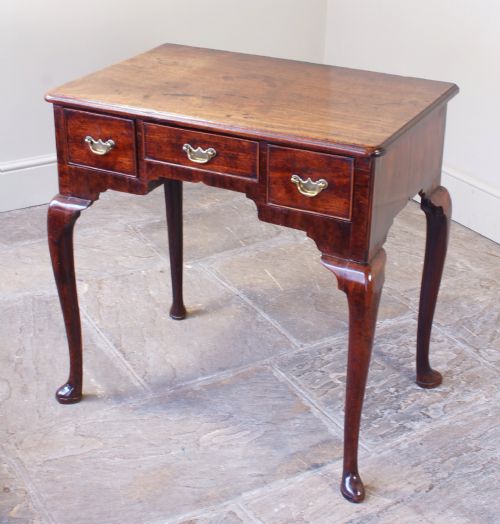
Dark Wood Lowboy
A dark wood lowboy is a small, low table fitted with drawers, prized for its versatile surface and compact storage.
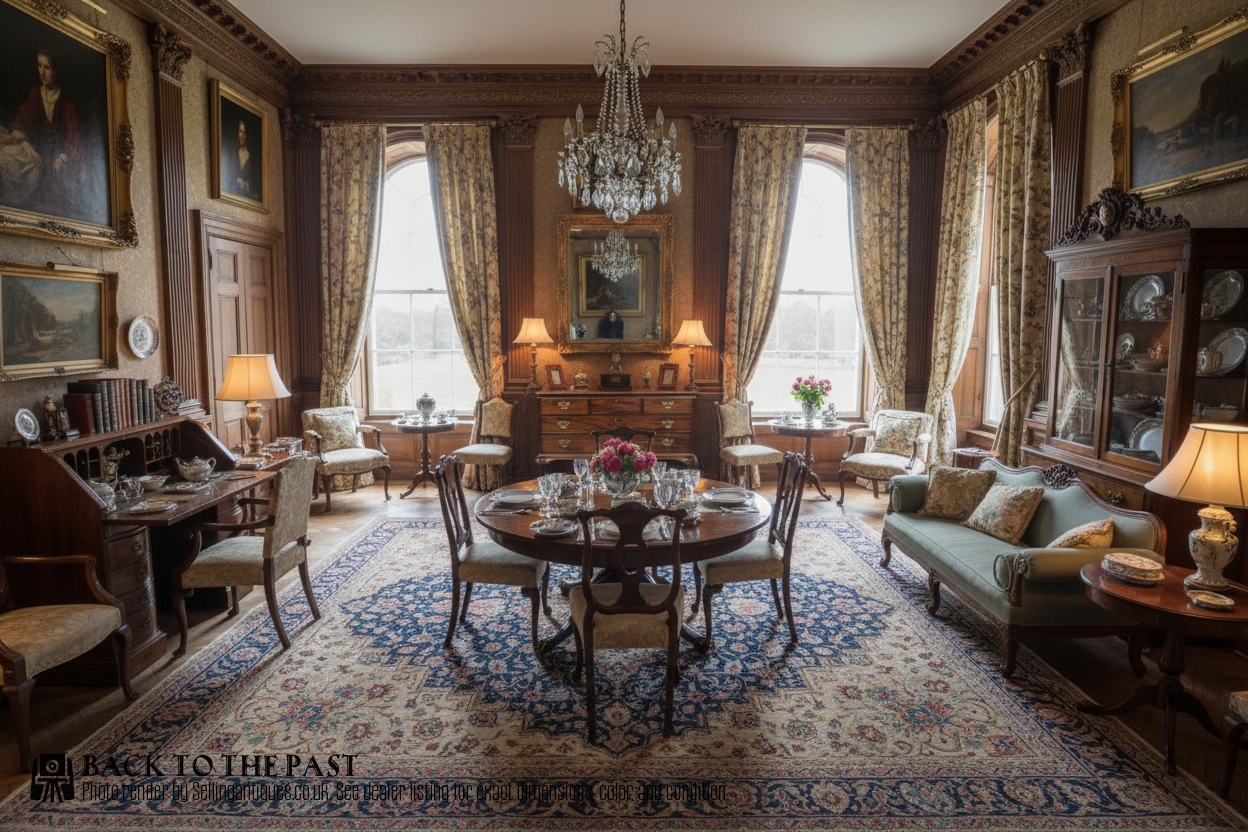
Dark Wood Lowboy
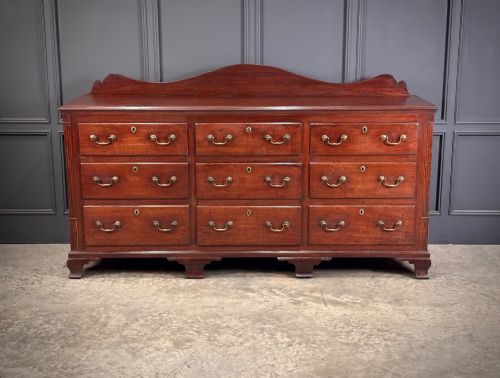
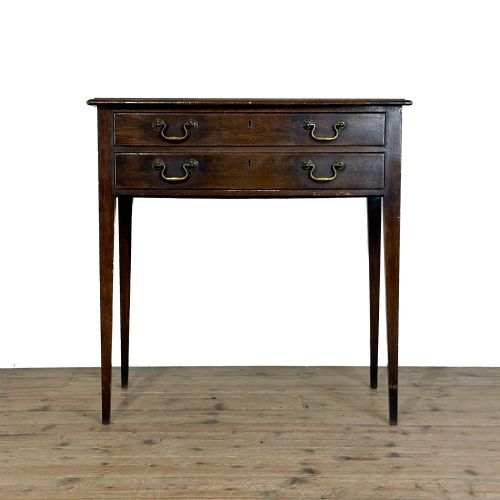
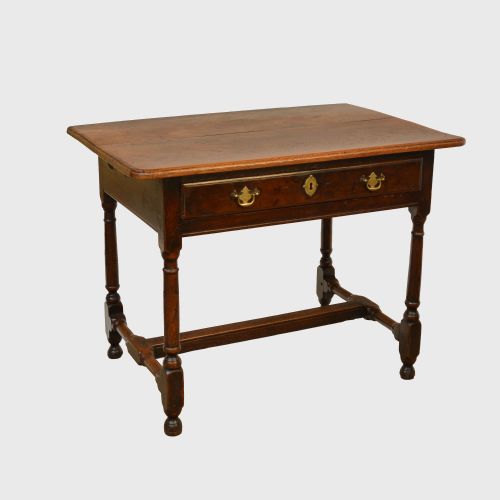
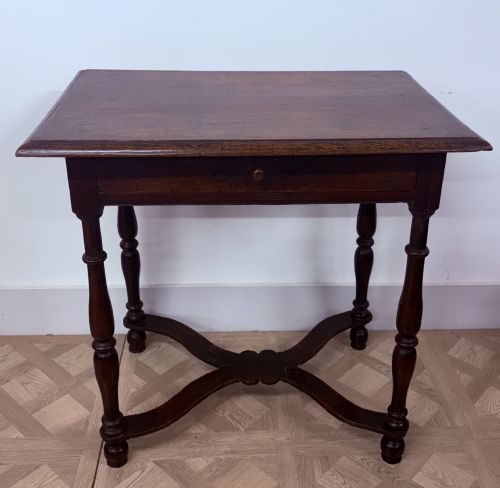
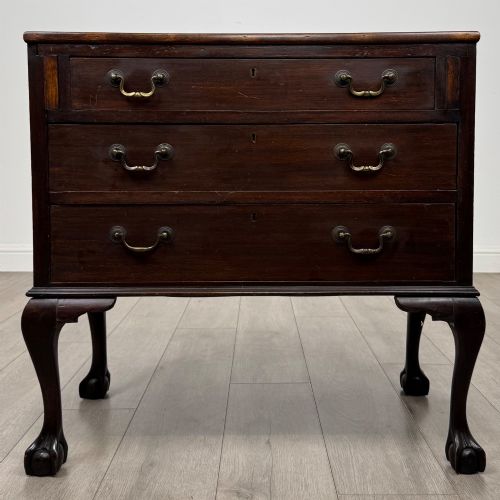
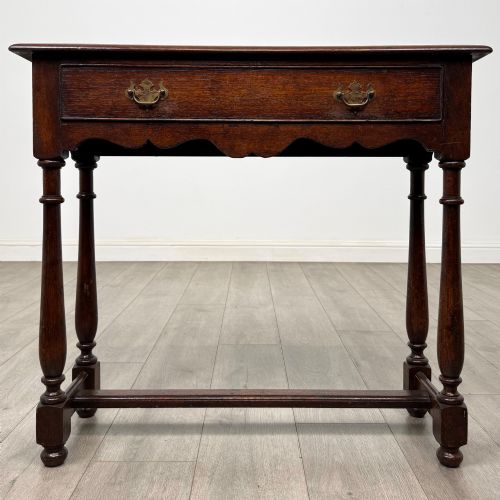
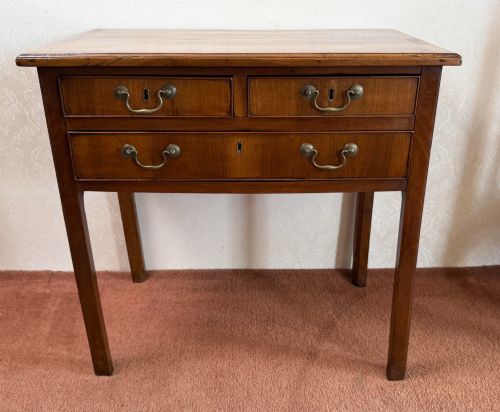
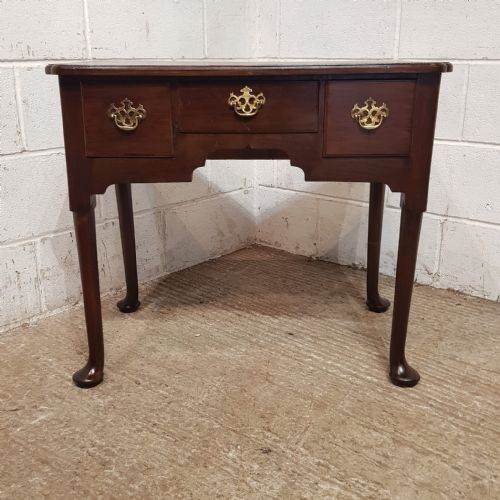
A dark wood lowboy is a low table with drawers, typically used as a side table, dressing table or writing desk. These pieces originate from periods spanning the late 17th century through the Georgian era, alongside later revival pieces.
Craftsmen built these tables to stand against walls or beside beds, providing discreet storage in domestic spaces. Their proportions remain remarkably functional for modern rooms.
Materials and construction
Joiners built these tables using dense hardwoods such as mahogany, oak, walnut, elm and yew, occasionally incorporating secondary timbers like pine. These timbers were selected for their durability and grain pattern.
Hardware such as brass handles and drawer pulls were fitted to complement the dark timbers. Construction techniques included traditional joinery methods suited to supporting daily use.
Dark Wood Lowboy Retail Price Guide 2026
Typical asking prices for dark wood lowboy among the pieces listed under this phrase on Sellingantiques today, from the lower quarter to the upper quarter. They describe what is for sale here now, not the wider market.
Evaluating craftsmanship
Quality rests in the selection of timber and the precision of the drawer construction. Finer examples display figured mahogany or carefully matched oak boards across the top and drawer fronts.
Proportion and detail dictate the distinction between standard and exceptional pieces. Subtle shaping on the apron and legs elevates a simple utilitarian table into a refined item.
Muirhead Moffat and Co·Elkington and Co
The Dark Wood Lowboy Glossary
- Lowboy
- A small table with one or more drawers, standing on relatively tall legs. It served historically as a dressing table or side table.
- Dresser base
- The lower section of a kitchen or dining room dresser, often functioning as a sideboard or console table. It shares a similar form to larger lowboys.
- George II
- An architectural and furniture style spanning the mid-18th century, characterised by robust proportions and restrained ornamentation. It succeeds the Queen Anne style.
- William and Mary
- A late 17th-century style known for geometric panelling and turned legs. Pieces from this period exhibit early forms of English case furniture.
- Side table
- A small occasional table designed to stand against a wall. The term frequently overlaps with lowboys and lamp tables in historical listings.
Dark Wood Lowboy: Frequently Asked Questions
What is a lowboy used for?
A lowboy functions primarily as a small side table or dressing table with convenient drawer storage. Historically, owners placed them in bedrooms or reception rooms for personal items.
Today, they adapt easily as hallway tables or compact desks. Their shallow depth allows them to fit narrow spaces where standard desks fail.
How do I date a dark wood lowboy?
Dating relies on identifying timber choices, construction methods and stylistic markers associated with specific reigns and centuries. For instance, walnut and William and Mary details point to the late 17th century.
Later Georgian pieces frequently utilise mahogany with different leg profiles and drawer configurations. Comparing hardware fixings and secondary woods provides further chronological clues.
Are oak lowboys older than mahogany ones?
Oak lowboys frequently date to the 17th and early 18th centuries, preceding the widespread adoption of mahogany in British cabinetmaking. Oak remained popular for country pieces well into the Georgian period.
Mahogany became dominant during the mid-18th century under George II and George III. Both timbers continued to be used concurrently by regional makers.
How do I care for antique dark wood?
Maintain antique dark wood by keeping it away from direct sunlight and sudden temperature changes. Consistent indoor climates prevent the timber and glue joints from drying out.
Apply gentle beeswax periodically to nourish the surface and preserve the natural sheen. Avoid harsh chemical cleaners that strip the historic finish.