
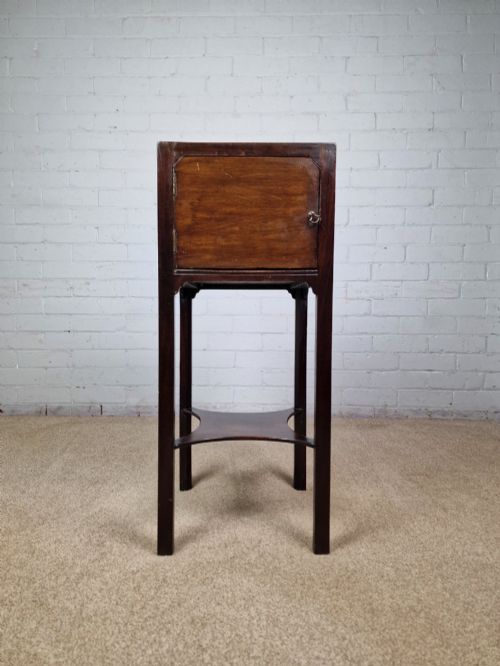
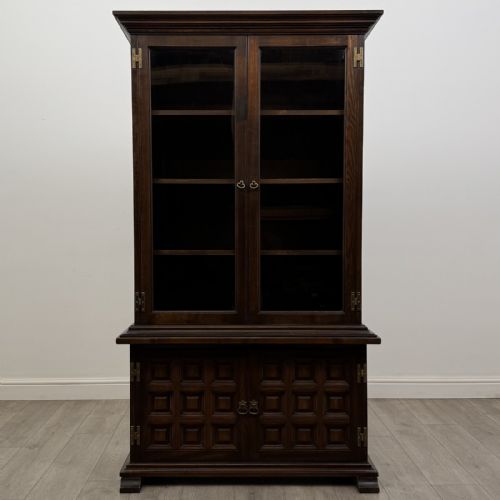
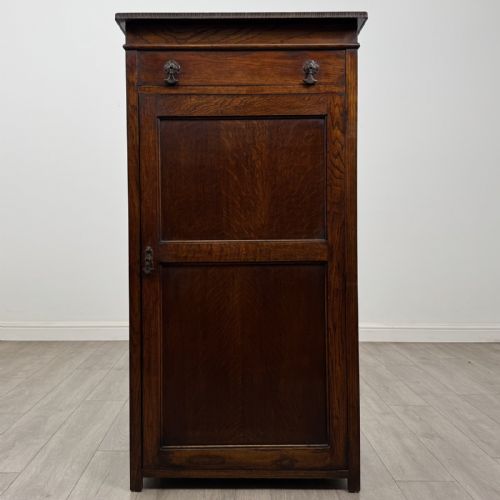
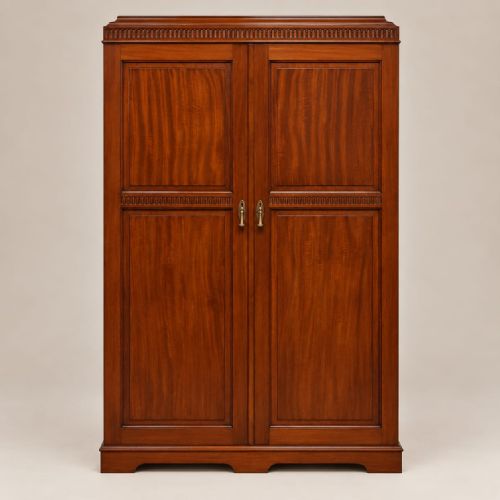
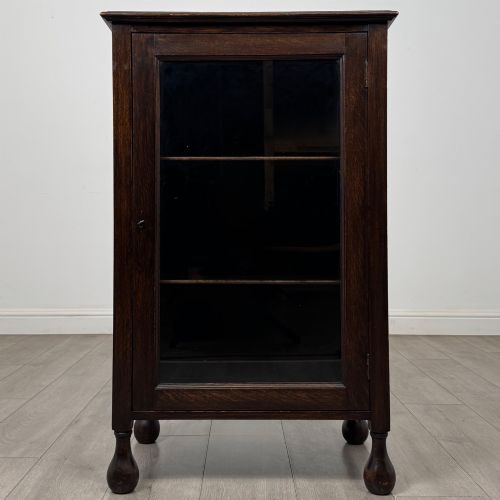
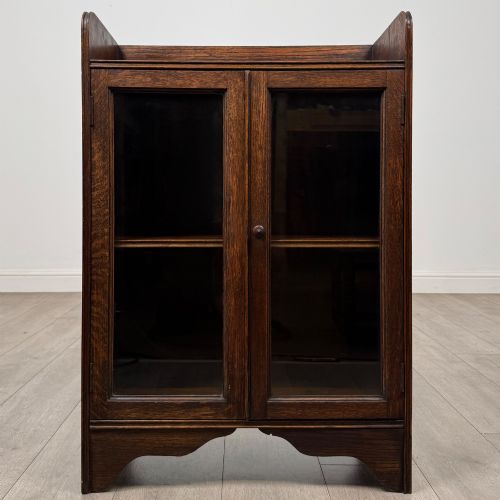
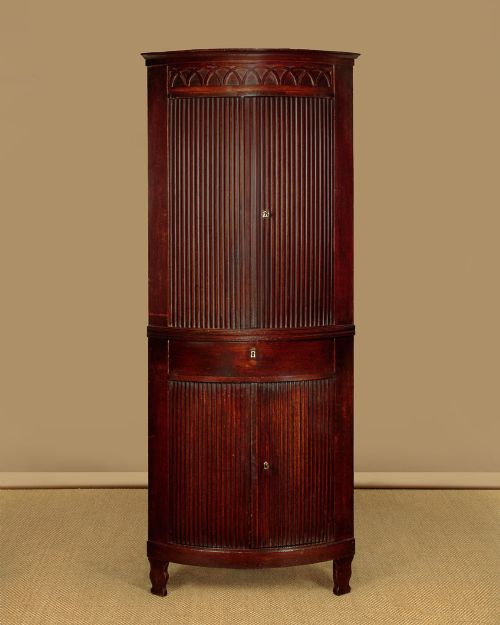
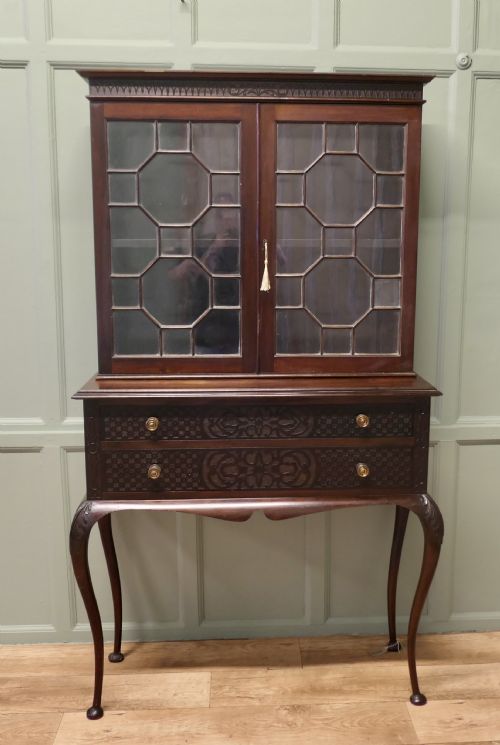
Dark Wood Cupboard Stand
These dark wood cupboard stand options span Georgian elegance to Edwardian practicality, offering compact storage and display.
Dark Wood Cupboard Stand
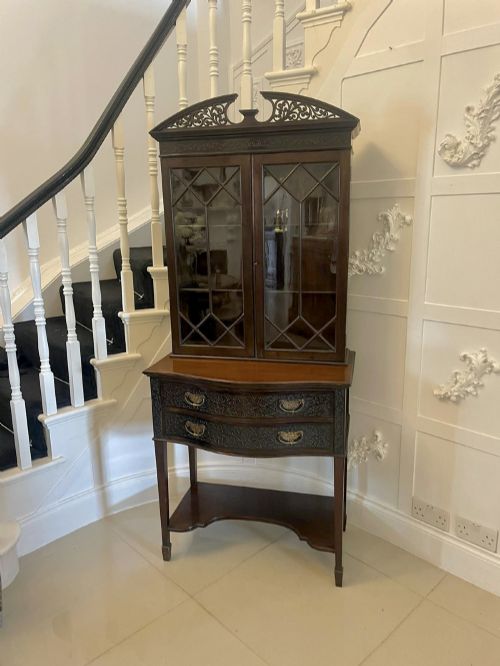
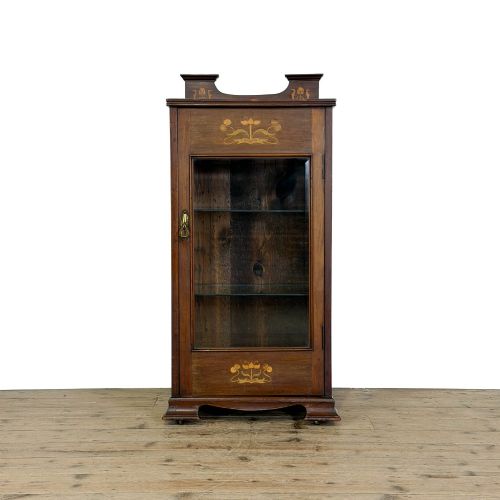
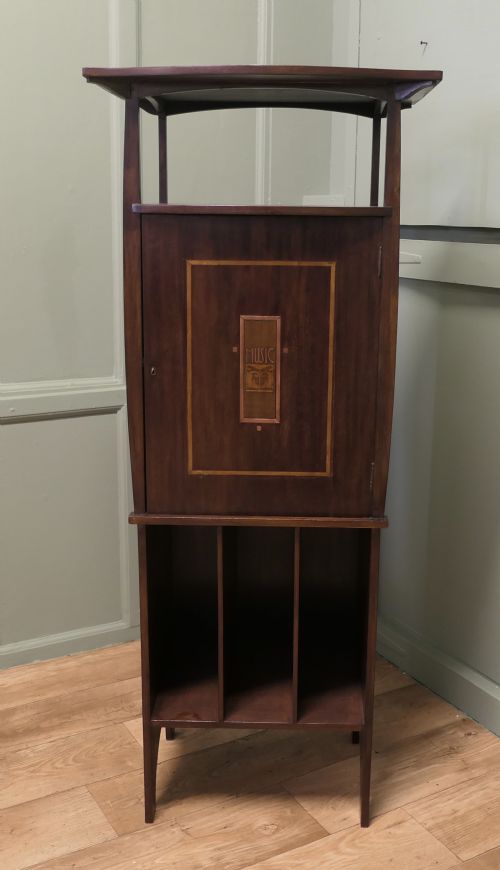
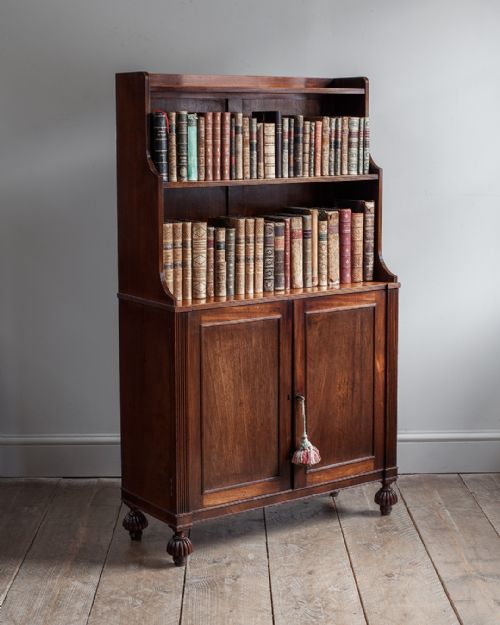
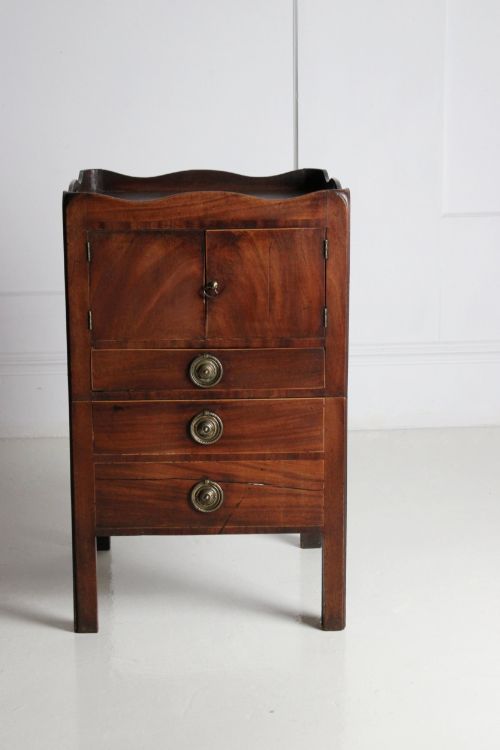
When searching for a dark wood cupboard stand, one encounters a diverse selection of furniture designed for storage and display, spanning centuries of craftsmanship. The listings encompass practical bedside cabinets, corner cupboards, bookcases, and elegant cabinets on stands from the Georgian, Victorian, and Edwardian eras.
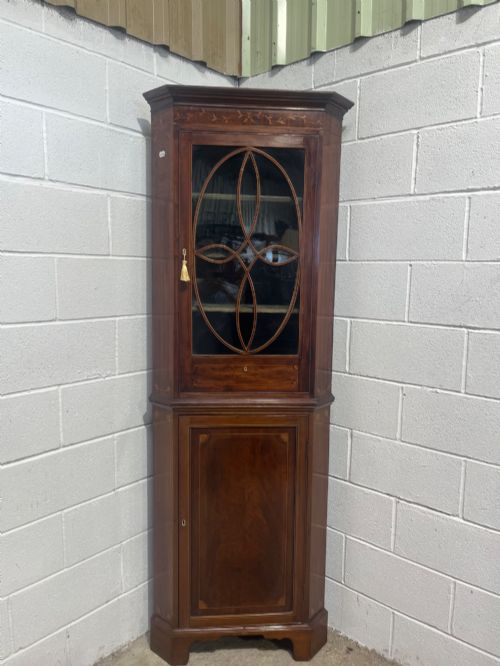
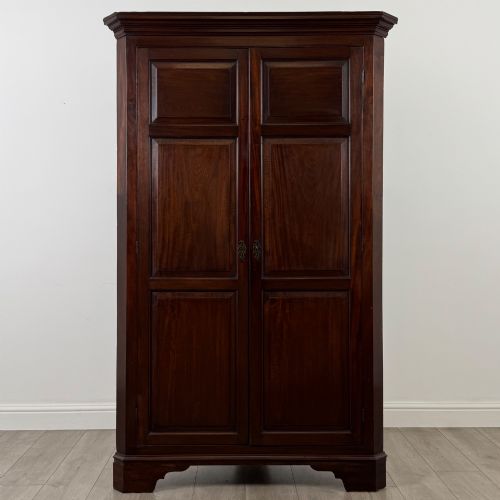
The most common forms on this page include mahogany corner cupboards and bedside cabinets, alongside oak and walnut display cabinets. These pieces served varied domestic functions, from holding pots and night articles to displaying prized collections.
Origins range across British periods, with particular emphasis on 18th and 19th-century cabinet making. Buyers also find continental and revival pieces that reflect the shifting tastes in domestic timber furniture.
Materials and construction techniques
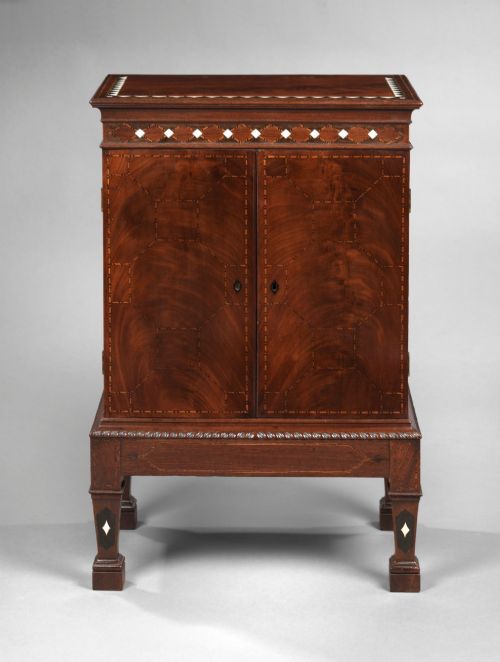
Makers relied heavily on dense hardwoods, predominantly mahogany and oak, often enhanced with walnut veneers or figured timber faces. Structural stability was achieved through traditional joinery, while decorative appeal came from wood inlay, bone inlay, and brass hardware.
Surface ornamentation involved fine parquetry, marquetry, and carved details executed during the Georgian and Victorian periods. Glazing techniques such as astragal glazing bars framed the glass doors of display cabinets and bookcases.
Listings feature woods like mahogany, oak, walnut, and kingwood, alongside decorative bone and pewter inlay.
Assessing quality in cabinet stands
Quality reveals itself in the selection of timber, such as highly figured walnut or well-grained mahogany, and the precision of the joinery. Superior examples exhibit harmonious proportions, clean inlay work, and original brass fittings.
Finer pieces demonstrate considered craftsmanship in secondary timbers, smooth drawer operation, and the crispness of carved details. The integrity of the structure and the retention of an aged surface patina separate standard utility pieces from exceptional works.
GM Elwood for JS Henry·Edwards & Roberts
The Dark Wood Cupboard Stand Glossary
- Astragal glazing
- Timber bars dividing panes of glass in a cabinet door, typical of bookcase and display cabinet design.
- Pot cupboard
- A small bedside cabinet or stand originally designed to house a chamber pot, common in Georgian and Victorian bedchambers.
- Cabinet on stand
- A distinct form where a primary storage box rests upon a separate supporting base with legs.
- Marquetry
- Decorative patterns formed by fitting together thin veneers of wood and other materials like pewter.
- Parquetry
- Geometric mosaic woodwork used for ornamenting floors, cabinet doors, and table tops.
Dark Wood Cupboard Stand: Frequently Asked Questions
What is a dark wood cupboard stand?
A dark wood cupboard stand refers to various enclosed storage furniture pieces made from timbers like mahogany, oak, and walnut. These range from bedside pot cupboards to floor-standing corner units and cabinets raised on stands.
They combine surface utility with enclosed storage, serving multiple rooms from bedrooms to libraries.
How do I date a mahogany cupboard stand?
Dating relies on stylistic clues, construction methods, and timber choice. Georgian pieces often show restrained classical lines and solid mahogany construction, while Victorian examples introduce heavier carving and distinct veneer work.
Hardware, drawer linings, and secondary woods further help pinpoint whether a piece originates from the 18th, 19th, or 20th century.
Where were corner cupboards placed?
Corner cupboards and stands were specifically designed to utilise neglected room junctions. Floor-standing and hanging versions maximised vertical space in dining rooms, parlours, and hallways.
Their triangular footprint allowed them to fit snugly into room corners without obstructing traffic flow.
How do I care for antique wood furniture?
Maintenance involves keeping pieces away from direct heat sources and dramatic humidity fluctuations to protect the timber and veneers. Regular dusting with a dry, soft cloth preserves the polished surface.
A light application of appropriate wax feed helps maintain the moisture and natural sheen of old mahogany, oak, and walnut.