
Dark Wood Cabinet
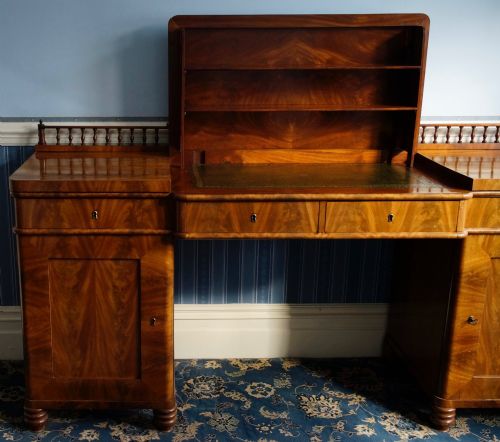
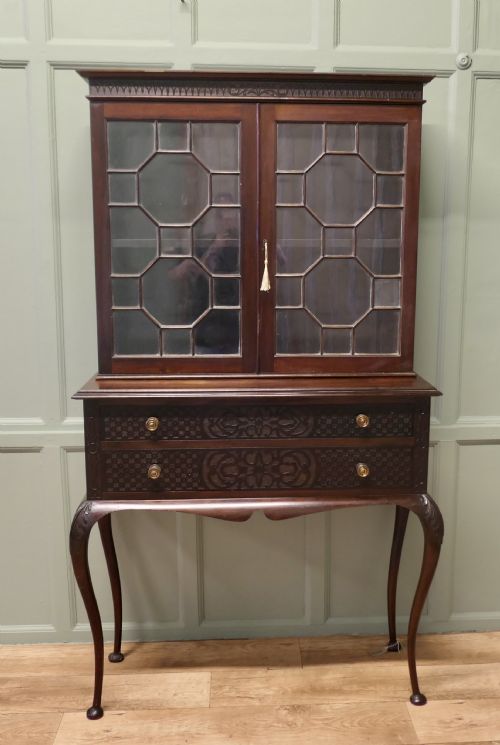
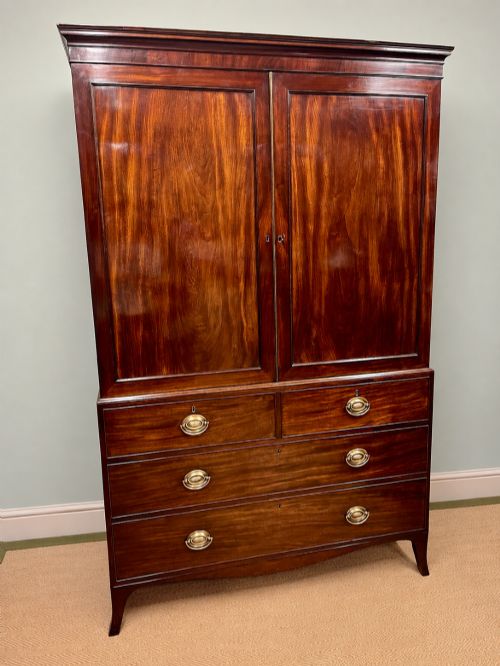
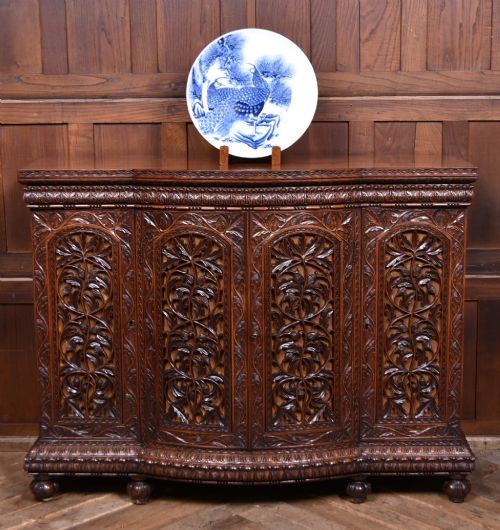
A dark wood cabinet brings deep timber tones and grounded storage to a room, ranging from mahogany bookcases to oak sideboards.
Dark Wood Cabinet
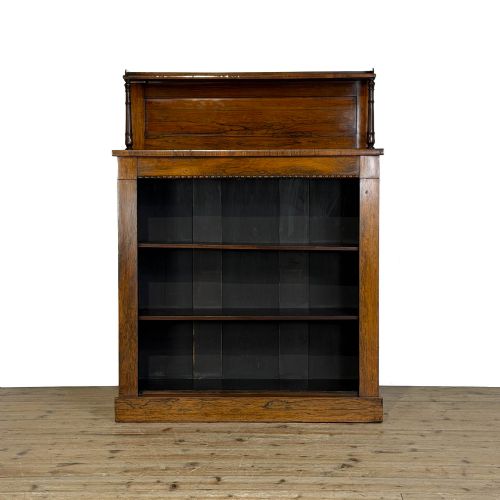
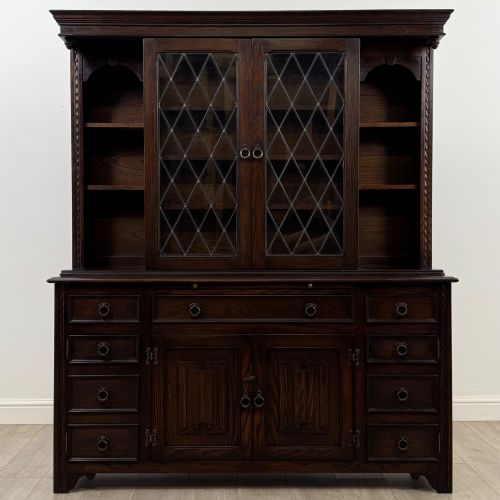
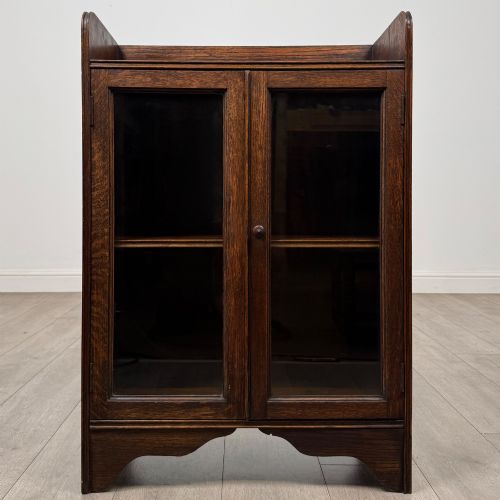
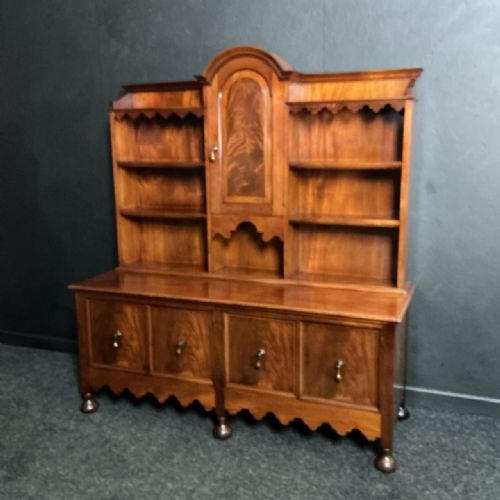
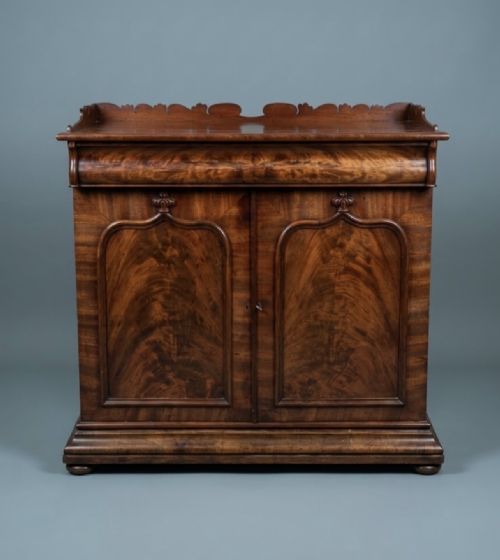
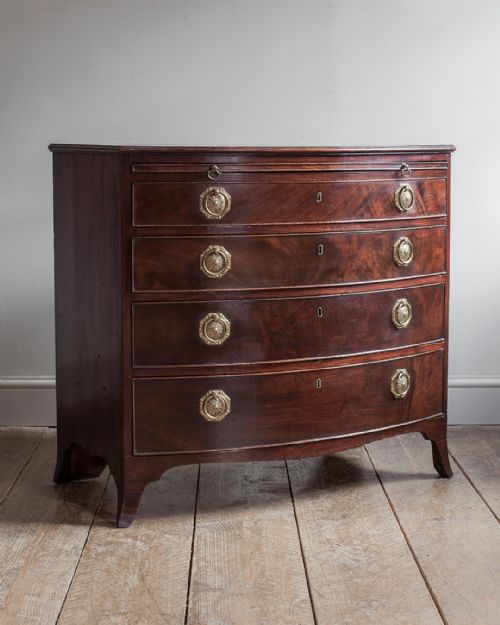
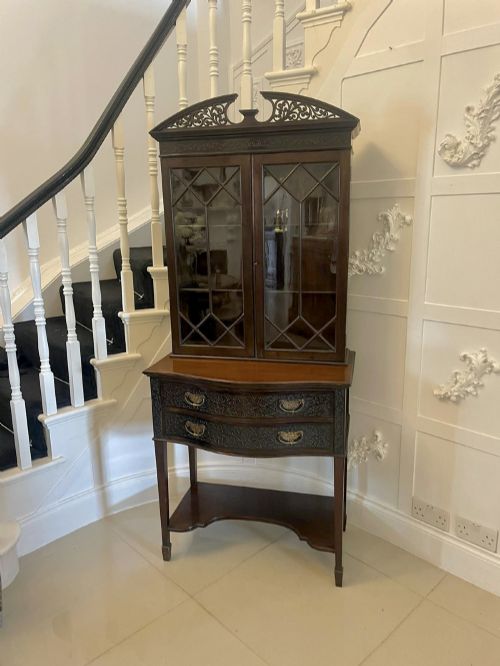
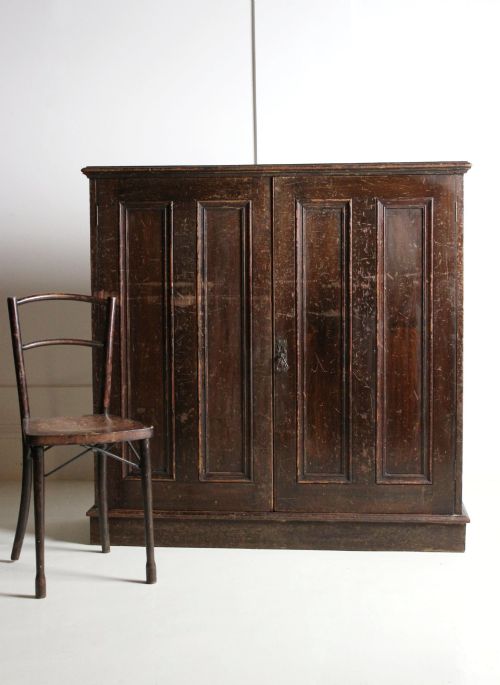
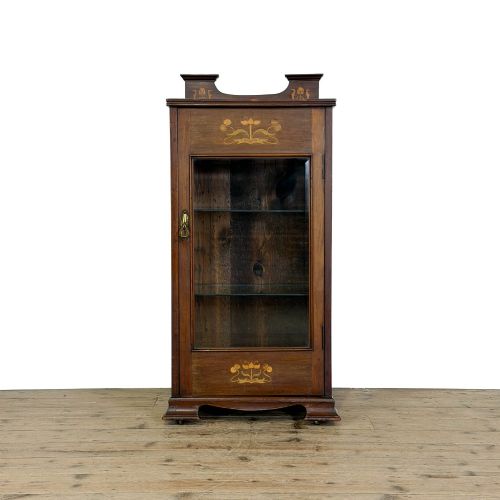
When you search for a dark wood cabinet, you enter a diverse field of storage furniture built from substantial timbers across the nineteenth and twentieth centuries. These pieces encompass bookcases, display cabinets, sideboards, and music cabinets spanning Victorian, Edwardian, and Regency periods.
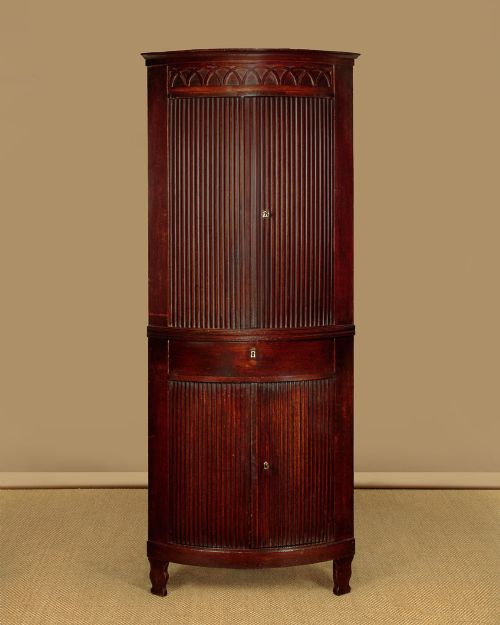
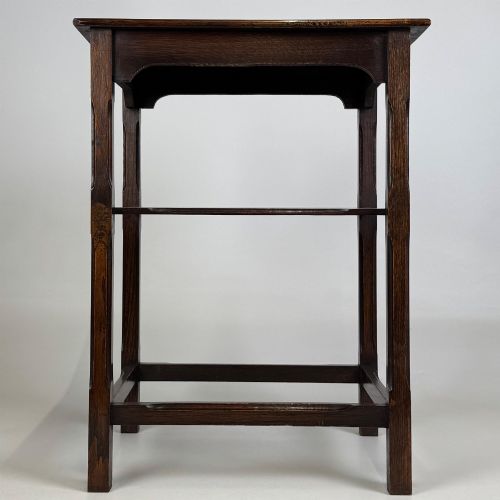
The most common form you will meet on this page is the mahogany or oak bookcase and sideboard, reflecting the dominant woods and utilitarian functions preserved in the listings. Pieces take many structural formats, from tall double-height corner cupboards and glazed display cabinets to low side tables and filing cabinets.
Origins stretch from British workshops to French, Chinese Chippendale, and Anglo-Indian makers, incorporating styles such as Arts and Crafts, Art Nouveau, and Tudor Revival. Each form serves a specific domestic purpose, whether housing books, displaying porcelain, or storing linen.
How they were made
Construction relies heavily on dense hardwoods such as mahogany, oak, rosewood, and walnut, often selected for rich grain patterns and durability. Timber preparation involves careful sawing and joining to create stable carcases for heavy use.
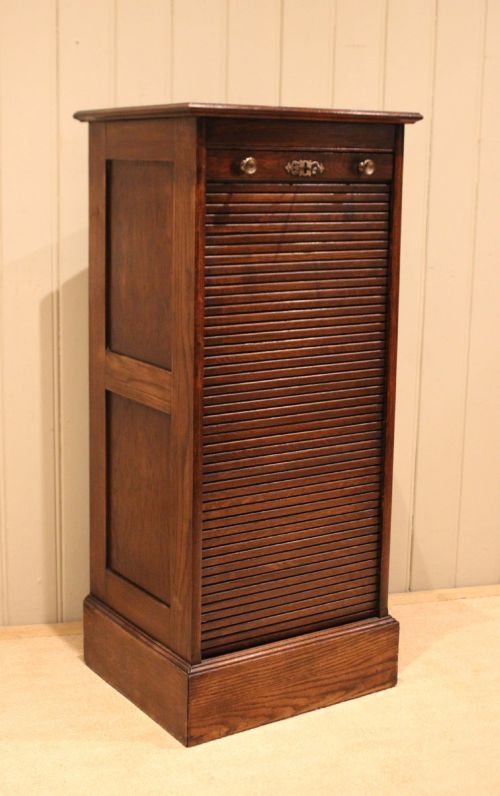
Surface detailing integrates carved ornamentation, inlaid decorative motifs, and linenfold panels, complemented by functional hardware in brass, lead, and metal. Glazing techniques utilise glass panels for display doors, while specialised mechanisms appear in tambour fronts and bureau drawers.
Dark Wood Cabinet Retail Price Guide 2026
Typical asking prices for dark wood cabinet among the pieces listed under this phrase on Sellingantiques today, from the lower quarter to the upper quarter. They describe what is for sale here now, not the wider market.
Form variations include bookcases, display cabinets, sideboards, desks, bureau bookcases, side cabinets, side tables, and music cabinets.
What varies in quality
Quality reveals itself in the selection of timber figures, such as flame mahogany or figured rosewood, and the crispness of hand-carved details. Superior examples display thoughtful proportion, integrated styling, and harmonious grain matching across large surfaces.
The sophistication of internal joinery and hardware execution distinguishes standard utility items from exceptional workshop commissions. Finer cabinets show careful attention to secondary timbers, smoothly operating drawers, and precise inlay work that remains intact over generations.
GM Elwood for JS Henry·Gabriel Viardot
The Dark Wood Cabinet Glossary
- Mahogany
- A durable tropical hardwood prized for its reddish-brown colour and stability in furniture making. It forms the primary material for many nineteenth-century bookcases and sideboards.
- Tambour
- A flexible sliding door constructed from narrow strips of wood glued to canvas or leather backing. This mechanism allows smooth operation in compact filing cabinets and desks.
- Astral glazing
- Door glazing divided into small panes by narrow wooden bars, commonly seen on eighteenth and nineteenth-century bookcases. The geometric arrangement supports the glass while offering a clear view of the contents.
- Chiffonier
- A low sideboard or cabinet featuring shelves or a small cupboard above the main surface. Developed in the nineteenth century, it serves both display and storage functions.
- Linenfold
- A style of wood carving that imitates folded parchment or linen, frequently found on oak panels. This decorative technique is characteristic of Tudor Revival and early twentieth-century furniture.
Dark Wood Cabinet: Frequently Asked Questions
What rooms suit a dark wood cabinet?
These cabinets anchor studies, dining rooms, and living spaces by offering substantial storage while introducing rich timber textures. Tall bookcases and display cabinets fit well against larger walls, whereas corner cupboards utilise awkward angles efficiently.
Smaller side tables and music cabinets function effectively in narrow hallways or bedrooms as accent pieces. Their dark tones complement both traditional interiors and modern minimalist backdrops.
How do I care for antique dark wood?
Maintain timber surfaces by keeping pieces away from direct sunlight and sudden temperature shifts that cause wood to dry or crack. Regular dusting with a soft, dry cloth preserves the finish without building up heavy chemical residues.
Occasional application of appropriate wax feeds the grain and protects the polish. Avoid placing damp items or unpadded ceramics directly onto polished wooden tops.
How do I date a dark wood cabinet?
Dating relies on observing a combination of timber choices, construction methods, and stylistic cues present in the design. For instance, heavy carved ornamentation often points to Victorian or Edwardian revival periods, while cleaner linear forms may suggest Regency origins.
Hardware styles, joint construction inside drawers, and secondary woods offer further clues to the manufacturing decade. Comparing these details against documented period pieces helps narrow down the era of production.
Are these cabinets suitable for modern homes?
Dark wood cabinets provide practical storage solutions that easily integrate into contemporary domestic environments. Their classic proportions and enclosed shelving help conceal clutter while keeping daily essentials organised.
Using a traditional piece like a sideboard or bookcase adds character and contrast to modern neutral walls. The durability of solid oak and mahogany ensures they withstand everyday contemporary use.