


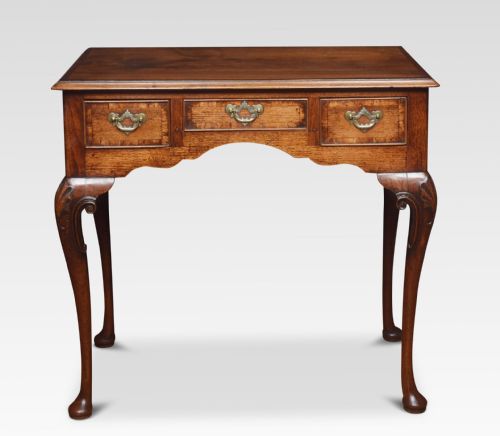


Dark Walnut Dressing Table
A dark walnut dressing table brings rich, deep timber tones and traditional craftsmanship into a bedroom with quiet authority.
Dark Walnut Dressing Table
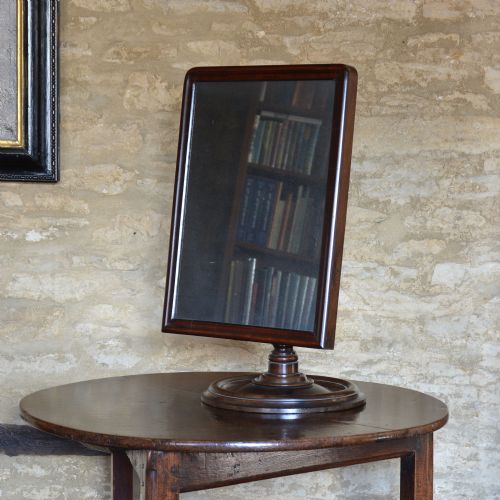
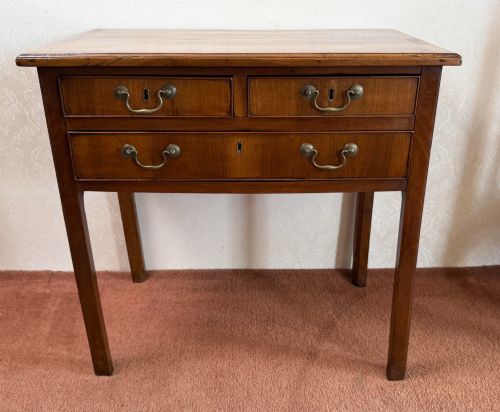
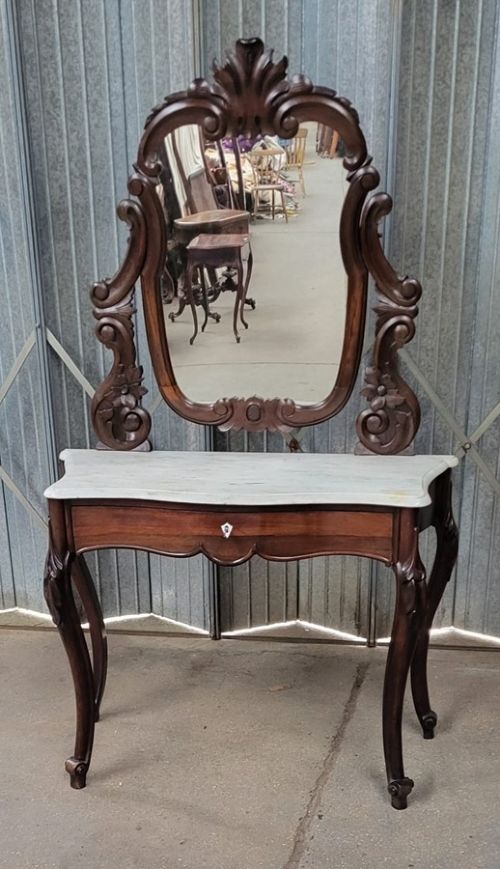
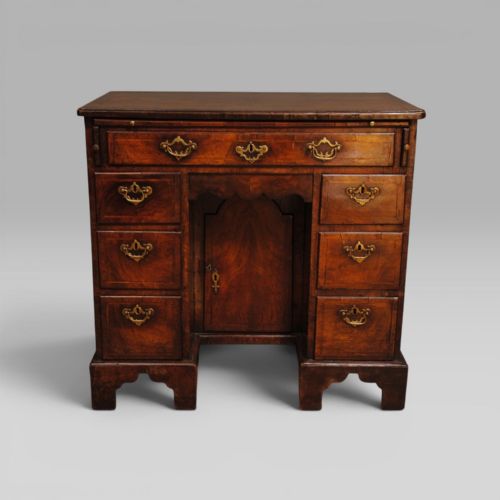
The objects serve both functional and decorative roles, often appearing with cabriole legs, trilobe feet, or integrated drawers for storage. Their origins cover English, Irish, and continental workshops from various historical revivals.
How they were made
Cabinet makers utilised solid walnut and burr walnut veneers applied to secondary timbers, frequently enhancing the surfaces with boxwood stringing. The choice of timber determined the visual depth, with figured grain offering intricate patterns across the drawer fronts and tops.
Construction techniques involved traditional joinery, such as dovetailed drawer linings and tenoned frames, supported by brass handles and hinges. Marble tops and mirror glass appeared on specific continental and later Victorian pieces, adding weight and reflective utility.
The listings span from the seventeenth century to nineteen-ten, recording materials including walnut, burr walnut, boxwood, marble, and mirror glass.
What varies in quality
The gradation in quality rests upon the selection of the walnut veneer and the crispness of any carved detailing, such as cabriole legs or moulded edges. Early examples display deliberate proportions and subtle figure in the wood, whereas later revival pieces rely on heavier machinery-cut components.
Originality of surface finish and hardware also separates standard examples from finer survivals, as untouched patination and period brasses retain the integrity of the maker's initial design.
The Dark Walnut Dressing Table Glossary
- Lowboy
- A small table with drawers, commonly used as a dressing table or side table in eighteenth-century interiors. It typically stands on four legs, often terminating in cabriole shapes.
- Burr walnut
- A prized timber harvested from walnut tree growths, displaying swirling, knotty patterns. It is frequently utilised as a decorative veneer on drawer fronts and tabletops.
- Boxwood stringing
- Thin inlay lines of pale boxwood set flush into darker walnut surfaces. This technique creates geometric borders that define panels and drawer edges.
- Cabriole leg
- A furniture leg that curves outward at the knee and tapers inward toward the foot, mimicking animal limbs. It is characteristic of seventeenth- and eighteenth-century design.
- Trilobe foot
- A foot shaped into three distinct lobes or lobes resembling a clover leaf. This detail appears on the lower terminals of period lowboy legs.
Dark Walnut Dressing Table: Frequently Asked Questions
What is a lowboy?
A lowboy is a small table equipped with one or more drawers, historically utilised for grooming or personal ministration before dedicated dressing chests became common.
Over time, these versatile tables transitioned into general side tables, writing surfaces, and low dressing stations within period bedrooms.
How do I date a walnut table?
Dating involves examining the construction methods, such as hand-cut dovetails, secondary wood species, and the style of the legs and feet. Eighteenth-century pieces generally show simpler, hand-formed framing compared to nineteenth-century revival work.
Hardware placement, timber thickness, and wear patterns also provide physical evidence of the period in which the piece was constructed.
How do I care for dark walnut?
Dark walnut benefits from consistent indoor humidity and protection from direct sunlight to prevent the timber from drying out or fading. Gentle dusting with a soft cloth maintains the surface without stripping the historic wax or polish.
Applying a quality beeswax periodically nourishes the wood and preserves the depth of the grain.
What is burr walnut?
Burr walnut is timber taken from a tree growth or excrescence, yielding a dense cluster of swirling knots and intricate grain patterns. Cabinet makers prized this wood for decorative veneers on prominent surfaces.
Because of its wild figuring, it was usually applied sparingly as a veneer over stable base timbers.