



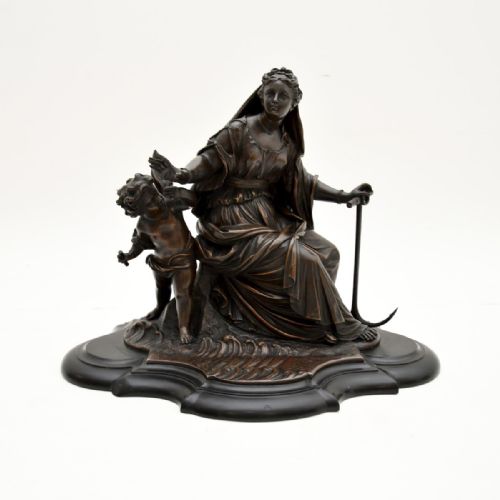
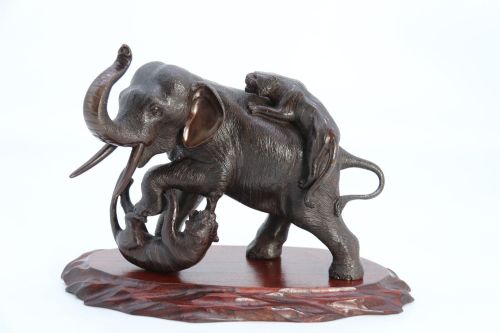
Dark Patinated Bronze
Dark patinated bronze sculptures offer sculptural presence and rich surface depth, making them coveted for traditional and eclectic interiors alike.
Dark Patinated Bronze
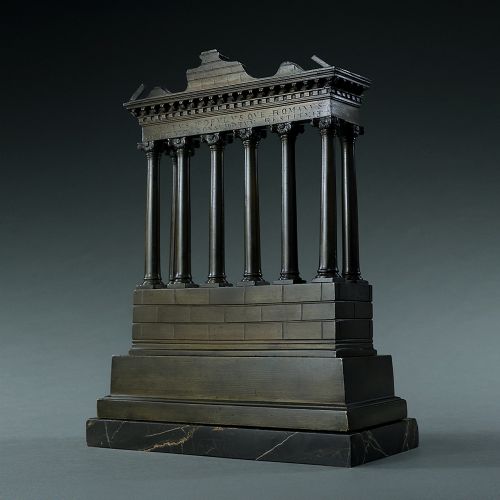
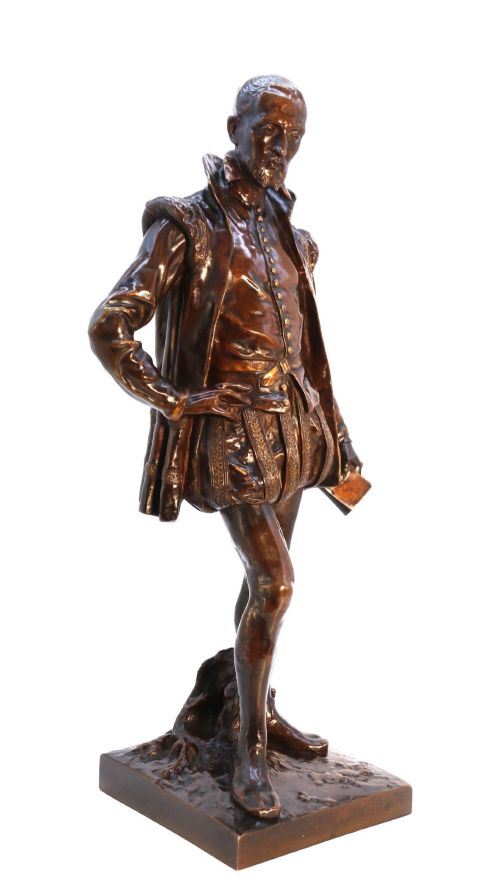
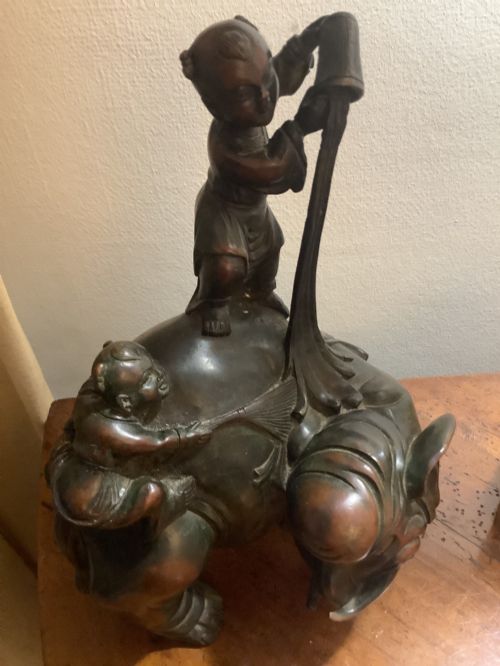
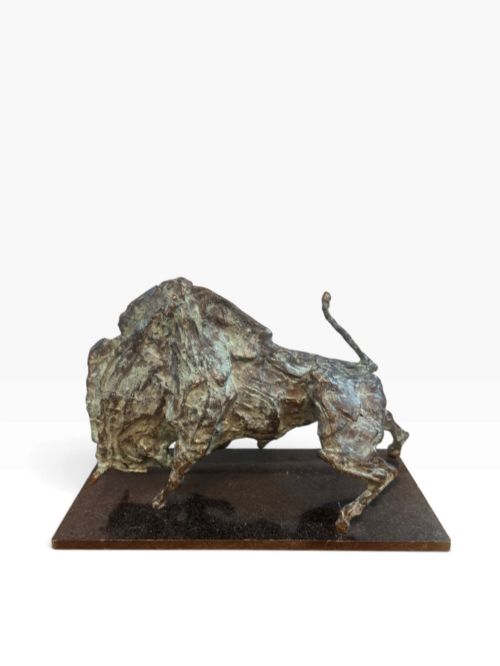
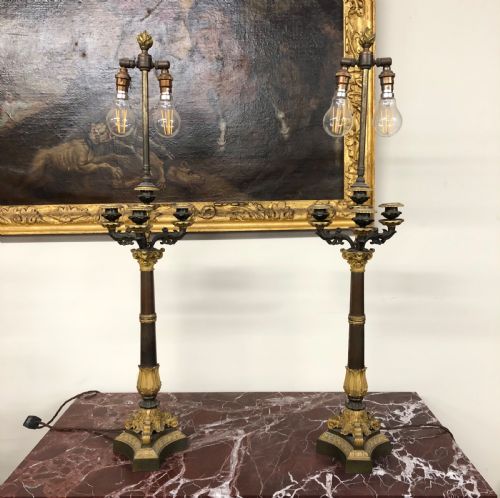
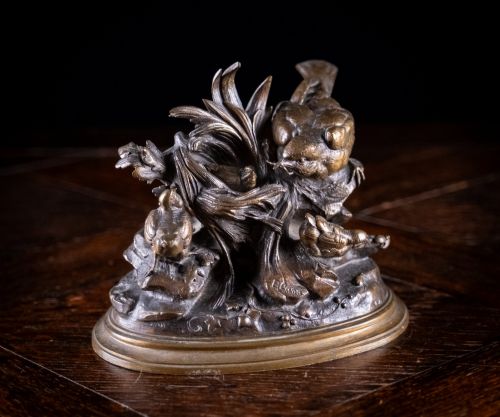
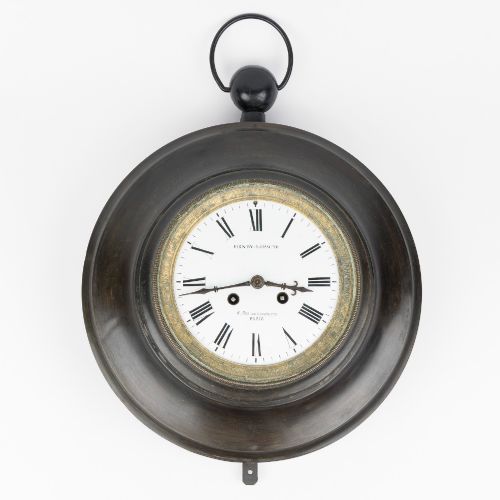
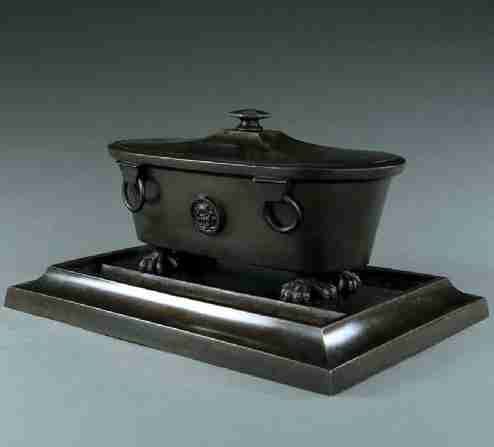
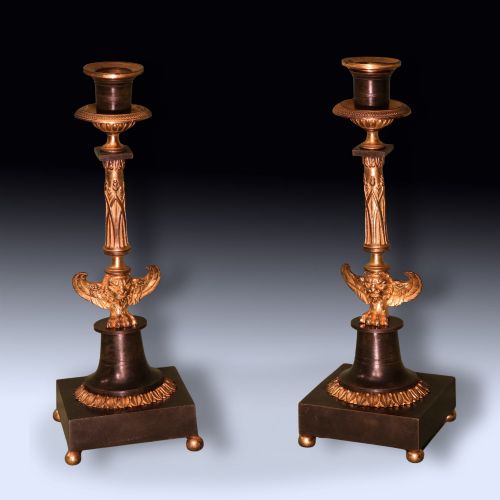
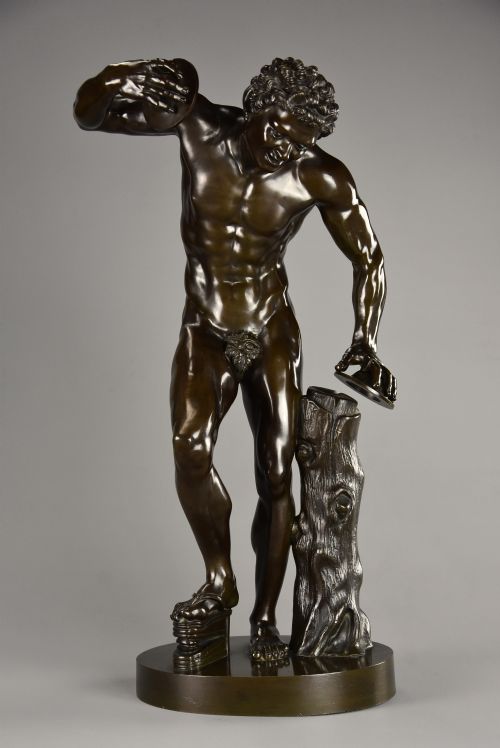
When you search for dark patinated bronze, you encounter sculptural works that capture nineteenth-century animalier and neoclassical subjects. These pieces range from compact figural studies to paired decorative figures mounted on stone bases.
The selections available here reflect distinct nineteenth-century origins, including French animalier studies and grand tour pieces. You are most likely to meet animalier subjects and historical figures mounted on onyx or cast integral bases.
Makers recorded in these works include Alfred Grevin and Michele Amodio, whose output defines the sculptural ambition of the period. Their handling of subject matter establishes the baseline for evaluating these historical bronzes.
How they were made
The pieces on this page are produced using traditional casting methods in bronze, resulting in robust metal forms. This process allows for intricate musculature, drapery, and fine surface detail to emerge from the molten alloy.
Certain works incorporate contrasting mineral elements, specifically combining cast bronze with onyx bases. This pairing provides stability and adds a distinct textural contrast to the dark metallic surface.
Dark Patinated Bronze Retail Price Guide 2026
Typical asking prices for dark patinated bronze among the pieces listed under this phrase on Sellingantiques today, from the lower quarter to the upper quarter. They describe what is for sale here now, not the wider market.
Current listings span the nineteenth century, featuring French and neoclassical bronze sculptures alongside onyx bases.
What varies in quality
The application and depth of the dark patination itself distinguishes finer works, as skilled finishing creates subtle tonal variations across the bronze. Surface treatments that appear flat or uniform lack the visual richness found in superior nineteenth-century examples.
Alfred Grevin·Michele Amodio
The Dark Patinated Bronze Glossary
- Animalier
- A nineteenth-century artistic genre focusing on the realistic depiction of animals, particularly wild beasts in motion or repose. This style dominates many European bronze sculptures from the period.
- Grand Tour
- A traditional trip through Europe undertaken by upper-class young men to absorb classical culture and art. Souvenirs from these journeys often included small bronzes of classical figures and antiquities.
- Neoclassical
- A style reviving the forms and aesthetic of ancient Greece and Rome, evident in subjects such as Diane do Gabries. It prioritises noble simplicity and calm grandeur.
- Onyx
- A banded variety of chalcedony used frequently as a decorative base for nineteenth-century bronzes. It provides a heavy, polished platform that elevates the sculpture.
Dark Patinated Bronze: Frequently Asked Questions
What is animalier bronze?
Animalier bronze refers to nineteenth-century sculptures depicting animals with strict anatomical realism. These works frequently capture predators in dynamic action or quiet observation.
Artists in this genre studied living subjects in menageries to achieve convincing postures and textures.
How should I clean bronze?
Bronze requires minimal intervention to preserve its historical surface and dark patination. Dusting with a soft, dry cloth is generally sufficient for regular maintenance.
Avoid chemical polishes and abrasive cleaners, as these strip away the patination built up over the centuries.
What is a Grand Tour bronze?
Grand tour bronzes are small-scale reproductions of classical sculptures acquired by travellers in Europe during the eighteenth and nineteenth centuries. They served as portable reminders of classical antiquity and artistic education.
These pieces often depict well-known mythological figures or ancient architectural elements.
Why are some bronzes on onyx?
Onyx bases provide a heavy, stable foundation for nineteenth-century bronze sculptures while adding visual contrast. The polished stone complements the dark metallic surface of the cast.
This combination was particularly favoured for cabinet pieces and decorative table sculptures.