
Antique Mythological Sculpture
These antique mythological sculpture works capture classical deities and figures in bronze, marble and carved wood, bringing centuries of narrative tradition into the interior.
Antique Mythological Sculpture
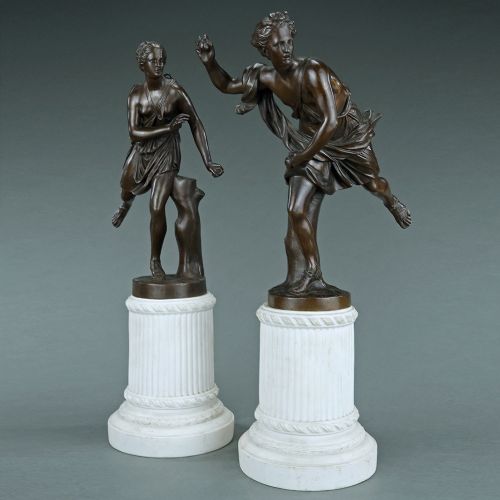
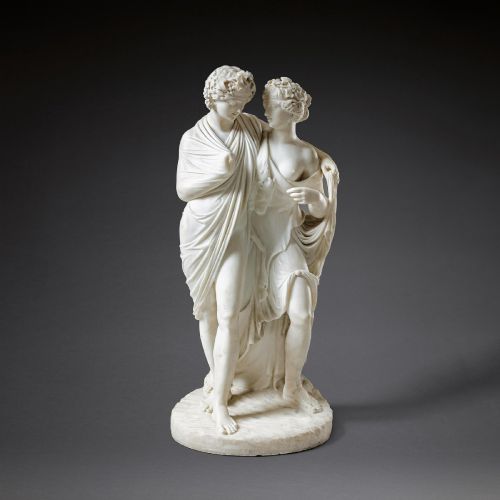
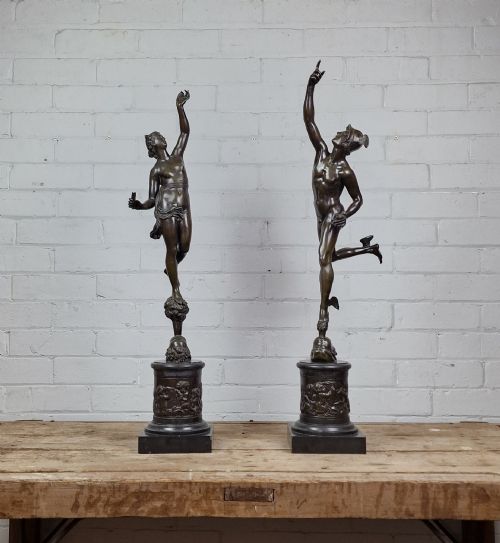
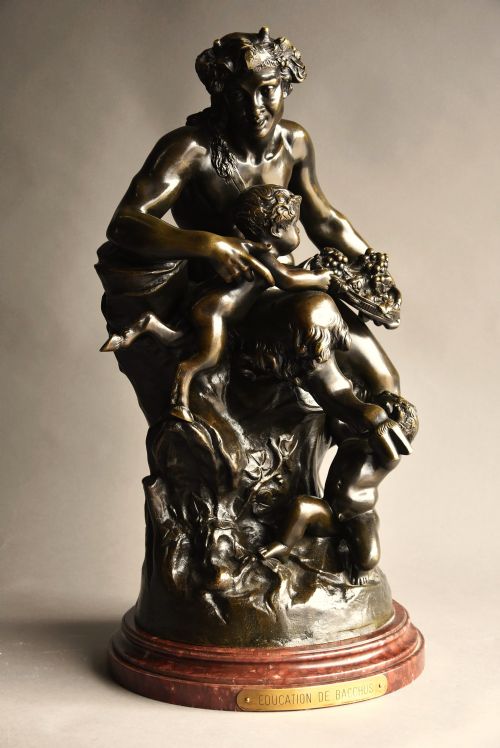
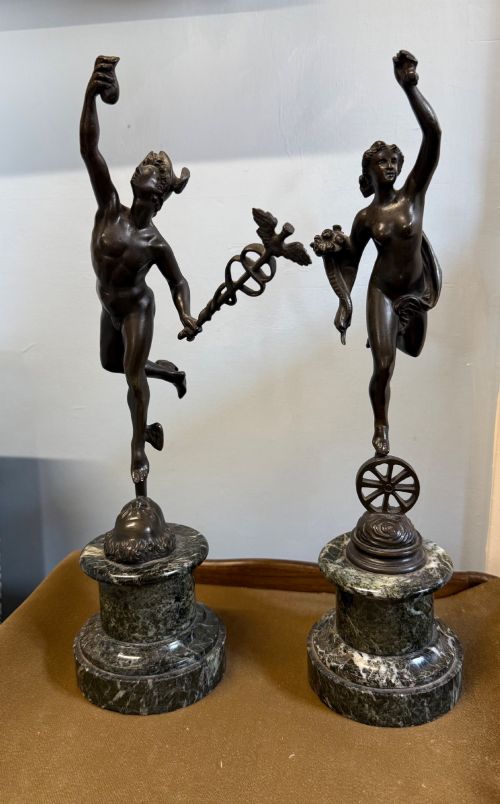
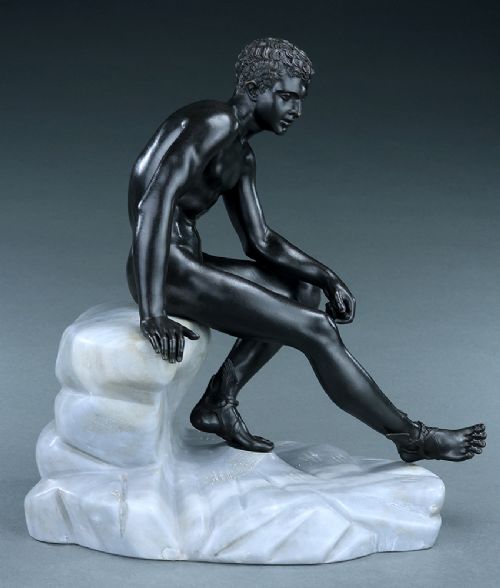
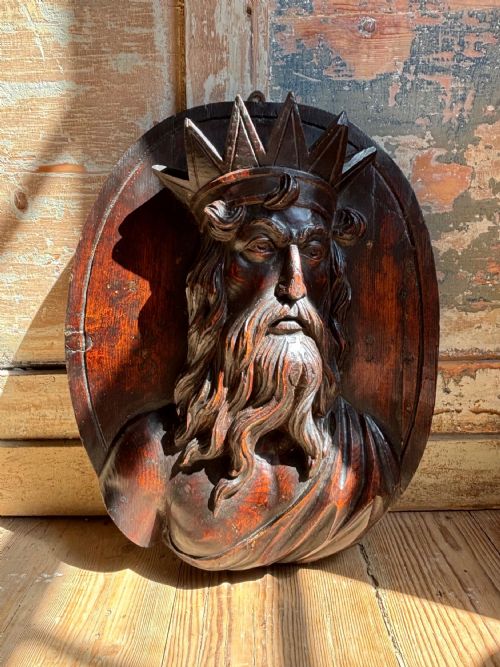
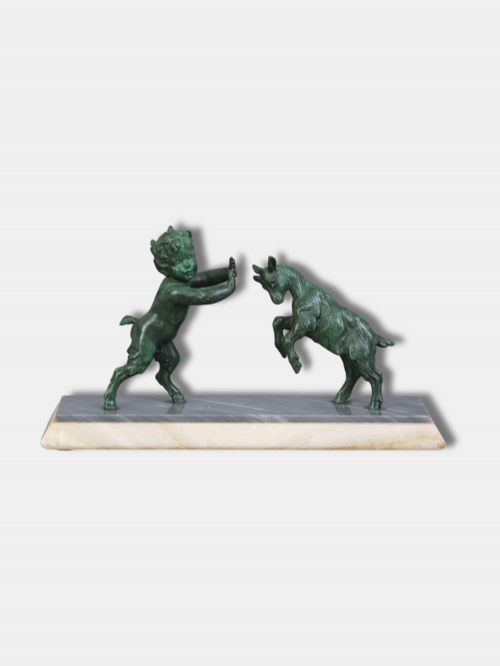
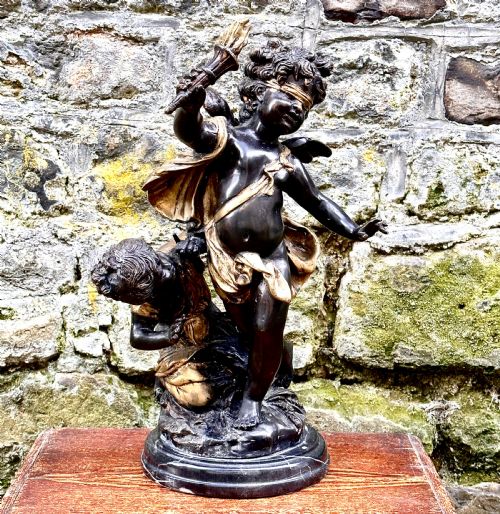
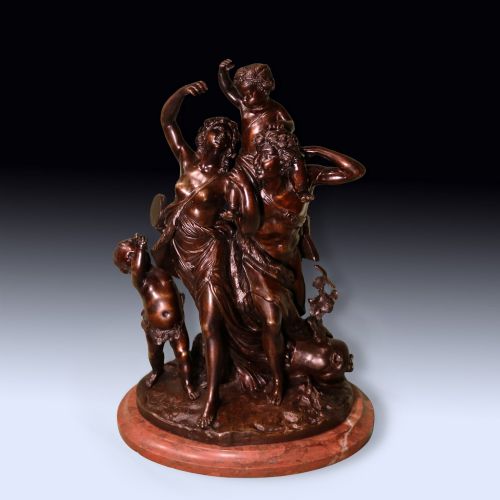
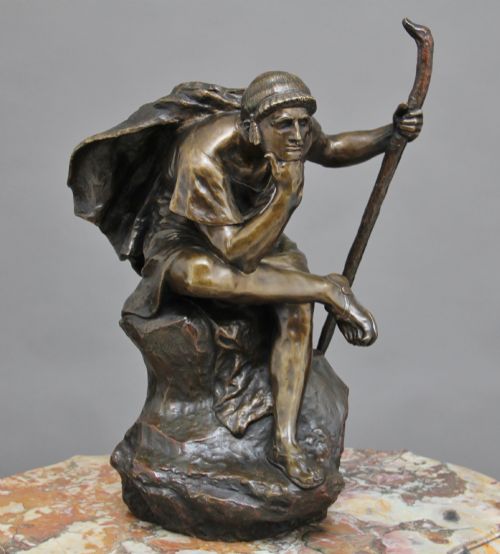
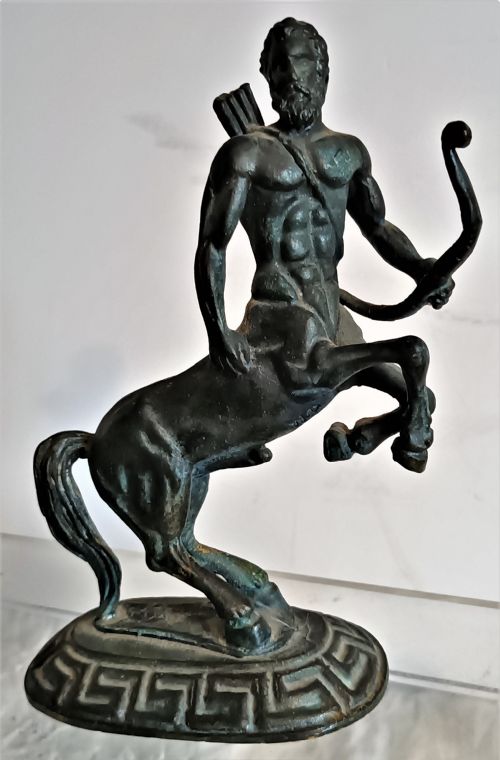
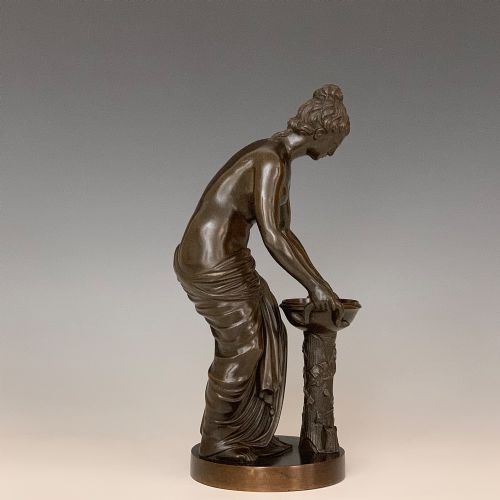
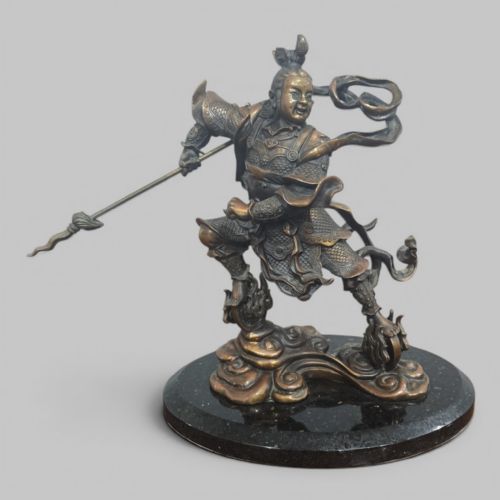
When you search for antique mythological sculpture, you encounter cast bronze figures, carved marble groups and wood reliefs depicting classical deities, nymphs and legendary heroes. The selection ranges from Grand Tour souvenirs of ancient monuments to larger cabinet bronzes cast by established European foundries.
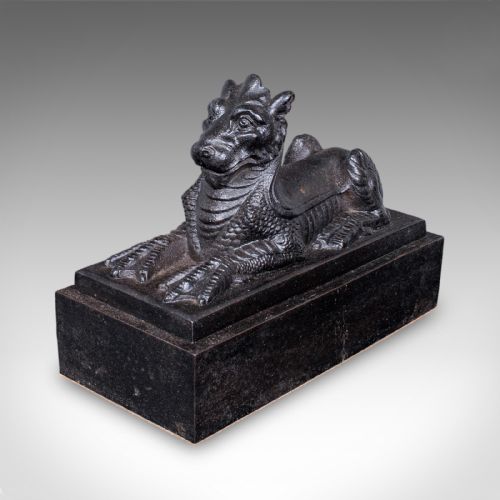
The most common examples on this page date from the nineteenth century, reflecting a period of intense fascination with classical antiquity. These pieces take the form of freestanding figures, decorative doorstops, wall plaques and functional table lamps drawing on Greek and Roman mythology.
How they were made
Foundries produced bronze sculptures using the lost-wax casting method, allowing intricate detail in hair, drapery and muscle structure before finishing the metal with patination. Marble and stone versions involved hand carving from solid blocks, often reducing famous monumental statues to domestic scale.
Wood carvers utilised dense hardwoods and oak for regional deities and mythological guardians, applying hand tools directly to the grain. Relief plaques combined cast metal or copper with ebonised wood mounts to display narrative scenes.
Listings span the eighteenth to the early twentieth century, utilising materials from white marble and patinated bronze to carved hardwood.
What varies in quality
Marble and stone carvings separate themselves through anatomical proportion and depth of undercut, distinguishing skilled studio work from repetitive souvenir production.
Barbedienne·Carlo Albacini·Emile Carlier·Auguste Moreau·Augusto Rivalta
The Antique Mythological Sculpture Glossary
- Grand Tour
- A nineteenth-century educational journey through Europe where travellers acquired small-scale bronze copies of classical antiquities.
- Patination
- The chemical or natural surface coloration applied to bronze and metalwork over time.
- Lost-wax casting
- A metalworking process where a molten metal is poured into a mould that has been created by means of a wax model.
- Neoclassical
- A Western cultural movement drawing inspiration from the art and culture of classical antiquity.
- Relief
- A sculptural technique where the sculpted elements remain attached to a solid background of the same material.
Antique Mythological Sculpture: Frequently Asked Questions
What is a Grand Tour bronze?
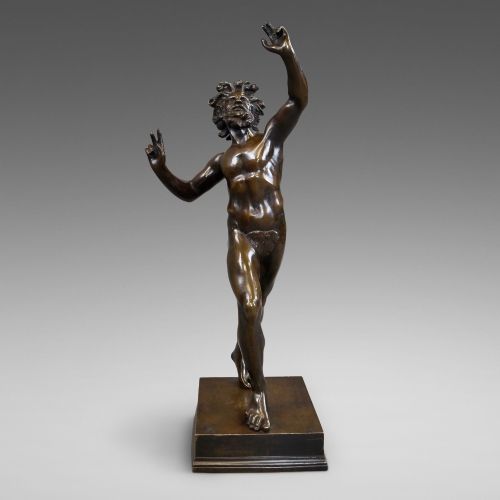
A Grand Tour bronze is a small-scale nineteenth-century souvenir cast in Italy or France, reproducing famous antique statues seen by travellers abroad.
These pieces allowed collectors to display canonical sculptures like the Dancing Faun or the Farnese Hercules within a domestic library or study.
How do I care for antique bronze?
Antique bronze requires minimal intervention, needing only an occasional dusting with a dry, soft cloth to prevent particulate buildup.
Avoid commercial polishes or liquid cleaners, which can strip the historic patination and damage the underlying metal surface.
Are these sculptures solid bronze?
Many nineteenth-century cabinet figures are hollow-cast to conserve expensive metal and reduce overall weight while maintaining structural stability.
Foundries achieved this by using an internal core during the lost-wax casting process, leaving the interior hollow beneath a thick exterior metal wall.
How do I identify classical subjects?
Subjects are typically identified by specific attributes, such as Mercury's winged cap or Neptune's trident, which signal their mythological identity.
Reference books on classical mythology and antique sculpture catalogues help match specific poses to known ancient prototypes.