


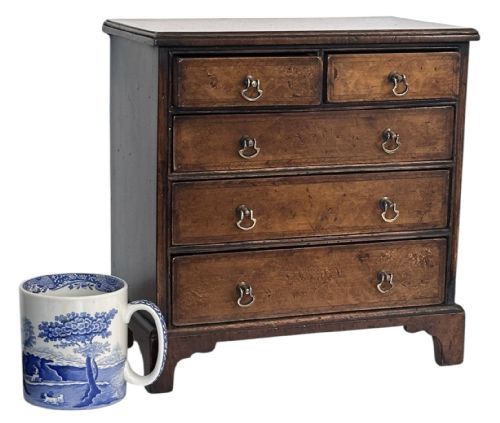


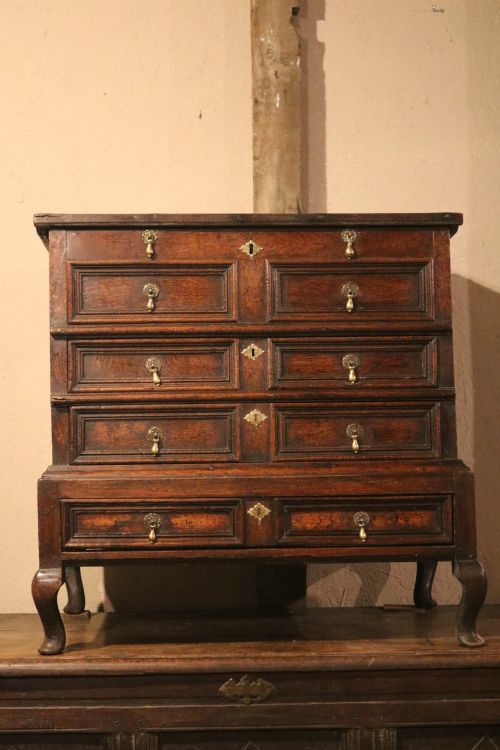
Dark Oak Miniature Chest
A dark oak miniature chest brings small-scale craftsmanship into a room, offering practical desktop storage with centuries of regional history.
Dark Oak Miniature Chest
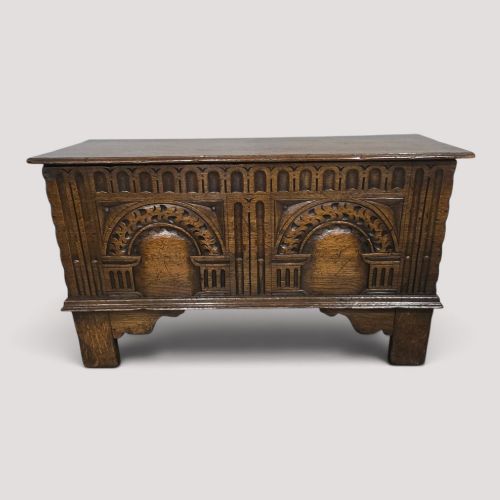
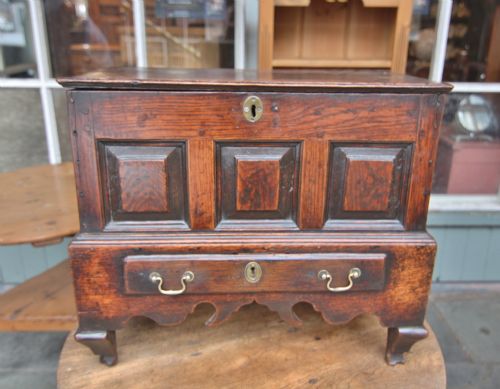
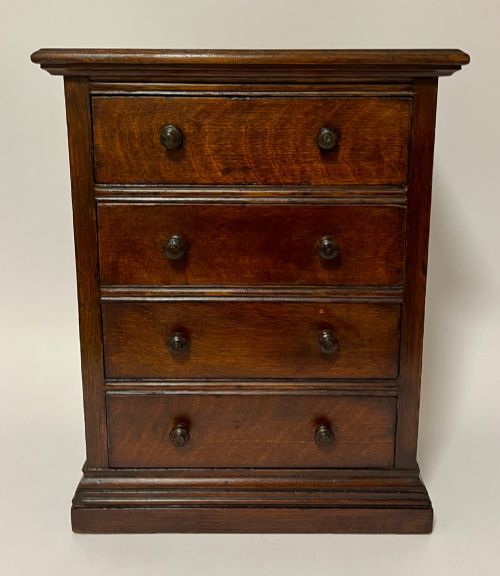
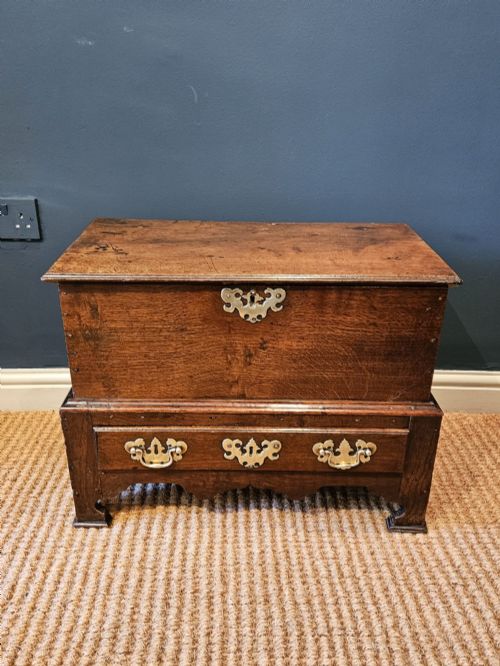
When you search for a dark oak miniature chest, you encounter small-scale pieces created for domestic storage or as apprentice works. The most common forms on this page include Welsh coffer bach, tabletop chests of drawers, and spice cabinets originating from the eighteenth and nineteenth centuries.
Many examples stem from regional British traditions, particularly Welsh vernacular cabinet making. These objects range from miniature court cupboards and kneehole desks to tallboys and mule chests, all constructed in miniature format.
What varies in quality
The standard of a dark oak miniature chest depends upon the precision of the timber selection and the proportion of the scaling. Master craftsmen maintained correct architectural proportions even when reducing furniture to tabletop size, whereas lesser pieces appear clumsy in their drawer depth and moulding.
Proportion and regional authenticity dictate the standing of an individual piece. Original brass hardware and undisturbed timber patination elevate certain examples above those with modern replacements.
Dark Oak Miniature Chest Retail Price Guide 2026
Typical asking prices for dark oak miniature chest among the pieces listed under this phrase on Sellingantiques today, from the lower quarter to the upper quarter. They describe what is for sale here now, not the wider market.
Listings feature eighteenth-century Georgian and nineteenth-century Victorian periods, utilising oak alongside brass, iron, mahogany, walnut, pine, and fruitwood inlay.
The Dark Oak Miniature Chest Glossary
- Coffer bach
- A small Welsh blanket chest or coffer, often fitted with a drawer beneath the main compartment. These pieces formed traditional marriage gifts in rural communities.
- Apprentice piece
- A small item of furniture demonstrated to a guild by a craftsman seeking master status. These objects display advanced joinery executed on a reduced scale.
- Spice cabinet
- A small wall hanging or tabletop cabinet containing multiple internal drawers for storing expensive provisions. They date primarily to the seventeenth and eighteenth centuries.
- Tallboy
- A tall chest of drawers consisting of one chest stacked upon another. Miniature versions replicate this imposing architectural form in a desktop size.
- Vernacular furniture
- Domestic pieces made by local regional craftsmen using native woods rather than following London court fashions. Oak remains the predominant material in these regional workshops.
Dark Oak Miniature Chest: Frequently Asked Questions
What was a coffer bach used for?
A coffer bach served as a miniature storage chest for valuables, documents, or textiles within the home. In Welsh tradition, they frequently functioned as presentation pieces for weddings or christenings.
Their compact size allowed them to sit upon tables or larger chests, keeping important items secure and close at hand.
How do I date a miniature oak chest?
Dating relies upon examining construction methods, timber choice, and regional design traits. Eighteenth-century pieces typically show hand-cut dovetails and pegged frame-and-panel construction.
Later Victorian examples often incorporate machine-sawn elements and different interior drawer configurations that reflect nineteenth-century workshop practices.
Were apprentice pieces actually made by learners?
While traditional history associates small chests with apprentices proving their skill, many were simply salesman samples or specialised pieces made for domestic use. Determining the exact workshop origin remains difficult without written provenance.
Regardless of maker status, the exceptional joinery demonstrates high-level cabinet making executed on a miniature scale.
Where should I place a miniature chest at home?
These small chests suit tabletops, sideboards, and desk surfaces where their detail remains visible at close range. Wall-hanging spice boxes and cupboards attach securely to plaster or wood-panelled walls.
Keep them away from direct sunlight and modern heat sources to protect the aged oak timber and prevent shrinkage.