
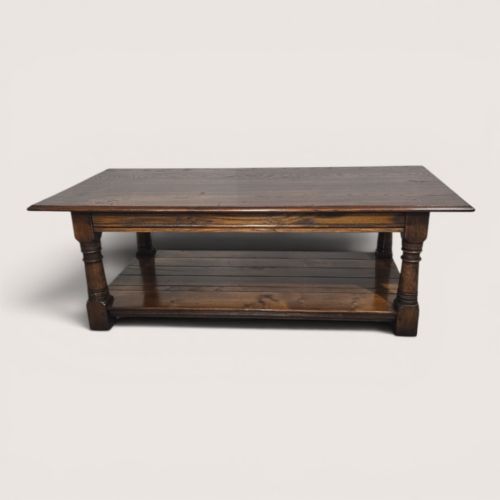
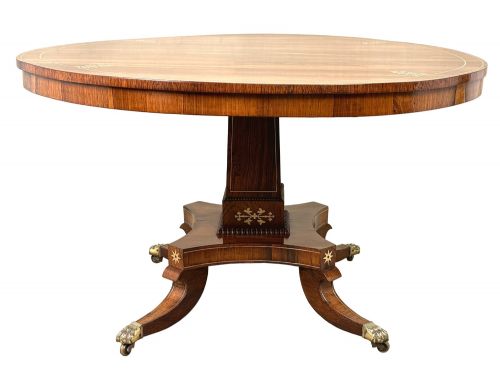
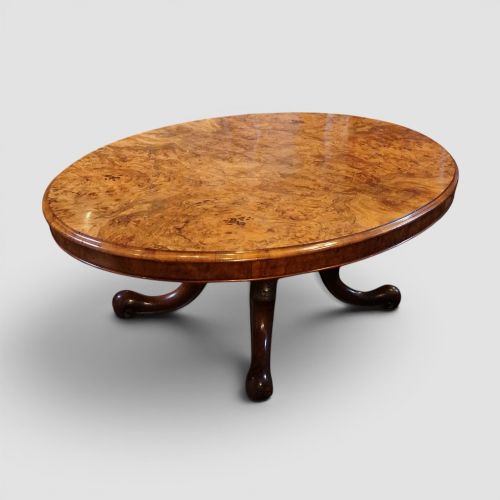
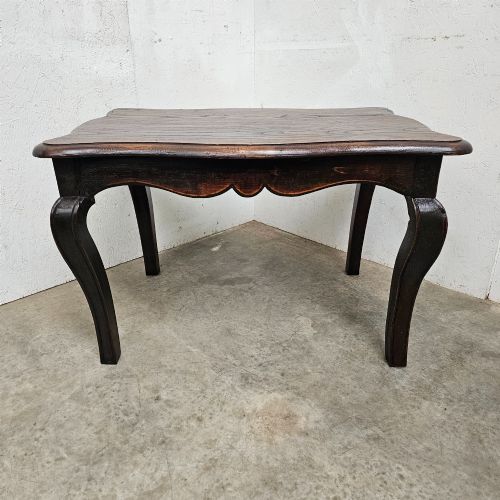
Dark Brown Centre Table
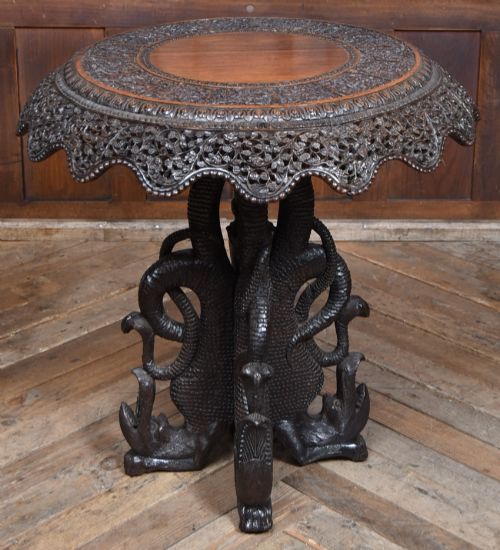
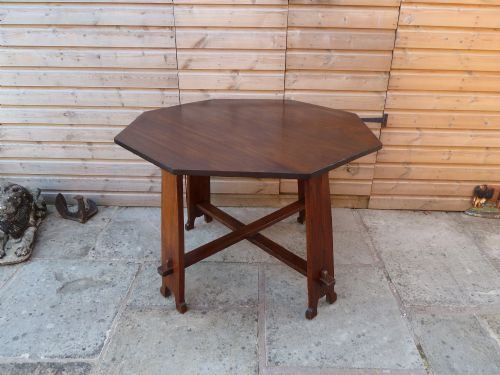
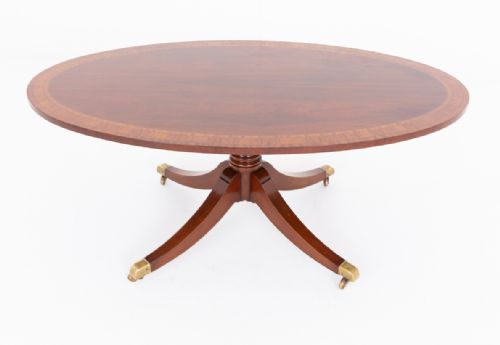
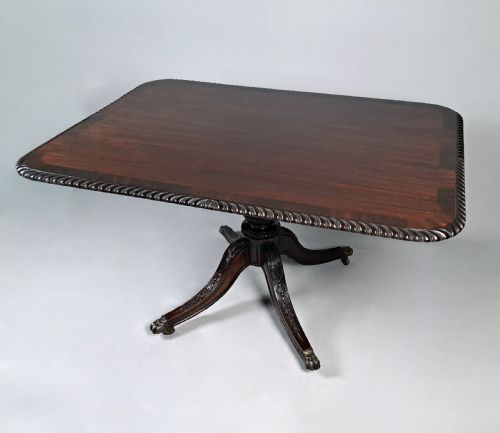
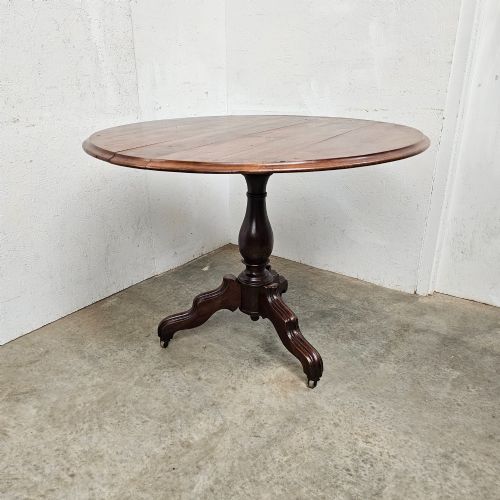
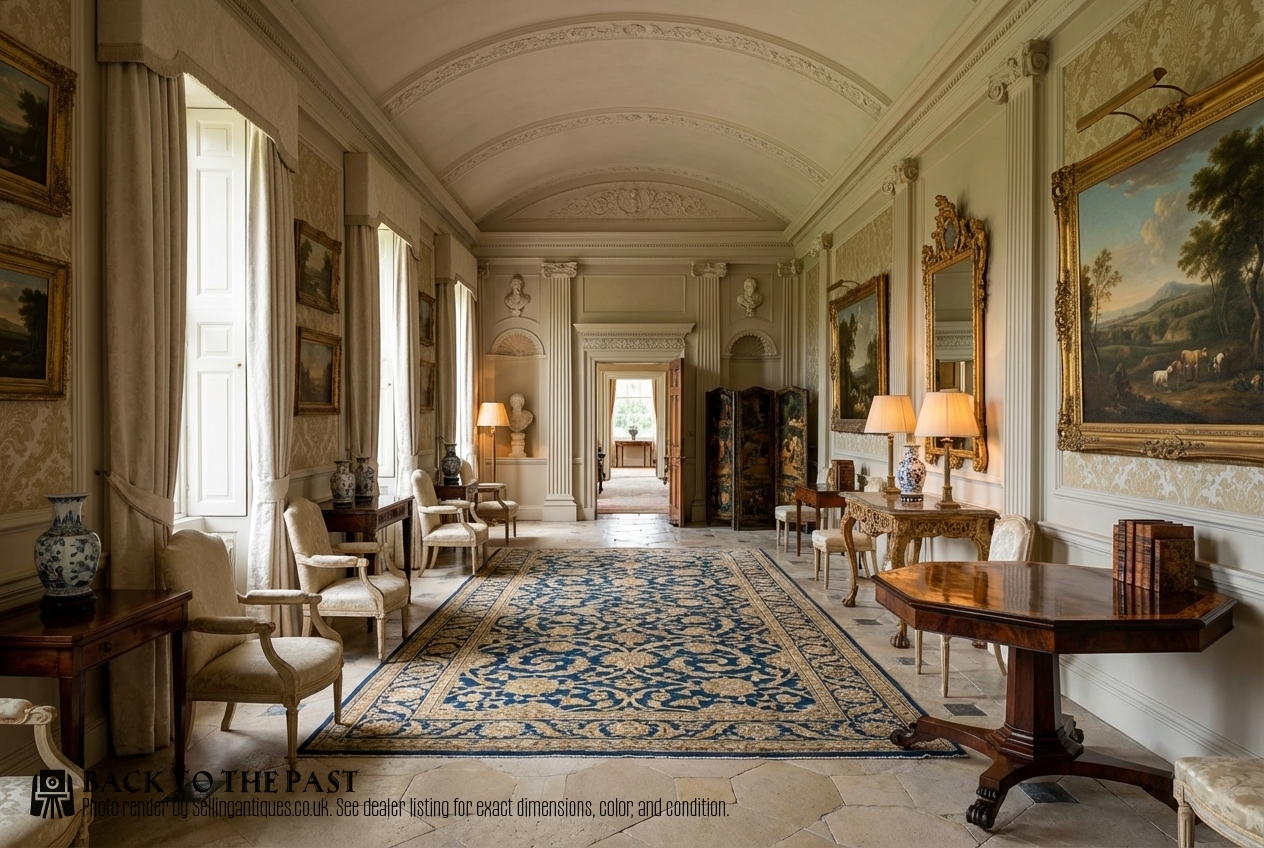
A dark brown centre table anchors a room with rich rosewood and classical proportion, bringing surface space and sculptural presence to the middle of an interior.
What They Are
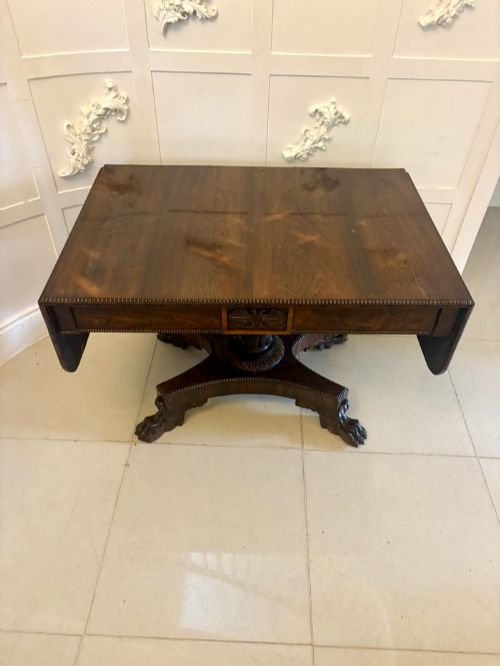
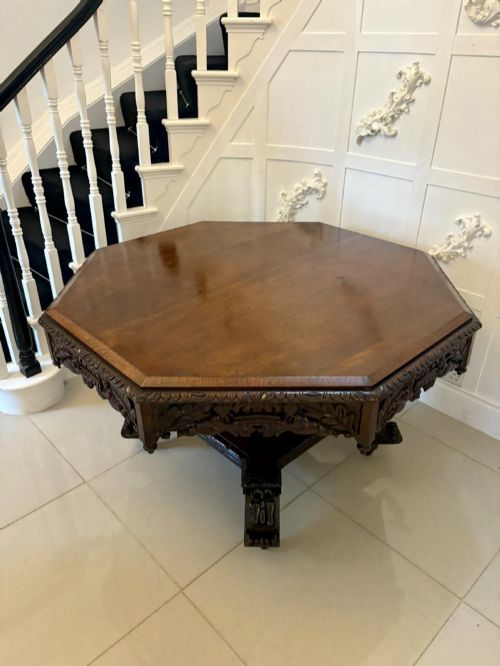
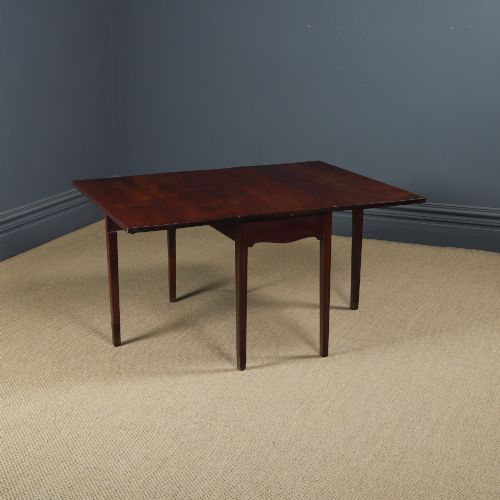
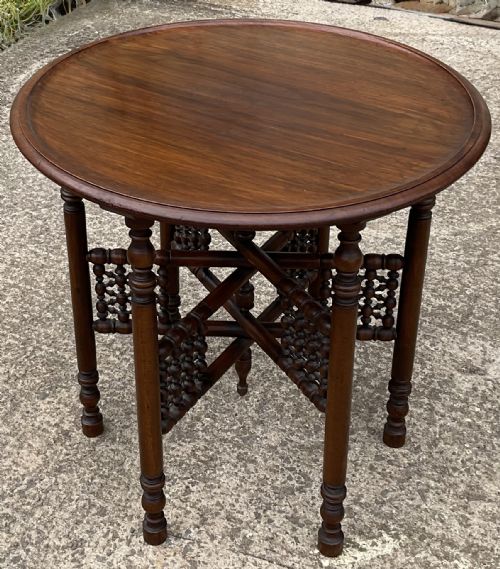
A dark brown centre table stands freestanding in a room, designed to be viewed from all sides rather than pushed against a wall. The pieces answering to this search phrase appear in forms such as circular tables, loo tables and larger freestanding designs. They emerge from the nineteenth century, spanning periods including the Regency, George IV, William IV and the year eighteen sixty.
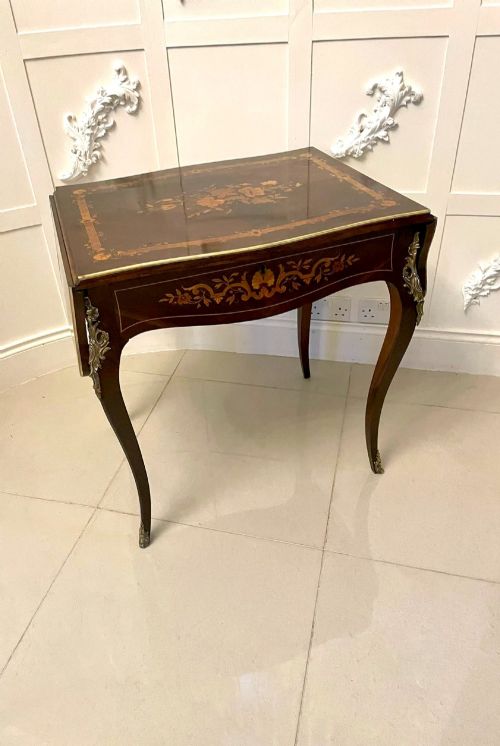
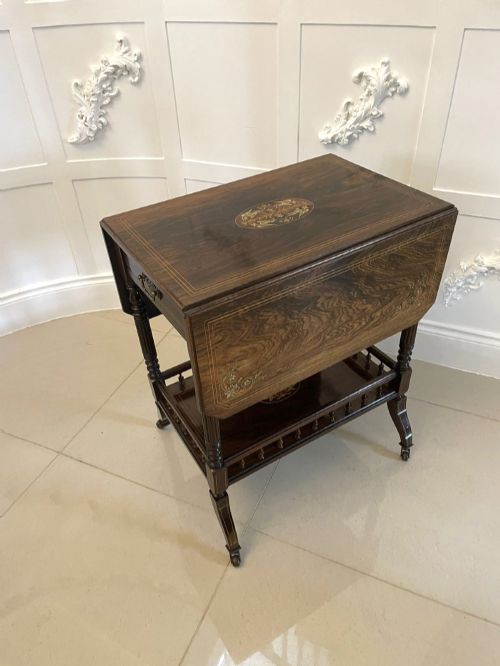
The dominant material across these examples is dark rosewood, sometimes paired with fruitwood and enriched by contrasting inlays. Styles draw on French Louis XV elegance as well as sturdy British Regency and revival vocabularies. Each piece provides a central surface that defined reception rooms and libraries of the nineteenth century.
How They Were Made
Cabinetmakers constructed these tables using solid timber and rich veneers of dark rosewood over secondary woods, often incorporating fruitwood. Surfaces received intricate marquetry inlays, while metal embellishments in brass and ormolu highlighted structural junctions and edgings.
Joinery techniques united turned columns, pedestals and tripod or platform bases to support heavy stone or timber tops. The reliance on dense tropical hardwoods required seasoned timber and precise hand-cutting to prevent warping across wide circular and rectangular surfaces.
Retail Price Guide 2026
Typical UK retail prices for dark brown centre table, calculated from the Sellingantiques database of over a million retail prices indexed since 2003. This retail price guide relies exclusively on Sellingantiques data; no external sources or auction records are used, so the figures do not describe the wider market.
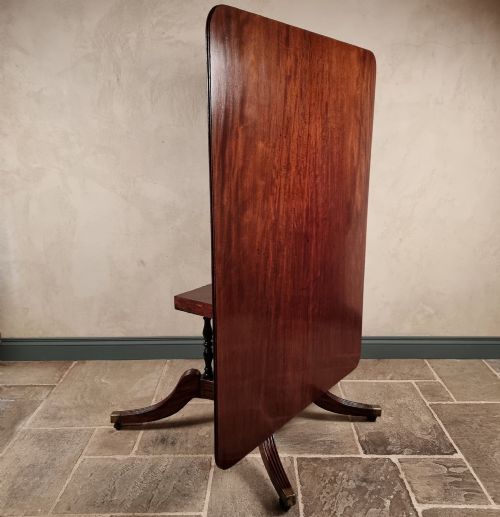
Tilt-top mechanisms let nineteenth-century revellers fold tables flat against walls after late-night card games, reclaiming the ballroom floor.
What Varies in Quality
Quality reveals itself in the depth of the rosewood grain and the crispness of brass or fruitwood inlay. Finer examples display meticulous marquetry and harmonious proportions between the central pedestal and the expansive top, avoiding heavy or unbalanced silhouettes.
The sophistication of the stylistic reference marks the divide between standard production and exceptional cabinet work. Pieces that channel French Louis XV fluidity or precise Regency geometry with uncompromised hand-carving occupy the upper tier of the range.
The Dark Brown Centre Table Glossary
- Centre table
- A freestanding table finished on all sides, intended to occupy the middle of a room rather than sit against a wall. These surfaces served for display and gathering.
- Loo table
- A large tilt-top circular table popular in the nineteenth century, originally used for the card game loo. When tilted, the table stood compactly against a wall.
- Ormolu
- Gilded bronze mounts applied to furniture for decoration, adding bright metallic contrast to dark woods. This technique was favoured in French and Regency designs.
- Marquetry
- Inlaid patterns formed by fitting together small pieces of coloured wood veneer. It creates pictorial or geometric decoration across table tops.
- Regency
- An English design style spanning the early nineteenth century, characterised by classical restraint and archaeological motifs. It heavily influences many centre tables of this era.
Frequently Asked Questions
Where should a centre table go?
A centre table belongs in the middle of a large room, hallway or library where it can be approached from every direction. Because these pieces are finished on all sides, they act as focal points rather than perimeter furniture.
Ensure there is enough clearance around the table for movement, allowing chairs or foot traffic to circulate freely without crowding the space.
What is a loo table?
A loo table is a nineteenth-century circular table with a tilting mechanism beneath the top. This allowed the heavy surface to lock vertically when not in use, saving floor space in grand drawing rooms.
Today, they function as permanent dining or display tables while retaining the hinged mechanism beneath the rosewood top.
How do I identify a Regency table?
Regency tables rely on classical restraint, architectural columns and dark woods like rosewood. They often incorporate brass inlay or ormolu mounts inspired by ancient Greek and Roman finds.
Proportions remain balanced and sturdy, steering clear of heavy Victorian ornamentation while maintaining a strong sculptural presence.
Are these tables solid rosewood?
Nineteenth-century centre tables typically combine solid structural elements with rich rosewood veneers applied over stable secondary timbers. This technique prevented large circular tops from splitting while showcasing dramatic grain patterns.
Inlays of fruitwood and brass were then set directly into the primary veneer surfaces.