







George IV Centre Table
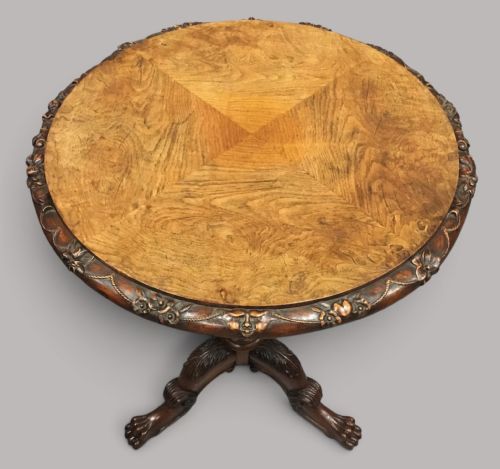
A george iv centre table is a substantial freestanding focal point for a room, prized for rich timbers and architectural presence.
George IV Centre Table
When you search for a george iv centre table, you are looking at substantial freestanding tables designed to sit in the middle of a room rather than against a wall. The examples you meet here span the 19th Century, Regency, Georgian, and 1800 periods, reflecting the shifting tastes of the era.
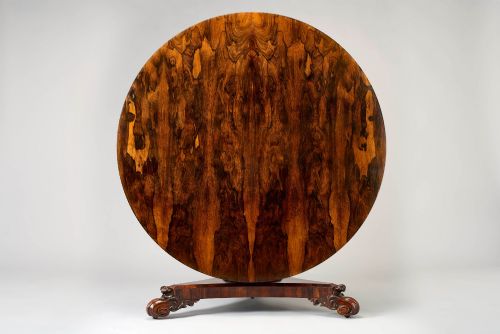
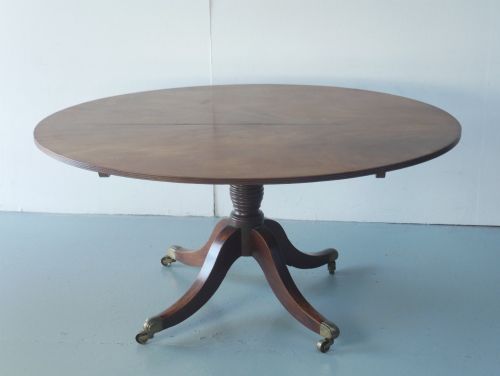
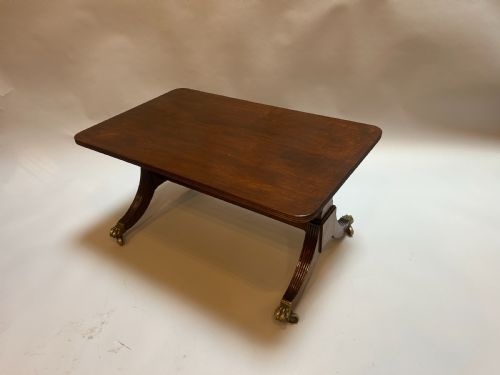
The most common forms on this page include round dining tables, library tables, and breakfast tables, often sharing duties between domestic utility and formal display. Rosewood and mahogany dominate the timber selection, frequently enriched by pollard oak, oak, and marble tops.
Makers of the period employed architectural pedestal bases, tripod supports, and drum designs to anchor these heavy pieces. Each george iv centre table carries the hallmarks of the style, balancing classical proportion with inventive timber choice.
How they were made
Cabinet makers built these tables using dense solid timbers and supportive carcases faced with flame mahogany, rosewood, or pollard oak veneers. Turning, carving, and marquetry inlay required immense skill to handle dense woods without splitting the primary structure.
Many examples incorporate heavy brass mounts, castors, and inset marble slabs requiring precise stone-cutting and joinery. French polishing brought out the deep grain patterns of goncalo alves, satinwood, and burr walnut.
George IV Centre Table Retail Price Guide 2026
Typical asking prices for george iv centre table among the pieces listed under this phrase on Sellingantiques today, from the lower quarter to the upper quarter. They describe what is for sale here now, not the wider market.
The archive records versatile forms including drum tables, tripod occasional pieces, and heavy pedestal library tables.
What varies in quality
The distinction between ordinary and exceptional work lies in the choice of timber and the depth of figure in the flame mahogany or rosewood veneer. Top-tier pieces exhibit carefully matched grain patterns that wrap symmetrically across circular tops.
Structural integrity of the pedestal base and the crispness of carved giltwood or ebonised details separate standard cabinet work from pieces attributed to premier workshops. The integration of secondary woods like oak within the interior framing also signals superior workshop standards.
Gillows of Lancaster
The George IV Centre Table Glossary
- Centre table
- A freestanding table finished on all sides so it can stand in the middle of a room. These pieces often served multiple functions as dining, library, or breakfast tables.
- Pollard oak
- Timber taken from trees that have been pollarded, producing a dense, knotty grain pattern with rich decorative movement. It was frequently utilised for high-status surfaces.
- Goncalo alves
- A dense exotic hardwood with contrasting dark brown and golden tones, often used for banding and highlights on quality tables. Its striking figure made it a favourite for Regency cabinet makers.
- Drum table
- A circular library table with a deep frieze containing drawers, mounted on a central pillar and platform base. The top is frequently inset with leather or tooled surfaces.
- Giltwood
- Wood that has been coated with gold leaf or gilt gesso, providing brilliant metallic highlights. It appears on formal stands and frame mounts.
George IV Centre Table: Frequently Asked Questions
Where did they place a george iv centre table?
These tables stood proudly in the middle of principal reception rooms, libraries, and large entrance halls where they could be approached from all sides.
Because they were finished all round, they functioned as display surfaces for books and ornaments or served as impromptu dining and breakfast tables.
How do I spot a library table?
Library tables generally feature heavy rectangular or circular tops equipped with frieze drawers for stationery and books.
They often rest on robust pedestal bases or end supports designed to bear the heavy weight of leather-bound volumes.
Are marble top tables original?
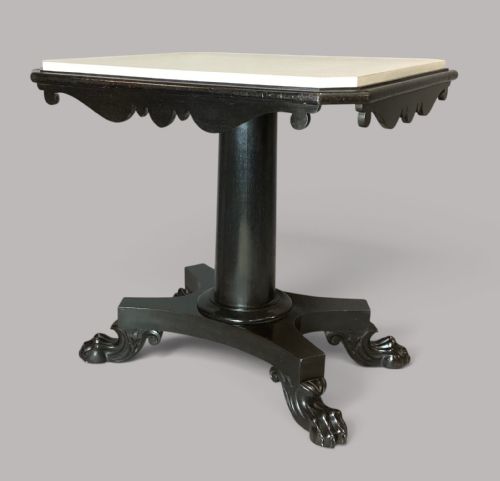
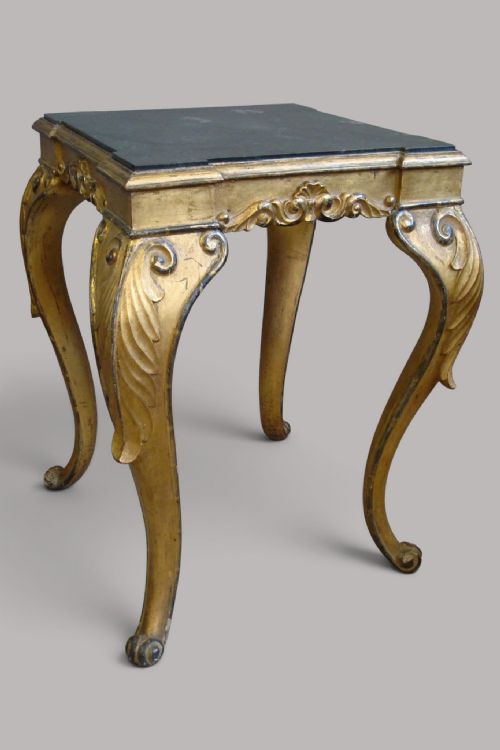
Many grand examples incorporated inset marble or rouge marble slabs to provide a durable and cool surface for serving or display.
Makers paired these stone inserts with rosewood or ebonised frames to create striking textural contrast.
How do I care for rosewood and mahogany?
Protect the polished timber surfaces from direct sunlight and excessive heat fluctuations to prevent veneer cracking and fading.
Regular dusting with a dry, soft cloth preserves the deep lustre of the original French polish without building up heavy wax residues.